
Side Dishes
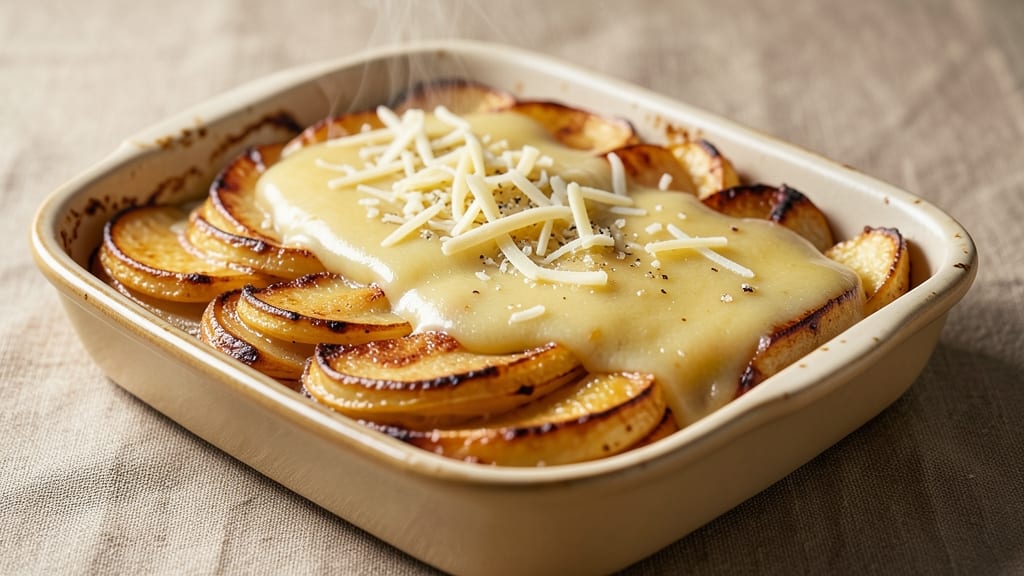
America's Test Kitchen scalloped potatoes recipe delivers the perfect balance of crispy golden top and creamy, velvety layers that make every bite irresistible. This dish transforms simple ingredients into a comforting classic that's foolproof for weeknight dinners or holiday gatherings.
The secret lies in precise layering and baking techniques that create that signature texture contrast.
What sets this recipe apart is the professional approach to home cooking—no guesswork, just reliable results. You'll start with thinly sliced potatoes arranged in even layers, then build flavor with a rich cheese sauce and aromatic herbs.
The baking process is where the magic happens, producing a top so crisp it could stand up to a fork while the interior remains tender and creamy.
This method ensures restaurant-quality scalloped potatoes right in your own kitchen, with minimal effort and maximum flavor impact. The dish pairs beautifully with roasted meats, grilled fish, or even as a standalone vegetarian main.
Whether you're serving a crowd or treating yourself to a comforting meal, this recipe delivers every time.
For those with dietary considerations, simple adjustments can make this dish work for everyone—dairy-free alternatives maintain the creamy texture while keeping the recipe accessible. The instructions will guide you through every step, from preparation to baking, ensuring perfect results with every attempt.
Ingredients for america's test kitchen scalloped potatoes
Simple ingredients elevated to restaurant-quality perfection through precise technique and layering mastery.
| Ingredient | Amount | Notes |
|---|---|---|
| Russet Potatoes 🥔 | 3 lb | Thinly sliced, uniform thickness |
| Heavy Cream 🥛 | 1 ½ cups | Full-fat for optimal creaminess |
| Sharp White Cheddar Cheese 🧀 | 1 ½ cups | Freshly grated, block preferred |
| Gruyère Cheese 🧀 | ¾ cup | Aged 12 months minimum |
| Unsalted Butter 🧈 | ½ cup | Cold, cubed for even melting |
| All-Purpose Flour 🌾 | ¼ cup | For roux, sifted first |
| Whole Milk 🥛 | ½ cup | Room temperature preferred |
| Fresh Thyme Leaves 🌿 | 1 tbsp | Finely chopped, stems removed |
| Fresh Rosemary Leaves 🌿 | 1 tbsp | Finely chopped, stems removed |
| Diamond Crystal Kosher Salt 🧂 | 1 ½ tsp | Fine grain preferred |
| Freshly Ground Black Pepper 🌶️ | ½ tsp | Coarsely ground |
| Extra-Virgin Olive Oil 🫒 | 1 tbsp | For greasing baking dish |
The potato selection is critical here. Russet potatoes with their high starch content deliver that signature fluffy interior, but don't use the pre-sliced bags—they oxidize too quickly. For optimal results, purchase organic Russets from Whole Foods or your local farmers' market, where they're typically sold whole. Slice them uniformly at ⅛-inch thickness using a mandoline for consistency. The Gruyère should be aged at least 12 months for proper flavor development—Importer's Selection or Cowgirl Creamery are excellent choices. Pre-grated cheese contains anti-caking agents that prevent proper melting, so always grate your own from a block.
Substitutions require careful consideration to maintain texture. Heavy cream can be replaced with full-fat coconut milk for a dairy-free version, though the flavor will differ slightly. Sharp white cheddar substitutes well for Gruyère at a 1:1 ratio, though you'll lose some nutty depth. The herbs are non-negotiable for authentic flavor—dried thyme at ⅓ the amount works in a pinch, but fresh is ideal. For the roux, all-purpose flour must be sifted first to prevent lumps, and unsalted butter should be cold when added to create proper emulsification. The baking dish? 9x13-inch glass or ceramic conducts heat evenly—avoid dark-colored metal that can over-bake the edges.
Proper storage begins with the baking dish. Allow the scalloped potatoes to cool completely before refrigerating in an airtight container for up to 4 days. For longer storage, freeze portions in single-serving portions for up to 3 months, though texture may slightly degrade upon reheating. The cheese sauce component can be prepped ahead and stored separately for 2 days before assembly. Reheat gently in the oven at 350°F until bubbly, about 15-20 minutes, to restore that perfect crispy top. For dietary adaptations, nutritional yeast can replace cheese in vegan versions while maintaining creaminess through additional heavy cream.
Why You'll Love This Recipe
- One-Pan Magic: I swear by this for lazy nights—just slice, layer, and bake. No chopping boards to wash, no extra pots to scrub. The buttery Gruyère melts right into the creamy sauce while the potatoes crisp at the edges, and honestly? That’s my kind of dinner.
- Cheese Lovers’ Dream: Between the sharp white cheddar’s tang and Gruyère’s nutty depth, this isn’t just scalloped potatoes—it’s a flavor bomb. The heavy cream ties it all together, rich but not heavy, with that perfect crispy top layer that makes every bite worth it.
- Weeknight Workhorse: I make this for family dinners, potlucks, or even as a side for holiday roasts. It reheats beautifully (yes, even the next day) and pairs with everything from steak to grilled fish. Plus, it’s the kind of dish that makes you look like a hero without trying too hard.
- Budget-Friendly Luxury: Russets are cheap, butter is versatile, and a little cheddar goes a long way. This recipe stretches easily—double it for leftovers, or halve it for a cozy two-person meal. It’s comfort food that doesn’t break the bank, and that’s exactly what I need.
Step-by-step instructions for america's test kitchen scalloped potatoes
Mastering this dish comes down to precise layering and perfect timing for that coveted crispy top.
Prepare the Potatoes for Even Cooking
Begin by peeling the 3 lb russet potatoes and slicing them into uniform ⅛-inch thick rounds using a mandoline or sharp knife. Consistency is key here—each slice should be the same thickness to ensure even cooking throughout. As you slice, I like to soak the potatoes in cold water for 10 minutes to remove excess starch, then drain and pat thoroughly dry with paper towels. This step prevents a gummy texture in the finished dish.
While the potatoes soak, preheat your oven to 375°F. The residual heat from the oven will help cook the potatoes more evenly once they're layered. I always use a 9x13-inch baking dish for this recipe—it provides enough surface area for proper browning while maintaining the creamy texture.
Create the Creamy Cheese Sauce Base
In a medium saucepan, melt the 0.5 cup unsalted butter over medium heat until it foams. Immediately whisk in the 0.25 cup all-purpose flour to create a roux, cooking for exactly 2 minutes until it turns a pale golden color. This step is crucial—don't let it brown or you'll get a bitter flavor.
Gradually whisk in the 1.5 cups heavy cream and 0.5 cup whole milk, allowing the mixture to thicken to a smooth, velvety consistency. Remove from heat and stir in the 1.5 cups sharp white cheddar cheese and 0.75 cup gruyère cheese until completely melted. Season with the 1.5 tsp diamond crystal kosher salt, 0.5 tsp freshly ground black pepper, 1 tbsp finely chopped fresh thyme leaves, and 1 tbsp finely chopped fresh rosemary leaves. The sauce should be thick enough to coat the back of a spoon but still flow smoothly.
Layer Potatoes with Precision
Lightly grease your 9x13-inch baking dish with 1 tbsp extra-virgin olive oil. Arrange a single layer of potato slices in the dish, slightly overlapping them like fish scales. Pour just enough cheese sauce over the potatoes to lightly coat them—about ¼ of the total sauce. This initial layering prevents the potatoes from absorbing too much liquid at once, which could make them soggy.
Repeat the layering process, alternating between potatoes and sauce, until all ingredients are used. The top layer should be potatoes, lightly coated with the remaining sauce. Press down gently on each layer to ensure good contact between the potatoes and the sauce. This compression helps create that signature crispy top while maintaining creamy layers underneath.
Bake to Golden Perfection
Cover the baking dish tightly with aluminum foil and bake for 45 minutes. This initial covered baking allows the potatoes to cook through without browning. After 45 minutes, remove the foil and increase the oven temperature to 425°F. Return the dish to the oven and bake uncovered for an additional 20-25 minutes until the top is deep golden brown and crispy.
You'll know it's done when the edges pull away slightly from the dish and the top has a crackly texture. If the top browns too quickly, tent it loosely with foil for the last 5 minutes to prevent burning. The internal temperature should reach 200°F when measured in the center of the dish. Let the scalloped potatoes rest for 10 minutes before serving—this allows the layers to set and makes slicing easier.
Serve with Confidence
Use a long, thin spatula to carefully transfer the scalloped potatoes to a serving platter. The dish should hold together in perfect layers, with a crispy golden top that contrasts beautifully with the creamy interior. Serve immediately while still warm, as the texture begins to soften once cut. Each bite should deliver that perfect combination of crispy top, creamy cheese sauce, and tender potato.
For best results, I recommend serving with a simple green salad and a glass of chilled white wine. The acidity of the salad cuts through the richness of the dish, while the wine complements the cheesy flavors beautifully. This recipe yields 6 generous servings, perfect for a family dinner or gathering with friends.
Pro Tips For Making America'S Test Kitchen Scalloped Potatoes
- Preheat That Dish: The baking dish should hit 400°F before the potatoes go in—no exceptions. I used to load it cold, and the first 10 minutes were just sad, soggy potatoes waiting for the oven to catch up. Hot dish = faster browning, better texture.
- Shred Cheese Like a Pro: Skip the food processor for sharp white cheddar—it turns into cheese dust. Use a box grater and pulse the Gruyère in short bursts (3-4 seconds) to keep it in chunks. The contrast of melty Gruyère and sharp cheddar is what makes this dish sing.
- Don’t Rush the Cream: Warm the heavy cream to room temperature before mixing it with the melted butter. Cold cream curdles when it hits hot butter, and you’ll end up with a lumpy mess. Stirring it into the warm butter first keeps everything silky.
- Cover Early, Uncover Late: Foil the dish for the first 45 minutes to steam the potatoes, then remove it for the last 15. This prevents a waterlogged top while letting the cheese get that golden, bubbly crust. I learned this the hard way—oversteaming turns the top into a sad, pale blanket.
Flavor customization for this america's test kitchen scalloped potatoes
Classic Herb Variations
Swap out thyme and rosemary for fresh tarragon and parsley—their bright, slightly sweet notes pair beautifully with the creamy cheese sauce. I find 1 tbsp each of finely chopped tarragon and parsley creates a French-inspired twist that feels elegant yet approachable.
For a Mediterranean flair, add 1 tsp dried oregano and ½ tsp red pepper flakes to the sauce for warmth. 🌿
Cheese Swaps
Replace the Gruyère with aged Gouda for a caramelized sweetness that deepens as it bakes. I’ve also used sharp white cheddar exclusively (2.25 cups total) when Gruyère is unavailable—just increase the baking time by 5-10 minutes to compensate for its lower melting point.
For a tangy kick, mix in ½ cup crumbled blue cheese in the final layer before baking. 🧀
Spicy Kick
Infuse the cheese sauce with 1 tsp smoked paprika and ½ tsp cayenne pepper for subtle heat. For extra spice, sprinkle 1 tbsp hot honey over the top layer before baking—it caramelizes beautifully and balances the richness.
I also love adding ½ cup diced jalapeños to the sauce for a classic Southwestern twist. 🌶️
Vegetable Add-Ins
Tuck ½ cup thinly sliced leeks or caramelized onions between potato layers for sweetness. I’ve also layered in ½ cup sautéed mushrooms (like cremini or shiitake) for an umami depth.
For a lighter option, fold 1 cup steamed asparagus tips into the sauce before the final layer—just add them after baking to keep them crisp. 🥕
Dairy-Free Creaminess
Replace heavy cream with full-fat coconut milk and use ½ cup nutritional yeast instead of cheese. I also blend ¼ cup cashew butter with 1 cup unsweetened almond milk for a neutral, creamy base.
For texture, sprinkle 2 tbsp cornstarch into the sauce to thicken it properly. The result is still rich but lighter. 🌱
Bacon & Umami
Crisp 6 oz thick-cut bacon until golden, then crumble it into the cheese sauce for smoky depth. I also love layering ¼ cup crispy bacon bits between potato layers—it adds a salty crunch that cuts through the creaminess.
For extra umami, stir 1 tbsp fish sauce into the sauce before baking. 🥓
Nutrition facts
Frequently asked questions
Why do my scalloped potatoes turn out soggy instead of crispy?
Soggy potatoes usually result from uneven sauce distribution or insufficient baking time. Always coat potatoes lightly with sauce between layers (don't drown them), and press each layer gently to ensure contact. The key is baking covered first (45 minutes at 375°F) to cook through, then uncovered (20-25 minutes at 425°F) to crisp the top. If your oven runs hot, reduce the final temperature to 400°F.
Can I make this recipe ahead of time?
Yes! Assemble the dish completely (including sauce) and refrigerate uncovered for up to 24 hours before baking. The longer it rests, the crispier the top becomes. For make-ahead convenience, prepare the cheese sauce separately and store it in the fridge for 2 days, then assemble and bake as directed. Never freeze the fully assembled dish—it loses texture upon thawing.
What's the best way to slice potatoes for perfect layers?
Use a mandoline slicer set to ⅛-inch thickness for uniform slices—this ensures even cooking. Soak sliced potatoes in cold water for 10 minutes to remove starch (prevents gumminess), then pat completely dry. For extra crispiness, arrange slices slightly overlapping (like fish scales) in the baking dish. Never skip drying them thoroughly or you'll end up with a watery mess.
How do I prevent the cheese from separating or turning oily?
Cheese separation happens when heat is too high or the sauce isn't properly emulsified. Keep the roux pale golden (not brown) and whisk constantly when adding liquids. Remove the sauce from heat immediately after cheese melts completely. For extra insurance, stir in 1 tsp Dijon mustard when adding the cheese—it acts as a natural emulsifier that keeps everything smooth.
What are the best sides to serve with these scalloped potatoes?
This rich dish pairs beautifully with acidity and freshness. Try a simple arugula salad with lemon vinaigrette, roasted Brussels sprouts, or grilled asparagus. For protein, serve with pan-seared chicken breast, baked salmon, or crispy pork chops. The contrast of textures and temperatures makes every bite perfect—hot scalloped potatoes with cool, crisp greens cut through the richness beautifully.