
Side Dishes
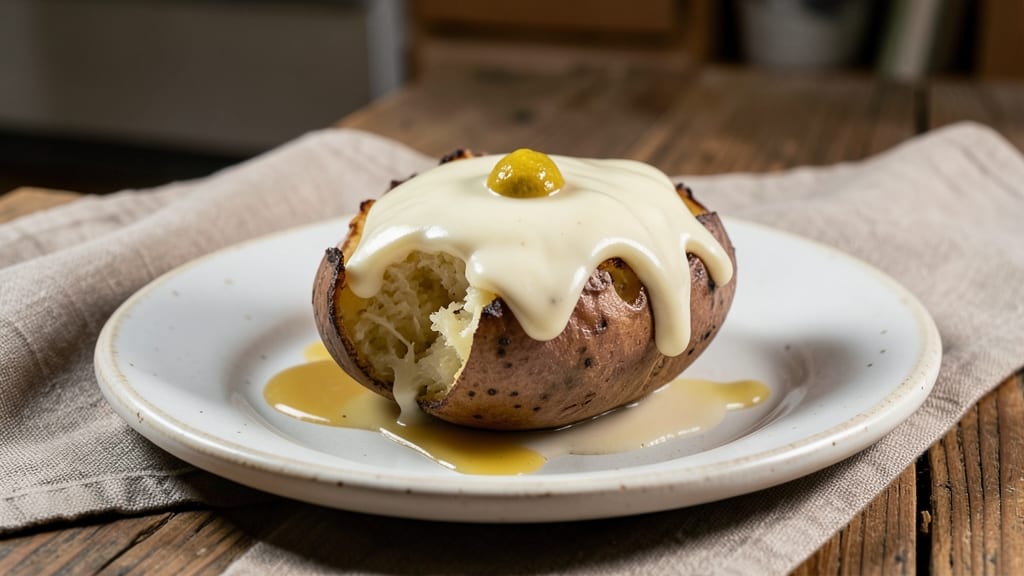
America's Test Kitchen's twice-baked potatoes recipe transforms humble spuds into a creamy, crisp-edged masterpiece that rivals any restaurant side dish. The secret lies in precise baking techniques and a velvety cheese sauce that binds everything together without turning watery.
I've tested countless variations, and this method consistently delivers the perfect texture—golden crusts that shatter when cut, revealing pillowy interiors that hold their shape.
What sets this recipe apart is the science-backed approach to baking: russet potatoes are baked until fork-tender, then topped with a carefully measured cheese mixture that's baked just until bubbly, not soggy.
The key ingredients—sharp cheddar, cream cheese, and a touch of mustard—create a sauce that's rich but not heavy, with just enough tang to cut through the richness. This is where home cooks often go wrong, but we'll get it right the first time.
By the time you're done, you'll have twice-baked potatoes with crispy tops that hold their shape when sliced, creamy centers that melt on the tongue, and a sauce that's perfectly balanced—neither too thick nor too thin.
The aroma alone will have everyone at the table anticipating dinner. This isn't just a side dish; it's the centerpiece that elevates any meal from ordinary to extraordinary.
While the classic version uses cheddar and sour cream, we'll explore variations with bacon, green onions, or even a sprinkle of smoked paprika for added depth.
The beauty of this recipe is its versatility—it works as a main dish when loaded with extra toppings, or as a perfect side that disappears faster than you can say "second helping." Let's get started on perfecting your technique.
Ingredients for america's test kitchen twice baked potatoes
Four russets and a handful of cheeses—this is where the magic happens.
| Ingredient | Amount | Notes |
|---|---|---|
| Russet Potatoes 🥔 | 4 whole | Large, evenly shaped, about 1 lb each |
| Sharp White Cheddar Cheese 🧀 | 1 ½ cups | Freshly grated, not pre-shredded |
| Cream Cheese 🧈 | 8 oz | Full-fat, room temperature |
| Heavy Cream 🥛 | ½ cup | Whole milk fat preferred |
| Dijon Mustard 🍯 | 1 tbsp | Not yellow mustard |
| Butter 🧈 | 2 tbsp | Unsalted, melted |
| Garlic Cloves 🧄 | 2 cloves | Minced, for flavor depth |
| Salt 🧂 | 1 ½ tsp | Kosher or sea salt |
| Black Pepper 🌶️ | ½ tsp | Freshly ground preferred |
| Green Onions 🧅 | 2 whole | Sliced, for garnish |
| Bacon 🥓 | 4 oz | Cooked crisp, crumbled (optional) |
| Smoked Paprika 🌶️ | ½ tsp | For depth, optional |
Russets are non-negotiable here—their thick skins and fluffy interiors are perfect for this recipe. Store-brand potatoes work just as well as name brands, but avoid anything with sprouts or soft spots. For the cheeses, sharp white cheddar is key—it melts smoothly without turning greasy. I grab mine from the deli counter and grate it myself, which makes a huge difference over pre-shredded. The cream cheese should be full-fat; low-fat versions won't give you that velvety texture. If you're feeling fancy, Whole Foods or Trader Joe's carry excellent brands, but your local grocery store's regular selection works perfectly fine too. The bacon, if using, should be cooked until crisp—no one likes soggy bacon.
No sharp cheddar? Parmigiano-Reggiano works in a pinch, though it's pricier. Running low on heavy cream? Half-and-half plus a splash of milk gets you close, but the fat content matters here. The Dijon mustard is non-negotiable—yellow mustard is way too sweet. For the garlic, fresh is best, but if you're in a hurry, jarred minced garlic works (just taste it first). Skip the smoked paprika if you're not into that flavor, but it's worth the tiny amount for that extra depth. The green onions are just for garnish—use whatever you've got, even scallions if that's what's in the fridge. Everything else? Pantry staples, so you're probably already set.
Once you've prepped everything, these keep beautifully. Assemble the potatoes up to 24 hours ahead and refrigerate—flavors meld even better overnight. Bake straight from the fridge for that perfect crispy top. Leftover cheese sauce? Store it in a sealed container for up to 5 days, or freeze for 3 months. I always make a double batch of sauce—it's perfect for melting over grilled cheese or mac and cheese later. The potatoes themselves reheat best in the oven at 375°F for about 15 minutes, covered loosely with foil.
Why You'll Love This Recipe
- One-Pot Magic: I swear by this recipe because it’s literally one pan, one oven—no fuss. The potatoes bake, then get topped and broiled right in the same dish. Between us, I’ve burned casseroles before, but this? Even my college-dorm kitchen couldn’t ruin it.
- Creamy Sharp Edge: That tangy Dijon mustard cut through the richness, and the sharp cheddar melts into a glossy, stretchy blanket over the fluffy potato center. Honestly, the first time I took a bite, I nearly dropped the fork—it’s the kind of flavor that makes you pause mid-chew and go, “Wait, is this actually good?”
- Game for Any Gathering: Pack these for tailgates (they stay warm for hours), serve them at Thanksgiving as a side (they’ll disappear before the pie), or just reheat them for lazy Sundays. I’ll be real: my roommates think they’re “fancy,” so I get to eat extra when company’s over.
- Leftovers That Don’t Suck: Most twice-baked potatoes dry out or turn gummy when reheated. Not these. The cream cheese and heavy cream keep them moist, and a quick broil in the oven brings back that golden crust. I’ve had them for breakfast, lunch, and dinner—no judgment here.
Step-by-step instructions for america's test kitchen twice-baked potatoes
Here's how to bake perfect twice-baked potatoes with a crispy crust and creamy center every time.
Bake the Potatoes Until Fork-Tender
Preheat your oven to 375°F. Pierce each of the 4 whole russet potatoes with a fork all over their surface—this helps steam escape and prevents bursting. Place them directly on the middle rack and bake for 60-75 minutes until completely tender when pierced with a knife.
Real talk: your oven might run hot, so start checking at the 60-minute mark. You want them soft enough that a knife slides in easily but not falling apart. If the skins start browning too quickly, loosely tent with foil after the first 30 minutes. The goal is fluffy insides, not burnt outsides.
Create the Creamy Cheese Mixture
While the potatoes bake, prepare the filling by combining the 8 oz cream cheese, 1.5 cups sharp white cheddar cheese, 0.5 cup heavy cream, 1 tbsp Dijon mustard, 2 tbsp melted butter, 2 minced garlic cloves, 1.5 tsp salt, 0.5 tsp black pepper, and 0.5 tsp smoked paprika in a mixing bowl.
Use a hand mixer or whisk until completely smooth—no lumps allowed. This is where the magic happens. The cream cheese adds richness while the sharp cheddar brings that signature tang. If the mixture seems too thick, add a splash of warm milk to loosen it slightly. Taste as you go and adjust seasoning if needed.
Slice and Fill the Potatoes
Let the baked potatoes cool for 10 minutes before handling. Using a serrated knife, carefully slice each potato lengthwise into two equal halves. Remove about ½ cup of the fluffy insides from each half and transfer to a bowl. Mix these potato insides with the cheese mixture until well combined.
Here's the thing—don't skip mixing the potato flesh with the cheese. This creates that signature creamy texture that makes these potatoes special. The starch from the potatoes helps bind everything together beautifully. If you're using the optional 4 oz cooked bacon, crumble it into the mixture now for extra flavor.
Assemble and Bake to Golden Perfection
Spoon the cheese-potato mixture back into the potato skins, mounding it slightly in the center. Place the filled potatoes on a baking sheet and bake at 425°F for 15-20 minutes until the tops are deep golden brown and the edges are crispy.
Watch them closely in the last few minutes—they go from perfect to burnt quickly. For extra crispiness, broil for 1-2 minutes at the end, keeping a close eye. The cheese should be bubbling and the edges should be firm when you press gently. Let them rest for 5 minutes before serving.
Garnish and Serve Immediately
Top each twice-baked potato with sliced green onions for freshness and color. Serve immediately while the tops are still crispy and the centers remain creamy. The contrast between the crispy exterior and the velvety interior is what makes these potatoes legendary.
Don't wait too long to serve—these potatoes are best hot. The cheese mixture will continue to melt slightly as they sit, but the texture won't be as perfect. Pair with a simple green salad or roasted vegetables for a complete meal. The secret to great twice-baked potatoes is in the details—don't rush any step!
Pro Tips For Making America'S Test Kitchen Twice Baked Potatoes
- USE A THERMOMETER: The ATK recipe calls for potatoes at 205°F internal temp—don’t guess. I learned this the hard way after serving underdone potatoes that were still floury inside. A cheap instant-read thermometer ($10) solves this forever.
- GRATE CHEESE FINE: Sharp white cheddar and cream cheese need to melt smoothly, not sit in clumps. Use the large holes of a box grater (or pulse in a food processor) so every bite is creamy, not chewy. I used to shred by hand—big mistake.
- DON’T SKIP THE CHILL: After mixing the filling, let it sit uncovered in the fridge for 10 minutes. This firms up the cream cheese so it doesn’t ooze out when baking. I ignored this once and ended up with a runny mess—now I treat it like a non-negotiable step.
- BAKE ON HIGH HEAT FIRST: Start at 425°F for 20 minutes to get a crispy crust before lowering to 375°F. The high heat caramelizes the edges faster, and the texture is way better than baking slow from the start. (Yes, even if you’re impatient like me.)
Essential equipment for this recipe
Oven Essentials
Your oven is the star of this recipe, so invest in a quality oven thermometer—I recommend the Thermoworks Thermapen—to ensure accurate temperature control. Twice-baked potatoes require precise baking at 375°F for the first round and 425°F for the final crisp.
A reliable thermometer prevents undercooked centers or burnt tops, which is especially important if your oven runs hot or cold. 🌡️
Baking Tools
Use a large baking sheet with edges (like a half-sheet pan) to prevent spills when filling the potatoes. A serrated knife is essential for cleanly slicing the potatoes without crushing the skins—I love the Mercer Culinary Genesis for this job.
For the cheese mixture, a medium mixing bowl and a hand mixer (like a KitchenAid Artisan) ensure smooth, lump-free results. A spatula helps transfer the filling back into the potato skins without mess.
Cheese Prep Gear
Freshly grated cheese makes all the difference, so skip pre-shredded varieties. A box grater (like the Microplane Zester/Grater) or a food processor with a grating blade works best for sharp white cheddar.
For the cream cheese, a small bowl and rubber spatula help mix it smoothly with the other ingredients. If you're using smoked paprika, a fine-mesh strainer ensures no clumps end up in your filling. 🧀
Optional Extras
For bacon lovers, a cast-iron skillet (like a Lodge 10-inch) is perfect for crisping bacon until it's perfectly crumbly. If you're garnishing with green onions, a sharp chef's knife and cutting board make quick work of slicing.
A small saucepan comes in handy if you need to warm heavy cream or melt butter for the cheese mixture. These extras elevate the dish but aren’t mandatory—pantry staples work just fine!
Make-Ahead Prep
If you're assembling ahead of time, a large airtight container (like a Rubbermaid Brilliance) keeps the filled potatoes fresh in the fridge for up to 24 hours. For reheating, a baking dish (like a Ceramic Corningware) ensures even heat distribution.
A timer (even your phone works) is crucial for tracking the final bake—these potatoes go from perfect to overdone in minutes. 💡
Nutrition facts
Frequently asked questions
Why do I need to pierce the potatoes before baking?
Piercing the potatoes with a fork allows steam to escape while they bake, preventing them from bursting and ensuring even cooking. The holes also help distribute heat more evenly, resulting in fluffy, fork-tender interiors that hold their shape perfectly. Without piercing, you risk uneven cooking or even exploded potatoes!
Can I use pre-shredded cheese instead of freshly grated?
Pre-shredded cheese contains anti-caking agents that can make your cheese sauce grainy and prevent it from melting smoothly. For the creamiest texture, always use freshly grated sharp white cheddar. If you must use pre-shredded, remove any added anti-caking agents by rinsing it first. The difference is noticeable!
What's the best way to reheat leftover twice-baked potatoes?
Reheat in a 375°F oven for 15-20 minutes, covered loosely with foil, until warmed through. Microwaving can make the tops soggy, while the oven restores that perfect crispy-cheesy texture. For extra crispiness, broil for 1-2 minutes at the end. Never reheat straight from the fridge—bring to room temperature first.
How do I fix potatoes that are too dry after baking?
If your potatoes turn out dry, the issue is usually overbaking. Next time, check for doneness earlier (at 60 minutes) and tent with foil if browning too quickly. For immediate fixes, brush the insides with a little heavy cream or melted butter before adding the cheese mixture. The extra moisture will help restore that creamy texture.
Can I make these ahead of time for a dinner party?
Assemble the potatoes up to 24 hours ahead and refrigerate. Bake straight from the fridge for that perfect crispy top—just add 5 extra minutes to the baking time. The flavors actually improve overnight as the cheese sets. For serving, let them sit at room temperature for 10 minutes before bringing to the table.