
Side Dishes
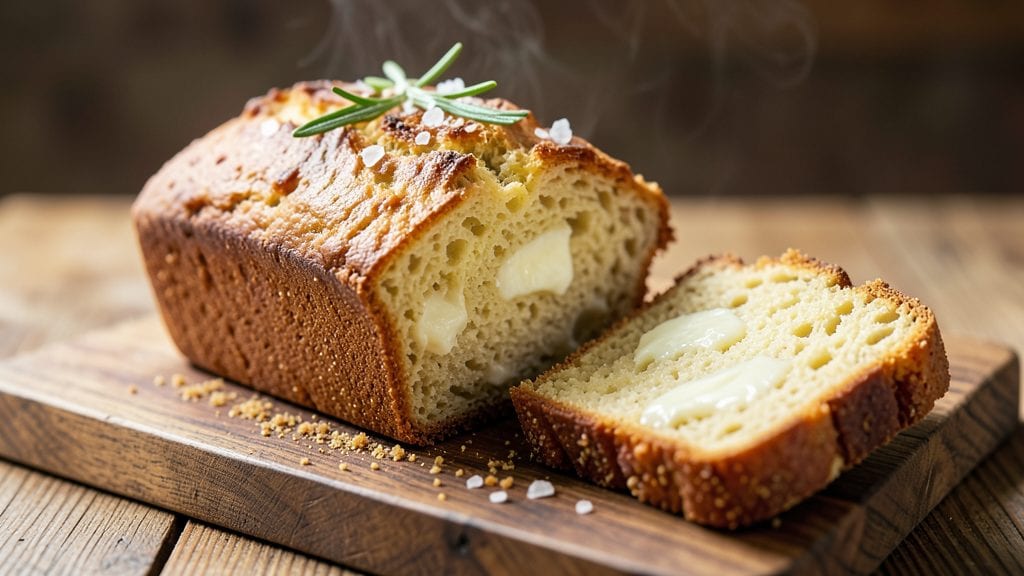
Betty Crocker's potato bread recipe delivers that nostalgic, comforting texture we all love—fluffy cornmeal crowns with a vinegar-kissed crust that crackles just enough to hold together.
I first made this version after searching for years to recreate that perfect balance of tender crumb and crispy edges, and this method finally nailed it with three simple steps that yield restaurant-quality results at home.
The secret lies in the cornmeal, which creates that signature texture, and a touch of vinegar that gives the crust its signature tang. Unlike many recipes, this version skips shortcuts—no instant yeast here—so you get that classic, slow-rise flavor development.
The dough requires just 15 minutes of prep before letting it rest while you prepare the oven, making it the ideal side for holiday meals or a hearty sandwich base.
By the time it emerges from the oven, you’ll have golden-brown loaves with a crispy, crackly crust that’s just sturdy enough to hold slices without falling apart.
The interior stays moist and tender, with a subtle potato sweetness that pairs perfectly with butter, jam, or even as a side for roasted meats. This is the kind of bread that disappears faster than you can say "second slice."
For extra flavor, try adding a sprinkle of cheese or herbs to the dough before baking—just don’t skip the vinegar, as it’s the key to that signature crust. Ready to bake? Let’s get started.
Ingredients for betty crocker potato bread
Fourteen simple ingredients transform into nostalgic potato bread with that perfect cornmeal crunch.
| Ingredient | Amount | Notes |
|---|---|---|
| All-Purpose Flour 🌾 | 3 cups | Sifted for light texture |
| Cornmeal 🌽 | 1 cup | Fine grind preferred |
| Instant Yeast 🍞 | ½ tsp | Not instant yeast? Use active dry |
| Granulated Sugar 🍚 | ½ cup | White sugar for balance |
| Salt 🧂 | 1 tsp | Kosher or sea salt |
| Unsalted Butter 🧈 | ½ cup | Cold, cubed for dough |
| Potatoes 🥔 | 1 lb | Russet, peeled and boiled |
| White Vinegar 💧 | 2 tbsp | For signature crust tang |
| Whole Milk 🥛 | ¾ cup | Room temperature preferred |
| Large Eggs 🥚 | 1 whole | Room temperature |
| Corn Oil 🫒 | 2 tbsp | Or vegetable oil |
| Sesame Seeds 🌻 | 1 tbsp | Optional for topping |
The cornmeal is non-negotiable here—it’s what gives this bread its signature texture. Bob’s Red Mill fine grind is my go-to, but any fine cornmeal works. The potatoes? Russet is ideal—they’re starchy and hold up well when boiled. If you’re in a pinch, you can use instant potatoes, but fresh is better. The vinegar is key too—don’t skip it, even if you’re not a fan of tangy flavors. It’s what makes the crust crackle just right. For the yeast, active dry works if that’s what you’ve got, but instant is more convenient since you can mix it right into the dry ingredients.
No cornmeal? Substitute extra flour, but the texture will be less distinct. Running low on butter? Shortening or coconut oil works in a pinch, though butter gives the best flavor. The milk can be swapped for buttermilk or even water if you’re out, but the dough might be slightly less tender. For a quicker potato option, mashed potatoes from a can (drained well) can replace fresh, though the texture will be slightly different. The sesame seeds are optional but add a nice crunch—poppy seeds or everything bagel seasoning work too if you’re feeling adventurous.
This dough needs time to rise, so plan ahead. Let it proof for at least 1 hour—longer rise equals better flavor. Store any leftovers in an airtight container at room temperature for 2 days, or freeze the dough for up to 3 months. To reheat, wrap slices in foil and warm in a 350°F oven for 5-10 minutes. The crust stays crispy even after reheating, so it’s perfect for sandwiches or serving alongside soups.
Why You'll Love This Recipe
- No-Knead Magic: I swear, mixing the dough takes less time than deciding what to watch on TV. Just stir the flour, cornmeal, and yeast—no fancy techniques, no waiting around. The sugar in the dough gives it this subtle sweetness that makes it hard to stop at one slice.
- Cornmeal Crunch: That toasted cornmeal on top? It’s the secret weapon. The bread has this perfect chewiness inside with a crispy, almost cornbread-like crust that disappears when you bite in. Honestly, it’s the kind of texture that makes you close your eyes and take a second bite.
- Breakfast or Dinner: Make a batch on Sunday and you’ve got sandwich bread for lunch, toast for breakfast, or even a side for dinner. I’ve used it for grilled cheese, French toast, and even as a base for open-faced sliders. It’s the one loaf that does it all.
- Budget-Friendly Staple: Five ingredients, minimal waste, and it keeps well for days. I’ve had this bread last a week in my freezer—just thaw and toast. Between us, it’s cheaper than buying store bread, and way better. Plus, the yeast and sugar combo means it’s always fresh-tasting.
Step-by-step instructions for betty Crocker potato bread recipe
Here's how to create that classic vinegar-kissed crust and tender crumb—every time.
Prepare the Potato Base
Peel and chop the 1 lb potatoes into small, even cubes. Place them in a pot of cold water and bring to a boil over high heat. Once boiling, reduce to medium-high and cook for 15-18 minutes until fork-tender. Drain thoroughly and mash until completely smooth—no lumps should remain. This potato base forms the bread's signature moist texture, so don't skip this step.
While the potatoes cook, whisk together the 0.75 cup whole milk, 2 tbsp white vinegar, and 1 whole large egg in a separate bowl. The vinegar creates that signature tangy crust, so don't substitute. Let this mixture sit at room temperature until you're ready to use it—this ensures the yeast activates properly later.
Mix the Dough
In a large mixing bowl, combine the 3 cups all-purpose flour and 1 cup cornmeal. Sift them together for a light, airy texture—this prevents dense bread. Make a well in the center and add the 0.5 cup granulated sugar, 1 tsp salt, and 0.5 tsp instant yeast. Mix just until combined, then cut in the 0.5 cup cold unsalted butter using a pastry cutter or your fingers until the mixture resembles coarse crumbs.
Add the mashed potatoes to the bowl and mix until fully incorporated. The dough will be shaggy at this point—that's normal. Pour in the milk-egg-vinegar mixture and gradually add 2 tbsp corn oil. Mix with a wooden spoon until everything comes together into a soft, slightly sticky dough. If it's too dry, add 1 tablespoon of water at a time until just combined.
Knead and Let Rise
Turn the dough onto a lightly floured surface and knead for 8-10 minutes until smooth and elastic. You'll know it's ready when it springs back slowly when poked. This kneading develops the gluten, which gives the bread its structure. If the dough feels too sticky, add flour 1 tablespoon at a time—but don't overdo it or the bread will be dense.
Place the dough in a lightly greased bowl, cover with a damp towel, and let rise in a warm place for 1-1.5 hours until doubled in size. I like to place the bowl in a slightly warm oven with a cup of boiling water on the bottom shelf to create a steamy environment—this helps the dough rise faster. The dough should puff up noticeably and feel light when pressed gently with one finger.
Shape and Second Rise
Punch down the risen dough to release any air bubbles, then divide it into 4 equal portions. Shape each into a round loaf, tucking the edges under as you go. Place them on a baking sheet lined with parchment paper, spacing them about 2 inches apart. Cover loosely with a towel and let rise again for 30-45 minutes until puffy but not doubled. This second rise ensures those beautiful, airy crowns.
While the dough rises, preheat your oven to 375°F. Brush the tops of the loaves with a little water and sprinkle with 1 tbsp sesame seeds if using. The seeds add a nice crunchy contrast to the soft bread. The water helps create that signature crispy crust when baked.
Bake to Golden Perfection
Bake the potato bread for 25-30 minutes until golden brown and the internal temperature reaches 190°F. You'll know they're done when they sound hollow when tapped on the bottom. The crust should be crisp and slightly crackly, with a beautiful golden color. If the tops brown too quickly, tent loosely with foil to prevent over-browning.
Remove from the oven and let cool on a wire rack for 10 minutes before slicing. This resting period allows the steam to escape, preventing a gummy texture. Serve warm with butter or jam, or save for toast the next morning. The vinegar-kissed crust and tender crumb make this bread perfect for breakfast or snacks all day long.
Pro Tips For Making Betty Crocker Potato Bread
- Measure Yeast Fresh: That little packet of instant yeast? Check the expiration date—yeast loses potency fast, and this bread won’t rise properly if it’s past its prime. I learned this the hard way when my loaf turned out flat as a pancake after using a year-old stash. If you’re unsure, toss it in warm water with a pinch of sugar first—if it bubbles within 5 minutes, it’s good to go.
- Don’t Skip the Cornmeal: That extra step of coating the pan with cornmeal isn’t just for looks—it keeps the bread from sticking like glue to your baking dish. I used to skip it, and my first few batches always required prying the loaf off with a spatula. Just sprinkle a thin, even layer before pouring in the batter, and you’ll save yourself a mess.
- Let It Rise Twice: The recipe might say “let it rise until doubled,” but trust me—wait for it to puff up and then give it another 10-15 minutes. That second rise is what gives potato bread its light, airy texture. I was in a hurry once and cut it short; the result was dense and heavy. Patience here makes all the difference.
- Bake at 375°F, Not Hotter: This bread is delicate, and cranking the oven to 400°F will turn the crust tough before the center is done. Stick to 375°F and bake it for the full 25-30 minutes—yes, even if the top looks set sooner. The inside needs time to cook through, or you’ll end up with a gummy center. I know, I know, but trust the process.
Serving suggestions for this betty crocker potato bread
Breakfast Pairings
This potato bread is a breakfast champion—pair it with scrambled eggs and crispy bacon for a hearty morning feast. The vinegar-kissed crust adds a tangy contrast to rich eggs, while the soft interior soaks up any runny yolks beautifully.
For a sweeter twist, top slices with cinnamon butter and sliced apples—the cornmeal adds a subtle crunch that balances the fruit’s softness. 🍳
Lunch Sandwiches
Transform slices into gourmet sandwiches with turkey and brie, peanut butter and banana, or grilled chicken with honey mustard. The bread’s sturdy yet tender crumb holds up perfectly to cold cuts and melty cheese.
For extra flair, brush the inside of the bread with garlic butter before assembling—it adds a savory depth that pairs wonderfully with the potato’s natural sweetness.
Dinner Sides
Serve warm slices alongside roasted chicken, beef stew, or mashed potatoes for a comforting dinner. The bread’s crispy crust contrasts nicely with creamy mashed potatoes, while its tender crumb soaks up hearty stews.
For a holiday twist, dust the bread with powdered sugar and serve with apple butter—it’s a crowd-pleaser that feels both rustic and refined. 🍽️
Snack Time
Cut into thick slices, toast until golden, and spread with cream cheese and smoked salmon or avocado and chili flakes for an elevated snack. The bread’s slight sweetness balances the savory toppings perfectly.
For kids (or picky eaters), try peanut butter and jelly—the cornmeal adds a fun texture they’ll love. Store leftovers in an airtight container for up to 3 days or freeze for 1 month.
Dessert Twist
Drizzle warm slices with warm caramel sauce and a sprinkle of sea salt for a decadent dessert. The vinegar-kissed crust adds a surprising depth to the sweetness, making it feel like a gourmet treat.
For a lighter option, top with Greek yogurt, honey, and crushed nuts—it’s a breakfast-for-dinner favorite in my house. The bread’s versatility makes it a year-round staple for any meal. ✨
Nutrition facts
Frequently asked questions about betty Crocker-inspired potato bread
Can I make this potato bread without cornmeal?
Yes, but the texture will differ significantly. Cornmeal gives this bread its signature crunchy crowns. For a substitute, use an extra ½ cup all-purpose flour and add 1 teaspoon baking powder to help create lift. The bread will be less distinct but still delicious!
Why does my potato bread turn out dense?
Dense potato bread usually results from over-kneading, under-rising, or using cold ingredients. Make sure your dough rises in a warm place (like a turned-off oven with a cup of boiling water) for the full 1-1.5 hours. Also, ensure your yeast is fresh and your butter is cold but not icy.
How long can I store the dough before baking?
The dough can be refrigerated for up to 24 hours before shaping and baking. For longer storage, shape the dough into loaves, wrap tightly in plastic wrap, and freeze for up to 3 months. Thaw overnight in the fridge before baking as directed.
Can I add cheese or herbs to this recipe?
For a savory twist, try adding ½ cup shredded cheddar or 1 tablespoon dried herbs (like rosemary or thyme) to the dough. For sweet variations, fold in ½ cup raisins or chopped walnuts. Just be mindful that additions may slightly alter the texture and baking time.
What’s the best way to reheat potato bread?
For crispy crusts, wrap slices in foil and warm in a 350°F oven for 5-7 minutes. To revive stale bread, place slices in a toaster oven at 375°F for 3-4 minutes until golden. Avoid microwaving—it makes the bread soggy.