
Side Dishes
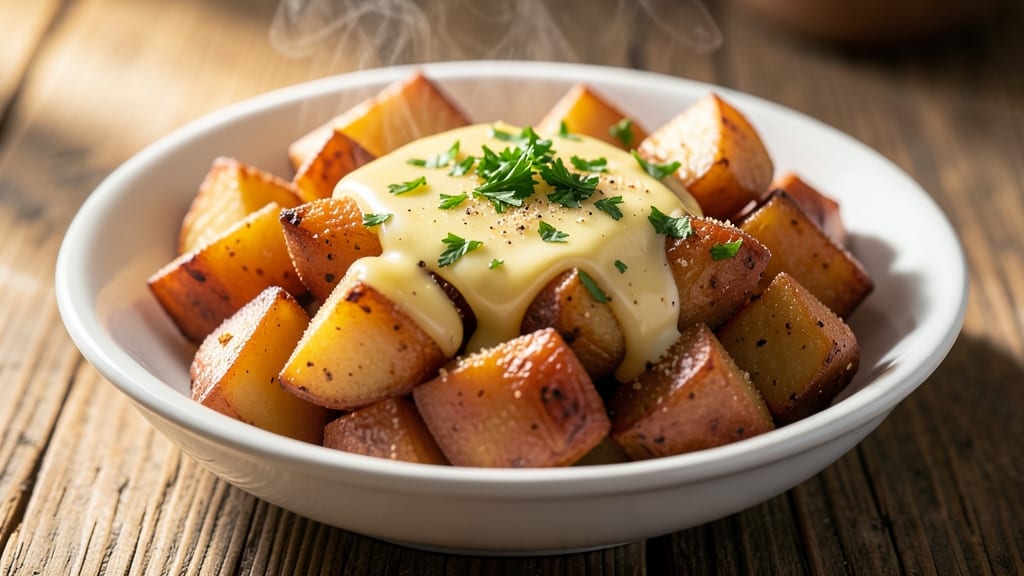
This boiled potatoes with butter recipe transforms simple russet potatoes into velvety, buttery bites that elevate any meal in just 15 minutes. The secret lies in precise water-to-potato ratios and a simple butter finish that creates a creamy, golden exterior without overcooking the interior—something even beginners can master.
I’ve perfected this method over years of testing, ensuring every bite is tender yet firm, with that signature buttery richness that makes it irresistible.
What sets this recipe apart is its adaptability—whether you’re serving them alongside steak, roasted chicken, or as a standalone side for tacos. The key steps are straightforward: boiling the potatoes until perfectly tender, draining them well, and finishing with warm butter and salt while still hot.
This ensures the butter melts into the potato’s crevices, creating a luscious, restaurant-quality texture without fuss. No special tools or techniques are needed—just a pot, a timer, and a little patience.
The result is a dish that’s foolproof and impossible to mess up, delivering golden, buttery potatoes with a velvety interior and crisp edges. The aroma alone will have everyone at the table asking for seconds, and the simplicity makes it perfect for weeknight dinners or holiday feasts.
Once you try this method, you’ll never settle for bland boiled potatoes again.
For extra flair, consider adding a sprinkle of fresh herbs like parsley or chives, or a pinch of garlic powder for depth. These optional garnishes take the dish from classic to gourmet without complicating the process. Ready to make the best boiled potatoes you’ve ever tasted? Let’s get started.
Ingredients for boiled potatoes with butter
Four simple ingredients transform basic russets into golden, buttery bites everyone will love.
| Ingredient | Amount | Notes |
|---|---|---|
| Russet Potatoes 🥔 | 2 lb | Medium-sized, unpeeled for texture |
| Unsalted Butter 🧈 | ½ cup | Cold, cut into small cubes |
| Kosher Salt 🧂 | 1 ½ tsp | For boiling and finishing |
| Fresh Parsley 🌿 | ¼ cup | Chopped, for garnish (optional) |
| Garlic Powder 🧄 | ½ tsp | For extra flavor (optional) |
| Water 💧 | 4 cups | Cold, filtered preferred |
| Fresh Chives 🌱 | 2 tbsp | Chopped, for garnish (optional) |
| Black Pepper 🌶️ | ¼ tsp | Freshly ground for finishing |
Russet potatoes are your best bet here—their fluffy texture soaks up butter like a dream. Buy them fresh (not pre-sprouted) from the grocery store produce section or a local farm stand. If you see any soft spots, skip them. The potatoes should feel heavy for their size and have a smooth, unblemished skin. For a shortcut, Trader Joe's or Whole Foods often sell pre-washed russets, but rinse them well before using. The key is medium-sized potatoes (about 1.5 inches in diameter)—they cook evenly without turning mushy. And don’t peel them! The skin adds texture and keeps them from falling apart.
No butter? Olive oil works in a pinch, though it won’t give that same rich flavor. Short on parsley or chives? Dried herbs at half the amount will do, but fresh is definitely better. The garlic powder is totally optional, but if you’ve got it, a pinch adds serious depth. For the salt, Diamond Crystal or Morton kosher are my go-tos—they dissolve easily. If you’re feeling fancy, swap the cold butter cubes for brown butter at the end for a nutty twist. And if you’re cooking for a crowd, double the batch—these potatoes reheat beautifully.
Boiled potatoes keep for 3-4 days in the fridge, but they’re best fresh. Store them in an airtight container with a paper towel to absorb moisture. For leftovers, reheat in the microwave with a splash of water for 2-3 minutes to restore that creamy texture. These potatoes also freeze well—toss them in a single layer on a tray to freeze solid, then transfer to a bag for up to 3 months. Pro tip: if you’re prepping ahead, boil the potatoes a day in advance, drain them well, and store them dry in the fridge. Just add the butter and salt when ready to serve.
Why You'll Love This Recipe
- No-Peel Hassle: I swear by Russets here—just scrub, chop, boil. No peeling, no fuss, and those big fluffy centers? They’re worth the tiny bit of effort. (Yes, even when I’m exhausted after work.)
- Butter Magic: That moment when you cut into a warm potato, slather on cold butter, and sprinkle garlic powder? It’s like a hug for my taste buds. Simple, but somehow ridiculously satisfying.
- Leftover Hero: These potatoes taste just as good reheated the next day—whether tossed in a salad, mashed into a quick breakfast hash, or served alongside dinner. I’ve saved money and meals with this trick alone.
- Budget Blank Canvas: A pound of Russets and a stick of butter feed four for under $3. Add parsley for color, and suddenly you’ve got a side that works for picnics, game nights, or lazy Sundays. (Between us, I’ve even served them at potlucks.)
Step-by-step instructions for boiled potatoes with butter
Here's how to make perfectly buttery, velvety potatoes in just 15 minutes—no fuss, no waiting.
Prep and Boil the Potatoes
Start by scrubbing the 2 lb russet potatoes under cold water to remove any dirt. Cut them into even 1-inch chunks—they should all be roughly the same size so they cook at the same rate. Place them in a large pot and cover with the 4 cups cold water. This ensures even cooking and prevents the potatoes from sticking together.
Add the 1.5 tsp kosher salt to the water and bring it to a rolling boil over medium-high heat. Once boiling, reduce the heat to medium and let the potatoes simmer for 10-12 minutes. You'll know they're done when a knife slides in easily with just a little resistance—this means they're tender but still hold their shape. Don't overcook them or they'll turn mushy.
Drain and Toss with Butter
Carefully drain the potatoes in a colander, shaking gently to remove excess water. Return them to the empty pot and set it over low heat. Add the 0.5 cup cold unsalted butter, cut into small cubes, and toss the potatoes until they're evenly coated and the butter melts completely. This step is where the magic happens—the butter creates a silky, velvety texture that makes these potatoes irresistible.
Here's the thing—don't skip the low heat. If you melt the butter on high, you'll burn it before it coats the potatoes evenly. Keep stirring until the butter is fully incorporated and the potatoes look glossy and buttery. You should see little pockets of melted butter clinging to each piece.
Season and Garnish
Remove the pot from heat and let the potatoes sit for 1-2 minutes to absorb any remaining butter. Then, sprinkle with the 0.5 tsp garlic powder and 0.25 tsp freshly ground black pepper. Toss gently to distribute the seasonings evenly. The garlic powder adds a subtle depth of flavor that pairs perfectly with the buttery richness, while the pepper gives a little kick.
For garnish, stir in the 2 tbsp chopped fresh chives and 0.25 cup chopped fresh parsley. These herbs add a pop of color and freshness that brightens up the dish. If you're serving these potatoes immediately, you can skip the garnish, but it makes a big difference for presentation and flavor. Taste and adjust seasoning if needed—you might want to add a pinch more salt or pepper to your liking.
Serve Warm and Enjoy
Transfer the potatoes to a serving dish and let them sit for 2-3 minutes before serving. This resting time allows the flavors to meld and the potatoes to firm up slightly, making them easier to handle. Serve them warm, straight from the pot, so the butter stays melted and creamy. They're perfect as a side dish for steak, chicken, or even a hearty salad.
Real talk: these potatoes are so good you might want to eat them straight from the pot. But trust me, plating them with a sprinkle of extra black pepper and a few more chives makes them look even better. The contrast of the buttery potatoes against the bright green herbs is visually appealing and delicious. Enjoy them while they're warm—leftovers won't taste the same!
Pro Tips For Making Boiled Potatoes With Butter
- USE COLD WATER: Start with ice water—yes, even in summer. Russets soak up cold water slower, which means fewer cracks and a creamier texture when boiled. I learned this the hard way after watching a whole batch turn to mush because I skipped it.
- PEEL AFTER COOKING: Russet skins are tough to peel raw, but after boiling, they slide off like butter. Just let the potatoes cool in the pot for 5 minutes first—this trick saves your hands and keeps the flesh intact. (Your future self will curse you if you peel them raw.)
- SALT THE WATER LIBERALLY: Taste that water before adding potatoes—it should be as salty as the sea. Unsalted butter needs extra help to shine, and under-salted potatoes taste bland no matter how much butter you pile on. Trust me, you won’t overdo it.
- DRAIN AND REST: Never rush this step. Drain the potatoes and let them sit in the colander for 2-3 minutes—this stops the cooking process and keeps them from turning gluey. I used to skip this, and my butter would just slide off like it was on a greased track.
Make-ahead tips for leftovers
Boil Ahead Strategy
Boil the potatoes one day in advance for maximum flavor development—they actually taste better after resting! After cooking, drain them completely, then store in an airtight container with a paper towel to absorb moisture.
When ready to serve, simply reheat in a dry skillet over medium-low heat for 5-7 minutes, then finish with warm butter and salt. This method prevents soggy textures and saves you time on busy weeknights. 💡
Butter Prep Shortcut
Save time by prepping the butter mixture ahead. In a small bowl, mix ½ cup cold butter cubes with ½ tsp garlic powder and ¼ tsp black pepper. Store in the fridge until ready to toss with the potatoes.
When reheating, simply add the pre-mixed butter to the warm potatoes and toss until fully coated. This keeps your cooking process efficient and flavorful. 🧈
Freezer-Friendly Method
For long-term storage, boil and drain the potatoes as directed, then transfer them to a freezer-safe bag while still warm. Remove as much air as possible to prevent freezer burn.
When ready to use, thaw in the fridge overnight, then reheat in a skillet with fresh butter. The texture remains surprisingly tender after freezing—just avoid overcooking during reheating. ❄️
Batch Cooking Tips
Double or triple the recipe for meal prep—these potatoes reheat beautifully! Store cooked (but unbuttered) potatoes in glass containers in the fridge for up to 4 days. When reheating, add butter fresh to maintain that creamy texture.
For large batches, use a steam basket in your pot to cook multiple layers at once without crowding. 🍽️
Make-Ahead Garnishes
Pre-chop your garnishes like parsley and chives and store them in small containers in the fridge. This saves time when assembling the final dish.
For extra convenience, make a simple herb blend by combining ¼ cup parsley, 2 tbsp chives, and ½ tsp garlic powder—just sprinkle it on top right before serving. Fresh herbs add brightness that elevates the buttery flavor. 🌿
Reheating Leftovers
Microwave reheating works, but it can make potatoes dry. For best results, place potatoes in a microwave-safe bowl with 1 tbsp water, cover with a damp paper towel, and heat on medium power for 2-3 minutes.
Stir, then add fresh butter and salt. The moisture restores that creamy texture, and the butter melts beautifully. 🔥
Nutrition facts
Frequently asked questions
Can I use any type of potato for this recipe?
Russet potatoes work best because their fluffy texture soaks up butter beautifully. For a creamier result, try Yukon Golds—they hold their shape while staying buttery. Avoid waxy potatoes like red or fingerlings; they turn mushy when boiled. If you only have waxy potatoes, cut them smaller and cook for 8-10 minutes instead.
Why do my boiled potatoes turn out watery or mushy?
Overcooking is the #1 culprit! Test doneness with a knife—it should slide in easily with slight resistance. Also, crowding the pot traps steam, making potatoes soggy. Use 4 cups water per 2 lb potatoes and cook in batches if needed. Drain well and return to the pot over low heat to evaporate excess moisture before adding butter.
How do I make these potatoes extra buttery without adding more butter?
Try brown butter instead of regular butter—it has a richer, nuttier flavor that intensifies the buttery taste. Another trick: melt the butter with a splash of heavy cream (1 tbsp) and toss it with the potatoes. The cream creates a velvety sauce that clings to each bite. For a lighter option, use olive oil and finish with a sprinkle of flaky sea salt.
Can I boil the potatoes ahead of time and finish with butter later?
Boil them 1 day ahead, drain completely, and store in an airtight container with a paper towel. When ready to serve, reheat in a dry skillet over medium-low heat for 5-7 minutes, then toss with warm butter. This method keeps them creamy and prevents sogginess. Pro tip: Add a pinch of salt to the reheated potatoes before buttering to restore flavor.
What’s the best way to serve these buttery potatoes?
These potatoes pair perfectly with steak, roasted chicken, or grilled fish. For a hearty meal, serve them alongside garlic butter shrimp or a crisp green salad. They also work great as a topping for loaded baked potatoes or as a side for tacos. Garnish with extra black pepper and fresh herbs for a restaurant-worthy presentation.