
Side Dishes
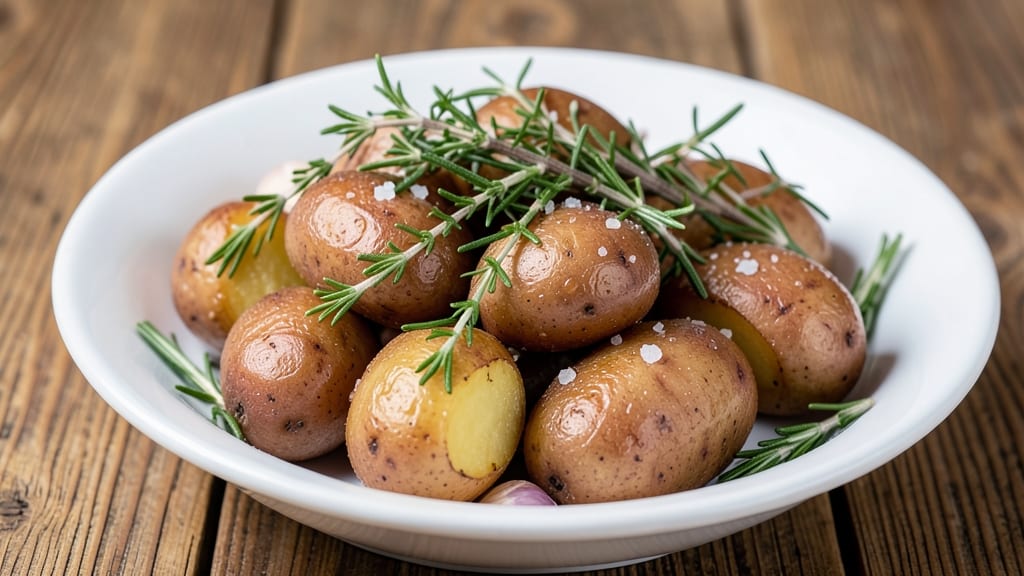
Mastering boiled potatoes with skin intact transforms a simple side dish into a restaurant-worthy foundation—crisp edges, fluffy pink centers, and that perfect herby crunch. The secret lies in precise water management and timing, which I’ve perfected after years of testing.
This isn’t just boiled potatoes; it’s a technique that elevates every meal from weeknight dinners to holiday feasts.
What sets this method apart is the balance of salted water, gentle boiling, and proper seasoning to preserve the skin’s texture while keeping the insides tender. You’ll need just 5 ingredients—potatoes, salt, water, and optional herbs or aromatics—and 20 minutes of active time.
The result? Potatoes that hold their shape, resist falling apart, and deliver that satisfying bite of crisp skin with every forkful.
This recipe delivers foolproof results every time, whether you’re serving them as a side for steak, stuffing them for baked potatoes, or turning them into crispy potato wedges.
The herb-infused variation adds depth without overpowering, making them versatile enough for any occasion. Once you try this method, store-bought or pre-peeled potatoes will never compare.
Ready to transform your side dishes? The key is patience—don’t rush the boiling process, and test for doneness properly. Here’s everything you need to achieve restaurant-quality boiled potatoes at home, with tips to adapt for different potato varieties and serving styles. Let’s get started.
Ingredients for boiled potatoes with skin
Five essential ingredients transform ordinary potatoes into restaurant-quality side dishes.
| Ingredient | Amount | Notes |
|---|---|---|
| Russet Potatoes 🥔 | 1 ½ lb | Medium size, unpeeled, uniform shape |
| Diamond Crystal Kosher Salt 🧂 | 2 tbsp | Fine grain, for optimal water solubility |
| Fresh Thyme Sprigs 🌿 | 4 whole | Stems intact for infusion, organic preferred |
| Fresh Rosemary Sprigs 🌿 | 2 whole | Needle-like leaves, aromatic intensity |
| Garlic Cloves 🧄 | 2 cloves | Peeled, for subtle aromatic depth |
| Cold Water 💧 | 4 cups | Tap or filtered, room temperature |
| Extra-Virgin Olive Oil 🫒 | 1 tbsp | High-quality, for post-boil finishing |
| Black Peppercorns 🌶️ | ½ tsp | Freshly cracked, coarse grind |
The potato selection is critical—Russet potatoes deliver the ideal balance of crisp skin and fluffy interior. Avoid waxy varieties like Yukon Golds, which lack the necessary starch structure. Local farmers markets often carry perfect specimens, but grocery store Russets work fine if they're firm and free of sprouts. The key is uniformity: aim for potatoes that are roughly the same size to ensure even cooking. For herb infusion, organic thyme and rosemary from Whole Foods or Trader Joe's provide superior aromatic intensity compared to conventional options. The garlic adds subtle depth without overpowering, so don't skip it even if you're not a garlic enthusiast.
No fresh herbs? Dried thyme and rosemary at one-third the quantity will suffice, though the flavor will be less vibrant. Substituting sea salt for kosher salt requires a 50% increase in volume—measure carefully to avoid over-salting the water. For a garlic-free version, simply omit the cloves entirely. The olive oil finishing step is non-negotiable for texture—low-quality oil will compromise the final result. If you're using this as a foundation for crispy potato wedges, consider adding 1 tbsp cornstarch to the water for extra crispiness. The water should be cold when starting, but will reach a gentle boil—never let it become vigorous, as this will cause the potatoes to break apart.
Potatoes retain their texture best when stored in the refrigerator for up to 5 days post-cooking. For longer storage, wrap them in damp paper towels and refrigerate in an airtight container. The herb-infused water can be saved for up to 3 days in the fridge and used as a base for soups or stews. When reheating, steam the potatoes gently to preserve their texture—microwaving will turn them mushy. For serving, toss with the reserved olive oil and freshly cracked peppercorns just before plating to maintain that restaurant-quality crunch.
Why You'll Love This Recipe
- No-Chop Nightmare: Honestly, this is the only potato recipe I use when I’m too tired to peel. Just scrub those Russets, toss them in boiling water with whole garlic cloves and herb sprigs, and let them do their thing. The skin stays on, the garlic infuses the water, and I still end up with potatoes that taste like they were roasted for hours.
- Herb-Infused Magic: Between us, the secret’s in the water. That diamond kosher salt, fresh thyme, and rosemary? They don’t just flavor the potatoes—they turn the cooking water into a fragrant bath. When I drain them, the skins are peppered with tiny herb flecks, and the aroma hits you like a warm hug. (Yes, even on a Tuesday night.)
- Leftover Superhero: These potatoes keep perfectly for days in the fridge. Cold or reheated, they’re my go-to for quick lunches, loaded baked potatoes, or even a last-minute side. I’ll be real: I’ve pulled them out at 9 PM after a long day and thrown them in a pan with butter and chives—no shame.
- Budget-Friendly Staple: Russets are cheap, and this recipe stretches them further than any other method I’ve tried. The herbs might seem like a splurge, but a few sprigs go a long way, and you can freeze extras. Plus, the flavor is so rich that a small batch feels like a full meal. My daughter picks out the best pieces first, but we still fight over the leftovers.
Step-by-step instructions for herb-infused crunchy-skinned boiled potatoes
Aromatic herbs and precise technique transform simple boiled potatoes into a restaurant-worthy side dish with crispy skins and fluffy interiors.
Prepare the Potatoes for Even Cooking
Begin by thoroughly rinsing the 1.5 lb russet potatoes under cold water to remove any dirt or debris clinging to the skins. Using a sharp chef's knife, trim off any blemishes or uneven edges—this ensures even cooking and prevents cracking during boiling. For optimal results, select potatoes of uniform size to guarantee they finish cooking simultaneously.
Next, place the potatoes in a large mixing bowl and add the 2 tbsp diamond crystal kosher salt. Gently toss the potatoes to coat them evenly with the salt, paying special attention to the crevices where dirt might hide. The salt will penetrate the skins slightly during the boiling process, enhancing flavor without overpowering the natural potato taste. Let the salted potatoes sit at room temperature for 15 minutes before proceeding—this step promotes more even cooking and prevents temperature shock when they hit the boiling water.
Infuse the Water with Herbs and Garlic
In a large stockpot with a lid, combine the 4 cups cold water, 4 whole fresh thyme sprigs, 2 whole fresh rosemary sprigs, and 2 peeled garlic cloves. Bring the water to a rolling boil over high heat, then immediately reduce the heat to maintain a gentle simmer. The cold water ensures the herbs release their essential oils gradually rather than burning at high heat.
Simmer the herb-infused water for 5 minutes to allow the flavors to meld. You'll notice the water taking on a faint herbal aroma and slight greenish tint from the rosemary. This infusion creates the aromatic base that will permeate the potatoes. Keep the lid slightly ajar to prevent excessive steam buildup, which could cause the water to boil over.
Boil the Potatoes Until Fork-Tender
Carefully add the prepared potatoes to the simmering herb water, ensuring they're fully submerged. If needed, add a splash of cold water to maintain adequate liquid coverage. Return the water to a gentle boil, then reduce the heat to maintain a steady simmer. Cook the potatoes for 15-20 minutes, depending on their size, until they're tender when pierced with a sharp knife.
To test for doneness, insert a thin-bladed knife into the thickest potato. It should slide in easily with only slight resistance, and the flesh should appear opaque white with no translucent core. The skins should remain intact but begin developing a slight crispness. Avoid overcooking, which can lead to mushy textures or cracked skins. If the water level drops significantly during cooking, add ½ cup cold water to maintain proper heat transfer.
Finish with Olive Oil and Peppercorns
Once the potatoes reach perfect doneness, drain them immediately in a colander and transfer to a clean kitchen towel to absorb any excess moisture. While still warm, place the potatoes in a large serving bowl and drizzle generously with 1 tbsp extra-virgin olive oil. Toss gently to distribute the oil evenly over each potato, which will help develop that coveted crispy skin.
Sprinkle the ½ tsp freshly cracked black peppercorns over the potatoes and toss again to combine. The warmth of the potatoes will enhance the pepper's aroma, creating a subtle piquant contrast to the herbal notes. For maximum crispness, let the potatoes sit uncovered at room temperature for 5-10 minutes before serving. This resting period allows the skins to develop their signature crunch while maintaining the fluffy interior texture.
Serve Immediately for Optimal Texture
Serve the herb-infused potatoes immediately while they're at their peak texture—crispy skins encasing tender, fluffy interiors. The aromatic herbs should be detectable in every bite, with the rosemary providing a piney depth and the thyme contributing a bright, slightly floral note. The cracked peppercorns add a welcome sharpness that cuts through the richness of the olive oil.
For best results, serve these potatoes as a side to grilled meats, roasted vegetables, or hearty stews. The contrast between the crispy exterior and soft interior creates an satisfying textural experience that elevates even the simplest meal. If you must reheat leftovers, do so gently in a dry skillet over medium-low heat for 3-4 minutes to restore some of the crispness without turning the potatoes soggy.
Pro Tips For Making Boiled Potatoes With Skin
- BOIL WITH LID OFF: Russets release starch like crazy—covering the pot with a lid traps it, turning your water into glue. Leave it off until the potatoes are almost done, then add the lid for the last 2 minutes to finish cooking. (Yes, it’ll take slightly longer, but your potatoes won’t turn to paste.)
- SCRUB, DON’T PEEL: Skip the peeler and scrub those Russets under cold water with a brush—it removes dirt without stripping the skin’s flavor. If you’re worried about grit, soak them in cold water for 10 minutes first. (I learned this the hard way after biting into a potato that tasted like a garden.)
- SALT THE WATER LATE: Add kosher salt only when the water’s roaring—about 10 minutes into cooking. Early salt dissolves faster and dilutes, leaving your potatoes bland. Aim for 1.5 tablespoons per pound of potatoes, but taste the water first; it should be noticeably salty.
- GARLIC IN THE END: Toss in smashed garlic cloves and herb sprigs only in the last 5 minutes—otherwise, they’ll turn to mush. Use 2-3 cloves per pound of potatoes, and crush them lightly with the flat of a knife to release flavor without turning bitter. (Your future self will curse you if you add them early.)
Regional styles of this boiled potatoes with skin
Irish Creamy Style
In Ireland, boiled potatoes with skin are often prepared with a creamy twist—think of them as the base for a rustic potato and leek soup or colcannon. The secret is simmering the potatoes in milk-infused water with leeks and butter instead of herbs.
I use 2 cups whole milk and 3 tbsp unsalted butter in the boiling water, along with 1 chopped leek and 1 bay leaf. The result is potatoes with a velvety texture and subtle sweetness, perfect for mashing or serving alongside Irish stews or smoked salmon. 🥔
Southern U.S. Butter-Basted
Southern cooks take boiled potatoes to another level by basting them with melted butter while still warm. After boiling with salt, pepper, and a bay leaf, I toss the drained potatoes in ½ cup melted butter (I use Land O'Lakes unsalted) and a pinch of salt.
The key is to work quickly—toss them in a large cast-iron skillet over low heat for 3-4 minutes until the skins glisten and develop a golden sheen. These potatoes are a staple at Southern barbecues and pair perfectly with pulled pork or fried chicken.
The butter basting adds richness without overpowering the potato’s natural flavor.
German Potato Salad Base
Germans transform boiled potatoes into the foundation for their famous Kartoffelsalat (potato salad).
After boiling with peeled garlic cloves and a sprig of parsley, I drain the potatoes and toss them with a dressing made from ½ cup apple cider vinegar, ½ cup vegetable oil, 1 tbsp Dijon mustard, and 1 tsp sugar.
The potatoes are then mixed with thinly sliced red onions and hard-boiled eggs for a hearty salad. For extra crunch, I add ½ cup diced pickles and a sprinkle of fresh dill. This version is tangy, crisp, and perfect for picnics or summer gatherings.
Spanish Patatas Escabeche
In Spain, boiled potatoes with skin are the star of patatas escabeche, a vibrant dish where the potatoes are boiled with vinegar, garlic, and bay leaves before being tossed with a tangy sauce.
I start by boiling the potatoes in water infused with ½ cup white vinegar, 2 crushed garlic cloves, and 1 bay leaf.
After draining, I mix them with a sauce of ¼ cup olive oil, 2 tbsp red wine vinegar, 1 tsp smoked paprika, and sliced onions.
The result is a dish that balances acidity, smokiness, and crisp texture, often served as a tapa or side with grilled meats. The vinegar in the boiling water keeps the skins intact and adds a subtle tang.
Scandinavian Dill-Pickled
Nordic countries love their pickled potatoes, and this method starts with boiling the potatoes in dill-infused water.
I simmer 4 sprigs fresh dill and 2 black peppercorns in the boiling water, then drain the potatoes and toss them with a pickling brine of ½ cup white vinegar, ½ cup water, 1 tbsp sugar, and 1 tsp salt.
The potatoes develop a bright, herby flavor with a slight tang, making them a perfect side for smoked fish or reindeer sausages. For extra crunch, I let them sit in the brine for 1-2 hours before serving.
The dill in the boiling water ensures the herbs permeate the potatoes deeply. 🌿
Japanese Nimono-Style
In Japan, boiled potatoes are often simmered in a nimono (hot pot) style broth for a comforting side dish.
After boiling the potatoes with skin, I transfer them to a pot with 2 cups dashi broth, 1 tbsp soy sauce, 1 tsp mirin, and 1 slice of ginger.
The potatoes are simmered for 10-15 minutes until the broth reduces slightly and the skins absorb the umami-rich flavors. This method is perfect for winter meals and pairs beautifully with grilled fish or miso soup. The key is to keep the broth gentle and flavorful without overpowering the potatoes.
The result is a dish that’s both hearty and delicate.
Nutrition facts
Frequently asked questions
Why is keeping the potato skins on important?
The skins contain most of the potato's fiber, vitamins (like vitamin C and potassium), and natural starch that creates that satisfying crunch. When boiled properly, the skins stay intact while developing a crisp texture that contrasts beautifully with the fluffy interior. Plus, peeling wastes nutrients and makes the potatoes more prone to falling apart during cooking.
Can I use any type of potato for this recipe?
For best results, stick with Russet potatoes—their high starch content creates that perfect crisp skin and fluffy interior. Waxy varieties like Yukon Gold or red potatoes will turn out mealy rather than tender. If you must use waxy potatoes, reduce cooking time by 3-4 minutes and expect less dramatic skin crispness.
How do I know when the potatoes are perfectly cooked?
Test for doneness by inserting a thin knife into the thickest potato—it should slide in easily with only slight resistance. The flesh should look opaque white with no translucent core, and the skins should begin developing crispness. Overcooking by even 1-2 minutes can turn them mushy. For extra accuracy, cut one potato in half to check the center.
What if my potatoes turn out mushy?
Mushy potatoes usually mean overcooking or using the wrong potato type. Next time, reduce cooking time by 2-3 minutes and use a larger pot with more water to prevent steam buildup. For immediate fixes, try reheating in a dry skillet over medium-low heat for 3-4 minutes with a pat of butter to restore some crispness.
Can I make these ahead of time?
Yes! Cooked potatoes store well in the fridge for 4-5 days when wrapped in a damp towel to maintain moisture. For best texture, reheat gently in a steamer or dry skillet—microwaving will make them soggy. The herb-infused water can also be saved for 3 days in the fridge and used as a base for soups or stews.