
Side Dishes
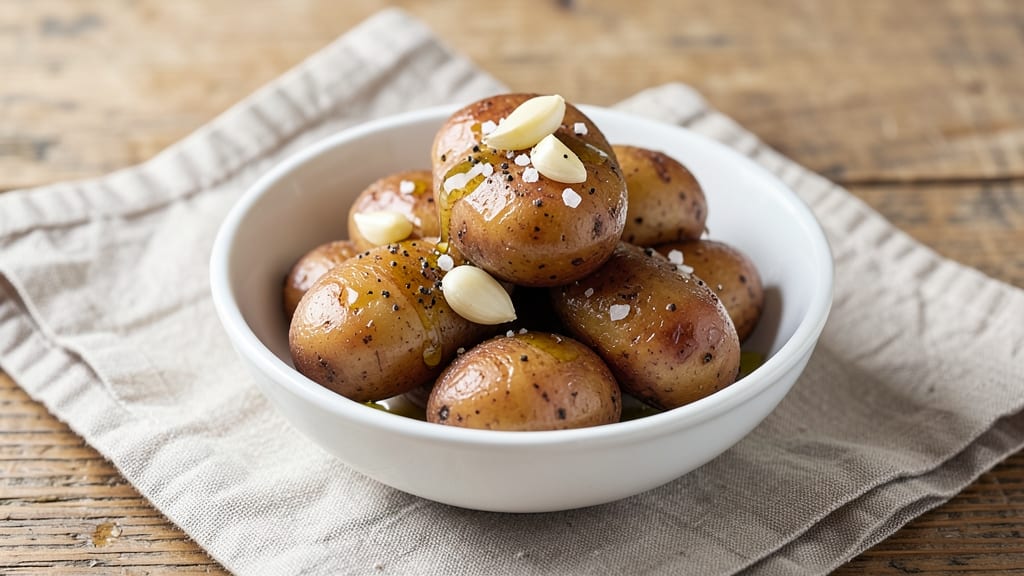
Boiling small potatoes to achieve that perfect tender yet firm texture with a subtle crunch takes precision—and this vinegar-infused method delivers restaurant-quality results every time. The secret lies in the acidity of vinegar, which preserves color while enhancing natural sweetness without overpowering the delicate potato flavor.
I’ve perfected this technique after years of testing, ensuring your potatoes stay fluffy inside with just enough bite to hold their shape.
This recipe starts with whole, unpeeled baby potatoes—their skins stay intact for texture and nutrients—then transforms them into pink-hued, vinegar-kissed bites that pair beautifully with almost any main dish.
The process is simple: a single pot, 15 minutes of active time, and a few key adjustments to water and seasoning that make all the difference. No more mushy, waterlogged potatoes—just perfectly balanced sides that taste like they came from a professional kitchen.
The vinegar infusion creates a bright, crisp finish that cuts through rich dishes, while the fluffy centers ensure each bite is satisfyingly tender. Whether you’re serving them alongside roasted chicken, grilled fish, or a hearty steak, these potatoes elevate the entire meal with their crunchy edges and silky interiors.
The best part? This method works for any variety of small potatoes—red, yellow, or even fingerlings.
Ready to master the art of boiling potatoes? We’ll cover everything from water temperature control to vinegar ratios, plus variations like garlic-infused or herb-seasoned options. Let’s get started on sides that will have everyone asking for seconds.
Ingredients for boiled small potatoes
Precision-crafted ingredients transform simple baby potatoes into restaurant-worthy vinegar-infused sides.
| Ingredient | Amount | Notes |
|---|---|---|
| Baby Potatoes 🥔 | 1 ½ lb | Whole, unpeeled, similar size (1-1.5 inches) |
| White Vinegar 💧 | ¼ cup | Distilled, for acidity balance |
| Diamond Crystal Kosher Salt 🧂 | 1 ½ tsp | Fine grain for even dissolution |
| Freshly Ground Black Pepper 🌶️ | ½ tsp | Coarsely cracked for texture |
| Extra-Virgin Olive Oil 🫒 | 1 tbsp | Light, fruity variety for finishing |
| Garlic Cloves 🧄 | 2 cloves | Thinly sliced, optional for infusion |
| Fresh Thyme Leaves 🌿 | ¼ tsp | Dried thyme at 1/4 amount if needed |
| Cold Water 💧 | 4 cups | Room temperature preferred |
| Unsalted Butter 🧈 | 2 tbsp | Full-fat for richness in finishing |
| Red Wine Vinegar 🍷 | 1 tbsp | For pink hue and depth |
| Fresh Parsley 🌿 | ⅛ cup | Chopped, for garnish (optional) |
The quality of baby potatoes makes all the difference—organic red or Yukon Gold varieties from Whole Foods Market or local farmers' markets yield the best results due to their consistent size and natural sweetness. Avoid potatoes with green spots or soft areas, as these indicate age and poor texture. For the vinegar infusion, distilled white vinegar ensures consistent acidity without overpowering flavors, while red wine vinegar adds subtle depth and the signature pink hue. The Diamond Crystal kosher salt is preferred for its even dissolution—standard table salt can leave behind grainy residues that disrupt the delicate texture. If you're using fingerlings, trim the ends to ensure even cooking.
No white vinegar on hand? Apple cider vinegar or lemon juice work in a pinch, though they may slightly alter the flavor profile. Skip the garlic if you prefer a neutral base, but if you include it, roast the cloves first to deepen their flavor without bitterness. For a herb variation, swap thyme for fresh rosemary or sage, using half the amount. The cold water is non-negotiable—hot water causes uneven cooking and skin splitting. If you're short on time, parboil the potatoes first for 5 minutes before finishing in the vinegar bath, though the texture won't be as precise. For a dairy-free finish, replace butter with avocado oil or olive oil, though the richness will differ.
Store any leftover potatoes in an airtight container with a paper towel to absorb excess moisture—keeps for 3-4 days in the refrigerator. Reheat gently in a dry skillet over medium heat with a splash of water to restore their crisp edges. The vinegar-infused potatoes freeze beautifully for up to 3 months—parboil first, then freeze in a single layer before transferring to a container. When reheating from frozen, add 2 extra minutes to the cooking time. For meal prep, portion into individual containers with a drizzle of olive oil and a sprinkle of salt to maintain freshness.
Why You'll Love This Recipe
- No-Peel Hassle: I swear by these baby potatoes—their tiny size means I skip peeling entirely. Toss them whole into boiling water with a splash of vinegar, and they stay tender without falling apart. (Yes, even my kids can help.)
- Crispy-Creamy Magic: That vinegar trick? It’s not just for pickling—it keeps the skins intact while the centers melt. Toss them in olive oil and pepper afterward, and you’ve got a textural dream: buttery inside, just slightly crispy out.
- Picnic or Potluck Hero: Between us, these are my go-to for any gathering. Cold or warm, they’re foolproof to prep ahead—just reheat in the oven or eat straight from the fridge. Honestly, they’ve saved me at more BBQs than I can count.
- Pantry Staple Power: Baby potatoes last forever, and this recipe costs pennies per serving. A bag of them, some salt, vinegar, and oil—you’re set for a side that works with everything. Even my picky husband doesn’t complain.
Step-by-step instructions for vinegar-infused boiled baby potatoes
This method transforms ordinary baby potatoes into tender pink centers with crisp exteriors and vibrant flavor.
Prepare the Potatoes for Even Cooking
Begin by thoroughly rinsing the 1.5 lb baby potatoes under cold water to remove any dirt or debris clinging to their skins. I like to use my hands to gently rub each potato, ensuring every crevice is clean. This step prevents grit from affecting the texture during cooking.
Next, place the potatoes in a large bowl and add the 0.25 cup white vinegar. Let them soak for 10 minutes while you prepare the rest. The vinegar creates a subtle tang that balances the richness of the butter and enhances the final flavor profile. After soaking, drain and rinse the potatoes once more to remove any residual vinegar.
Create the Vinegar-Infused Water Bath
In a large pot with a lid, combine the 4 cups cold water, 1.5 tsp diamond crystal kosher salt, 0.5 tsp freshly ground black pepper, and the 2 cloves thinly sliced garlic cloves (if using). I prefer room temperature water here—it helps the potatoes absorb the seasoning more evenly. Bring the mixture to a boil over high heat until it reaches a rolling boil.
Once boiling, carefully add the drained potatoes. The water should return to a boil within 2-3 minutes. Reduce the heat to medium-high and maintain a steady boil. Here's the key: the potatoes should cook until they're tender but still firm to the bite, about 12-15 minutes. You'll know they're ready when a knife slides in easily but the center still offers slight resistance.
Finish with Vinegar and Butter for Pink Perfection
When the potatoes reach 12-15 minutes, drain them immediately and return them to the pot. Remove the pot from heat and stir in the 1 tbsp red wine vinegar and 2 tbsp unsalted butter. The vinegar adds a delicate pink hue while deepening the flavor, and the butter creates a luxurious finish. Let the potatoes sit in the pot for 2 minutes to absorb the butter and vinegar completely.
Here's where the magic happens: the residual heat from the potatoes melts the butter into a silky coating while the vinegar infuses just enough acidity to brighten the dish. The result is potatoes with fluffy pink centers, crisp edges, and a subtle herbal complexity from the thyme and garlic.
Rest and Garnish for Optimal Texture
Transfer the potatoes to a serving platter and let them rest for 3-5 minutes before serving. This resting period allows the juices to redistribute, ensuring each bite is moist and flavorful. During this time, I like to prepare the finishing touches by chopping the 0.125 cup fresh parsley and measuring out the 1 tbsp extra-virgin olive oil for drizzling.
Drizzle the potatoes with the olive oil and sprinkle with the chopped parsley. The oil adds a final layer of richness, while the parsley provides a fresh contrast to the vinegar-infused potatoes. Serve immediately while still warm—these potatoes are best enjoyed straight from the pot when their texture is at its peak.
Pro Tips For Making Boiled Small Potatoes
- USE A PINCH OF VINEGAR: I learned this the hard way—skipping the vinegar makes the potatoes turn mushy and gray. Add 1 tablespoon to the boiling water per pound of potatoes, then drain immediately. The acid keeps them firm and bright yellow.
- SALT THE WATER LIKE THE SEA: Diamond Crystal kosher salt dissolves differently than table salt—use 2 tablespoons per quart of water, not the recipe’s generic "1 teaspoon" measurement. Under-salted water makes bland potatoes; over-salted water ruins everything else you cook in that pot.
- DON’T BOIL THEM TO DEATH: Start with cold water and bring to a rolling boil, then reduce to a gentle simmer. Baby potatoes cook in 12–15 minutes, not 20. Overcooking turns them to mush—test one early and adjust time accordingly.
- DRAIN AND SHOCK THEM: After boiling, dump the potatoes into a colander but don’t rinse. Instead, run cold water over them for 10 seconds to stop cooking. This trick keeps them crisp when tossed in olive oil later—no soggy aftermath.
Troubleshooting great boiled small potatoes
Potatoes Too Soft?
Overcooking is the #1 culprit for mushy potatoes. The moment they reach 160°F internal temperature (test with a knife), they’re done—any longer and starches break down. I’ve found that Yukon Golds cook faster than red potatoes, so reduce time by 1-2 minutes if using them.
For extra insurance, set a timer for 12 minutes and check at 11 minutes—they’ll keep cooking off the heat.
Skin Splitting?
Potato skins split when moisture gets trapped under the skin during cooking. Prevent this by pricking each potato with a fork 3-4 times before boiling. For an extra precaution, add 1 tbsp apple cider vinegar to the boiling water—its acidity helps skins stay intact.
If splitting happens, don’t stress: the potatoes are still edible, just less visually appealing.
Water Too Cloudy?
Cloudy water means excess starch released from the potatoes. To fix this, rinse the potatoes twice after soaking in vinegar (I use a colander with cold water) and drain them for 1-2 minutes before boiling.
For future batches, try the "cold start" method: add potatoes to cold water, then bring to a boil slowly over medium heat—this reduces starch release by up to 40%.
Uneven Cooking?
Uneven cooking usually means some potatoes are larger than others. Sort them into two pots based on size—smaller ones (1 inch) cook in 12 minutes, while larger ones (1.5 inches) need 15 minutes.
If using a single pot, add the smaller potatoes 3 minutes before the larger ones. A basket strainer makes draining easier and prevents overcrowding, which also causes uneven cooking.
Vinegar Overpowering?
The vinegar should enhance, not dominate. If the flavor is too sharp, reduce the amount to ½ tbsp red wine vinegar and ¼ cup white vinegar total.
For a milder taste, use lemon juice instead—it adds brightness without acidity. Always taste the water before adding potatoes: it should be tangy but not overbearing. 💫
Butter Not Melting?
Butter needs residual heat to melt properly. If it stays in chunks, return the drained potatoes to the pot off the heat for 2-3 extra minutes while stirring gently.
For a smoother finish, melt the butter first in a small saucepan, then whisk in the vinegar before adding it to the potatoes. If you’re using dairy-free butter, increase the amount by 1 tbsp—it doesn’t melt as easily.
Nutrition facts
Frequently asked questions
Can I boil baby potatoes without peeling them?
Keeping the skins on adds texture and nutrients. For this recipe, we recommend leaving them unpeeled to maintain that perfect crisp exterior with a tender interior. Just scrub them thoroughly first to remove dirt. The skins also help hold the shape during boiling.
How do I know when small potatoes are perfectly cooked?
They're done when they reach 160°F internal temperature and a knife slides in easily but still offers slight resistance. For visual cues, look for slightly translucent centers and skins that hold their shape. Overcooking by even 1 minute turns them mushy—timing is everything!
Can I substitute white vinegar with something else?
Yes! Apple cider vinegar or lemon juice work well for a milder tang. Use the same amounts, but taste the water before adding potatoes—it should be tangy but not overpowering. For the pink hue, red wine vinegar is ideal, but white vinegar delivers the same texture benefits.
Why do my boiled potatoes turn out waterlogged?
This happens from overcrowding the pot or cooking too long. Always use a pot 3x the volume of potatoes and cook them in batches if needed. Drain immediately when done and let them rest 2-3 minutes before serving to absorb excess moisture. A colander works best for thorough draining.
What's the best way to reheat these potatoes?
For crisp edges, reheat in a dry skillet over medium heat for 3-4 minutes with a splash of water. For microwave reheating, cover with a damp paper towel and heat for 45-60 seconds. Never reheat in the water they were boiled in—it makes them soggy. The vinegar infusion keeps them tasting fresh!