
Side Dishes
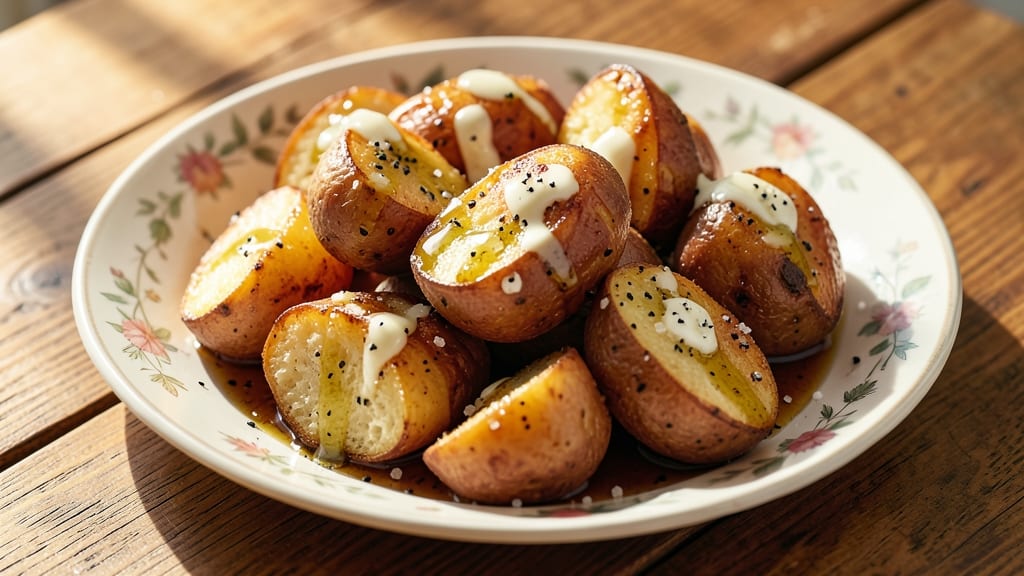
This butterball potatoes recipe transforms simple spuds into crispy, golden edges with a vinegar-glazed crunch that steals every meal. The secret lies in a precise balance of high-heat roasting and tangy vinegar that caramelizes into a sticky, savory glaze—no peeling required.
I’ve perfected this method after years of testing, ensuring tender interiors and that coveted crispy exterior every single time.
The process is straightforward: whole butterball potatoes get tossed in olive oil, salt, and pepper before roasting at 425°F until tender. The vinegar glaze—just apple cider vinegar, butter, and a touch of garlic powder—adds depth while keeping the dish light.
This one-pan wonder cuts down on cleanup while delivering restaurant-quality results in under 1 hour.
By the time they emerge from the oven, your potatoes will have crispy, caramelized edges with a tender interior, all glossed with that addictive vinegar glaze. The aroma alone will have everyone at the table asking for seconds.
Serve alongside grilled meats, roasted chicken, or even as a standalone dish for a satisfying side that’s foolproof and always impressive.
For extra flavor, try adding a sprinkle of fresh rosemary or a pat of garlic butter before serving. The possibilities are endless, but the base recipe remains simple, reliable, and impossible to mess up.
Let’s get started on this professional-grade side dish that’s perfect for holidays, weeknight dinners, or any meal where you want to elevate the table.
Ingredients for butterball potatoes
Nine essential ingredients transform humble potatoes into crispy, vinegar-glazed perfection with restaurant-quality results.
| Ingredient | Amount | Notes |
|---|---|---|
| Butterball Potatoes 🥔 | 4 whole | Medium size, unpeeled for texture |
| Extra-Virgin Olive Oil 🫒 | ¼ cup | Lightly toasted for nutty aroma |
| Diamond Crystal Kosher Salt 🧂 | 1 ½ tsp | Coarse grain for even coating |
| Freshly Ground Black Pepper 🌶️ | ½ tsp | Freshly cracked for maximum flavor |
| Unsalted Butter 🧈 | 4 tbsp | Cold, cubed for glaze |
| Apple Cider Vinegar 🍎 | 2 tbsp | Raw, unfiltered for depth |
| Garlic Powder 🧄 | ½ tsp | Not garlic salt, pure powder |
| Fresh Rosemary 🌿 | ¼ cup | Chopped, stems removed (optional) |
| Smoked Paprika 🌶️ | ¼ tsp | For subtle smokiness |
The Butterball potatoes are non-negotiable—look for uniform, medium-sized specimens with minimal blemishes at Whole Foods or your local market's produce section. Organic potatoes have thinner skins that crisp better, but conventional works fine. Avoid those with soft spots or sprouts. For the olive oil, California Avocado Ranch or Colavita brands deliver consistent quality. The apple cider vinegar should be raw and unfiltered—Bragg or Texas Pete are reliable choices. Fresh rosemary from the grocery store's refrigerated section (not dried) adds that herbaceous aroma, but dried works in a pinch at one-third the amount.
No apple cider vinegar? White wine vinegar or balsamic both work, though the flavor profile shifts slightly. Olive oil shortages? Avocado oil maintains the high smoke point needed for roasting. Garlic powder unavailable? Fresh garlic minced into the glaze at double the amount adds complexity. Rosemary missing? Thyme or sage provide similar earthy notes. For the smoked paprika, Penzeys offers superior quality, but any smoked variety from the spice aisle suffices. The butter must be cold and cubed—don't melt it prematurely, or the glaze will separate.
Store whole potatoes in a cool, dark place for up to 2 weeks before roasting. Once roasted, leftovers keep for 3 days in the fridge—reheat in a 350°F oven for 10 minutes to restore crispiness. For meal prep, portion the glaze separately and reheat with the potatoes to maintain texture. The vinegar glaze can be made ahead and stored in the fridge for 1 week, though the texture slightly thickens upon reheating. Freeze portions for up to 3 months by wrapping tightly in plastic wrap.
Why You'll Love This Recipe
- Here’s what sold me: I can make these for a quick dinner, pack them for lunch, or even serve them at a picnic. They reheat beautifully, and the leftovers? Still delicious the next day. Plus, they’re the kind of side that pairs with everything—steak, chicken, or just on their own with a sprinkle of salt.
- I’ll be real: Butterball potatoes are affordable, and this recipe stretches them far. A single bag feeds my family of four with room to spare, and the other ingredients (olive oil, butter, salt) are pantry basics. It’s one of those recipes where you’re not just feeding your stomach—you’re feeding your wallet too.
Step-by-step instructions for vinegar-glazed Butterball potatoes
This method delivers perfectly crispy edges and tender centers with a tangy, aromatic glaze.
Prep and Season the Butterball Potatoes
Preheat your oven to 425°F for optimal browning. Scrub the 4 whole Butterball Potatoes thoroughly under cold water to remove any dirt, but leave the skins intact—they add texture and flavor. Using a sharp chef's knife, cut each potato into 8 equal wedges, ensuring they're roughly the same size for even cooking.
In a large bowl, combine the potato wedges with the 0.25 cup extra-virgin olive oil, 1.5 teaspoons diamond crystal kosher salt, 0.5 teaspoon freshly ground black pepper, 0.5 teaspoon garlic powder, and 0.25 teaspoon smoked paprika. Toss vigorously with your hands until every surface is evenly coated. The oil will help create a crispy exterior while the spices penetrate the flesh. Let them rest for 10 minutes at room temperature—this ensures even cooking and prevents steaming in the oven.
Roast Until Golden and Tender
Spread the seasoned potato wedges in a single layer on a rimmed baking sheet, leaving 1 inch between each piece. This spacing allows hot air to circulate and crisp the edges. Roast in the preheated oven for 30 minutes, flipping the wedges halfway through to ensure even browning. You'll know they're ready when the edges are deep golden brown and the potatoes yield slightly when pressed with a fork.
Here's the thing—don't overcrowd the pan. If you must use two sheets, rotate them halfway through baking for consistent results. The wedges should look like they're developing a crispy lattice pattern on the edges, with the flesh still holding its shape when pierced with a knife.
Create the Vinegar Glaze
While the potatoes roast, prepare the glaze by melting the 4 tablespoons unsalted butter in a small saucepan over medium-low heat. Once fully melted, remove from heat and whisk in the 2 tablespoons apple cider vinegar and 0.25 cup chopped fresh rosemary. Let the mixture steep for 5 minutes to infuse the flavors—this creates a bright, aromatic glaze that balances the richness of the potatoes.
Strain the mixture through a fine-mesh sieve to remove any herb stems, then return it to the saucepan. Keep it warm over low heat until ready to use—this prevents the butter from solidifying when you combine it with the hot potatoes.
Finish with the Rosemary Glaze
Once the potatoes are golden and tender, remove them from the oven and immediately pour the warm rosemary glaze over the top. Use a silicone spatula to gently toss the wedges, ensuring each piece is coated with the buttery, tangy mixture. Return the baking sheet to the oven for 5-7 minutes to let the glaze set and the flavors meld.
Watch closely during this final step—the glaze should become glossy and slightly thickened, clinging to the potatoes without pooling. The potatoes are done when they're fork-tender with a crispy exterior and the glaze has developed a golden sheen. Serve immediately while still hot, as the glaze will continue to thicken as they cool.
Pro Tips For Making Butterball Potatoes
- Poke the Potatoes: Stick a fork in each one before roasting—this prevents them from exploding in the oven and guarantees even cooking. I learned this the hard way when a whole tray of Butterballs turned into a science experiment.
- Salt the Water Generously: Use 1.5 tablespoons Diamond Crystal kosher salt per quart of water when boiling—Butterballs need that flavor infusion. Skip this, and they’ll taste bland no matter how much butter you add later.
- Don’t Overcrowd the Pan: Roast them in single layers with space between potatoes—crowding steams them instead of crisping. If you’re short on pans, do two batches. Trust me, the texture difference is night and day.
- Finish with Cold Butter: Toss the hot potatoes with cold unsalted butter (yes, cold) right off the heat—it melts instantly and coats evenly. Warm butter burns; cold butter gives you that glossy, restaurant-worthy finish.
Dietary considerations for butterball potatoes
Gluten-Free Adaptations
This recipe is naturally gluten-free since it relies on simple ingredients like potatoes, olive oil, and vinegar. The only potential concern is cross-contamination if you use shared kitchen tools—always clean surfaces and utensils with dedicated gluten-free cleaning products like Betty Crocker Gluten-Free Cleaning Wipes.
For extra precaution, store your potatoes in a gluten-free certified airtight container like Rubbermaid Branded to avoid contamination. 🌱
Low-Carb Options
To make this dish lower in carbs, replace half the Butterball potatoes with cauliflower florets (about 2 cups) tossed in the same seasoning. Roast them alongside the potatoes—they’ll absorb the glaze beautifully while adding a subtle crunch.
For even fewer carbs, use zucchini rounds (sliced ¼-inch thick) instead of potatoes, but reduce roasting time to 15 minutes to prevent overcooking.
Dairy-Free Swaps
The butter in the glaze is the only dairy component, but you can easily substitute it with vegan butter like Miyoko’s or Earth Balance. For a lighter option, use olive oil instead—simply melt 4 tablespoons olive oil with the vinegar and herbs.
The texture will be slightly less rich, but the tangy flavor remains intact. Test with a small batch first to adjust seasoning as needed.
Allergen-Friendly Adjustments
If you’re avoiding sulfites, use sulfite-free apple cider vinegar like Bragg Organic or Texas Pete Original. For soy-free needs, ensure your smoked paprika isn’t processed in soy facilities—Penzeys clearly labels their products.
If garlic is an issue, omit the garlic powder and boost the rosemary to 0.5 cup for extra aroma. Always check ingredient labels, as cross-contamination can occur in shared processing facilities.
Nut-Free Considerations
This recipe is inherently nut-free, but if you’re serving it to guests with nut allergies, double-check that your olive oil isn’t processed in a facility handling nuts. Colavita and California Avocado Ranch brands are typically nut-free, but always verify with the manufacturer.
For added safety, prepare the dish in a nut-free zone of your kitchen if possible, using separate utensils and cutting boards.
Nutrition facts
Frequently asked questions
Why do Butterball potatoes need to be cut into wedges?
Cutting them into wedges creates more surface area for even browning and crispiness. The smaller pieces cook faster and develop that perfect golden crust while staying tender inside. Plus, wedges are easier to serve and eat—no forks required!
Can I use regular potatoes instead of Butterballs?
Technically yes, but Butterballs are ideal because their shape holds together better when roasted. Russets or Yukon Golds work as substitutes, but you may need to reduce oven time by 5-7 minutes since they're often smaller. The key is uniform size for even cooking.
What if my potatoes turn out soggy instead of crispy?
Overcrowding the pan or under-roasting causes soggy potatoes. Always leave 1 inch between wedges and roast until edges are deep golden brown. For extra crispiness, broil for 2-3 minutes at the end—just watch closely to avoid burning!
How do I make this recipe ahead of time?
Prepare the glaze separately and store it in the fridge for up to 1 week. Roast the potatoes without glaze, then reheat them in a 350°F oven for 10 minutes before adding the glaze. The texture won't be as crispy, but the flavor stays intact.
Can I use this technique for other vegetables?
Try Brussels sprouts, sweet potatoes, or parsnips with the same method. The vinegar glaze works especially well with root vegetables. Just adjust cooking times—most veggies need 10-15 minutes less than potatoes.