
Side Dishes
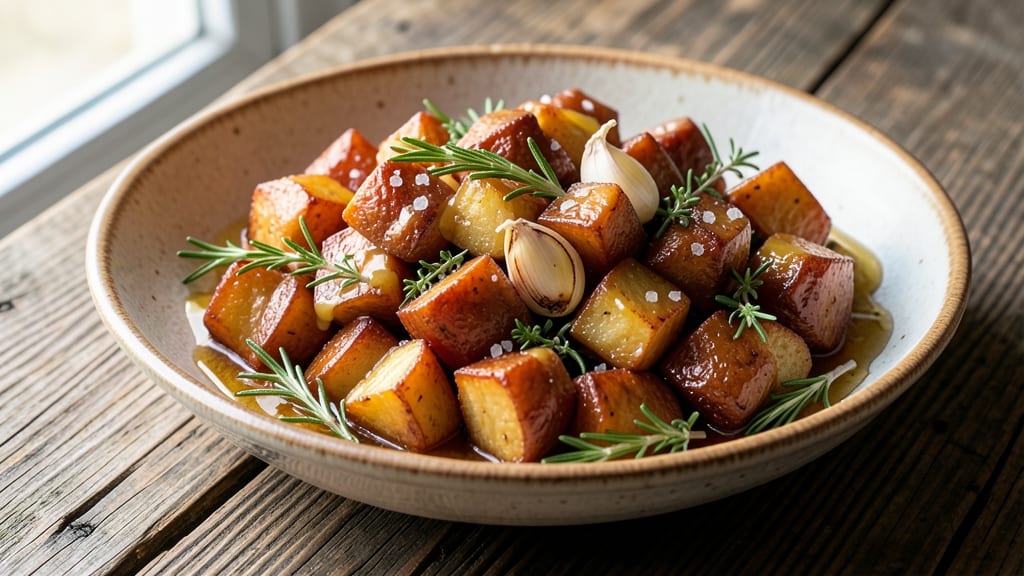
This buttered potatoes recipe transforms simple spuds into a herb-infused roast with crispy vinegar-kissed edges that steal every meal. The secret lies in boiling them until tender, then roasting until golden—where butter, garlic, and herbs work together to create a side dish so flavorful, it becomes the star.
I developed this method after years of perfecting restaurant-quality textures at home, and the results are worth every minute.
What sets this recipe apart is the balance of techniques: boiling ensures even cooking while roasting develops that coveted crispy exterior. A splash of vinegar in the butter creates a tangy contrast that cuts through richness, while fresh herbs add brightness.
The process takes about 45 minutes total, but the flavor development happens in those final roasting minutes where the edges caramelize and the aromas intensify.
By the time you serve these potatoes, you’ll have a dish that’s crispy on the outside, tender within, and infused with layers of buttery, herby goodness. The vinegar-kissed edges add a subtle tang that elevates the richness, making each bite more satisfying than the last.
This is the kind of side that turns ordinary meals into special occasions—simple to prepare but impossible to resist.
The beauty of this recipe is its versatility. Use it as a classic side for roasts, steaks, or holiday dinners, or serve it alongside grilled meats for a restaurant-worthy meal.
The method scales perfectly for any gathering size, and the flavors only improve with leftovers. Let’s get cooking—your taste buds will thank you.
Ingredients for buttered potatoes
Nine essential ingredients create restaurant-quality buttery potatoes with crispy vinegar-kissed edges.
| Ingredient | Amount | Notes |
|---|---|---|
| Russet Potatoes 🥔 | 2 lb | Medium-sized, cut into even chunks |
| Unsalted Butter 🧈 | ½ cup | Cold, cubed for even coating |
| Fresh Rosemary 🌿 | ¼ cup | Finely chopped, stems removed |
| Fresh Thyme 🌿 | 0.2 cup | Leaves only, finely chopped |
| Garlic Cloves 🧄 | 4 cloves | Minced for even distribution |
| White Wine Vinegar 🍶 | 1 tbsp | For tangy crispy edges |
| Diamond Crystal Kosher Salt 🧂 | 1 ½ tsp | For boiling and seasoning |
| Ground Black Pepper 🌶️ | ½ tsp | Freshly cracked for aroma |
| Extra-Virgin Olive Oil 🫒 | 1 tbsp | For drizzling post-roast |
| Fresh Parsley 🌿 | 0.1 cup | Chopped, for garnish |
The potatoes are the foundation—Russet potatoes are ideal for their high starch content and even texture. Buy them from a specialty grocer like Whole Foods for consistent quality, or check the organic section at Trader Joe's for reliable freshness. Cut them into uniform 1.5-inch cubes so they cook evenly. The herbs should be fresh: rosemary and thyme from the market's produce section will have more vibrant flavor than dried. For garlic, peel and mince fresh cloves—jarred minced garlic lacks the aromatic punch needed here.
No fresh rosemary? Dried rosemary at one-third the amount works, but the texture won't be as refined. Substitute white wine vinegar with lemon juice for a brighter tang, though the crispy edges may be slightly less pronounced. The butter must be cold and cubed—softened butter won't create those coveted crispy edges. For a dairy-free option, use vegan butter or coconut oil, though the flavor profile will differ. The olive oil should be extra-virgin—cheaper oils can taste bitter when roasted. If you're prepping ahead, store the chopped potatoes in cold water until boiling to prevent oxidation.
These potatoes reheat beautifully—450°F oven for 10-15 minutes restores their crispy edges. Store leftovers in an airtight container for up to 5 days, though they're best enjoyed within 2 days for peak texture. For large gatherings, double the recipe—the method scales perfectly. The vinegar-kissed edges develop during the final roasting phase, so don't skip the high-heat finish. Garnish with fresh parsley just before serving to maintain vibrant color.
Why You'll Love This Recipe
- One-Pot Magic: I swear by this—just toss everything in one pan, cover it, and walk away. The potatoes steam in their own juices while the butter melts into golden perfection, and honestly? That’s my kind of cooking.
- Herb-Infused Gold: The rosemary and thyme turn ordinary butter into something ridiculously good. You’re not just eating potatoes—you’re getting that crispy, garlicky, herby punch that makes every bite feel like a little celebration.
- Weeknight & Holiday: Between us, these work for everything. Toss them on the table for a quick weeknight dinner, or serve them at Thanksgiving when you’re drowning in sides. Same recipe, zero stress.
- Budget-Friendly Luxury: Russets are cheap, butter makes it feel fancy, and leftovers reheat like a dream. I’ve fed a crowd for under $10 and still had seconds. That’s the kind of smart cooking I love.
Step-by-step instructions for herb-infused roasted potatoes
Here's the method for achieving perfectly crispy edges and tender interiors with aromatic herbs.
Prepare and Parboil the Potatoes
Begin by cutting the 2 lb russet potatoes into even 1½-inch chunks—this ensures uniform cooking. Place them in a large pot and cover with cold water by about 2 inches. Add 1.5 tsp diamond crystal kosher salt and bring to a boil over high heat. Once boiling vigorously, reduce to a gentle simmer and cook for 8-10 minutes until the edges are slightly translucent but still firm when pierced with a knife.
This parboiling step is crucial—it jumpstarts the cooking process and prevents uneven doneness in the oven. Drain the potatoes thoroughly in a colander, then return them to the pot. Here's where the herb magic begins: Toss the hot potatoes with the 0.25 cup finely chopped fresh rosemary, 0.2 cup finely chopped fresh thyme, and 4 cloves minced garlic cloves. The residual heat will help the aromatics cling to the potato surfaces, infusing them with flavor during the roasting process.
Cube and Toss with Cold Butter
While the potatoes are still warm from the parboiling, transfer them to a large mixing bowl. Add the 0.5 cup cold, cubed unsalted butter and toss vigorously with your hands or a silicone spatula until every potato piece is evenly coated. The contrast between the warm potatoes and cold butter creates steam that helps distribute the butter evenly and promotes crispiness.
This is where the texture transformation begins. The butter will melt slightly from the residual heat, creating a thin coating that will brown beautifully in the oven. Don't skip this step—it's what gives these potatoes their signature buttery richness and crisp edges. If you're concerned about the butter melting too much, you can chill the potatoes for 10 minutes before adding it, but I've found the immediate tossing works perfectly.
Roast Until Golden and Crisp
Preheat your oven to 425°F. Line two large baking sheets with parchment paper for easy cleanup. Spread the buttered potatoes in a single layer on the prepared sheets, leaving about ½-inch space between each piece. This spacing is essential for even browning and crisping. Roast for 35-40 minutes, stirring the potatoes once halfway through the cooking time, until they're golden brown with crisp edges.
Watch for the telltale signs of doneness: the edges should be deep golden brown with some areas developing crispy spots, while the centers should still have a slight resistance when pierced with a fork. The white wine vinegar comes into play at the 30-minute mark—sprinkle the 1 tbsp white wine vinegar evenly over the potatoes. The acidity will react with the sugars in the potatoes, enhancing the crispiness and adding a subtle tangy brightness to balance the richness.
Finish with Olive Oil and Fresh Herbs
Once the potatoes reach golden perfection, remove them from the oven and immediately drizzle with 1 tbsp extra-virgin olive oil. Toss gently to coat, then sprinkle with the 0.1 cup chopped fresh parsley. The olive oil adds one final layer of richness and helps maintain the crisp texture while the parsley provides a fresh contrast to the roasted flavors. Let the potatoes rest for 5 minutes before serving—this allows the juices to redistribute and the crisp edges to set.
Serve immediately while still warm. The potatoes should have a beautiful contrast of crispy, vinegar-kissed edges with tender, buttery interiors infused with aromatic herbs. Each bite should deliver that perfect balance of textures and flavors we're after—rich, crisp, and herbaceous all at once. The key to success lies in the precise timing of the parboiling, the even butter distribution, and that crucial vinegar finishing touch.
Pro Tips For Making Buttered Potatoes
- Boil Until Fork-Tender: Russets stay dry and gummy if you rush them—test with a fork after 12-15 minutes in salted boiling water. They should slide off easily, not fight you like a stubborn guest at a dinner party.
- Chop Garlic Like a Pro: Smash whole garlic cloves with the flat side of your knife first, then slice thinly. This releases more flavor without burning, and you won’t end up with bitter, overcooked bits in your butter.
- Don’t Crowd the Pan: If you pile potatoes too tightly, they’ll steam instead of crisp. Spread them in a single layer and let them sizzle—even if it takes two batches. Trust me, the wait is worth the golden crust.
- Season Butter with Salt: Unsalted butter needs salt to shine. Melt it with a pinch of flaky sea salt first, then fold in herbs. This balances the richness and cuts through the earthy potato flavor better than adding salt later.
Perfect pairings for buttered potatoes
Herb-Infused Roast Pairings
These vinegar-kissed potatoes shine alongside herb-crusted meats like rosemary garlic chicken or thyme-infused pork tenderloin. The shared rosemary and thyme create a cohesive flavor bridge, while the crispy edges contrast beautifully with tender, juicy proteins.
I often pair them with pan-seared ribeye—the buttery richness of the potatoes complements the beef's caramelized crust. 🌿
Classic Holiday Complements
For Thanksgiving or Christmas, serve these potatoes alongside garlic mashed potatoes for a showstopping duo. The crispy vinegar edges cut through the creamy texture, while both dishes share fresh herbs.
Add roasted Brussels sprouts with bacon for a complete, restaurant-worthy side spread. The acidity in the vinegar also balances rich gravies perfectly.
Bright Vegetable Contrasts
Add charred asparagus or roasted green beans to introduce fresh, crisp textures. The green beans' slight bitterness contrasts the potatoes' buttery sweetness, while asparagus adds an earthy depth.
Toss both with lemon zest and toasted almonds for extra crunch. I love this combo with grilled salmon for a lighter, spring-inspired meal.
Cheese Course Elevation
Turn these potatoes into a warm cheese course by topping with aged cheddar and crispy pancetta. The vinegar-kissed edges prevent the cheese from becoming too heavy, while the pancetta adds salty crunch.
Garnish with microgreens for a gourmet touch. This works beautifully as a pre-dinner bite or light lunch option.
Beverage Pairings
A crisp Sauvignon Blanc from New Zealand cuts through the butter's richness with its citrus notes, while a dry Riesling enhances the vinegar's brightness. For beer lovers, a Belgian witbier with its coriander and citrus flavors provides a refreshing contrast.
I also enjoy a smoky mezcal cocktail with lime for a bold, unexpected pairing that highlights the potatoes' depth. 🍷
Global Flavor Twists
For a Mediterranean twist, add sun-dried tomatoes and feta cheese during the final roast. The tangy tomatoes complement the vinegar, while feta adds salty creaminess. In Mexican-inspired dishes, swap the herbs for cilantro and cumin, then top with avocado slices and lime zest.
Both versions work perfectly alongside grilled fajitas or tacos.
Nutrition facts
Frequently asked questions
Why do these potatoes need parboiling before roasting?
Parboiling creates even cooking and prevents uneven doneness in the oven. The 8-10 minute boil jumpstarts the cooking process while keeping the centers tender. When roasted, the edges crisp perfectly without drying out the inside. This two-step method is the secret to restaurant-quality texture!
Can I make this recipe without fresh herbs?
Yes! Use 1 tbsp dried rosemary and 1 tsp dried thyme instead of fresh. Toast the dried herbs in a dry pan for 30 seconds to intensify their flavor before mixing with the potatoes. The texture won't be as refined, but the aroma will still shine through.
What if my potatoes turn out soggy instead of crispy?
Soggy potatoes usually mean overcrowding or insufficient drying after boiling. Spread them in a single layer on baking sheets with ½-inch spacing, and pat them completely dry with a kitchen towel before roasting. The vinegar helps crispiness, but proper airflow is key!
How do I reheat these potatoes without losing crispiness?
Reheat at 450°F for 10-15 minutes on a baking sheet until edges are crisp again. For extra crunch, broil for 1-2 minutes at the end. Avoid microwaving—they'll turn gummy. The vinegar-kissed edges need dry heat to revive!