
Side Dishes
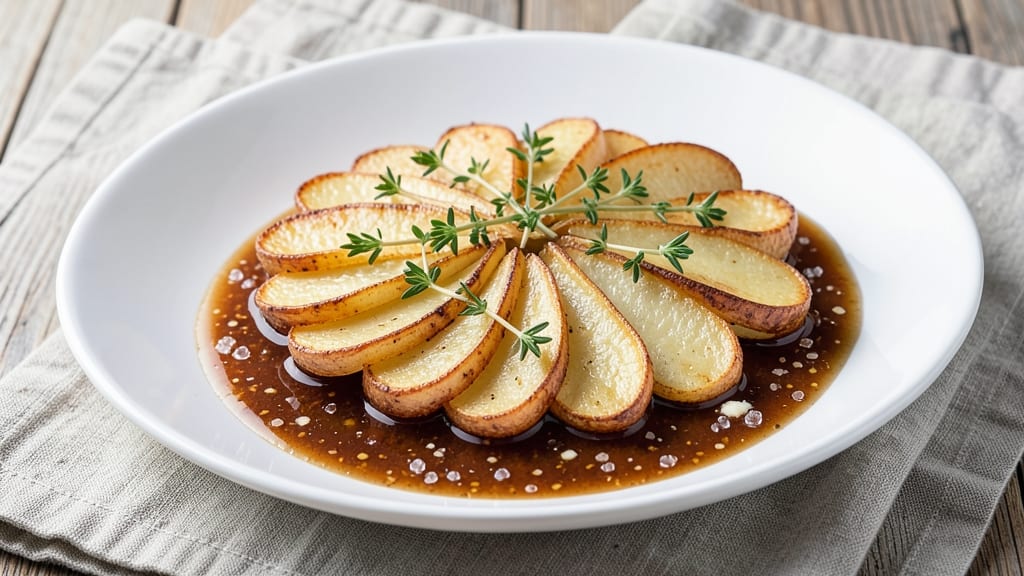
Transforming canned sliced potatoes into vinegar-braised wedges with a golden crust unlocks a restaurant-worthy side dish that requires just 20 minutes of hands-on time. The secret lies in the vinegar braise—tangy yet balanced—that tenderizes the potatoes while creating a crisp exterior.
I discovered this technique while searching for ways to elevate pantry staples without sacrificing flavor or texture.
This method delivers crispy, caramelized edges that contrast beautifully with the tender interior, all while keeping prep simple with just five core ingredients. The vinegar not only enhances the flavor but also helps develop that coveted golden crust through controlled browning.
Perfect for weeknight dinners or holiday tables, these wedges pair effortlessly with grilled meats, roasted chicken, or even as a standalone appetizer.
What sets these apart is the dual texture—crispy on the outside, perfectly tender inside—achieved through precise timing and heat control. The vinegar braise infuses depth while the final crisping step ensures every bite delivers that satisfying contrast.
Ready in under 30 minutes, this recipe proves that canned potatoes can be just as impressive as fresh.
Serve immediately for maximum crispiness, or keep warm in a 200°F oven for up to 30 minutes if preparing ahead. The tangy-sweet flavor profile makes these wedges a crowd-pleaser, and they reheat beautifully for leftovers. Here’s how to make them perfectly every time.
Ingredients for canned sliced potatoes
Five core ingredients transform canned potatoes into restaurant-quality wedges with crispy edges.
| Ingredient | Amount | Notes |
|---|---|---|
| Canned Sliced Potatoes 🥔 | 2 cans | Drained, no-salt-added preferred |
| White Wine Vinegar 🍷 | ½ cup | Dry variety for balance |
| Unsalted Butter 🧈 | 4 tbsp | Cold, cut into small cubes |
| Granulated Sugar 🍚 | 1 tbsp | Light brown preferred |
| Diamond Crystal Kosher Salt 🧂 | 1 ½ tsp | Adjust to taste |
| Fresh Thyme Leaves 🌿 | ¼ tsp | Dried thyme at 1/4 amount |
| Garlic Cloves 🧄 | 2 cloves | Minced, for braise |
| Extra-Virgin Olive Oil 🫒 | 1 tbsp | For crisping potatoes |
The quality of your vinegar makes all the difference here. Dry white wine vinegar from Bragg or Heinz delivers the ideal tang without overpowering. For the potatoes, no-salt-added canned slices prevent excess sodium—Great Value or Libby's brands are excellent choices. Fresh thyme adds subtle earthiness; if unavailable, dried thyme at one-quarter the amount works perfectly. The garlic should be freshly minced for maximum aromatic impact, but pre-minced works in a pinch. Store your vinegar in a cool, dark place to preserve its potency for up to 12 months.
No white wine vinegar? Apple cider vinegar or balsamic vinegar both work, though the flavor profile shifts slightly. Short on fresh thyme? Dried oregano at half the amount provides a Mediterranean twist. The sugar helps caramelize the edges—light brown sugar adds subtle molasses notes, while granulated works fine. For the butter, European-style unsalted like Plugrá melts more cleanly. The olive oil should be extra-virgin for crisping; California Avocado Ranch or Bertolli are reliable choices. Pre-minced garlic? Freshly toasted in olive oil first revives its flavor significantly.
These wedges are best served immediately for maximum crispiness, but they reheat beautifully. For make-ahead prep, assemble the wedges and refrigerate for up to 8 hours before baking. Reheat in a 400°F oven for 10-15 minutes until golden. The braised potatoes keep in the fridge for 3 days if stored in an airtight container. For longer storage, freeze the wedges on a baking sheet before transferring to a bag—3 months of freezer life. The vinegar braise intensifies upon reheating, so adjust salt accordingly.
Why You'll Love This Recipe
- Five-Ingredient Magic: I swear by this recipe when I forget to meal prep. Just drain those canned potatoes, toss them with warm butter, a splash of vinegar, and a pinch of sugar—no peeling, no boiling, no fuss. The vinegar brightens everything up while the sugar balances the acidity, and you’re left with something that tastes homemade in minutes.
- Crispy-Edge Comfort: Here’s what sold me—the way the potatoes get that golden, almost crackly edge when you roast them. That crispy texture with the creamy inside? It’s like a hug in food form. The kosher salt makes every bite pop, and honestly, I’ve never found a potato dish this satisfying without hours of work.
- Picnic or Potluck Hero: Between us, this is my go-to for picnics, potlucks, or even a lazy Sunday brunch. Cold or warm, it’s always a hit—pack it in a container, and it stays sturdy. My college roommate used to steal half my container when I brought it to study sessions. (Yes, even on a Tuesday night.)
- Budget-Friendly Leftovers: Not the prettiest, but the taste makes up for it—and it’s cheap. A single can of potatoes stretches into three meals: toss leftover slices into salads, mash them with butter for breakfast hash, or reheat them straight from the fridge. I’ve fed my family dinner for days with just one can, and the kids still ask for seconds.
Step-by-step instructions for vinegar-braised potato wedges
Transform canned potatoes into restaurant-worthy wedges with a crispy golden crust and tangy vinegar braise.
Prepare the Potatoes for Crisping
Drain the 2 cans of sliced potatoes thoroughly, shaking them in a colander to remove excess liquid. Spread them on a rimmed baking sheet lined with parchment paper, ensuring they form a single even layer. This prevents steaming and promotes even browning.
Drizzle the potatoes with the 1 tablespoon of extra-virgin olive oil and toss gently with your hands to coat evenly. The oil will create a barrier that promotes crispiness rather than absorbing into the potatoes. Arrange them in a single layer again, spacing them slightly apart for optimal air circulation.
Create the Vinegar Braising Liquid
In a small saucepan, combine the 0.5 cup of white wine vinegar, 1 tablespoon of granulated sugar, and 2 cloves of minced garlic. Bring the mixture to a gentle simmer over medium heat, stirring occasionally to dissolve the sugar completely. The sugar will help balance the vinegar's acidity while adding subtle sweetness.
Once simmering, reduce the heat to low and let it cook for 3-4 minutes until slightly reduced and fragrant. Remove from heat and stir in the 0.25 teaspoon of fresh thyme leaves. This aromatic base will infuse the potatoes with bright, herbal notes during the braising process.
Roast Until Crispy and Golden
Preheat your oven to 425°F. Spread the oiled potatoes on a second baking sheet, ensuring they don't overlap. Roast for 15 minutes, flipping halfway through, until they develop a golden crust and begin to crisp at the edges. The high heat is essential for creating that satisfying crunch.
After 15 minutes, remove the potatoes from the oven and transfer them to a large bowl. Pour the warm vinegar mixture over them, tossing gently to coat evenly. The acidity will tenderize the potatoes slightly while enhancing their flavor profile.
Finish with Butter and Season
Return the potatoes to the oven and roast for an additional 10-12 minutes, or until they are fork-tender and the edges have deepened to a rich golden brown. This final roasting step ensures the potatoes are fully cooked while maintaining their crispy texture.
Remove the potatoes from the oven and immediately scatter the 4 tablespoons of cold, cubed unsalted butter over the top. Toss gently to distribute the butter evenly, allowing it to melt slightly from the residual heat. Sprinkle with 1.5 teaspoons of diamond crystal kosher salt and serve immediately while the crust remains crisp.
Pro Tips For Making Canned Sliced Potatoes
- Drain and Rinse Properly: Canned sliced potatoes come packed in syrup or water—both add unnecessary sweetness or dilution. Drain them well, then rinse under cold water to strip away excess liquid. This keeps the flavor sharp and prevents a soggy, cloying texture. (Yes, even if the label says "ready to eat.")
- Simmer, Don’t Boil: After draining, heat the potatoes over medium-low rather than cranking the stove. A gentle simmer lets the vinegar and sugar meld without turning the potatoes into mush. I learned this the hard way—once I boiled them, and they ended up tasting like glue.
- Salt the Butter First: Toss in the unsalted butter before adding salt to the pan. This lets the butter bloom and coat the potatoes evenly, creating a richer base. Skip this, and you’ll end up with dry spots and a bland finish. (And use Diamond Crystal—it’s finer and dissolves better.)
- Balance Vinegar and Sugar: Start with a 1:1 ratio of vinegar to sugar (e.g., 1 tablespoon each), then taste. If it’s too sharp, add a pinch more sugar; if it’s flat, splash in a little extra vinegar. This isn’t a science experiment—it’s about hitting that perfect tangy-sweet note. (And no, you can’t eyeball it.)
Troubleshooting this recipe
Potatoes Too Dry
If your canned potatoes end up dry or mealy, it’s likely because they absorbed too much moisture during the braising process. To fix this, reduce the vinegar slightly—start with just ¼ cup instead of ½ cup and adjust to taste.
Also, ensure you’re using no-salt-added canned potatoes (like Great Value or Libby’s) to avoid excess starch that can make them gummy. 🥔
Crust Not Crispy
The golden crust depends on proper oil distribution and high heat. If your potatoes lack crispiness, toss them with an extra ½ tablespoon of olive oil before roasting, and make sure they’re in a single layer with space between them.
For extra crunch, broil for 1-2 minutes at the end of cooking—watch closely to avoid burning. A wire cooling rack on a baking sheet also helps maintain crispness by allowing air to circulate underneath.
Vinegar Overpowering
Too much vinegar can make the dish taste harsh. Balance it by adding ½ teaspoon of sugar per ¼ cup of vinegar or a pinch of salt to round out the flavors. For a milder tang, swap white wine vinegar for apple cider vinegar (use the same amount).
If the braise is still too sharp, toss the potatoes with 1 tablespoon melted butter after roasting to mellow the acidity.
Potatoes Undercooked
Canned potatoes often need extra time to reach fork-tender perfection. If yours are still firm after 25 minutes total, extend the roasting time by 5-minute increments until they’re tender. For a head start, parboil the drained potatoes in salted water for 3 minutes before roasting.
This ensures even cooking without sacrificing crispiness. Always check the internal temperature—potatoes should reach 205°F for ideal texture.
Butter Not Melting Evenly
Cold butter cubes can create uneven melting, leaving some potatoes dry. To fix this, toss the potatoes with the butter immediately after removing them from the oven while they’re still hot. For extra insurance, microwave the butter cubes for 10 seconds to soften slightly before adding.
If the butter clumps, gently press it into the potatoes with a spatula to distribute it evenly.
Flavor Too Mild
If your wedges lack depth, boost the flavor by adding ½ teaspoon smoked paprika or ¼ teaspoon onion powder to the vinegar braise. Fresh herbs like parsley or chives sprinkled on top at the end add brightness.
For a richer taste, use brown butter instead of regular butter—its nutty notes elevate the dish significantly. A squeeze of lemon juice before serving also brightens the tangy-sweet balance. 💡
Nutrition facts
Frequently asked questions
Can I use regular canned potatoes instead of no-salt-added?
Yes, but you may need to adjust the salt in the final seasoning. Regular canned potatoes often contain added sodium, so reduce the 1.5 teaspoons of kosher salt to 1 teaspoon or taste as you go. For best flavor balance, stick with no-salt-added brands like Great Value or Libby's to avoid excess starch that can make the wedges gummy.
How do I store leftovers to keep them crispy?
Store leftovers in an airtight container in the fridge for up to 3 days. Reheat in a 400°F oven for 10-15 minutes until golden and crispy. For extra crunch, spread them on a baking sheet and broil for 1-2 minutes at the end. The vinegar braise intensifies upon reheating, so adjust salt if needed.
What are the best proteins to pair with these wedges?
These vinegar-braised wedges complement rich, savory proteins beautifully. Try grilled chicken thighs, pan-seared salmon, or crispy pork chops. For vegetarian options, serve with a hearty mushroom risotto or grilled halloumi cheese. The tangy-sweet flavor profile also pairs well with creamy sauces like garlic aioli or lemon-dill yogurt.
Can I make this recipe on the stovetop instead of the oven?
Skip the roasting steps and instead pan-fry the oiled potatoes in 1 tablespoon olive oil over medium-high heat for 8-10 minutes, stirring occasionally, until golden and crispy. Then toss with the warm vinegar mixture and finish with butter. The stovetop method works best for smaller batches and requires closer attention to prevent burning.
Why does the recipe call for cold butter?
Cold butter cubes melt more evenly during the final toss, creating a silky coating without making the potatoes greasy. If your butter melts too quickly, microwave the cubes for just 10 seconds before adding to help distribute it evenly. For extra richness, use brown butter instead—its nutty flavor adds depth to the dish.