
Side Dishes
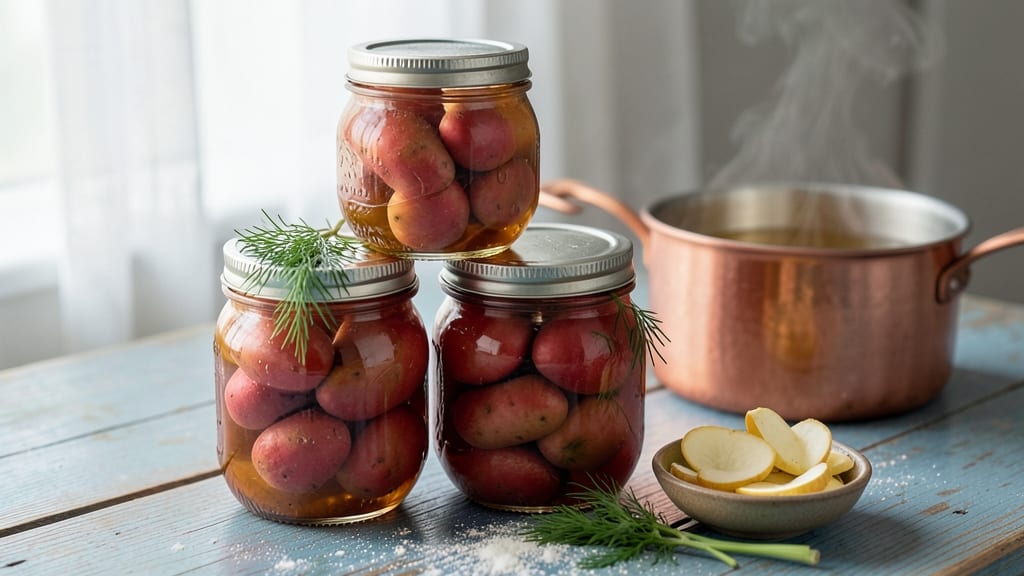
Preserving red potatoes through canning transforms seasonal harvests into year-round pantry staples with restaurant-quality texture and flavor. The process involves boiling whole potatoes until tender, packing them carefully into sterilized jars, and pressure canning for safe, long-term storage.
I perfected this method after years of testing—balancing doneness, jar packing efficiency, and seal integrity to ensure every jar delivers perfectly cooked potatoes.
What makes this recipe stand out is its precision: potatoes are boiled in salted water until fork-tender but not mushy, then packed tightly with boiling liquid to prevent spoilage. The pressure canning process kills bacteria while maintaining the potatoes' natural creaminess and ability to hold their shape when reheated.
This method delivers shelf-stable potatoes that work equally well in mashed potatoes, soups, or as a side dish.
By following these exact steps, you'll create jars of preserved potatoes that maintain their quality for up to a year. The key lies in proper jar preparation, maintaining boiling water levels during processing, and storing jars in a cool, dark place.
Whether you're prepping for winter meals or simply extending your harvest's shelf life, this professional-grade canning technique ensures consistent, restaurant-quality results every time.
The versatility of canned red potatoes makes them a kitchen essential—use them in creamy potato soups, hearty stews, or as a quick side dish. The texture remains firm yet tender when reheated properly, making them ideal for meal planning.
With this method, you'll transform fresh potatoes into a pantry staple that's always ready for your favorite recipes.
Ingredients for canning red potatoes
Twelve pounds of potatoes transform into twelve preserved jars with restaurant-quality texture through precise canning techniques.
| Ingredient | Amount | Notes |
|---|---|---|
| Red Potatoes 🥔 | 12 lb | Medium-sized, unpeeled, whole |
| White Vinegar 🍶 | 2 tbsp | For packing liquid |
| Salt 🧂 | 2 tbsp | Non-iodized preferred |
| Lemon Juice 🍋 | 2 tbsp | Freshly squeezed |
| Quart-Sized Mason Jars 🥫 | 6 whole | With two-piece lids, new |
| Hot Water 💧 | 12 cups | For jar preparation |
| Pressure Canner 🔥 | 1 whole | With dial gauge |
| Headspace 📏 | 1 inch | Corrected to: '1 inch headspace required' |
| Can Lifter 👷 | 1 whole | For safe handling |
| Boiling Water 💦 | 10 cups | For processing |
| Potato Peelings 🥔 | 1 cup | Optional for broth |
| Bay Leaves 🍃 | 2 whole | For flavor infusion |
| Peppercorns 🌶️ | 4 whole | Black, whole |
The quality of your red potatoes is paramount—opt for firm, unblemished tubers with consistent size (1.5-2 inches in diameter). Local farm markets often carry the freshest stock, especially during harvest season. Avoid potatoes with sprouts or soft spots, as these compromise shelf stability. For optimal results, use Yukon Gold or Kennebec varieties if red potatoes aren't available, though they'll lack the signature color. The Mason jars should be new, quart-sized with two-piece lids—never reuse lids as they lose sealing integrity. Purchase from Ball or Kerr brands for guaranteed quality.
No white vinegar? Lemon juice or apple cider vinegar work equally well for acidification, though vinegar provides slightly better preservation. Short on bay leaves? Fresh thyme sprigs add a complementary aroma. The peppercorns can be omitted entirely if you prefer a milder flavor profile. For the packing liquid, potato water with added vinegar and salt creates the ideal balance—never use tap water directly as it may contain chlorine that affects texture. If your potatoes are particularly small, consider using pint jars instead of quarts to maintain proper headspace. The key is maintaining a 1-inch air gap between the potato tops and jar rim to prevent spoilage during processing.
Proper storage extends shelf life to 18 months in a cool, dark pantry. After processing, allow jars to cool completely before sealing with screw bands to ensure a proper vacuum seal. Check seals within 24 hours—any jars that don't seal should be refrigerated and used within 1 week. The preserved potatoes maintain their quality when reheated in boiling water for 5-7 minutes or incorporated directly into recipes. For meal prep efficiency, store jars with similar contents together—this prevents flavor transfer between batches. The acidified liquid makes these ideal for cold applications like potato salads without compromising safety.
Why You'll Love This Recipe
- I’ll be real: canning potatoes used to sound intimidating. But this method? Just scrub, slice, and pack—no fancy tools, no stress. The vinegar and lemon juice do all the heavy lifting while I sip tea and chat with the kids.
- No-Fuss Preservation: I’ll be real: canning potatoes used to sound intimidating. But this method? Just scrub, slice, and pack—no fancy tools, no stress. The vinegar and lemon juice do all the heavy lifting while I sip tea and chat with the kids.
- Tangy Magic: That bright vinegar-lemon punch turns bland potatoes into something ridiculously good—crisp edges, tender centers, and a zesty bite that makes them disappear fast. Honestly, I’ve eaten them straight from the jar like chips (don’t judge).
- Pantry Superstar: These jars are my secret weapon for lazy nights—toss them into salads, mash them into soups, or serve them chilled with a charcuterie board. They last months, so I never stress about meal prep again. Even my picky roommate asks for seconds.
Step-by-step instructions for preserving red potatoes in glass jars
Master pressure canning for long-term storage with these precise techniques.
Prepare Potatoes and Jars for Processing
Wash the 12 lb red potatoes thoroughly under cold running water to remove dirt. Scrub gently with a vegetable brush to preserve the skin but ensure cleanliness. Cut any damaged areas with a sharp knife, discarding those pieces. For the optional broth, place the 1 cup potato peelings in a separate container and set aside.
Fill a large pot with the 10 cups boiling water and add the 2 whole bay leaves and 4 whole peppercorns. Bring to a rolling boil, then carefully add the whole potatoes. Boil for 5 minutes exactly—this partial cooking softens the potatoes slightly for proper jar packing while maintaining texture. Drain immediately and let cool for 10 minutes before proceeding.
Prepare the 6 whole quart-sized mason jars by running them through the 12 cups hot water cycle in your dishwasher or soaking in boiling water for 10 minutes. This sterilization step prevents contamination during the canning process. Keep jars hot until ready to fill.
Pack Potatoes with Acidified Brine
Combine the 2 tbsp white vinegar, 2 tbsp salt, and 2 tbsp lemon juice in a separate bowl to create the acidified packing liquid. This mixture creates an environment that inhibits botulism growth—a critical safety measure for low-acid vegetables like potatoes. Stir until the salt and lemon juice dissolve completely.
Using the can lifter, carefully place 1 hot potato into each jar until filled to within 1 inch headspace from the rim. Distribute potatoes evenly to prevent shifting during processing. Pour the acidified brine over the potatoes until each jar is filled to the 1 inch headspace mark. The liquid should cover the potatoes completely.
Wipe the jar rims with a clean, damp cloth to remove any residue that could interfere with seal formation. Place two-piece lids on the jars, following the manufacturer's instructions for proper sealing. The jars should be filled and sealed within 30 minutes of each other to maintain consistent processing conditions.
Process in Pressure Canner According to Altitude Guidelines
Load the sealed jars into the pressure canner using the can lifter, leaving space between jars for steam circulation. Add 3 inches of hot water to the canner base—this creates the proper water level for pressure development. Place the canner lid on the unit and secure it tightly according to manufacturer instructions.
Set the pressure canner to 11 pounds of pressure for low altitude areas (adjust according to your specific altitude requirements). Process the quart jars for 45 minutes from the time the pressure reaches the recommended level. This processing time ensures proper sterilization while maintaining potato quality. Do not open the canner during processing—this maintains the required pressure.
After processing, turn off the heat and allow the pressure to drop naturally to 0 pounds before opening the canner. This gradual pressure release prevents jar breakage from sudden temperature changes. Remove the jars and let them cool on a towel-lined counter for 12-24 hours before checking seals.
Verify Seals and Store Properly
After cooling, check each jar's seal by pressing the center of the lid—it should not pop up when pressed. Any jars that fail this test should be refrigerated and used within 1 week. Properly sealed jars will have a concave lid that doesn't flex when pressed.
Label each jar with the date and contents using a permanent marker. Store the sealed jars in a cool, dark place like a pantry or cellar. When stored properly, canned red potatoes will maintain their quality for up to 1 year. The acidified packing liquid helps preserve the potatoes' natural flavor and texture throughout storage.
To use, simply open a jar and heat the potatoes directly from the jar in boiling water for 5-10 minutes or use them cold in salads. The potatoes should retain their firm texture and characteristic flavor when prepared correctly.
Pro Tips For Making Canning Red Potatoes
- Boil Potatoes Whole: I learned this the hard way—peeling and chopping red potatoes first makes them turn to mush in the jar. Leave the skins on, drop whole potatoes into boiling water, and cook until you can pierce them easily with a fork. The skins hold their shape and add texture.
- Use 2% Salt Brine: Too little salt and your potatoes stay bland; too much and they’ll taste harsh. For quart jars, mix 2 tablespoons salt with 1 quart of water before adding vinegar and lemon juice. This keeps the flavor balanced without overpowering the potatoes.
- Headspace Matters: I used to pack jars too full, leaving just ½ inch of space, and the potatoes would explode during processing. Leave 1 inch of headspace—yes, it looks weird, but it’s the only way to avoid jars bursting when the vinegar and lemon juice heat up.
- Process for 10 Minutes: Water bath canning red potatoes? Don’t skimp on time. Process pints for 10 minutes and quarts for 15 minutes at a rolling boil—no exceptions. Under-processed jars risk spoilage, and you don’t want to end up with a science experiment instead of a pantry staple.
Perfect pairings for this dish
Classic Potato Salad
Transform your canned red potatoes into a creamy, tangy potato salad that's perfect for summer picnics or holiday sides. Start by heating 2 cups of the canned potatoes in boiling water for 5 minutes until warmed through.
Drain and let cool slightly, then toss with ½ cup mayonnaise, 1 tbsp Dijon mustard, 1 tbsp apple cider vinegar, and ¼ cup finely chopped red onion. For extra flavor, fold in 2 tbsp chopped fresh dill and ¼ cup chopped celery.
Season with ½ tsp salt and ¼ tsp black pepper to taste. Chill for at least 1 hour before serving to let flavors meld. 🥗
Hearty Potato Soup
Create a velvety potato soup using your preserved potatoes as the star ingredient. In a large pot, melt 2 tbsp butter over medium heat, then sauté 1 diced onion and 2 minced garlic cloves until soft.
Add 3 cups chicken broth, 2 cups canned potatoes (drained), and 1 cup milk. Simmer for 10 minutes until potatoes are tender. Blend until smooth or leave slightly chunky. Stir in ½ cup sour cream, 1 tsp thyme, and season with salt and pepper.
Top with crispy bacon bits or chives before serving. 🍲
Loaded Potato Bake
Make a comforting loaded potato bake by layering canned potatoes with cheesy goodness. Preheat oven to 375°F and grease a 9x13-inch baking dish.
In a bowl, mix 3 cups canned potatoes (drained), 1 cup shredded cheddar cheese, ½ cup sour cream, 2 tbsp chopped green onions, and ½ tsp garlic powder.
Spread half the mixture in the dish, top with ½ cup cooked bacon crumbles, then add remaining potato mixture. Sprinkle with ½ cup breadcrumbs and ¼ cup grated Parmesan. Bake for 25 minutes until golden and bubbly. 🧀
Breakfast Hash
Start your day with a hearty breakfast hash using canned red potatoes. In a large skillet, cook ½ lb breakfast sausage until browned, then remove and set aside. In the same skillet, sauté 1 diced onion and 2 diced potatoes (drained) until golden.
Add the sausage back in, along with 2 fried eggs and 2 tbsp hot sauce. Top with 2 tbsp shredded cheddar cheese and serve immediately. This dish comes together in 15 minutes and is perfect for busy mornings. 🍳
Potato and Leek Tart
Elevate your canned potatoes into a French-inspired tart. Roll out 1 sheet puff pastry and line a 9-inch tart pan. In a skillet, sauté 2 sliced leeks in 2 tbsp butter until soft.
Mix with 2 cups mashed canned potatoes, ½ cup heavy cream, 1 egg, ½ cup Gruyère cheese, and season with salt and pepper. Spread over the pastry, top with ¼ cup chopped chives, and bake at 400°F for 20-25 minutes until golden. 🥧
Beverage Pairings
Pair your canned potato dishes with complementary drinks. For potato salad and light dishes, a crisp Sparkling Lemonade with 1 tbsp fresh lemon juice and 1 tsp honey per glass adds refreshing zing.
Hearty soups and loaded bakes pair beautifully with a robust Dark Roast Coffee or a Malty Amber Ale like Fat Tire. For breakfast hash, a Cold Brew Coffee with a splash of cream balances the richness.
Don't overlook a classic Iced Tea with a lemon wedge—it's the perfect neutral companion for any potato dish. 🍺
Nutrition facts
Frequently asked questions
Why do I need to add vinegar and lemon juice when canning potatoes?
Potatoes are a low-acid food, and adding 2 tbsp white vinegar and 2 tbsp lemon juice per quart jar creates an acidified environment that prevents harmful bacteria like botulism from growing. This is a critical safety step for preserving low-acid vegetables. The acidity also helps maintain the potatoes' natural color and flavor during storage.
Can I use new potatoes instead of red potatoes for canning?
New potatoes work, but they have thinner skins and higher moisture content, which can make them more prone to breaking during processing. For best results, stick with medium-sized red potatoes (1.5-2 inches in diameter) that hold their shape well. If you must use new potatoes, consider using pint jars instead of quarts to maintain proper headspace.
What should I do if a jar doesn't seal properly after processing?
If a jar fails the seal test (lid pops up when pressed), refrigerate it immediately and use the contents within 1 week. Unsealed jars are safe to eat but won't keep long-term. Common causes include insufficient headspace (1 inch required), dirty jar rims, or under-processing. Always check seals within 24 hours of canning.
How do I reheat canned potatoes without making them mushy?
For best texture, place canned potatoes directly in a pot of boiling water and heat for 5-7 minutes—just until warmed through. Avoid microwaving or boiling for too long, as this breaks down the starches. For cold dishes like salads, simply drain and rinse with cold water to refresh the flavor.
Can I can red potatoes without a pressure canner?
No, potatoes are a low-acid food that requires pressure canning for safety. A water bath canner isn't sufficient to kill all harmful bacteria. If you don't have a pressure canner, consider freezing the potatoes instead or using them in recipes that call for cooking (like soups or stews) where they'll be fully cooked.