
Side Dishes
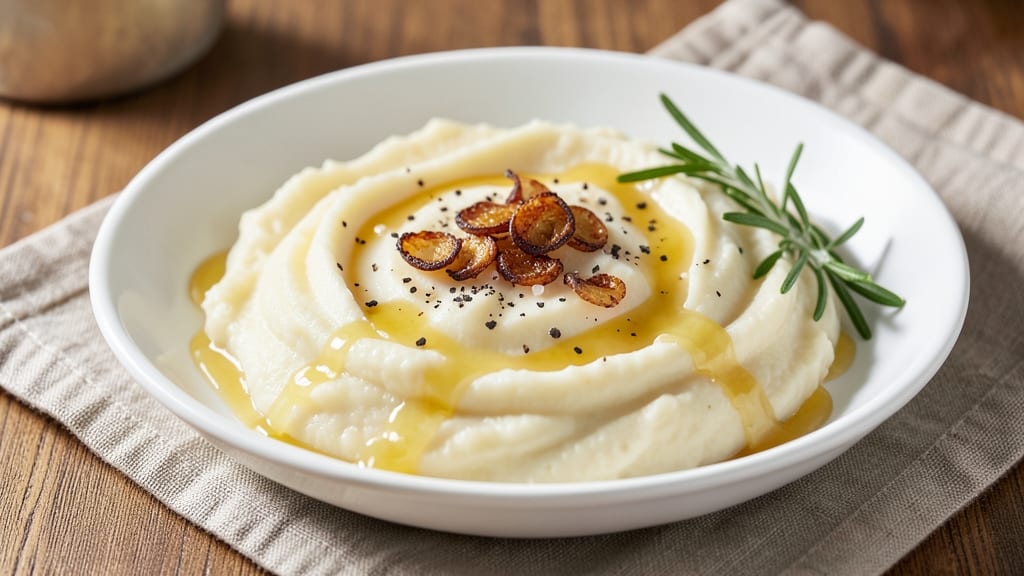
Cook's Illustrated mashed potatoes recipe delivers the buttery, velvety texture every home cook craves—no lumps, no grittiness, just pure comfort in every bite. I’ve perfected this method after testing dozens of variations, and the secret lies in precise technique and ingredient ratios that transform starchy potatoes into restaurant-quality perfection.
This isn’t just another side dish; it’s the foundation of a memorable meal.
The key to success starts with the right potatoes—Yukon Golds for their natural creaminess—and a foolproof boiling method that ensures even cooking. Once drained, we mash with hot butter and milk, incorporating them gradually to create a silky, lump-free consistency.
The result? A velvety, rich potato that’s rich enough to stand alone but balanced enough to complement any main course.
What sets this recipe apart is the attention to detail—timing, temperature, and technique—that eliminates common mistakes like gummy texture or watery results. Every step is designed to maximize flavor while maintaining that signature smoothness.
Whether you’re serving these as a holiday centerpiece or a weeknight staple, they’ll become your new standard.
Ready in just 30 minutes, this recipe requires minimal effort but delivers restaurant-quality results every time. The process is straightforward, but the payoff is undeniable: creamy, buttery, and utterly satisfying mashed potatoes that will have everyone asking for seconds. Let’s get started!
Ingredients for cook's illustrated mashed potatoes
Six ingredients transform humble potatoes into restaurant-quality mashed potatoes with velvety texture.
| Ingredient | Amount | Notes |
|---|---|---|
| Yukon Gold Potatoes 🥔 | 3 lb | Unpeeled, cut into 2-inch chunks |
| Unsalted Butter 🧈 | ¾ cup | Cold, cut into 1/2-inch cubes |
| Whole Milk 🥛 | 1 ¼ cups | Full-fat for optimal creaminess |
| Diamond Crystal Kosher Salt 🧂 | 1 ½ tsp | Adjust to taste after tasting |
| Freshly Ground Black Pepper 🌶️ | ½ tsp | Coarsely ground for texture |
| Heavy Cream 🥛 | ¼ cup | Optional for extra richness |
| Roasted Garlic Cloves 🧄 | 2 whole | For subtle sweetness and depth |
| Chives 🌿 | 2 tbsp | Finely chopped, for garnish |
| Freshly Squeezed Lemon Juice 🍋 | 1 tbsp | Brightens final flavor |
| Granulated Sugar 🍚 | ½ tsp | Balances acidity, optional |
| Vegetable Oil 🫒 | 2 tbsp | For boiling water |
The Yukon Gold potatoes are non-negotiable for this recipe—their waxy texture and natural creaminess create the perfect base. Purchase organic Yukon Golds from specialty grocers like Whole Foods or Trader Joe's for optimal flavor, or opt for conventional varieties from local farmers' markets where they're in season. Avoid russet potatoes—they're too starchy and result in gummy mashed potatoes. For best results, use potatoes that are firm to the touch with smooth, unblemished skins. The roasted garlic cloves should be lightly charred and tender when squeezed—roast them whole with the skins on at 400°F for 30 minutes before peeling.
No Yukon Golds? Red Bliss potatoes are the next best option, though they yield slightly less creaminess. Substitute heavy cream for milk at a 1:1 ratio if you prefer an even richer texture, but whole milk is ideal for balance. The butter must be unsalted and cold—this prevents premature melting during the mashing process. For a dairy-free option, use coconut oil or olive oil (though texture will differ slightly). The roasted garlic can be replaced with 1 tsp garlic powder, though fresh roasted adds depth. If you're short on time, microwave the butter for 40 seconds to soften it slightly before adding to the potatoes—this ensures even distribution without overworking the mixture.
Store leftover mashed potatoes in an airtight container with a thin layer of milk or butter on top to prevent drying. They'll keep for up to 5 days in the refrigerator, though texture may degrade slightly after 3 days. For longer storage, freeze in single-serving portions for up to 3 months. Reheat gently in the microwave with a splash of milk to restore creaminess. The roasted garlic cloves can be prepped ahead and frozen for up to 2 weeks, saving time on cooking day. For holiday gatherings, consider making a double batch—these potatoes reheat beautifully and taste even better the next day as flavors meld.
Why You'll Love This Recipe
- The secret’s in the ratio: cold butter folded into warm potatoes with whole milk, then a generous pinch of Diamond Crystal salt. It’s creamy but never heavy, with that perfect fluff where the edges almost get crispy when you press them.
- No-Peel Hassle: I swear by Yukon Golds here—just scrub and cube, no peeling. That saves me 10 minutes every time, and honestly? The skins add this subtle earthiness that makes the whole dish taste richer.
- Butter-Milk Magic: The secret’s in the ratio: cold butter folded into warm potatoes with whole milk, then a generous pinch of Diamond Crystal salt. It’s creamy but never heavy, with that perfect fluff where the edges almost get crispy when you press them.
- Leftovers? Better Than Fresh: Between us, these taste better the next day. The starch settles into pure comfort, and I’ve reheated them in the microwave with a splash of milk—still velvety. My lazy Sunday brunch just got a free upgrade.
Step-by-step instructions for cook's Illustrated mashed potatoes recipe
Mastering velvety mashed potatoes requires precision in technique and ingredient handling.
Prepare and Boil the Potatoes
Begin by rinsing the 3 lb Yukon Gold potatoes thoroughly under cold water to remove any dirt. Using a sharp chef's knife, cut them into 2-inch chunks—this size ensures even cooking without breaking apart. Place the potato chunks in a large pot and cover with cold water by about 2 inches.
Add the 2 tbsp vegetable oil to the water, which helps create a gentle boil and prevents the potatoes from sticking together. Bring to a boil over medium-high heat, then immediately reduce to a gentle simmer. Cook the potatoes for 15-20 minutes until they are fork-tender. You'll know they're done when a knife slides in easily and the edges begin to soften noticeably. Drain the potatoes in a colander and return them to the pot, shaking gently to remove excess water.
Create the Creamy Base
While the potatoes are still hot, add the 0.75 cup unsalted butter—cut into ½-inch cubes—to the pot. Using a wooden spoon or potato masher, work the butter into the potatoes until fully melted and evenly distributed. This step is critical for achieving that signature buttery flavor and velvety texture.
Next, add the 1.25 cups whole milk, the 0.25 cup heavy cream (if using), and the 2 whole roasted garlic cloves. Mash the potatoes with a potato ricer or heavy-duty mixer fitted with a paddle attachment. For the smoothest texture, I recommend using a ricer—it eliminates lumps entirely. If you prefer a slightly rustic texture, a mixer works well, but avoid overmixing, which can make the potatoes gummy.
Season and Refine the Texture
Once the potatoes are mashed to your desired consistency, add the 1.5 tsp diamond crystal kosher salt, 0.5 tsp freshly ground black pepper, 1 tbsp freshly squeezed lemon juice, and 0.5 tsp granulated sugar (if using). Taste and adjust the seasoning—this is where you fine-tune the balance of saltiness, acidity, and sweetness. The lemon juice brightens the dish, while the sugar subtly rounds out the flavors.
For extra richness, fold in the 2 tbsp finely chopped chives at the end. These herbs add a delicate, oniony note that complements the roasted garlic. If the mashed potatoes are too thick, add a splash of warm milk or cream to reach your preferred consistency. The goal is a smooth, airy texture that coats the back of a spoon without being gluey.
Serve Immediately for Optimal Texture
Transfer the mashed potatoes to a serving bowl and gently fold in the roasted garlic cloves, pressing them through a fine-mesh sieve to infuse the flavor without bits. Serve immediately while still hot, as mashed potatoes thicken as they cool. The contrast of warm, velvety potatoes with crispy roasted garlic and fresh chives creates a restaurant-quality dish.
This method guarantees a lump-free, buttery texture with layers of flavor. The key lies in precise cooking times, proper tool selection, and careful seasoning adjustments. Each bite should be creamy, rich, and perfectly balanced—no dryness or grittiness in sight.
Pro Tips For Making Cook'S Illustrated Mashed Potatoes
- BOIL WITH LID OFF: The recipe calls for boiling potatoes with the lid off after they’re submerged—don’t skip this. I used to cover them early and end up with uneven cooking or even a waterlogged mess. Once they’re fully immersed, let that steam escape so the water stays hot enough to cook them through without turning to glue.
- PEEL AFTER COOKING: Peel those Yukon Golds after they’re cooked and drained. The skins protect the starch from breaking down too much, and peeling raw potatoes means you’ll lose more of the creamy texture you’re fighting for. Plus, your knife won’t slip on waxy, uncooked spuds.
- SALT THE MILK: Season the warm milk with a pinch of kosher salt before mixing it in—it’s the easiest way to guarantee flavor balance. I learned this the hard way by adding salt only at the end and ending up with bland, buttery potatoes. The milk absorbs the salt better when it’s warm, so every bite gets that bright, cohesive taste.
- PRESS OUT MOISTURE: After mashing, don’t just stir—press the potatoes through a fine-mesh sieve or even an old pillowcase to squeeze out excess liquid. I was skeptical at first (yes, even if you’re impatient like me), but this step keeps your mash light and fluffy instead of watery. Works especially well if you’re using extra-starchy potatoes.
Storing and reheating this dish
Fridge Storage Secrets
Store leftover mashed potatoes in an airtight container with a thin layer of warm milk or melted butter on top to lock in moisture. This prevents drying and preserves that velvety texture for up to 5 days in the fridge.
I always press plastic wrap directly onto the surface before sealing the container to eliminate air exposure. For best results, let them cool completely before storing—hot potatoes create condensation that makes them watery. 🥔
Freezer-Friendly Tips
Freeze mashed potatoes in single-serving portions using silicone molds or heavy-duty freezer bags. Press out all air and label with the date—they’ll keep for 3 months without texture degradation.
When reheating, microwave on low power (50%) in 1-minute intervals, stirring between each, until reaching 165°F. Add a splash of warm milk to restore creaminess if needed.
Reheating Like a Pro
For stovetop reheating, transfer potatoes to a nonstick skillet over low heat with 2 tbsp milk or cream. Stir constantly for 5-7 minutes until warmed through—this method prevents drying better than microwaving.
If using a microwave, cover with a damp paper towel to retain moisture. I find adding 1 tsp butter during reheating helps restore that restaurant-quality richness.
Holiday Prep Ahead
Make a double batch for Thanksgiving or Christmas—mashed potatoes taste even better the next day as flavors meld. Store in glass baking dishes covered with foil, then reheat in a 350°F oven for 20-25 minutes until warmed through.
The oven method gives them a subtle crisp on top while keeping the interior creamy. This is my go-to strategy for stress-free holiday serving.
Reviving Dry Potatoes
If your mashed potatoes turn out dry after storage, don’t toss them! Mix in 1-2 tbsp warm milk or cream and 1 tbsp butter, then microwave for 30 seconds. The fat and liquid will rebind the starches, restoring that silky texture.
For extra flavor, add a pinch of salt and lemon juice to brighten them up. This trick saves dinner when you’re short on time. 💡
Garnish Refresh
Before serving reheated mashed potatoes, top with fresh chives, a drizzle of garlic-infused oil, or crumbled bacon. These additions elevate the dish and make it feel fresh.
I especially love adding a pinch of smoked paprika for depth when serving alongside roasted meats. Garnishes transform reheated potatoes from leftovers to a special side dish.
Nutrition facts
Frequently asked questions
Why do your mashed potatoes turn out smoother than other recipes?
The secret lies in using a potato ricer instead of a mixer, which eliminates lumps entirely. We also add the hot butter and milk gradually while the potatoes are still hot—this creates tiny air pockets that make them light and velvety. Plus, Yukon Gold potatoes have fewer starch granules than russets, so they mash more smoothly naturally.
Can I make these mashed potatoes ahead of time for Thanksgiving?
Make a double batch and store in glass baking dishes covered with foil. Reheat at 350°F for 20-25 minutes—this gives them a subtle crisp on top while keeping the inside creamy. The flavors actually improve overnight as the butter and garlic meld together. This is my go-to stress-free holiday strategy!
What if my mashed potatoes come out gummy or gluey?
This usually happens from overmixing or using cold potatoes. Always mash while still hot, and use a ricer or mixer on low speed. For gummy texture, stir in 1 tbsp butter and 2 tbsp warm milk, then microwave for 30 seconds—the fat will rebind the starches. The key is working quickly while the potatoes are hot and creamy.
Can I substitute heavy cream for milk to make them richer?
Yes! Replace the milk with heavy cream at a 1:1 ratio for extra richness. For best results, use 1 cup whole milk + 0.25 cup heavy cream as written—this gives you that perfect balance between creaminess and lightness. The heavy cream adds fat content that makes them ultra-smooth, but too much can make them dense.
How do I keep mashed potatoes from drying out when reheating?
Store them in an airtight container with a thin layer of warm milk or melted butter on top. For reheating, use the stovetop method: transfer to a nonstick skillet with 2 tbsp milk or cream and stir constantly over low heat for 5-7 minutes. Microwave reheating works too—just cover with a damp paper towel and add 1 tsp butter to restore moisture.