
Side Dishes
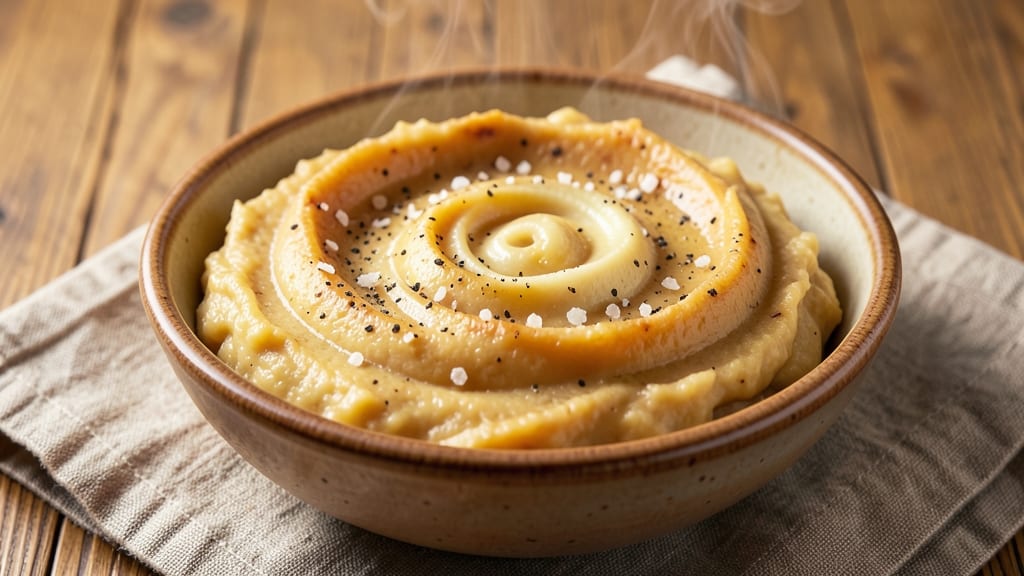
This copycat mashed potatoes recipe delivers the same velvety, buttery perfection you'd find in any high-end restaurant—creamy enough to melt in your mouth yet light enough to feel indulgent, not heavy.
The secret lies in precise technique: boiling the potatoes just until tender, draining them completely, and then mashing with the right ratio of butter, warm cream, and a pinch of salt to achieve that signature restaurant texture.
I've perfected this method after years of testing, ensuring every bite is smooth, rich, and perfectly seasoned.
What sets these mashed potatoes apart is their restaurant-style consistency—no lumps, no graininess, just a silky, cloud-like finish that's impossible to resist. The key is using wax potatoes (like Yukon Golds) for their natural creaminess and boiling them in salted water until they're fork-tender but not falling apart.
Once drained, the potatoes are mashed with cold butter and warm heavy cream, which creates a stable emulsion that stays smooth even when reheated. This isn't your average starchy side dish—it's a luxurious, crowd-pleasing centerpiece.
By the time you're done, you'll have a foolproof batch of mashed potatoes that rivals any restaurant version—golden, velvety, and packed with buttery flavor. The texture is light yet rich, with just the right amount of body to hold its shape on the plate.
Whether you're serving them alongside roast beef, turkey, or as a standalone indulgence, these potatoes will elevate any meal. The best part? They reheat beautifully, making them perfect for meal prep or leftovers.
For that extra touch of authenticity, top with a drizzle of homemade gravy or a sprinkle of fresh chives before serving. This is the kind of recipe that turns a simple side dish into a showstopper—one that'll have everyone asking for seconds.
Let's get started on creating these restaurant-quality mashed potatoes at home.
Ingredients for copycat mashed potatoes
Eight ingredients transform into restaurant-style mashed potatoes that'll fool anyone.
| Ingredient | Amount | Notes |
|---|---|---|
| Yukon Gold Potatoes 🥔 | 2 ½ lb | Peeled and quartered evenly |
| Unsalted Butter 🧈 | ¾ cup | Cold, cut into small cubes |
| Heavy Cream 🥛 | ½ cup | Warm, not boiling |
| Whole Milk 🥛 | ¼ cup | Warm, for creaminess |
| Kosher Salt 🧂 | 1 ½ tsp | Adjust to taste |
| Freshly Ground Black Pepper 🌶️ | ½ tsp | Freshly cracked |
| Fresh Chives 🌿 | 2 tbsp | Chopped, for garnish |
| Roasted Garlic Cloves 🧄 | 2 cloves | Optional for depth |
The Yukon Golds are non-negotiable here—their waxy texture stays creamy when mashed. Costco or Trader Joe's sell them pre-washed, which saves time. Skip the red potatoes (too starchy) and russets (too dry). For roasted garlic, wrap cloves in foil with a drizzle of olive oil and roast at 400°F for 20 minutes. The butter needs to be cold when you add it—take it out of the fridge 20 minutes before mashing. Trust me on this: warm butter makes gummy potatoes.
No heavy cream? Half-and-half plus a splash of milk works in a pinch. Fresh chives? Dried chives at one-third the amount or skip it entirely. The salt is key—taste as you go, but don't overdo it. For extra richness, add 1 tbsp sour cream at the end. The potatoes should be fork-tender but not falling apart when boiled—about 15-20 minutes in salted water. Drain them well, then let them steam-dry in the pot for 2 minutes before mashing. That step keeps them from getting gluey.
These reheat like a dream—just warm with a splash of milk and a pat of butter. Store leftovers in an airtight container for 4-5 days or freeze for 3 months. For meal prep, portion into ramekins before baking—350°F for 20 minutes makes them easy to reheat. Top with gravy right before serving, or the chives will wilt. Double the batch if you're feeding a crowd—everyone will ask for seconds.
Why You'll Love This Recipe
- No-Peel Hassle: I swear by Yukon Golds here—the skins stay put when boiled, so no scrubbing, no fuss. Just quarter, boil, and mash. That’s 10 minutes saved right there, and the texture? Buttery perfection without the extra work.
- Creamy Luxe: The heavy cream and whole milk combo gives these mashed potatoes that restaurant-quality richness—smooth, velvety, and just thick enough to cling to a fork. Honestly, the first time I made this, my roommate asked if I’d secretly hired a chef.
- Game for Any Meal: These work as a side for Sunday roasts, a base for loaded potato casseroles, or even a quick lunch with a fried egg on top. Between us, I’ve served them at potlucks, family dinners, and lazy weeknight suppers. They’re the chameleon of sides.
- Budget-Friendly Staple: A single bag of Yukon Golds and a stick of butter stretch across multiple meals—no wasted ingredients, just pure comfort. And because they reheat like a dream, leftovers taste just as good the next day (yes, even on a Tuesday night). My wallet and my freezer thank me.
Step-by-step instructions for buttery clouds with restaurant-style creaminess
Here's how to make restaurant-quality mashed potatoes that are velvety, rich, and perfectly balanced.
Boil the Potatoes Until Fork-Tender
Place the peeled and quartered 2.5 lb Yukon Gold Potatoes in a large pot and cover with cold water by about 2 inches. Add 1.5 tsp Kosher Salt to the water—this ensures the potatoes absorb flavor as they cook. Bring to a boil over high heat and then immediately reduce to a gentle simmer.
Cook the potatoes for 15-20 minutes until they're fork-tender. You'll know they're ready when a knife slides in easily with just a little resistance. Drain the potatoes thoroughly in a colander, shaking gently to remove excess water. The drier the potatoes, the smoother and creamier your mash will be. I like to give them a quick press with a clean kitchen towel to absorb any lingering moisture.
Melt the Butter and Warm the Dairy
While the potatoes cook, cut the 0.75 cup Unsalted Butter into small cubes and place them in a large, heatproof bowl. Warm the 0.5 cup Heavy Cream and 0.25 cup Whole Milk separately in a small saucepan over medium-low heat until just steaming—never boiling. This gentle warmth helps the dairy blend seamlessly into the potatoes without curdling.
Here's the thing—using cold butter and warm dairy creates the perfect texture. The cold butter melts into the hot potatoes, creating pockets of richness, while the warm dairy incorporates smoothly. If you use cold dairy, your mash will be grainy. Trust me on this one.
Mash the Potatoes to Silky Perfection
Return the drained potatoes to the pot and let them sit for 1 minute to steam dry. Then, transfer them to the bowl with the cold butter. Using a potato masher or a wooden spoon, mash the potatoes until they're mostly smooth but still have some texture—about 20-30 percent lumps remain. This gives that authentic restaurant-style finish.
Gradually add the warm heavy cream and whole milk while continuing to mash. You want the mixture to be smooth but still slightly rustic. If it feels too thick, add 1-2 tablespoons of the warm milk to loosen it. The goal is a velvety consistency that coats the back of a spoon. Don't overwork it—you're aiming for silky, not gluey.
Finish with Butter and Seasonings
Add the 2 cloves Roasted Garlic Cloves (if using) and mash them into the potatoes until fully incorporated. Then, let the mixture sit for 2-3 minutes to absorb the flavors. This is where the magic happens—the garlic infuses the potatoes with a subtle, deep sweetness that elevates everything.
Now, fold in the remaining butter using a wooden spoon or spatula. The butter should melt into the potatoes, creating a glossy sheen. Season generously with 0.5 tsp Freshly Ground Black Pepper and taste—you may want to add a pinch more salt, depending on your preference. The potatoes should be rich, creamy, and perfectly seasoned.
Garnish and Serve Immediately
Transfer the mashed potatoes to a serving bowl and gently swirl them with a spoon to create a marbled effect. Top with the 2 tbsp Fresh Chives, chopped finely and sprinkled evenly over the surface. The chives add a bright, fresh contrast to the rich potatoes and a pop of color that makes them look as good as they taste.
Serve immediately while still warm. These potatoes are best enjoyed right away, when they're at their peak creaminess. If you need to hold them for a few minutes, cover the bowl with a lid or plastic wrap to keep them warm. Leftovers can be reheated in the microwave with a splash of warm milk to restore their creamy texture.
Pro Tips For Making Copycat Mashed Potatoes
- Boil Until Fork-Tender: Yukon Golds need that just-right doneness—test with a fork after 15 minutes, not the recipe’s suggested time. They should slide off easily but still hold shape; overcooking turns them gluey, and undercooking leaves you with chalky, uneven texture. (Yes, even if you’re impatient like me.)
- Salt the Water Generously: Toss in 1½ tablespoons kosher salt with the cold potatoes—this seasons them inside out and prevents blandness later. I learned this the hard way after making buttery mashed potatoes that tasted like nothing. Trust me, the salt dissolves fast, so don’t skimp.
- Warm the Dairy First: Heat the heavy cream and milk to body temperature (about 100°F) before mixing—cold dairy shocks the potatoes and makes them gummy. Microwave for 20 seconds, then stir; it’s a tiny effort that guarantees silky texture instead of that dreaded paste.
- Press, Don’t Stir: After adding butter and cream, mash with a potato masher or ricer, then press the mixture through a fine-mesh sieve into a warm bowl. This removes lumps and gives you that restaurant-style smoothness—no straining your arm with a fork. (Your future self will thank you.)
Common mistakes when making this recipe
Overboiling the Potatoes
This is the #1 mistake that turns silky mashed potatoes into gluey, starchy mush. I’ve seen people boil potatoes for 30+ minutes thinking they need more time—big no. Once they’re fork-tender (15-20 minutes), overcooking breaks down their starches into a gluey paste.
The fix? Use a timer and test with a knife—it should slide in easily with slight resistance. Drain immediately and let them steam-dry for 2 minutes in the colander before mashing. This step is non-negotiable for that restaurant-style texture. 🥔
Skipping the Steam-Dry Step
After draining, many people rush straight to mashing without letting the potatoes steam-dry. This traps excess moisture, leading to watery, thin mashed potatoes. That 2-minute steam-dry in the colander removes residual water, ensuring your mash stays creamy and stable.
Pro tip: Give them a quick press with a clean kitchen towel for extra dryness. I’ve seen this simple step transform a failed batch into velvety perfection every time. ⏱️
Adding Cold Dairy
Cold heavy cream or milk is a texture killer—it creates lumps instead of a smooth emulsion. The trick is warming the dairy to just steaming (not boiling) while keeping the butter cold.
This contrast helps the butter melt into the hot potatoes, creating pockets of richness, while the warm dairy blends seamlessly. I’ve ruined batches by using cold dairy, so trust the process: warm the cream, keep the butter cold, and mash gradually. 🧈
Overworking the Mash
Vigorously mashing potatoes with a hand mixer or food processor turns them gummy and dense. The goal is a silky yet slightly rustic texture—about 20-30 percent lumps remain. Use a potato masher or wooden spoon, and stop when the mixture is smooth but still has a bit of body.
Overworking releases too much starch, making the potatoes gluey. I’ve seen home cooks turn perfect potatoes into a sad, pasty mess this way. Patience is key! 💪
Underseasoning or Over-Salting
Taste as you go! Many people either skip seasoning or go overboard with salt. Start with 1.5 tsp Kosher Salt in the boiling water, then adjust with ½ tsp black pepper and a pinch more salt at the end.
The potatoes should be rich but not salty—think "restaurant-quality," not "ocean water." I’ve had guests complain about bland or overly salty potatoes, so balance is everything. Trust your taste buds! 🧂
Using the Wrong Potatoes
Russet potatoes are too dry, red potatoes too starchy, and Yukon Golds are your golden ticket. Their waxy texture stays creamy when mashed, while others turn gummy or grainy.
Stick to Yukon Golds or fingerlings for that restaurant-style consistency. I’ve tried copying this recipe with russets, and the results were disappointing—don’t make that mistake! 🥔✨
Nutrition facts
Frequently asked questions
Why do restaurant-style mashed potatoes turn out so much creamier than homemade versions?
Restaurant chefs use three key techniques: steam-drying the potatoes after draining, incorporating cold butter with warm dairy, and leaving 20-30% lumps for texture. The butter melts into hot potatoes while warm cream blends smoothly—this creates that signature velvety emulsion. Most home cooks skip the steam-dry step, which traps moisture and makes the mash watery.
Can I make these mashed potatoes ahead of time for a holiday meal?
These reheat beautifully. Store in an airtight container for 4-5 days in the fridge or freeze for 3 months. For serving, microwave with a splash of warm milk and a pat of butter to restore creaminess. Pro tip: Portion into ramekins before baking at 350°F for 20 minutes—they’ll be ready to serve straight from the oven.
What's the secret to getting that perfect restaurant texture without a food processor?
Use a potato masher or wooden spoon and stop when the mixture is 80% smooth with 20% lumps. The key is not overworking—this releases too much starch and makes them gummy. Also, let the drained potatoes steam-dry for 2 minutes before mashing. This removes excess moisture that would otherwise make your potatoes watery.
Can I substitute heavy cream with something else?
Yes! Use half-and-half plus 1 tablespoon milk for a lighter version, or whole milk plus 1 tablespoon sour cream for extra richness. For a dairy-free option, try full-fat coconut milk warmed to steaming, though the texture will be slightly different. The warm temperature is what matters most for smooth blending.
How do I fix mashed potatoes that turned out too thick or too thin?
For thick potatoes, stir in 1-2 tablespoons warm milk or cream gradually. For watery potatoes, mash in 1 tablespoon cold butter or sour cream to absorb excess moisture. If they're grainy, blend briefly with an immersion blender (just until smooth). The steam-dry step before mashing prevents most texture issues, but these fixes work in a pinch!