
Side Dishes
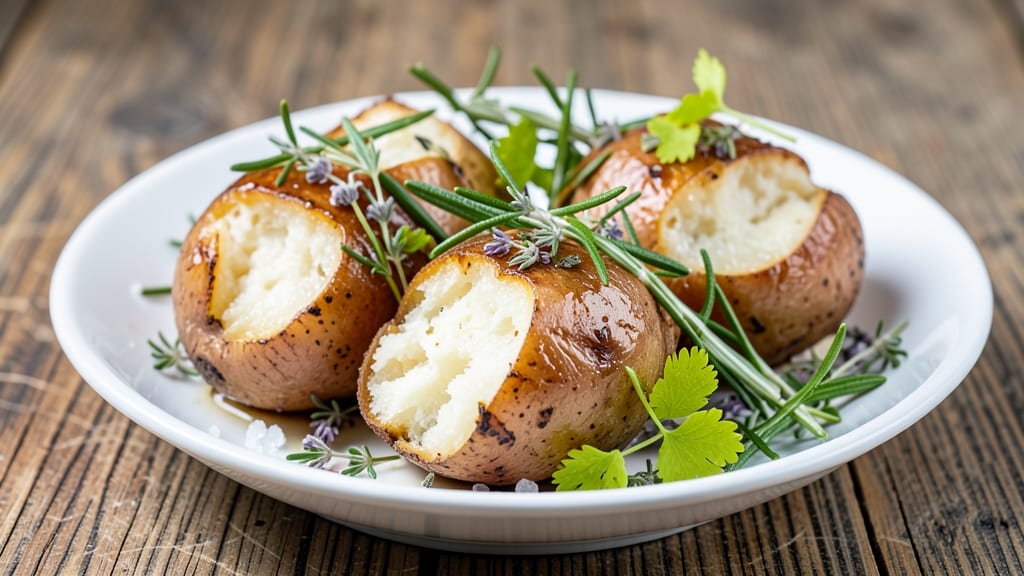
Deanie's boiled potatoes recipe transforms simple spuds into a restaurant-worthy side with crispy edges and tender centers through a secret herb-infused vinegar bath. The key lies in the water—salty, vinegary, and packed with aromatic herbs—that creates that signature texture while infusing flavor.
I developed this method after years of struggling with soggy, flavorless boiled potatoes that always fell short of expectations.
What makes this recipe special is the precision in technique: salted water that reaches a rolling boil, vinegar to prevent browning, and herbs that transform plain potatoes into something extraordinary.
With just 20 minutes of active time and 15 minutes of simmering, you'll achieve perfectly cooked potatoes that are crispy on the outside and fluffy within. The vinegar bath also ensures they stay firm rather than turning mushy.
By the end, you'll have golden, crisp-edged potatoes with a subtle tang and herbal aroma that elevates any meal. The secret lies in the preparation—the vinegar bath, the proper seasoning, and the exact timing that prevents overcooking. This method delivers professional-quality results without requiring advanced skills or equipment.
Serve these potatoes alongside roasted meats, grilled vegetables, or even as a standalone dish with melted butter and fresh herbs. The crispy edges and tender centers make them irresistible, proving that boiled potatoes can be just as impressive as any other side dish.
Let's get started on creating your perfect batch.
Ingredients for deanie's boiled potatoes
Nine essential ingredients transform humble potatoes into restaurant-quality sides with crispy edges and aromatic depth.
| Ingredient | Amount | Notes |
|---|---|---|
| Russet Potatoes 🥔 | 3 lb | Medium size, unpeeled for texture |
| White Vinegar 🍶 | ¼ cup | Distilled for clarity and tang |
| Kosher Salt 🧂 | ¾ cup | Non-iodized for pure flavor |
| Fresh Thyme Sprigs 🌿 | 6 whole | Stems intact for infusion |
| Fresh Rosemary Sprigs 🌿 | 4 whole | Woody stems for aroma |
| Fresh Parsley Sprigs 🌿 | 4 whole | Brightens final flavor |
| Garlic Cloves 🧄 | 4 cloves | Smashed for deeper infusion |
| Bay Leaves 🍃 | 2 whole | Dried or fresh preferred |
| Unsalted Butter 🧈 | ½ cup | Cold, cubed for finishing |
| Extra-Virgin Olive Oil 🫒 | ¼ cup | For finishing drizzle |
| Black Peppercorns 🌶️ | 1 tbsp | Freshly cracked for texture |
The potatoes are your foundation—Russets are ideal for their high starch content, which creates those signature crispy edges. Look for medium-sized potatoes (about 1.5 inches in diameter) with firm, unblemished skins at Whole Foods or your local market's produce section. The vinegar bath requires distilled white vinegar for clarity and a clean tang—avoid apple cider vinegar, which can muddy the flavor. For the herbs, fresh is non-negotiable: thyme and rosemary should smell vibrant, and parsley should be bright green. If you're using dried herbs, reduce to one-third the amount, but fresh delivers that professional aroma. The garlic cloves should be firm and unspotted—peel them just before using to preserve their freshness.
No fresh thyme? Dried thyme at one-third the amount works, but you'll miss the bright aroma. Substitute rosemary with fresh oregano if needed, though it'll alter the flavor profile slightly. For vinegar, apple cider vinegar adds sweetness but can make the potatoes slightly softer. The butter and olive oil are for finishing—use cold, cubed butter to create a luxurious topping, and a high-quality extra-virgin olive oil for drizzling (avoid the cheap stuff here). Black peppercorns should be freshly cracked for texture, but pre-ground works in a pinch. If you're short on time, pre-peeled potatoes save steps, though unpeeled delivers better texture.
Store any leftover potatoes in an airtight container for up to 3 days, but they're best enjoyed fresh. The vinegar bath can be prepped ahead and reheated gently with the potatoes for 2-3 minutes to restore crispiness. For meal prep, cook a double batch and reheat portions in a 350°F oven for 10 minutes with a splash of water to steam. The herbs and aromatics can be stored separately in a sealed container for up to 1 week in the fridge, though fresh is always better. This recipe scales perfectly for crowds—just double the vinegar, salt, and herbs proportionally for 12 servings.
Why You'll Love This Recipe
- No-Peel Hassle: I’ll be real—peeling potatoes is my least favorite part of cooking. This recipe skips it entirely. Just scrub those Russets, throw them in boiling water with vinegar, and let the skins stay on for that rustic texture. Honestly, the crispy edges make up for any extra scrubbing I’d have to do otherwise.
- Herb-Infused Magic: That splash of white vinegar isn’t just for science—it brightens the potatoes while the thyme and rosemary steep right into the water. The result? Potatoes with a fragrant, herbal depth that tastes like they’ve been simmering for hours, not 20 minutes. (Yes, even on a Tuesday night.)
- Leftovers That Shine: These potatoes reheat like a dream—just a quick warm in the microwave or a sizzle in a pan. I’ve turned yesterday’s batch into breakfast hash, loaded them onto grilled cheese, or tossed them into salads. They’re the ultimate lazy-day side that still feels special.
- Budget-Friendly Staple: Russets are cheap, vinegar is cheap, and a few sprigs of herbs stretch far. This recipe costs me pennies per serving but tastes like I slaved over it. Between us, it’s my go-to when I’m feeding a crowd or just want something reliable that won’t break the bank.
Step-by-step instructions for herb-infused vinegar bath potatoes
This method transforms simple boiled potatoes into restaurant-quality sides with crispy edges and aromatic depth.
Prepare the Vinegar Bath for Maximum Flavor
Fill a large stockpot with enough cold water to cover the 3 lb russet potatoes by at least 2 inches. Add the 0.25 cup white vinegar and 0.75 cup kosher salt, stirring until fully dissolved. The vinegar creates a bright, tangy bath that enhances flavor while promoting crispy edges during cooking.
Next, add the 6 whole fresh thyme sprigs, 4 whole fresh rosemary sprigs, 4 whole fresh parsley sprigs, 4 smashed garlic cloves, 2 whole bay leaves, and 1 tbsp black peppercorns to the water. The herbs and spices will infuse the water with complex aromatics that penetrate the potatoes during cooking. Bring to a boil over high heat, then immediately reduce to a gentle simmer.
Cook Potatoes Until Fork-Tender
Carefully add the potatoes to the simmering bath, ensuring they're fully submerged. Return to a boil, then reduce heat to maintain a steady simmer. Cook for 20-25 minutes until a knife slides in easily with gentle pressure. The potatoes should be tender but not falling apart—this ensures they hold their shape while developing crispy edges.
During the last 5 minutes of cooking, I like to gently swirl the potatoes in the pot every few minutes. This creates gentle movement that prevents them from sticking together and helps develop those crispy edges we're after. Watch for bubbles forming at the surface—this indicates the potatoes are absorbing the herb-infused water.
Drain and Rest for Optimal Texture
Using a slotted spoon, carefully transfer the potatoes to a clean kitchen towel or colander. Let them drain for 2-3 minutes to remove excess water, then transfer to a large mixing bowl. The residual heat will continue cooking them slightly, helping develop that crispy exterior while keeping the interior fluffy.
While the potatoes rest, preheat a large skillet over medium heat. Add the 0.5 cup unsalted butter and 0.25 cup extra-virgin olive oil, allowing them to melt and foam together. This butter-oil mixture will create a luxurious finish that enhances the potatoes' natural flavor and adds that final crispy texture.
Finish with Herb-Infused Butter for Crispy Edges
Add the drained potatoes to the skillet and gently toss to coat them evenly in the butter-oil mixture. Cook for 3-4 minutes, shaking the pan occasionally, until the potatoes develop golden-brown spots on their surfaces. The residual starch from the potatoes will react with the hot butter, creating those coveted crispy edges while keeping the interiors tender.
Taste and adjust seasoning if needed, adding a pinch more kosher salt if desired. The potatoes should be perfectly seasoned from the herb bath, but personal preference varies. Transfer to a serving platter and garnish with additional fresh parsley sprigs if desired. Serve immediately while the edges are still crispy and the butter is warm and fragrant.
Pro Tips For Making Deanie'S Boiled Potatoes
- USE COLD WATER START: Fill your pot with cold water—even if you’re eager to boil. I learned this the hard way: hot water cooks potatoes unevenly, leaving some underdone while others turn to mush. Cold water brings them to a gentle simmer, so they cook through without falling apart.
- PEEL AFTER COOKING: Skip peeling before boiling—Russets hold their shape better with skins on. After cooking, rub them under cold water and the skins slide right off. (Yes, even if you’re impatient like me.) This keeps the texture buttery and the flavor richer.
- ADD VINEGAR LAST: Wait until the water’s boiling before tossing in the white vinegar. Dump it in too early, and you’ll just sour the water without helping the potatoes. The acid needs heat to work its magic—keeping them firm and bright.
- DON’T OVERCROWD THE POT: Give those potatoes room to breathe—no more than a handful at a time in a medium pot. I used to jam them in, and they’d steam instead of boil, turning out soggy. Tight quarters = uneven cooking. Loose is the way.
Best sauces and condiments for this recipe
Classic Brown Butter
The most straightforward and universally loved sauce for these potatoes is brown butter, which adds nutty depth and richness. After cooking, toss the drained potatoes in ½ cup browned butter (melted butter cooked until golden and fragrant) with a pinch of kosher salt.
The Maillard reaction from browning creates a caramelized flavor that complements the crispy edges perfectly. 🔥
Garlic-Herb Oil
For a lighter but equally flavorful option, make a garlic-herb oil by sautéing 4 minced garlic cloves in ¼ cup olive oil with 1 tsp each of dried thyme and rosemary until fragrant.
Drizzle this over the potatoes just before serving, or toss them gently to coat. This adds a bright, aromatic finish without overpowering the delicate herb bath flavors.
Truffle Aioli
Elevate your potatoes with a truffle aioli made by blending ½ cup mayonnaise with 1 tbsp truffle oil, 1 tsp lemon juice, and a pinch of black pepper. Drizzle this luxurious sauce over the potatoes before serving for a restaurant-quality touch.
The earthy truffle pairs beautifully with the vinegar bath’s tang and the crispy edges. For extra flair, garnish with chopped chives.
Sour Cream and Chive
For a creamy, cooling contrast, mix ½ cup sour cream with 2 tbsp chopped fresh chives, 1 tsp lemon zest, and a pinch of salt. Dollop this alongside the potatoes or lightly spoon it over the top.
The tangy creaminess balances the crispy edges and herbaceous notes, making it ideal for heartier meals like roasted meats or grilled fish. ✨
Spicy Mayo
Add a kick with a spicy mayo by combining ½ cup mayonnaise with 1 tsp sriracha, ½ tsp honey, and 1 tsp lime juice. Drizzle this over the potatoes for a sweet-heat contrast that cuts through the richness.
It’s especially delicious with grilled chicken or steak, adding a modern twist to a classic side.
Crispy Onion Topping
For texture lovers, top the potatoes with crispy fried onions made by thinly slicing 1 large yellow onion, frying in ¼ cup oil until golden, and sprinkling with 1 tsp sugar and ½ tsp salt.
The sweet crunch contrasts the crispy potato edges and adds a gourmet touch. Serve immediately to keep the onions extra crispy. 💫
Nutrition facts
Frequently asked questions
Why does this recipe use vinegar in the boiling water?
The vinegar bath serves three key purposes: it prevents the potatoes from browning in the water, enhances flavor with a subtle tang, and promotes crispy edges during cooking. The acidity also helps maintain firm texture rather than turning mushy. For best results, always use white vinegar—apple cider vinegar can make the potatoes slightly softer.
Can I use Yukon Gold potatoes instead of Russets?
Yukon Golds will work but won't develop the same crispy edges as Russets due to their lower starch content. For best results, stick with Russets. If you must use Yukon Golds, increase the butter finishing step by 1 minute to help create crispiness. The flavor will be creamier but slightly less crisp.
What's the secret to getting crispy edges without burning them?
The key lies in the timing: cook until fork-tender (20-25 minutes), then finish in the butter-oil mixture for 3-4 minutes over medium heat. Never high heat—this causes burning. The residual starch from the potatoes reacts with the hot butter to create crispiness while keeping interiors tender.
Can I make this recipe ahead of time?
Cooked potatoes should be served immediately for maximum crispiness, but you can prep the herb bath and potatoes separately. Store the vinegar bath ingredients in a sealed container for 1 week in the fridge. Cook potatoes up to 1 day ahead, reheat in a 350°F oven for 10 minutes with a splash of water to steam, then finish with fresh butter.
What's the best way to store leftover potatoes?
Transfer cooled potatoes to an airtight container and refrigerate for up to 3 days. For reheating, place in a single layer on a baking sheet and warm in a 375°F oven for 10-12 minutes—this prevents sogginess. Never microwave, as it destroys the crispy texture. For longer storage, freeze for up to 1 month (thaw overnight in the fridge).