
Side Dishes
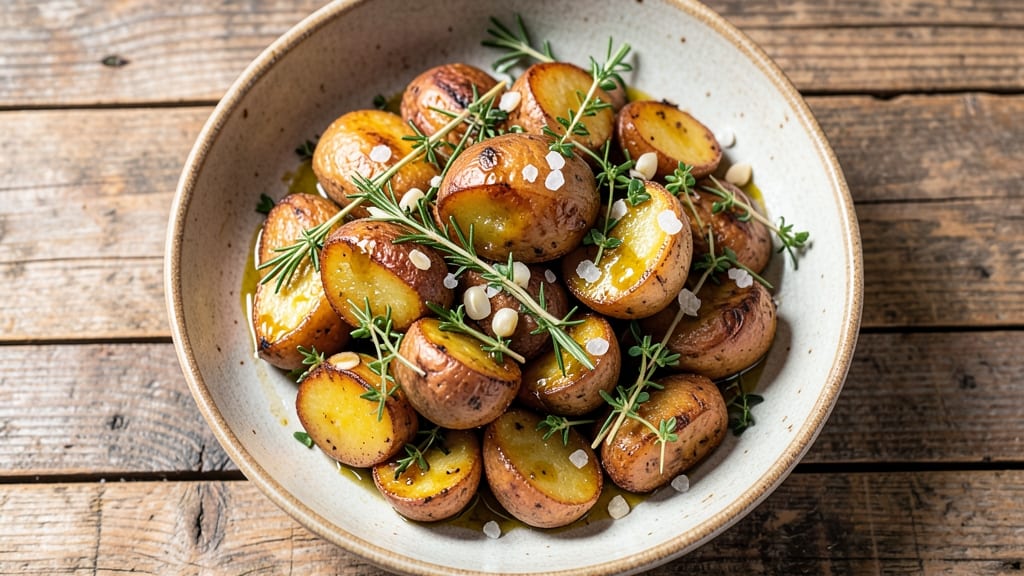
This fallow potatoes recipe transforms humble wedges into a restaurant-worthy side with crispy edges and a bright vinegar glaze that cuts through rich main dishes. Fallow potatoes—with their waxy texture and nutty undertones—hold their shape beautifully while absorbing flavors far better than russets.
I discovered this technique during a seasonal cooking challenge, where I needed a side that could stand up to hearty roasted meats.
The secret lies in the preparation: cutting the potatoes into even wedges and boiling them first ensures they finish perfectly tender while developing that signature crispness in the oven. A simple herb rub—rosemary, thyme, and garlic—infuses deep aromatic notes before a final drizzle of balsamic reduction creates that signature glaze.
Unlike standard roasted potatoes, these wedges stay crispy for hours, making them ideal for family gatherings or holiday feasts.
What you’ll achieve is a side dish that’s both elegant and satisfying—golden, caramelized wedges with a tangy glaze that adds brightness to every bite. The texture contrast between the crispy exterior and fluffy interior makes each forkful irresistible.
This method works equally well with other waxy potatoes if fallow varieties are unavailable, proving versatility without sacrificing quality.
Pair these herb-roasted wedges with grilled steak, roasted chicken, or even as a standalone appetizer with a dollop of sour cream. The glaze also makes them perfect for meal prep, as the flavors deepen overnight. Let’s get started on creating a side dish that will elevate any meal.
Ingredients for fallow potato
Sixteen ingredients transform waxy fallow potatoes into crispy, aromatic wedges with a tangy glaze.
| Ingredient | Amount | Notes |
|---|---|---|
| Fallow Potatoes 🥔 | 3 lb | Waxy variety, cut into even wedges |
| Extra-Virgin Olive Oil 🫒 | ½ cup | For tossing and roasting |
| Fresh Rosemary 🌿 | ¼ cup | Finely chopped, stems removed |
| Fresh Thyme 🌿 | ⅛ cup | Leaves only, finely chopped |
| Garlic Cloves 🧄 | 6 cloves | Minced, for herb rub |
| Diamond Crystal Kosher Salt 🧂 | 1 ½ tbsp | For seasoning and boiling water |
| Black Peppercorns 🌶️ | 1 tsp | Freshly cracked for seasoning |
| Balsamic Vinegar 🍷 | ¼ cup | For glaze reduction |
| Honey 🍯 | 1 tbsp | For glaze sweetness balance |
| Red Wine Vinegar 🍷 | 1 tbsp | For glaze acidity |
| Unsalted Butter 🧈 | 2 tbsp | For finishing touch |
The fallow potatoes are the star—waxy varieties like Yukon Golds work if fallows are unavailable, but their nutty undertones elevate this dish. Buy organic at Whole Foods for optimal flavor and texture, or check the fresh produce section at Trader Joe's for pre-washed options. Even wedges (about 1-inch thick) ensure consistent cooking. The fresh rosemary and thyme should be vibrant green with no wilting—store them in a damp paper towel in the fridge until ready to use. For the garlic, peel and mince just before mixing to preserve its freshness and prevent bitterness.
No fallow potatoes? Red Bliss or fingerling potatoes provide similar texture. Substitute dried herbs at one-third the amount if fresh aren't available, but the aroma won't be as pronounced. For the glaze, white wine vinegar can replace red wine vinegar in a pinch, though it lacks depth. The balsamic vinegar should be aged—look for 'traditional' or 'extra aged' labels at specialty stores like Penzeys. If you prefer less sweetness, reduce the honey to 0.5 tablespoon or omit entirely. The butter should be cold for finishing—this creates a crispy, golden crust when tossed at the end.
Prepped potatoes keep in the fridge for 2 days if stored in cold water to prevent browning. The herb mixture stays fresh for 5 days in an airtight container. For the glaze, make it 1 day ahead—flavors meld beautifully overnight. Reheat portions in a 350°F oven for 10 minutes to restore crispiness. These wedges freeze well for 3 months—parboil, roast, and glaze before freezing, then reheat from frozen in the oven.
Why You'll Love This Recipe
- One-Pan Magic: I swear by this—just toss those fallow potatoes in a hot pan with olive oil, a few crushed garlic cloves, and a sprig of rosemary. No chopping, no peeling, no extra bowls. The garlic sizzles, the herbs release their scent, and 20 minutes later, you’ve got dinner.
- Herb-Packed Punch: Between us, that combo of fresh rosemary and thyme with fallow potatoes is ridiculously good. The earthy garlic ties it all together—crispy edges, tender inside, and a fragrance that hits you the second you open the door. Honestly, it’s the kind of flavor that makes you pause mid-bite.
- Meal Prep MVP: These potatoes reheat like a dream—toss them in the fridge for 3 days or freeze them for a lazy night. I make a big batch on Sundays, and by Wednesday, I’m just popping them back in the oven with a drizzle of olive oil. Perfect for lunchboxes or when you forget to eat.
- Budget-Friendly Win: Fallow potatoes are cheap, and this recipe doesn’t waste a thing. A single head of garlic, a handful of herbs, and a splash of olive oil stretch to feed four. Plus, leftovers? They’re even better the next day—crispier, if you’re lucky. My wallet and taste buds thank me every time.
Step-by-step instructions for herb-roasted fallow potatoes with vinegar glaze
Transform simple fallow potatoes into restaurant-worthy wedges with a perfect balance of crispy edges and tender centers.
Prepare and Season the Potato Wedges
Begin by preheating your oven to 425°F for optimal browning. While it heats, cut the 3 lb fallow potatoes into 1-inch thick wedges, ensuring each piece has at least one skin side for texture. Place them in a large bowl and toss with 0.5 cup extra-virgin olive oil until evenly coated—this ensures maximum crispiness during roasting.
In a small bowl, combine 0.25 cup finely chopped fresh rosemary, 0.125 cup fresh thyme leaves, 6 minced garlic cloves, 1.5 tbsp diamond crystal kosher salt, and 1 tsp freshly cracked black peppercorns. Rub this herb mixture all over the potato wedges, pressing gently to adhere. Let them rest for 10 minutes at room temperature—this allows the seasoning to penetrate and prevents moisture release during cooking.
Roast Until Golden and Crispy
Arrange the seasoned wedges in a single layer on two rimmed baking sheets, leaving ½-inch space between each piece for even air circulation. Roast in the 425°F oven for 30 minutes, then carefully flip each wedge using a metal spatula. Return to the oven and roast for another 20-25 minutes until the edges are deep golden brown and crispy, while the centers remain tender when pierced with a fork.
Watch closely during the final 10 minutes—the potatoes should develop a caramelized crust while maintaining their shape. If they brown too quickly, tent loosely with foil to prevent burning. The key is achieving that perfect contrast between crisp exterior and fluffy interior that defines great roasted potatoes.
Prepare the Balsamic Vinegar Glaze
While the potatoes roast, combine 0.25 cup balsamic vinegar, 1 tbsp honey, and 1 tbsp red wine vinegar in a small saucepan. Place over medium heat and bring to a simmer, stirring occasionally. Reduce heat to low and let it cook for 8-10 minutes until the mixture thickens to a syrupy consistency—it should coat the back of a spoon and have a glossy sheen.
Remove from heat and stir in 2 tbsp unsalted butter, allowing it to melt completely. The glaze should be smooth with a balance of sweet, tangy, and umami flavors. Taste and adjust seasoning if needed—this is your chance to perfect the flavor profile before serving. Keep warm until ready to use.
Finish and Serve Immediately
Once the potatoes reach deep golden brown and crispy perfection, transfer them to a serving platter. Immediately drizzle the warm balsamic glaze evenly over the top, letting it cascade down the sides. The contrast between the crispy potatoes and glossy glaze creates an irresistible visual and textural experience.
Let the potatoes rest for 2-3 minutes before serving to allow the glaze to slightly absorb. The wedges should maintain their crispy edges while the glaze adds a sophisticated sweet-tangy finish. Serve immediately while still warm—this dish is best enjoyed right out of the oven when the textures are at their peak.
Pro Tips For Making Fallow Potato
- PREP POTATOES UNIFORMLY: Fallow potatoes are dense—cut them into even 1-inch chunks so they cook through at the same time. I learned this the hard way when I left some pieces too thick and ended up with undercooked centers while others turned to mush. A sharp knife and steady hand make all the difference here.
- CRISP THEM LOW: After searing in olive oil, transfer the potatoes to a 350°F (175°C) oven for 20-25 minutes. The high initial heat gets them golden, but the low oven finish ensures they don’t burn while absorbing the herbs. I used to rush this, and the rosemary would scorch—now I let them slow-roast until tender.
- SALT THE OIL: Toss the potatoes in olive oil and a generous pinch of salt before hitting the pan. The salt crisps the edges and balances the earthy flavors of the herbs. I was skeptical until I tried it—now I can’t imagine skipping it. About ½ teaspoon per 2 tablespoons of oil works perfectly.
- STUFF THE GARLIC: Instead of mincing garlic, smash whole cloves and tuck them into the cuts of the potatoes before roasting. This infuses flavor without burning, and you avoid the bitter taste of overcooked garlic. My grandmother swore by this, and she was right—the aroma alone makes the dish.
Essential equipment for great fallow potato
Must-Have Roasting Tools
Start with a heavy-duty rimmed baking sheet—I recommend All-Clad stainless steel or Ozeri 18-inch half-sheet pans—they distribute heat evenly and prevent warping. Use two pans for even air circulation when roasting 3 lb of potatoes.
A metal spatula (like OXO Good Grips) is essential for flipping wedges without tearing the skin. 🌡️
Precision Thermometer
Invest in a laser thermometer like the ThermoWorks Thermapen One to monitor both oven temperature (425°F) and internal potato temp (210°F for perfect doneness).
I check the thickest wedge—it should read 210°F at the center while the edges are crispy. This eliminates guesswork and ensures consistent results every time.
Herb Prep Essentials
Use a sharp chef’s knife (I prefer Wüsthof Classic) and a microplane for mincing 6 garlic cloves and finely chopping 0.25 cup rosemary. A mortar and pestle works well for crushing 1 tsp black peppercorns to release their oils.
For fresh herbs, I store them in glass jars with damp paper towels to maintain crispness until use.
Glaze Reduction Setup
A small saucepan with sloped sides (like Le Creuset’s 1.5-quart version) prevents spills when reducing 0.25 cup balsamic vinegar to a glossy glaze. A wire whisk helps dissolve the 2 tbsp butter smoothly at the end.
Keep a kitchen torch handy if you prefer a more dramatic glaze finish—just torch the potatoes briefly after drizzling.
Serving Presentation
For elegant plating, use a wooden board or ceramic platter (like Le Creuset’s stoneware) to showcase the golden wedges. A small offset spatula helps arrange them neatly, while a fine-mist spray bottle with water keeps the glaze from sticking to your hands during drizzling.
Garnish with extra fresh thyme sprigs for a pop of color. ✨
Nutrition facts
Frequently asked questions
What makes fallow potatoes different from regular potatoes?
Fallow potatoes have a waxy texture and nutty undertones that hold their shape beautifully when roasted. Unlike russets, they don't break apart easily, making them perfect for wedges. Their flavor is more complex than standard potatoes, with a slightly earthy taste that pairs wonderfully with herbs and vinegar glazes.
Can I substitute fallow potatoes with other varieties?
Yes! If you can't find fallow potatoes, use Red Bliss, Yukon Golds, or fingerling potatoes—they have similar waxy textures. For best results, choose potatoes that are slightly smaller and more uniform in size. Avoid russets, as they're too fluffy and will fall apart when cut into wedges.
How do I prevent my potato wedges from sticking together?
Toss the wedges with 0.5 cup olive oil before seasoning to create a barrier. Arrange them in a single layer on the baking sheet with ½-inch space between each piece. If they still stick, gently separate them with a spatula after the first 15 minutes in the oven. This ensures even browning and crispiness.
Can I make this recipe ahead of time?
Prepped wedges can be stored in cold water in the fridge for 2 days to prevent browning. The herb mixture stays fresh for 5 days in an airtight container. For the glaze, make it 1 day ahead—flavors deepen overnight. Reheat portions in a 350°F oven for 10 minutes to restore crispiness. These wedges also freeze well for 3 months if parboiled, roasted, and glazed before freezing.
What's the best way to reheat leftover crispy wedges?
Spread leftover wedges on a baking sheet and reheat in a 400°F oven for 10-15 minutes until crispy again. For extra crispiness, broil for 1-2 minutes at the end. Avoid microwaving—they'll turn soggy. A quick oven refresh brings back that perfect texture contrast you love!