
Side Dishes
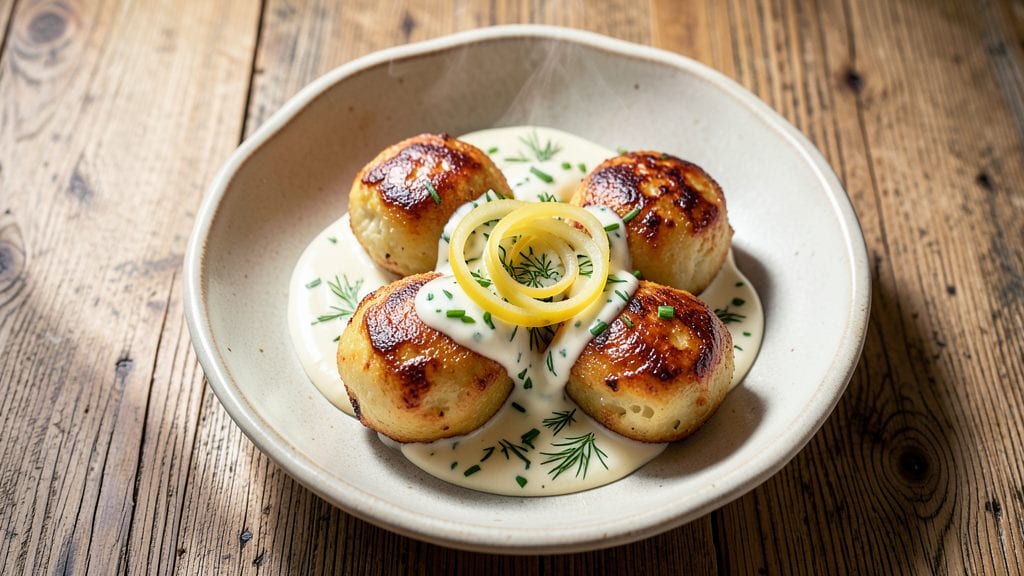
German potato balls—crispy on the outside, tender inside, with a secret herbed mayo core—are the ultimate comfort food side that transforms simple potatoes into something extraordinary. This recipe delivers the authentic German taste I grew up craving, with a technique that ensures golden, shatteringly crisp edges every time.
The key lies in proper grating and frying, where freshly grated potatoes release their starch and create that perfect crunch.
What sets these potato balls apart is the herbed mayo filling that keeps them moist while adding a bright, tangy contrast to the crispy exterior. We'll use a mix of butter and oil for frying—just enough fat to create that signature golden-brown crust without making them greasy.
The seasoning is simple but essential: coarse salt, freshly cracked black pepper, and finely chopped onion for depth. This isn't just a side dish; it's a flavor experience that pairs beautifully with applesauce, sour cream, or fresh chives.
By the time you've fried these to perfect crispness and assembled them with the herbed mayo, you'll have a dish that's crispy, satisfying, and impossible to resist.
The technique is straightforward but requires attention to detail—the grating must be fine, the frying must be patient, and the timing must be precise. Trust me, once you master this, you'll never buy store-bought potato balls again. Let's get started on creating your own batch of these golden, herby delights.
This recipe works beautifully as a standalone side for sausages or roasted meats, or as part of a hearty German-style spread. For those watching their gluten intake, I've included a simple alternative using potato flour that maintains the same texture without compromising on flavor.
The beauty of these potato balls is their versatility—they're equally at home on a weeknight dinner table or as the star of a holiday feast.
Ingredients for german potato balls
Crispy golden edges, herbed mayo core—just these ingredients transform humble potatoes into restaurant-worthy bites.
| Ingredient | Amount | Notes |
|---|---|---|
| Russet Potatoes 🥔 | 3 lbs | Freshly grated, no moisture |
| Mayonnaise 🥛 | ½ cup | High-quality, full-fat preferred |
| Butter 🧈 | ¼ cup | Unsalted, softened |
| Yellow Onion 🧅 | ¼ cup | Finely chopped, fresh |
| Fresh Dill 🌿 | 2 tbsp | Chopped, stems removed |
| Fresh Chives 🌱 | 2 tbsp | Chopped, mild flavor |
| Coarse Sea Salt 🧂 | 1 ½ tsp | For seasoning exterior |
| Freshly Ground Black Pepper 🌶️ | ½ tsp | Cracked, not pre-ground |
| Vegetable Oil 🫒 | 2 cups | High smoke point, neutral flavor |
| Butter 🧈 | ¼ cup | Melted for frying mixture |
| All-Purpose Flour 🌾 | ¼ cup | For binding grated potatoes |
| Potato Flour 🥔 | ¼ cup | Gluten-free alternative |
| Lemon Juice 🍋 | 1 tbsp | Brightens herbed mayo |
Russet potatoes are your golden ticket here—their high starch content is what creates that signature crisp. Grab the biggest, firmest russets you can find, especially if they're labeled organic or from Trader Joe's or Whole Foods—they're usually waxier and grate better. Skip the pre-grated stuff; fresh grating releases the starch that makes these golden and crunchy. For the herbed mayo, Hellmann's or Duke's mayo is my go-to (full-fat, no shortcuts), but any high-quality mayo works. The butter? Plugrá or Land O'Lakes unsalted melts beautifully—don't use salted here. Fresh herbs make all the difference: Penzeys or local farmers markets have the best dill and chives, but grocery store bunches work too if you use them within a week.
No fresh dill? Dried dill at half the amount works in a pinch, but fresh is worth hunting down. Running low on mayo? Greek yogurt mixed with olive oil gives a similar texture (though less rich). The potato flour is the gluten-free secret weapon—Bob's Red Mill is my go-to brand, but any potato starch works. For the frying mix, vegetable or canola oil is ideal, but peanut oil works too if you're avoiding soy. Pro tip: Mix the mayo and herbs first, then fold in the butter—it keeps everything creamy without breaking. And if you're watching calories, light mayo plus extra lemon juice cuts fat without sacrificing flavor.
These keep for 3 days in the fridge, but honestly? They're best the day they're made. For make-ahead prep, grate the potatoes and mix with flour up to a day ahead—store in the fridge in a sealed container. The herbed mayo can be made 2 days ahead and stored in the fridge. To reheat, air fry at 375°F for 5 minutes or pan-fry in butter until golden again. Freezing isn't ideal (they get soggy), but if you must, freeze the uncooked potato balls on a tray, then transfer to a bag. Fry straight from frozen—no thawing needed!
Why You'll Love This Recipe
- No Chopping Needed: I swear by this trick—just grate the raw potatoes and onions, no peeling or slicing. The texture stays perfect, and my hands stay clean while the kids "help" (read: make a mess).
- Creamy-Crisp Magic: That buttery mayo coating meets golden-brown edges when fried—it’s the kind of contrast that makes you pause mid-bite. Honestly, the dill ties it all together like a fresh hug.
- Game for Any Gathering: Serve them cold with pickles at a picnic, warm as a side at Thanksgiving, or straight from the fryer with mustard for a pub-style snack. My in-laws think they’re fancy; they’re just potato balls.
- Budget-Friendly Feast: Russets and onions are cheap, and this recipe stretches far—leftovers reheat beautifully in the air fryer. I’ve fed six people for under $10, and no one ever complains. (Yes, even on a Tuesday night.)
Step-by-step instructions for German potato balls
Here's how to make these crispy, herbed potato balls with a creamy mayo center—every bite is pure comfort!
Grate and Squeeze the Potatoes
Using a box grater, grate the 3 lbs russet potatoes into a large bowl. I like to use the fine side for that perfect texture. Immediately sprinkle with 1.5 tsp coarse sea salt and 0.5 tsp freshly ground black pepper—this draws out moisture while seasoning.
Wrap the grated potatoes in a clean kitchen towel and press firmly to squeeze out as much liquid as possible. This step is non-negotiable—wet potatoes will make your balls gummy instead of crispy. Work in batches if needed, but take your time. You want the grated potatoes to be as dry as possible before moving forward.
Mix the Potato Dough
In a separate bowl, combine the 0.25 cup all-purpose flour, 0.25 cup potato flour, and 0.25 cup finely chopped yellow onion. The potato flour adds a subtle sweetness and helps bind the mixture without gluten. Mix these dry ingredients thoroughly to eliminate any lumps.
Add the squeezed potatoes to the dry ingredients and gently fold everything together with a rubber spatula. Be careful not to overmix—just combine until the flour is evenly distributed. The dough should hold its shape when pressed but still feel slightly crumbly. If it's too dry, add 1 teaspoon of water at a time until it comes together.
Prepare the Herbed Mayo Filling
In a small bowl, mix the 0.5 cup mayonnaise, 0.25 cup softened butter, 2 tbsp chopped fresh dill, 2 tbsp chopped fresh chives, and 1 tbsp lemon juice. The lemon juice brightens the flavors and prevents the mayo from turning rancid. Stir until completely smooth—no streaks should remain.
Taste the mixture and adjust seasoning if needed. I usually add a pinch more coarse sea salt and freshly ground black pepper to taste. This herbed mayo is what makes these potato balls special—don't skip the fresh herbs! Cover and refrigerate while you shape the potato balls.
Shape and Chill the Potato Balls
Using your hands, roll the potato dough into 1.5-inch balls—about the size of a golf ball. I like to wet my hands slightly with cold water to prevent sticking. Place each ball on a parchment-lined baking sheet and gently press a small indentation in the center of each one.
Spoon about 1 teaspoon of the herbed mayo into each indentation, then carefully seal the potato dough around it to fully enclose the filling. Place the shaped potato balls back in the refrigerator for at least 30 minutes—this chilling step ensures they hold their shape during frying and prevents them from falling apart.
Pan-Fry to Golden Perfection
Heat 2 cups vegetable oil in a large skillet over medium heat until it reaches 350°F—use a thermometer for accuracy. The oil should be hot enough to sizzle gently when a potato ball is added. Working in batches to avoid overcrowding, carefully add the chilled potato balls to the hot oil.
Fry for 4-5 minutes until they turn a beautiful golden brown color. They're done when they float to the surface and maintain their shape when gently tested with a fork. Remove with a slotted spoon and drain on a paper towel-lined plate. The oil temperature is critical—too hot and they'll burn; too cool and they'll absorb too much oil.
Serve Warm and Crispy
Let the potato balls rest for 2 minutes before serving—this allows the filling to set slightly and makes them easier to handle. Serve immediately while still warm and crispy. The exterior should be perfectly golden and crunchy, while the interior reveals that creamy, herbed mayo center with every bite.
These potato balls are incredible served with a simple side salad, tangy mustard sauce, or even as a snack with beer. The contrast of the crispy exterior and creamy filling makes them irresistible—once you try them, you'll want to make them again and again!
Pro Tips For Making German Potato Balls
- Boil Potatoes Until Fork-Tender: Don’t pull them out when they’re still firm—aim for a knife slipping in like butter. Overcooked potatoes mash better, bind the mixture, and prevent those sad, crumbly balls. (Yes, even if they look mushy—this isn’t mashed potatoes.)
- Chill the Dough Before Shaping: After mixing mayo, butter, and grated potatoes, pop the bowl in the fridge for 20 minutes. Cold dough holds together better, so your balls won’t fall apart when frying. (I learned this the hard way—sticky, sad lumps are no one’s idea of fun.)
- Use a Mandoline for Even Grating: Russet skins add texture, but uneven grating means uneven cooking. A mandoline with the thinnest setting gives consistent thickness—no one piece will burn while others stay raw. (Skip the box grater unless you enjoy playing potato roulette.)
- Fry in Small Batches at 350°F: Crowding the pan drops the oil temp, leading to greasy, soggy balls. Keep it to 4-5 at a time, and maintain that steady 350°F—any hotter, and they’ll brown before cooking through. (Your future self will thank you for not rushing this.)
Serving suggestions for leftovers
Classic German Pairings
Serve these potato balls with German-style sauerkraut—the tangy, fermented cabbage cuts through the richness beautifully. I like to use Reinhart's sauerkraut from the deli section, warmed with a splash of apple cider vinegar and a pinch of caraway seeds.
For a heartier spread, add smoked sausages like bratwurst or knackwurst, which pair perfectly with the crispy exterior and herbed filling. 🍖
Sweet Contrast Options
Balance the savory flavors with applesauce—I recommend Mott's unsweetened for its natural tartness. The cool, fruity contrast makes every bite feel fresh. For a more indulgent touch, drizzle with honey or serve alongside sweet German mustard (like Dijon-style from Maille).
The sweetness enhances the herbed mayo filling without overpowering it.
Fresh Herb Garnishes
Fresh herbs elevate these potato balls instantly. Sprinkle with chopped chives or parsley right before serving for a pop of color and brightness. I also love adding thinly sliced radishes for a crisp, peppery bite.
For a more aromatic touch, scatter microgreens or watercress—they add a delicate, earthy note that complements the herbed mayo.
Beverage Pairings
A crisp German lager like Beck's or Warsteiner is the perfect match—its light, refreshing profile cleanses your palate between bites. For a non-alcoholic option, try sparkling apple cider (like Martinelli's) or ginger beer for a zesty kick.
If you prefer wine, a dry Riesling from Germany adds a citrusy contrast that pairs wonderfully with the herbed filling. 🍺
Make-Ahead Serving Tips
If prepping ahead, store the cooked potato balls in an airtight container at room temperature for up to 2 hours—they stay crispy surprisingly well. Reheat in a 350°F oven for 5-7 minutes to restore their crunch.
For a buffet-style spread, arrange them on a wooden board with small bowls of sauerkraut, applesauce, and mustard for guests to customize their plates. The presentation feels festive and inviting!
Nutrition facts
Frequently asked questions
Why do my potato balls turn out greasy instead of crispy?
The key is oil temperature and potato moisture. Use a thermometer to maintain 350°F oil—too cool makes them absorb excess fat. Also, squeeze grated potatoes thoroughly in a towel to remove all liquid before shaping. If they still feel greasy after frying, try patting them with paper towels immediately after draining.
Can I make these potato balls ahead of time?
You can prep components in advance! Grate potatoes and mix with flour up to 1 day ahead, storing in the fridge. The herbed mayo can be made 2 days ahead. However, fry fresh for best texture—reheating makes them soggy. For make-ahead serving, keep cooked potato balls in an airtight container at room temp for 2 hours max.
What's the secret to the herbed mayo filling staying creamy?
The lemon juice is critical—it stabilizes the mayo. Use cold ingredients (chill mayo and butter before mixing) and fold gently with a spatula. For extra insurance, add 1 tsp cornstarch to the mayo mixture before assembling. Also, don't overfill the potato balls—1 tsp per ball is perfect to prevent leaks during frying.
Are there gluten-free alternatives for this recipe?
Yes! Replace the all-purpose flour with potato flour (or cornstarch) in equal amounts. The potato flour maintains the same crispy texture while being naturally gluten-free. Just ensure your mayo is certified gluten-free if you're avoiding all gluten. The recipe works beautifully with this swap—no texture compromise!
How do I fix potato balls that fall apart when frying?
This usually happens from overmixing the dough or insufficient chilling. For future batches, handle the potato mixture gently and chill shaped balls for at least 30 minutes before frying. If they're already falling apart, try pressing them back together with wet hands, then fry immediately. The potato flour helps bind better than regular flour—use that as your first solution.