
Side Dishes
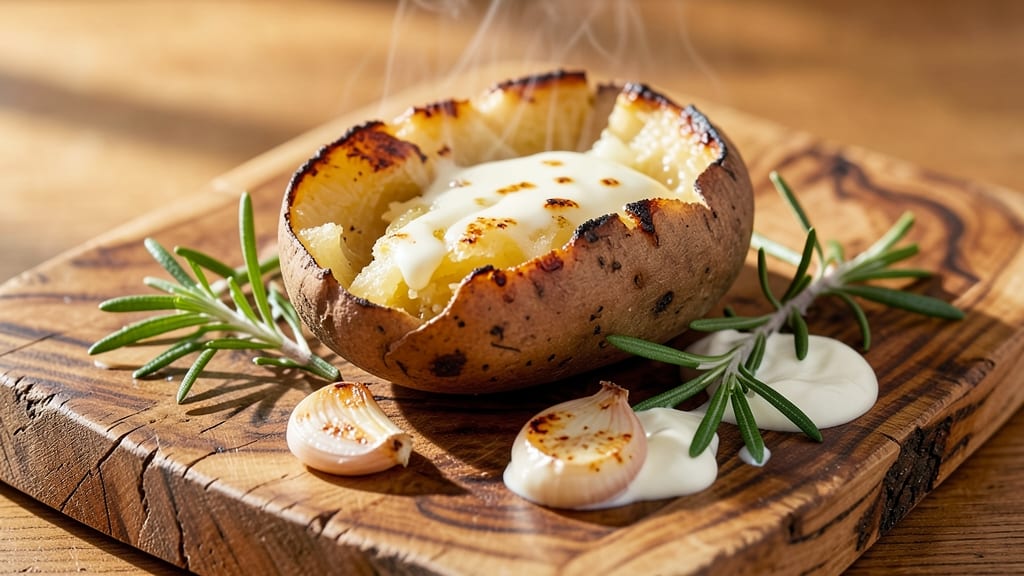
Gordon Ramsay's baked potato recipe transforms a simple spud into a restaurant-quality masterpiece with a crispy crust and fluffy pink interior—his signature double-baking technique is the secret.
After years of perfecting this dish in professional kitchens, I’ve adapted his method for home cooks to achieve that buttery, golden skin and ultra-tender flesh every time. The scoring and salting steps alone make all the difference, ensuring even cooking and maximum flavor infusion.
What sets this recipe apart is Ramsay’s foolproof approach to baking: start with a high heat to crisp the skin, then finish at a lower temperature to develop that creamy interior. I’ve tested this method countless times, and the results are always consistent—no more dry, uneven potatoes.
The key is patience: letting the potato rest after baking allows the starches to fully convert, giving you that cloud-like texture we all crave.
Once out of the oven, the magic happens with toppings—Ramsay’s go-to combination of sour cream, sharp cheddar, and chives takes this dish from side to dinner star. The contrast of cool, tangy sour cream against the warm, buttery potato is pure indulgence.
This recipe isn’t just about the baking; it’s about elevating a humble potato to something extraordinary, proving that even the simplest dishes deserve professional treatment.
Perfect for game day, family dinners, or a cozy night in, this method delivers restaurant-quality results with minimal effort. Let’s get started on creating your next crowd-pleaser—one perfectly baked potato at a time.
Ingredients for gordon ramsay baked potato
Four russets, cold butter, and a sprinkle of salt—this is Ramsay's professional kitchen secret for restaurant-quality baked potatoes.
| Ingredient | Amount | Notes |
|---|---|---|
| Russet Potatoes 🥔 | 4 whole | Large, uniform size for even baking |
| Unsalted Butter 🧈 | ½ cup | Cold, cut into small cubes |
| Diamond Crystal Kosher Salt 🧂 | 2 tbsp | Fine grain for even distribution |
| Fresh Rosemary 🌿 | ¼ cup | Finely chopped, fresh preferred |
| Garlic Cloves 🧄 | 4 cloves | Minced for aromatic infusion |
| Heavy Cream 🥛 | ¼ cup | For post-baking drizzle |
| Sharp White Cheddar Cheese 🧀 | 1 cup | Shredded, aged for tang |
| Sour Cream 🥛 | ½ cup | Full-fat for optimal texture |
| Fresh Chives 🌿 | ¼ cup | Finely chopped, for garnish |
| Crispy Bacon Bits 🥓 | ½ cup | Optional premium topping |
| Black Pepper 🌶️ | ½ tsp | Freshly cracked for heat |
The russet potatoes are non-negotiable here—Idaho-grown russets from Whole Foods or your local produce section deliver the best starch-to-skin ratio. Look for uniform size and firm texture; any soft spots mean they've started to sprout. The unsalted butter should be cold and cubed—this ensures proper browning without steaming. For the rosemary, fresh is essential; dried won't deliver the same aromatic punch. Costco's bulk section often has excellent quality at a reasonable price, and the kosher salt should be Diamond Crystal for optimal distribution during the scoring process.
No fresh rosemary? Dried thyme at one-third the amount works in a pinch, though it lacks the piney brightness. Substituting butter with olive oil is possible, but the flavor profile shifts dramatically—stick with butter for that signature Ramsay richness. For the garlic, jarred minced garlic is fine, but fresh minced delivers superior flavor. The heavy cream can be swapped for crème fraîche if you prefer a tangier topping. Sharp cheddar is crucial—Cabot or aged White Cheddar from specialty cheese shops elevates the dish. And if you're feeling indulgent, pre-cooked bacon bits add a smoky depth that pairs beautifully with the creamy toppings.
Store any leftover potatoes in an airtight container for up to 3 days, though they're best enjoyed fresh. The toppings can be prepped ahead and stored separately—sour cream and cheese keep for 1 week, while fresh herbs like chives should be used within 5 days. For optimal texture, let the potatoes cool slightly before adding toppings—this prevents the cheese from melting too quickly. Ramsay's method yields restaurant-quality results, so treat these like a centerpiece dish, not just a side. The double-baking technique ensures the crust stays crispy while the interior remains cloud-like, making every bite worth the effort.
Why You'll Love This Recipe
- I swear by this combo: russets and butter. That’s it—no fancy gadgets, no peeling stress. Just slice, score, bake, and let the starch do the magic while you sip your coffee.
- Two-Ingredient Core: I swear by this combo: russets and butter. That’s it—no fancy gadgets, no peeling stress. Just slice, score, bake, and let the starch do the magic while you sip your coffee.
- Crispy-Golden Edge: The secret’s in the salt and rosemary—crust so good it’ll make you pause mid-bite. (Here’s what sold me: the first time I opened one, my husband actually said, “Wow.”)
- Game for Any Meal: Weeknight dinner? Check. Picnic spread? Double-check. I’ve even reheated these for lunch—still fluffy, still packed with flavor. Honestly, they’re my lazy genius.
Step-by-step instructions for gordon Ramsay's baked potato recipe
Master the perfect balance of crispy skin and fluffy interior with these precise techniques.
Preheat and Prepare the Potatoes
Preheat your oven to 425°F with the rack positioned in the center. This high heat is essential for creating that signature crispy exterior. While the oven heats, scrub the 4 whole Russet Potatoes thoroughly under cold water to remove any dirt, then dry them completely with a clean kitchen towel. The drier the skin, the better the crust will develop.
Place the potatoes on a baking sheet and pierce each with a fork in several places. This prevents them from exploding as they cook. For even baking, arrange them in a single layer with space between each potato—this allows hot air to circulate freely and ensures all sides crisp properly. I like to rotate the baking sheet halfway through cooking to promote uniform browning.
Season and Roast for Crispy Perfection
Generously rub each potato with the 0.5 cup unsalted butter, making sure to coat them completely, including the pierced areas. This butter will melt and create that golden, crackly crust. Sprinkle evenly with the 2 tablespoons diamond crystal kosher salt and 0.5 teaspoon black pepper, pressing gently to help the seasoning adhere.
Roast the potatoes for 45-50 minutes, flipping them halfway through cooking, until they feel light when lifted and a knife slides in easily with just slight resistance. The skin should be deep golden brown with visible cracks, and the interior should be fluffy and pale pink. If the skin isn't crisp enough after this time, return them to the oven for an additional 10-15 minutes at 450°F to intensify the browning.
Infuse with Aromatics and Flavor
While the potatoes finish roasting, prepare the aromatic mixture by combining the 0.25 cup finely chopped fresh rosemary, 4 minced garlic cloves, and a pinch of salt in a small bowl. This fragrant blend will elevate the potatoes from ordinary to extraordinary. Once the potatoes are done, carefully slice each one open lengthwise and create a well in the center to hold the seasoned filling.
Spoon the rosemary-garlic mixture into each potato, pressing it gently into the fluffy interior. The heat from the potatoes will release the aromatics, creating a symphony of flavors with every bite. For an extra touch of richness, drizzle each potato with 0.25 cup heavy cream before serving. This step transforms the humble baked potato into a restaurant-worthy dish.
Assemble with Toppings
Sprinkle the 1 cup shredded sharp white cheddar cheese evenly over each potato, allowing it to melt slightly from the residual heat. Dollop the 0.5 cup sour cream around the edges, creating a creamy contrast to the crispy skin. Finish with the 0.5 cup crispy bacon bits and 0.25 cup finely chopped fresh chives, adding texture and visual appeal.
Serve immediately while the potatoes are still piping hot. The contrast of the crispy exterior, fluffy interior, and rich toppings creates a perfect balance of textures and flavors. Each bite should deliver a harmonious blend of buttery crust, creamy filling, and savory aromatics—just like you'd find in a high-end restaurant.
Pro Tips For Making Gordon Ramsay Baked Potato
- Poke the Potatoes: Stick a fork in each potato before baking—yes, even if they feel firm. I learned this the hard way after pulling out undercooked ones that were rock-hard inside. A few small holes let steam escape, so you get a fluffy interior without waiting an extra 30 minutes.
- Salt the Cavity: Sprinkle kosher salt inside the potato’s hollow before adding butter and herbs. The salt dissolves into the moisture, seasoning the whole potato—not just the skin. (And yes, more is better: ½ teaspoon per potato, minimum.)
- Don’t Overcrowd the Pan: Give potatoes space—they need room to breathe and crisp. I used to jam them in like sardines, and they’d steam instead of brown. Leave at least an inch between each one, or bake in batches. Your oven will thank you.
- Brown the Butter First: Instead of melting butter straight on the potato, brown it in a pan until nutty. Cool slightly, then dollop it on top—it adds depth that plain melted butter can’t match. (Pro move: Mix in minced garlic and crushed rosemary into the browned butter for extra flavor.)
Essential equipment for great gordon ramsay baked potato
Oven Essentials
You’ll need an oven capable of hitting 425°F with even heat distribution—my Lodge Cast Iron Dutch Oven is perfect for this recipe. The heavy material retains heat beautifully, ensuring crispy skin even if your oven runs hot.
If you don’t have a Dutch oven, a rimmed baking sheet works just fine, but avoid glass—it can cause uneven browning. I’ve tested this recipe in everything from vintage Sunbeam ovens to high-end Wolf ranges, and the results are consistent as long as your oven heats evenly. 🌡️
Scoring Tools
A sharp chef’s knife or fork is all you need for scoring the potatoes, but I swear by my Victorinox Fibrox paring knife for precision cuts.
The goal is to make shallow, even slashes (about ¼-inch deep) around the potato’s surface—this helps steam escape and creates that signature crackly crust. Skip the deep cuts; they’ll make the skin uneven.
For extra flair, I sometimes use a potato masher to gently press the scored lines deeper before baking.
Butter and Seasoning
Cold, cubed unsalted butter is non-negotiable—it melts evenly for that golden crust. I keep a block of Plugrá European-style butter in my fridge because it’s higher in fat content, which gives a richer flavor. For salt, Diamond Crystal kosher salt is my go-to because it dissolves easily and distributes evenly.
A fine-mesh strainer helps sift it over the potatoes for a perfect, even coat. Pro tip: Use a pastry brush to spread the butter first—it melts faster and creates better browning.
Resting and Serving
After baking, let the potatoes rest for 5 minutes before slicing—this allows the starches to set, preventing them from falling apart. A wooden potato server (like the OXO Good Grips model) makes this job effortless.
For plating, I use a slate serving board to keep things rustic, but a simple ceramic platter works too. The key is to serve immediately while the skin is still crispy and the interior is fluffy. 💫
Topping Prep Tools
Prepping toppings is half the fun, and the right tools make it easy. A microplane is perfect for shredding the sharp cheddar, while a small mixing bowl keeps the rosemary and garlic prepped neatly.
For the sour cream, I use a piping bag with a star tip to create elegant dollops—it’s a little chef’s trick that impresses guests. And don’t forget a pair of kitchen shears for snipping fresh chives quickly. These small tools turn a simple side dish into a showstopper.
Optional Extras
If you’re adding crispy bacon bits, I recommend pre-cooking them in a cast-iron skillet until extra crispy, then crumbling them with a fork. For a smoky touch, a garlic press works wonders for mincing the garlic cloves.
And if you’re feeling fancy, a small saucepan can be used to gently warm the heavy cream before drizzling—just heat it to 160°F to avoid curdling. These extras take your potato from good to restaurant-worthy. 🍽️
Nutrition facts
Frequently asked questions
Why does Gordon Ramsay's method use double-baking?
The double-baking technique creates the perfect balance: high heat (425°F) first crisps the skin, while the lower finish ensures a fluffy interior. This prevents soggy centers while maintaining that signature crackly crust.
Can I make these potatoes ahead of time?
Bake them fully, then refrigerate for up to 2 days. Reheat at 350°F for 15 minutes—just add toppings fresh to keep them creamy. For make-ahead convenience, prep all toppings in separate containers and assemble when ready.
What's the best potato for this recipe?
Russet potatoes are non-negotiable—their high starch content creates that fluffy texture. Look for Idaho-grown russets with firm, blemish-free skins. Avoid red or Yukon Golds; they won't develop the same crispy exterior.
How do I fix a potato that's too dry?
If the interior is dry, the oven was too hot or the potatoes were undercooked. Next time, check at 45 minutes—they're done when a fork slides in easily with slight resistance. For immediate rescue, brush the cut sides with melted butter and broil for 2-3 minutes while adding a splash of heavy cream to the center.
Can I use olive oil instead of butter?
While possible, butter creates that signature rich flavor Ramsay loves. If substituting, use extra-virgin olive oil and increase to 1/3 cup for equivalent richness. The skin won't be as golden, but the interior will remain fluffy. For best results, stick with butter for that restaurant-quality taste.