
Side Dishes
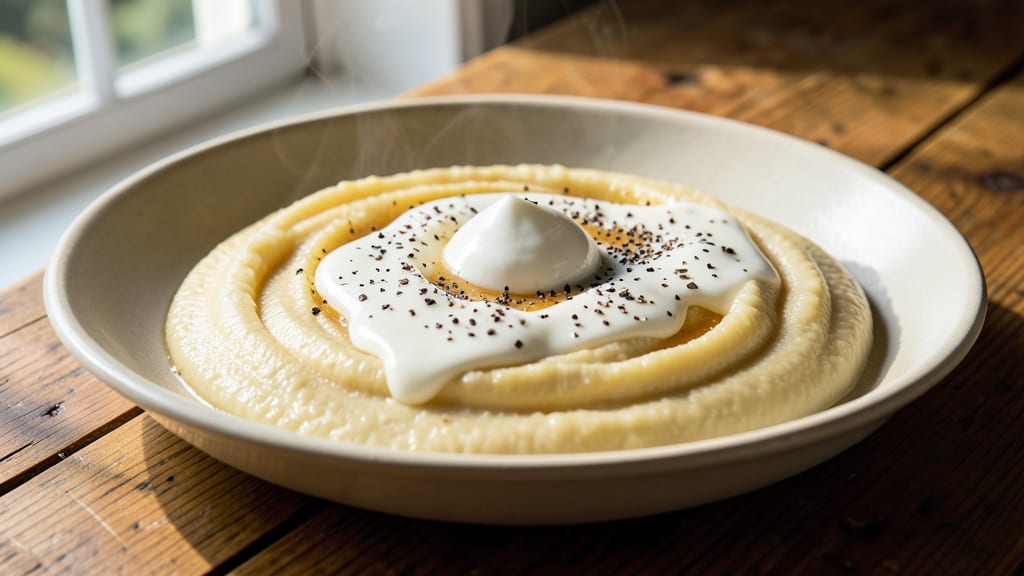
Mastering Gordon Ramsay's potato puree recipe transforms a simple side into a velvety, lumpy-free masterpiece that elevates any meal. The secret lies in precise technique—boiling the right potatoes, straining for silkiness, and balancing seasonings like a pro.
This isn’t just mashed potatoes; it’s a foolproof method that delivers restaurant-quality texture in just 15 minutes.
What sets this puree apart is the attention to detail: using starchy potatoes like Russets ensures creaminess, while proper straining eliminates lumps entirely. The key ingredients—butter, warm cream, and a pinch of salt—work together to create a smooth, velvety finish that’s rich but never heavy.
Even beginners can achieve this professional result with the right steps.
By the time you’re done, you’ll have a puree so silky it glides off the spoon, with a golden hue and perfectly balanced seasoning. The texture is melt-in-your-mouth, and the aroma alone will make your kitchen feel like a fine-dining restaurant.
Serve it alongside roasted meats or as a base for creamy soups—this puree is a game-changer.
For an extra touch, top with fresh chives or a crack of black pepper to add color and contrast. The presentation matters just as much as the flavor, and this method ensures both are flawless. Ready to impress? Let’s get started on this restaurant-quality side dish.
Ingredients for gordon ramsay potato puree
Eight essential ingredients create this restaurant-quality puree—starchy potatoes, rich dairy, and precise seasoning.
| Ingredient | Amount | Notes |
|---|---|---|
| Russet Potatoes 🥔 | 2 lbs | Peeled, cut into even chunks |
| Unsalted Butter 🧈 | ½ cup | Cold, cut into small cubes |
| Heavy Cream 🥛 | ¾ cup | Warm, not hot |
| Whole Milk 🥛 | ¼ cup | Warmed to room temperature |
| Diamond Crystal Kosher Salt 🧂 | 1 ½ tsp | Fine grain preferred |
| Freshly Ground Black Pepper 🌶️ | ½ tsp | Cracked over finished puree |
| Fresh Chives 🌿 | 2 tbsp | Finely chopped for garnish |
| Garlic Cloves 🧄 | 1 whole | Optional, for subtle depth |
Russet potatoes are non-negotiable for this recipe—their high starch content yields the signature velvety texture. Buy organic if possible, as their skins are thinner and easier to peel. The Whole Foods Market or Trader Joe's carry excellent Russets year-round. For best results, select potatoes that are firm and free of sprouts. The key to even cooking lies in cutting them into 1.5-inch chunks—smaller pieces cook faster and more uniformly, preventing a gummy texture. If you're short on time, microwave the peeled potatoes for 5 minutes before boiling to reduce cooking time by half.
No unsalted butter? European-style cultured butter works beautifully, though it may require slight salt adjustment. Heavy cream can be substituted with half-and-half, but the texture will be slightly lighter. For a dairy-free version, replace the butter and cream with 1 cup coconut cream and 1 tbsp olive oil, though the flavor profile shifts noticeably. The optional garlic clove should be lightly toasted in butter before blending to enhance its flavor without overpowering. If you're using a potato ricer instead of a food mill, press the potatoes through twice for maximum silkiness. For those without a ricer, a fine-mesh sieve works in a pinch, though it requires more elbow grease.
This puree reheats beautifully—simply warm it gently on the stove with a splash of milk to restore its creamy consistency. Store leftovers in an airtight container for up to 5 days, though the texture degrades slightly after 3 days. For longer storage, freeze portions in ice cube trays and transfer to a bag, where they'll keep for 3 months. To serve, spread the puree on a warm platter and top with the reserved chives and a generous crack of black pepper. The contrast of the green garnish against the golden puree creates a visually stunning presentation that rivals any restaurant dish.
Why You'll Love This Recipe
- The secret’s in the technique: boiling until tender, then mashing while hot with that cold butter. It’s not just creamy—it’s luxurious, like a hug on a plate.
- Five-Ingredient Magic: I swear by this list—just potatoes, butter, cream, milk, and salt. No fancy gadgets, no stress, and honestly? That’s all you need for restaurant-quality smoothness.
- Velvet Texture Wins: The secret’s in the technique: boiling until tender, then mashing while hot with that cold butter. It’s not just creamy—it’s luxurious, like a hug on a plate.
- Weeknight & Holiday: Slap this on the table for a quick family dinner, or serve it under roast beef for a fancy Sunday. Same effort, different vibes—it’s my go-to for any occasion.
Step-by-step instructions for Gordon Ramsay-style potato puree
Master this technique and you'll achieve restaurant-quality, velvety potato puree every time.
Prep and Boil the Potatoes for Perfect Texture
Begin by peeling the 2 lbs russet potatoes and cutting them into even 1-inch chunks. I use a mandoline for consistency—this ensures uniform cooking and eliminates the risk of undercooked centers. Place the potato chunks in a large pot and cover with cold water by about 2 inches. Add the 1 whole garlic clove (if using) for subtle depth.
Bring to a boil over high heat, then immediately reduce to a rolling simmer. Cook for exactly 15 minutes until the potatoes are fork-tender. You'll know they're ready when a knife slides in easily and the edges begin to soften. Drain immediately in a colander and return the potatoes to the pot. This quick draining prevents them from absorbing excess water that could dilute your puree.
Heat the Dairy Components Precisely
While the potatoes cook, prepare the dairy components. In a small saucepan, gently warm the 0.25 cup whole milk until it reaches just under a simmer—you want it warm but not hot to the touch. In a separate bowl, melt the 0.5 cup unsalted butter cut into small cubes over a double boiler or in the microwave in 10-second intervals, stirring between each, until completely melted but not hot.
The key here is temperature control. Hot dairy can break the potato starches and create a gummy texture. Warm milk and melted butter at room temperature ensure a smooth, silky finish. Keep both mixtures at the ready—you'll need them in the next step.
Crush and Incorporate Dairy for Lumpy-Free Perfection
Using a potato masher or ricer, crush the hot potatoes directly in the pot. I prefer a ricer for its ability to break down the potatoes completely without creating lumps, but a masher works if you're gentle. Once the potatoes are fully crushed, add the warm milk and melted butter. Stir vigorously with a wooden spoon for 2 minutes to fully incorporate.
Here's where most people go wrong: don't rush this step. The residual heat from the potatoes will begin to cook the starches, creating that signature velvety texture. If you see any lumps, press them through a fine-mesh sieve into the pot. The goal is a completely smooth consistency—no visible potato pieces should remain.
Blend to Silky Smoothness with Precision
Transfer the potato mixture to a stand mixer fitted with the paddle attachment. Mix on medium speed for 1 minute to break down any remaining texture. Then increase to high speed and blend for 3-4 minutes until completely smooth. The puree should be silky with no resistance when you press it between your fingers.
If you encounter any lumps at this stage, stop the mixer and press them through a fine-mesh sieve back into the bowl. This final blending step is critical—it's what transforms good potato puree into exceptional puree. The mixture should be thick enough to coat the back of a spoon but still flow smoothly.
Season and Finish with Professional Technique
Return the puree to the pot and place it over low heat. Stir in the 0.75 cup heavy cream and warm through for 1-2 minutes—just enough to incorporate without cooking the cream. Season with the 1.5 tsp diamond crystal kosher salt and 0.5 tsp freshly ground black pepper, tasting as you go. The salt should enhance the natural potato flavor without overpowering it.
For the final touch, transfer the puree to a serving bowl and swirl in the 2 tbsp finely chopped fresh chives. Serve immediately while still warm, as the texture begins to thicken as it cools. This puree should be rich, creamy, and completely lumpy-free—a true restaurant-quality result that lives up to the Gordon Ramsay standard.
Pro Tips For Making Gordon Ramsay Potato Puree
- Boil Until Fork-Tender: Russets stay firm if you rush—drop them in cold, salted water and cook until they collapse like overripe fruit when pierced with a knife. I used to pull them too soon, and the puree turned out grainy and dry. Trust the timer: about 20-25 minutes for 3-4 lbs of potatoes, depending on size.
- Peel While Warm: Peel potatoes right after draining while they’re still hot—skin slides off effortlessly. Cold potatoes fight you, and you’ll end up with raw patches or cutting yourself. This also saves time; no need to soak them first.
- Salt the Water Hard: Use 2 tablespoons of Diamond Crystal kosher salt per gallon of water—more than you think. Under-salted water means the potatoes absorb blandness, and your puree will taste flat no matter how much you season later.
- Warm the Dairy First: Heat the heavy cream and milk separately in a saucepan until steaming (don’t boil) before mixing with the potatoes. Cold dairy shocks the hot mash, causing lumps that no amount of whisking fixes. A few minutes of pre-warming makes all the difference.
Perfect pairings for these flavors
Protein Pairings
This velvety puree is a perfect foil for rich, hearty proteins. I love serving it alongside Gordon Ramsay’s pan-seared duck breast—the crispy skin contrasts beautifully with the smooth puree.
For beef lovers, a reverse-seared ribeye at 125°F internal temperature followed by a sear in a Lodge cast iron skillet pairs flawlessly. The puree’s creaminess cuts through the fat, creating a balanced bite. 🥩
Vegetable Sides
Bright, fresh vegetables balance the richness of this puree. A roasted Brussels sprouts salad with pecans, dried cranberries, and balsamic glaze adds crunch and acidity. For a lighter option, try sautéed asparagus with lemon zest and white wine>, which complements the puree’s buttery notes.
I often serve both together for a complete, restaurant-worthy plate.
Beverage Pairings
A crisp Chardonnay with citrus undertones enhances the puree’s creamy texture. I recommend a California-style Chardonnay like Kendall-Jackson Vintner’s Reserve—its stone fruit flavors complement the potatoes beautifully. For beer lovers, a Belgian witbier like Hoegaarden adds a refreshing contrast with its coriander and citrus notes.
Avoid heavy reds or malty stouts, which can overpower the delicate flavors. 🍷
Global Variations
For a French bistro twist, stir 1 tbsp Dijon mustard and 1 tsp fresh thyme> into the warm puree before serving. This adds depth and pairs wonderfully with coq au vin.
In Italy, a sprinkle of Parmigiano-Reggiano and black truffle oil transforms it into a creamy gnocchi base. For a Mexican-inspired version, mix in 1 tsp adobo sauce> and top with cilantro and lime zest.
Presentation Tips
Serve the puree on a warm platter with a ring mold for an elegant shape. Garnish with chive blossoms and a drizzle of truffle oil for a Michelin-star touch. For a rustic look, spread it on a wooden board alongside roasted meats.
The key is contrast—pair the golden puree with dark greens or vibrant herbs to make the dish pop visually. 🌟
Make-Ahead Serving
This puree reheats beautifully—simply warm it gently on the stove with a splash of milk to restore its creamy texture. Store leftovers in an airtight container for up to 5 days or freeze in ice cube trays for 3 months.
For a gourmet touch, serve it cold as a creamy potato dip with crudité or oyster crackers. The versatility makes it perfect for meal prep or last-minute entertaining.
Nutrition facts
Frequently asked questions
Why do I need to use Russet potatoes for this puree?
Russet potatoes have the highest starch content, which creates that signature velvety texture. Their low moisture and high dry matter yield a smoother, creamier result compared to waxy potatoes like Yukon Golds. For best results, choose firm, unsprouted potatoes—this ensures maximum starch release during cooking.
Can I make this puree ahead of time?
Store leftovers in an airtight container for up to 5 days in the fridge. For longer storage, freeze in ice cube trays for 3 months. To reheat, warm gently on low heat with a splash of milk to restore creaminess. The texture may thicken slightly as it cools, so adjust with extra warm milk if needed.
What's the secret to avoiding lumps?
Use a potato ricer or fine-mesh sieve to break down the potatoes completely before blending. The key is patience—don't rush the blending process. If lumps appear, press them through the sieve again. Also, ensure your dairy components are warm (not hot) when incorporating to prevent starch breakdown that causes gummy textures.
Can I substitute heavy cream with something lighter?
You can use half-and-half, but the texture will be slightly lighter. For a dairy-free version, replace the butter and cream with 1 cup coconut cream and 1 tbsp olive oil. Keep in mind this will alter the flavor profile—coconut cream adds a subtle sweetness, while olive oil provides a more neutral base. Adjust seasoning accordingly.
How do I fix puree that's too thick or too thin?
For thick puree, stir in warm milk 1 tbsp at a time until reaching desired consistency. If too thin, place the pot over low heat and cook gently while stirring—this evaporates excess moisture. Never boil, as this can break the starches and create a gluey texture. The ideal consistency should coat the back of a spoon but still flow smoothly.