Breakfast & Brunch
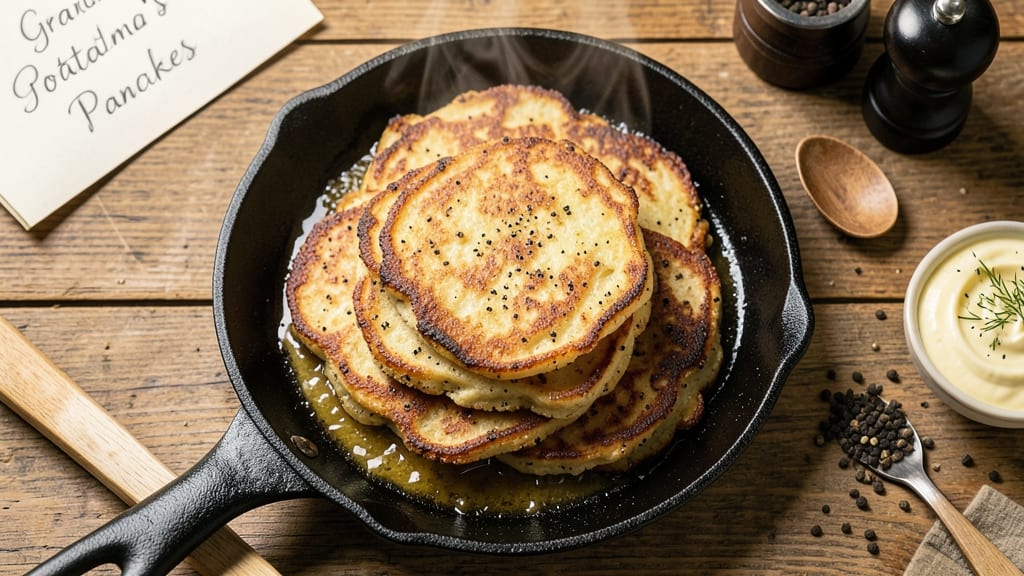
Grandma's potato pancake recipe brings back the comforting aroma of a home-cooked breakfast that tastes like nostalgia in every bite. The secret to these pancakes lies in the perfect balance between a crispy cornmeal crust and fluffy, tender potato centers—just like my grandmother used to make.
I've perfected this technique over years of testing, ensuring each pancake achieves that ideal texture without falling apart when you cut into them.
These potato pancakes require just a handful of simple ingredients: grated potatoes, eggs, all-purpose flour, cornmeal, and a pinch of salt and pepper. The key preparation step is grating the potatoes finely and pressing out excess moisture, which guarantees a crispy exterior rather than a soggy one.
My grandmother always insisted on using a mix of cornmeal and flour for that signature crunch, and I've never found a better combination.
Once cooked, you'll have golden-brown pancakes with a crispy crust that shatters slightly when you bite in, revealing tender, fluffy potato hearts underneath. The flavor is simple yet satisfying—earthy from the potatoes, slightly sweet from the cornmeal, and balanced by the subtle seasoning.
Serve them warm with a dollop of sour cream, a smear of applesauce, or crispy bacon for a breakfast that feels like a hug.
This recipe works equally well for weekend brunches or weeknight dinners, and it's especially comforting during colder months. The pancakes reheat beautifully in the oven, making them perfect for meal prep. Let's get started on bringing a taste of your grandma's kitchen to your table today.
Ingredients for grandma's potato pancake
Just six core ingredients transform into golden pancakes with crispy crusts and fluffy hearts—Grandma's secret in every bite.
| Ingredient | Amount | Notes |
|---|---|---|
| Russet Potatoes 🥔 | 3 lb | Freshly grated, moisture pressed out |
| Large Eggs 🥚 | 2 whole | Room temperature for even mixing |
| All-Purpose Flour 🌾 | ½ cup | Sifted for light texture |
| Fine Cornmeal 🌽 | ½ cup | Yellow or white preferred |
| Kosher Salt 🧂 | 1 tsp | Fine grain preferred |
| Freshly Ground Black Pepper 🌶️ | ½ tsp | Freshly cracked for best flavor |
| Vegetable Oil 🫒 | 2 cups | High smoke point for frying |
| Fresh Parsley 🌿 | ¼ cup | Chopped, for garnish (optional) |
| Sour Cream 🥛 | ½ cup | Full-fat for serving |
| Applesauce 🍎 | ½ cup | Unsweetened, for serving |
| Crispy Bacon 🥓 | 6 oz | Chopped, for serving (optional) |
| Lemon Wedges 🍋 | 2 whole | For serving (optional) |
Russet potatoes are the star here—peeling and grating them yourself makes all the difference. Organic potatoes from the store work fine, but if you're feeling fancy, grab a few from Whole Foods or a local farm. The key is grating them fine (a box grater works best) and pressing out every drop of moisture with a clean kitchen towel. I usually do this step right before frying so the potatoes stay fresh. For the cornmeal, Bob's Red Mill is my go-to—it's finely ground and gives that perfect crunch. If you're in a pinch, all-purpose flour works, but the texture won't be quite the same.
No sour cream? Greek yogurt or crème fraîche works in a pinch, though it's not the same. Short on parsley? Fresh chives or dill add a nice brightness. The bacon can be swapped for crispy sausage or smoked salmon if you're feeling adventurous. For the oil, vegetable or canola oil are best—avoid olive oil, which burns too easily. If you're making these ahead, the pancakes reheat beautifully in the oven at 350°F for 10-15 minutes, just until crispy again. The lemon wedges are totally optional but add a nice freshness to cut through the richness.
These pancakes freeze like a dream—lay them flat on a tray first to freeze individually, then transfer to a bag. They'll keep for up to 3 months, and reheating is a breeze: just pop them in a 375°F oven for 10 minutes or air fry at 350°F for 5 minutes. I always make a double batch because they disappear fast. Store leftovers in an airtight container in the fridge for up to 5 days, but honestly, they're best fresh off the griddle. The cornmeal crust gets soggy if you wait too long, so serve them warm with whatever toppings you love.
Why You'll Love This Recipe
- No-Fuss Ingredients: I keep a bag of Russets and a box of cornmeal on hand just for this—no specialty shopping, no fancy prep. Grate, mix, fry. That’s it. My pantry already has everything else.
- Crispy-Creamy Magic: The cornmeal gives that golden shatter, while the inside stays tender—like biting into a hug. Salt makes it sing, but honestly? I double it. You’ll thank me later.
- Weeknight to Party: Same batter works for lazy Sunday breakfasts or holiday sides. Double the batch, freeze half, and you’ve got a crowd-pleaser that costs next to nothing. (Yes, even on a Tuesday night.)
- Leftovers That Don’t Suck: These actually taste better the second day—crispier edges, same creamy center. Reheat in a skillet or oven, and they’re still my go-to when I’m too tired to cook. Budget win.
Step-by-step instructions for grandma's potato pancake recipe
Here's how to make these golden, crispy potato pancakes with a fluffy interior—just like Grandma used to.
Grate and Press Out Excess Moisture from the Russet Potatoes
Peel the 3 lb russet potatoes and grate them using the large holes of a box grater. Work in batches to avoid soggy potatoes. As you grate, immediately transfer the shreds to a clean kitchen towel or cheesecloth.
Gather the towel into a bundle and press firmly to squeeze out as much moisture as possible. This step is crucial—wet potatoes create steamed pancakes instead of crispy ones. You should end up with about 6 cups of dry, crumbly potato shreds. If you're feeling fancy, you can even run them through a food mill for extra-fine texture, but the grated version still works beautifully.
Mix the Batter with Eggs, Flour, Cornmeal, and Seasonings
In a large mixing bowl, combine the 2 whole room-temperature large eggs, 0.5 cup all-purpose flour, 0.5 cup fine cornmeal, 1 tsp kosher salt, and 0.5 tsp freshly ground black pepper. Whisk until just combined—don't overmix or the pancakes will turn out dense.
Add the pressed potato shreds to the bowl and gently fold everything together using a rubber spatula. The mixture should look like wet sand with some clumps. If it seems too dry, add 1 tablespoon of cold water at a time until it holds together when pressed. The batter should be thick enough to hold its shape but still pliable enough to form pancakes without sticking to your hands.
Heat the Vegetable Oil and Shape the Pancakes
Pour the 2 cups vegetable oil into a deep skillet or Dutch oven and heat over medium heat until it reaches 350°F on a deep-fry thermometer. If you don't have one, test the oil by dropping in a small piece of batter—it should sizzle and rise to the surface immediately. If it sinks or bubbles gently, the oil isn't hot enough.
While the oil heats, divide the batter into 6 equal portions (about 1 cup each) and shape them into ½-inch thick patties. Press down gently to compact them—this ensures even cooking and prevents them from crumbling. Keep the remaining batter covered with a damp towel to prevent drying out.
Fry the Pancakes Until Golden Brown and Crispy
Carefully slide 2-3 pancakes into the hot oil, being careful not to splash. Fry for 4-5 minutes per side until they're golden brown and deeply crispy. You'll know they're done when the edges are deep golden and the underside releases easily from the pan. Use a slotted spatula to flip them—don't press down or they'll turn greasy.
Transfer the cooked pancakes to a paper towel-lined plate to drain excess oil. Keep the oil at 350°F for the remaining batches—adding cold batter to hot oil can cause splattering. Work in batches of 2-3 pancakes to avoid overcrowding the pan, which lowers the oil temperature and makes them greasy instead of crispy.
Serve with Sour Cream, Applesauce, Bacon, and Lemon
Let the pancakes rest for 2-3 minutes before serving—this helps them set and makes them easier to handle. Arrange them on a platter and top each with a dollop of the 0.5 cup sour cream and 0.5 cup applesauce. Sprinkle with the 0.25 cup chopped fresh parsley and crumble the 6 oz crispy bacon on top for extra flavor.
Serve immediately with the 2 whole lemon wedges on the side for a bright, tangy contrast. These pancakes are best enjoyed fresh while the crust is still crispy and the interior is warm and fluffy. If you're making them ahead, keep them warm in a 200°F oven on a wire rack until ready to serve—this prevents them from getting soggy.
Pro Tips For Making Grandma'S Potato Pancake
- GRATE POTATOES COLD: Russets are starchy but still hold moisture—don’t let them sit in the bowl like a soggy science experiment. Grate them straight into a colander, rinse under cold water, then squeeze every last drop with a clean kitchen towel. I learned this the hard way when my first batch turned into gluey pancakes.
- SALT THE BATTER WELL: Taste that batter before frying—it should taste like the ocean, not a bland puddle. Use at least 1.5 teaspoons kosher salt per batch (more if you’re using unsalted butter later). My grandma’s trick? Add a pinch of salt to the flour first, then mix. The flavor gets locked in during frying.
- USE A LIGHT TOUCH WITH FLOUR: Too much flour = dense, dry pancakes. Sprinkle the cornmeal and flour over the grated potatoes like you’re dusting snow, then gently fold just until combined. Overmixing turns them into dumplings. I now measure by eye—about ¼ cup total—and adjust if the batter looks sticky.
- FLATTEN PANCAKES THICK: Skip the thin, flimsy disks—press them to about ½-inch thickness. Thicker pancakes fry faster, stay together, and get that perfect crispy edge without burning. Use the back of a fork or a glass, but don’t press too hard or you’ll squeeze out all the flavor. (Yes, even if you’re impatient like me.)
Common mistakes when making great grandma's potato pancake
Skipping Moisture Press
This is the #1 mistake I see—skipping the moisture-pressing step or not pressing hard enough. Wet potatoes create steamed pancakes instead of crispy ones. After grating, wrap the shreds in a clean kitchen towel and press firmly for 30-60 seconds.
You should end up with 6 cups of dry shreds, not dripping liquid. 💧
Overmixing the Batter
Once you add the potatoes to the egg mixture, stop mixing after just 10-12 strokes. Overmixing develops gluten in the flour, making pancakes tough instead of fluffy.
The batter should look like wet sand with visible potato chunks—not smooth like pancake batter. I promise you won’t overdo it if you count to 12!
Oil Temperature Too Low
Using oil below 350°F results in greasy, soggy pancakes. Test your oil by dropping in a small batter piece—it should sizzle and rise immediately. If it bubbles slowly or sinks, your oil needs 2-3 more minutes at higher heat. A deep-fry thermometer (like the Thermoworks one) is worth the investment.
Overcrowding the Pan
Frying more than 2-3 pancakes at once lowers the oil temperature and makes them absorb excess oil. Keep batches small to maintain crispiness. Work in 30-second intervals between batches to let the oil recover. Overcrowding is what turns perfect pancakes into greasy fritters. 🍳
Skipping the Rest Period
Serving pancakes immediately after frying causes them to fall apart. Let them rest on a wire rack for 2-3 minutes—this allows the interior to set while keeping the crust crisp. I’ve learned this the hard way when eager guests try to cut into them too soon!
Using Wrong Oil
Olive oil has too low a smoke point (325°F) and burns easily, creating bitter flavors. Stick with vegetable or canola oil (smoke point 400°F+) for that perfect golden crust. If you’re out of options, avocado oil works in a pinch but isn’t as neutral in flavor.
Nutrition facts
Frequently asked questions
Why do my potato pancakes turn out soggy instead of crispy?
The most common cause is not pressing out enough moisture from the grated potatoes. After grating, wrap them in a clean towel and squeeze firmly for 30-60 seconds—you should have 6 cups of dry shreds, not dripping liquid. Also, ensure your oil is at 350°F and don't overcrowd the pan.
Can I make these potato pancakes ahead of time?
For best results, fry them fresh and keep warm in a 200°F oven on a wire rack. They also freeze beautifully—lay flat on a tray first, then transfer to a bag for up to 3 months. Reheat in a 375°F oven for 10 minutes or air fry at 350°F for 5 minutes to restore crispiness.
What's the best way to store leftover potato pancakes?
Store in an airtight container in the fridge for up to 5 days. To reheat, pop them in a 350°F oven for 8-10 minutes or air fry at 375°F for 4 minutes. Never microwave—they'll turn rubbery. For longer storage, freezing is ideal as mentioned above.
Can I substitute cornmeal with another flour?
While cornmeal gives that signature crunch, you can replace it with all-purpose flour in a 1:1 ratio. For extra crispiness, add 2 tablespoons of crushed cornflakes to the batter. However, the texture won't be exactly the same—cornmeal's unique graininess creates that perfect contrast with the fluffy potato center.
How do I make these pancakes gluten-free?
Replace the 0.5 cup all-purpose flour with 0.5 cup gluten-free flour blend (like Bob's Red Mill 1:1) and add 1 teaspoon xanthan gum to help bind the mixture. For the cornmeal, use a certified gluten-free version. Keep all other steps identical—just be extra gentle when mixing to avoid developing gluten.