
Side Dishes
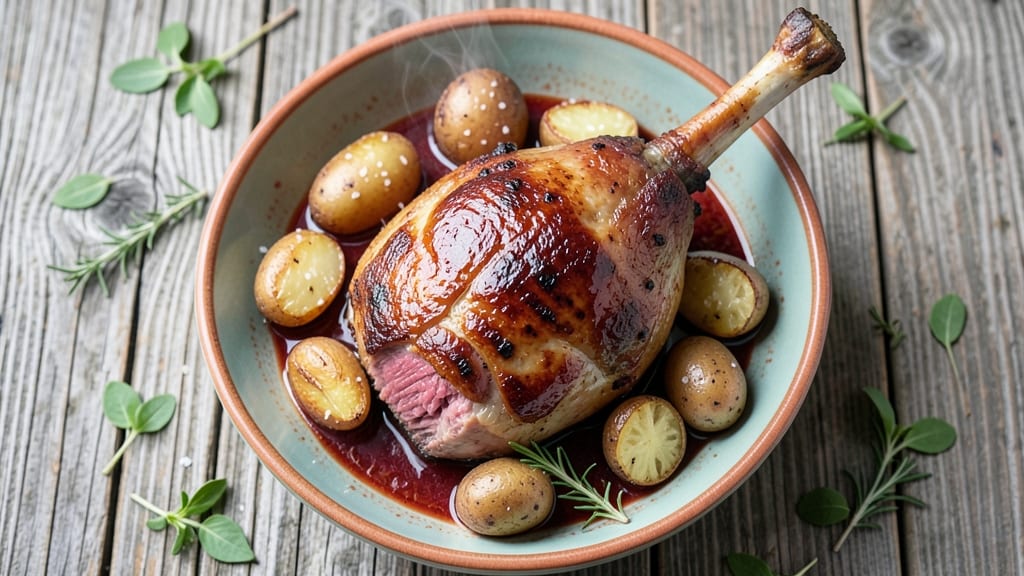
This Greek leg of lamb recipe with potatoes transforms a Sunday dinner into a taste of Mediterranean tradition, where tender meat meets crispy spuds in perfect harmony.
Standing on a step stool in my grandmother’s kitchen in Sicily, I first learned how garlic, oregano, and lemon work magic on lamb—now I’m bringing that same technique to this dish, where slow-roasting unlocks rich, caramelized flavors.
The secret lies in a herb-infused marinade that tenderizes the meat while building layers of aroma, paired with potatoes roasted until their edges turn crispy and golden. This isn’t just a meal; it’s a celebration of flavors that bring families together, just like the feasts I remember from childhood.
The vinegar-kissed spuds add a bright contrast that cuts through the lamb’s richness.
By the time you pull this dish from the oven, you’ll have a restaurant-quality centerpiece with fall-apart lamb and potatoes so crispy they’ll disappear from the plate. The aroma alone will have everyone gathering at the table—just as it did in my Nonna’s kitchen.
Every bite delivers that perfect balance of savory, herby, and slightly tangy notes.
Serve with a simple Greek salad or warm pita bread to complete the experience. This recipe is designed to impress without stress, making it ideal for gatherings or a special weeknight dinner. Let’s get cooking!
Ingredients for greek leg of lamb recipe with potatoes
Herbs, garlic, and lemon bring this Greek lamb to life alongside crispy vinegar-kissed potatoes.
| Ingredient | Amount | Notes |
|---|---|---|
| Leg of Lamb 🥩 | 4 lb | Bone-in, trimmed of excess fat |
| Baby Potatoes 🥔 | 3 lb | Yukon Gold or red, halved |
| Extra-Virgin Olive Oil 🫒 | ½ cup | For roasting and marinade |
| Fresh Garlic Cloves 🧄 | 8 cloves | Minced for marinade |
| Fresh Oregano Leaves 🌿 | ½ cup | Chopped, stems removed |
| Fresh Rosemary Sprigs 🌿 | 4 whole | Chopped, woody stems discarded |
| Lemon Zest 🍋 | 1 tbsp | From 1 large lemon |
| Red Wine Vinegar 🍷 | ¼ cup | For potato tossing |
| Sea Salt 🧂 | 2 tbsp | Kosher or coarse |
| Freshly Ground Black Pepper 🌶️ | 1 tbsp | Coarse grind preferred |
| Honey 🍯 | 2 tbsp | Light variety for glaze |
| Dried Thyme Leaves 🌿 | 1 tsp | Crumbled, or fresh thyme |
| Red Wine 🍷 | ½ cup | Dry variety for marinade |
The lamb is the star here—bone-in for flavor, but trim any thick fat caps so it roasts evenly. Costco or Whole Foods usually carry well-marbled legs, but check your local butcher for the freshest cut. I always ask for it to be trimmed—less fat means more tender meat. The potatoes? Yukon Golds or reds hold up best to roasting, but any small spuds work. Halve them before tossing so they crisp up faster. Fresh herbs are non-negotiable for that Mediterranean brightness—Trader Joe's sells pre-chopped oregano and rosemary if you're short on time, but fresh is worth the extra minute.
No fresh rosemary? Dried works at half the amount, but it won’t have that piney aroma. Short on red wine vinegar? Apple cider vinegar gives a slightly sweeter kick. The honey glaze? Maple syrup works in a pinch, though it’s less traditional. For the marinade, if you don’t have red wine, beef broth with a splash of balsamic does the trick. And always zest your lemon fresh—bottled zest tastes like nothing. The potatoes get tossed in vinegar and oil before roasting, so don’t skip that step—it’s what makes them crispy instead of soggy.
Lamb keeps best in the fridge for 2 days before roasting, but you can prep the marinade and potatoes a day ahead. The marinade itself stays fresh for 3 days in the fridge, though I recommend using it within 24 hours for maximum flavor. Roasted potatoes hold up well for 4 days in the fridge—reheat in a 375°F oven for 10 minutes to restore crispiness. For leftovers, I portion the lamb and potatoes separately so reheating is a breeze.
Why You'll Love This Recipe
- One-Pan Magic: I swear by this—just toss the lamb, potatoes, garlic, and oregano on a sheet pan, drizzle with olive oil, and let the oven do the work. No chopping boards, no extra pots, just 20 minutes of hands-off cooking while you sip wine or scroll through your phone.
- Crispy-Creamy Perfection: That char on the lamb’s edge? The tender, juicy center? And the potatoes—golden and fluffy inside? Honestly, it’s the kind of balance where every bite feels like a little Greek vacation in your mouth, thanks to that bright oregano and garlic punch.
- Weeknight Hero: Between us, this is my go-to when I’m too tired to plan but still want something impressive. Serve it with a simple Greek salad, and suddenly you’ve got a dinner that feels special—no stress, no fuss. (Yes, even on a Tuesday night.)
- Leftovers That Don’t Suck: Leftover lamb? Usually a crime. Not here. The flavors only deepen overnight, so I make extra and repurpose it into wraps, salads, or even a quick pasta the next day. Plus, the potatoes reheat like a dream—no soggy disasters.
Step-by-step instructions for Greek leg of lamb with potatoes
Here's how to create tender, herb-infused lamb with perfectly crispy potatoes—every bite delivers authentic Greek flavors.
Marinate the Lamb for Maximum Flavor
In a large bowl, combine the 0.5 cup extra-virgin olive oil, 0.5 cup fresh oregano leaves, 4 whole fresh rosemary sprigs (chopped), 8 cloves fresh garlic cloves (minced), 1 tbsp lemon zest, 0.5 cup red wine, 1 tsp dried thyme leaves, 1 tbsp freshly ground black pepper, and 2 tbsp sea salt. Mix well to create the marinade.
Place the 4 lb leg of lamb in a resealable plastic bag and pour the marinade over it, massaging it into every surface. Seal the bag and refrigerate for at least 4 hours, or overnight for deeper flavor penetration. The lamb should absorb the vibrant Mediterranean herbs and develop a beautiful rosy hue from the red wine and lemon zest.
Prepare the Potatoes for Crispy Perfection
Preheat your oven to 425°F. While the lamb marinates, scrub and halve the 3 lb baby potatoes, leaving their skins intact for texture. In a large bowl, toss the potatoes with 0.25 cup red wine vinegar, 1 tbsp extra-virgin olive oil, 1 tsp dried thyme leaves, and 1 tbsp sea salt. The vinegar will create that signature tangy crunch while the oil ensures crispiness.
Spread the potatoes on a rimmed baking sheet in a single layer, ensuring they don't overlap. Roast for 25 minutes, stirring once halfway through, until they're golden brown and tender when pierced with a fork. Remove from the oven and set aside—they'll continue cooking while the lamb roasts.
Roast the Lamb to Juicy Perfection
Remove the lamb from the marinade (reserve the marinade) and place it fat-side up on a wire rack set inside a roasting pan. Pour the reserved marinade into the pan, creating a flavorful pool at the bottom. Roast at 375°F for 2 hours, until the internal temperature reaches 140°F (medium-rare).
Here's the trick: increase the oven temperature to 450°F and roast for an additional 15-20 minutes until the lamb reaches 145°F internally and develops a beautiful deep golden-brown crust. The high heat at the end creates that crispy exterior while keeping the meat juicy inside. Let the lamb rest for 15 minutes before carving—this redistributes the juices and ensures every slice stays moist.
Create the Honey-Glaze for Extra Shine
While the lamb rests, place the roasted potatoes back in the oven at 400°F for 5 minutes to reheat. In a small saucepan, combine 2 tbsp honey and 2 tablespoons of the reserved lamb marinade. Simmer over medium heat for 3-4 minutes until slightly thickened.
Brush this glaze generously over the rested lamb, then slice it against the grain into ½-inch thick pieces. The honey adds a beautiful sheen and balances the savory herbs with subtle sweetness. Serve the lamb alongside the crispy potatoes, drizzled with any remaining glaze from the pan for maximum flavor.
Assemble and Serve with Confidence
Arrange the sliced lamb over the crispy potatoes on a platter, spooning any pan juices from the roasting pan over the top. Garnish with additional fresh oregano leaves and a sprinkle of freshly ground black pepper for a pop of color and freshness.
This dish delivers all the promises: tender, herb-infused lamb with perfectly crispy potatoes that hold their shape. The combination of tangy vinegar, sweet honey glaze, and aromatic herbs creates a symphony of Greek flavors that will impress your guests. Serve with warm pita bread to soak up every last delicious bite.
Pro Tips For Making Greek Leg Of Lamb Recipe With Potatoes
- CRANK THE HEAT FIRST: Sear the lamb in a screaming-hot pan for 3-4 minutes per side before adding anything else. I used to take it easy, and the meat just absorbed oil instead of building that golden crust. Once it’s browned, pull it out, then add the potatoes and garlic—this keeps the lamb from steaming and stays juicy.
- SALT THE POTATOES 30 MINUTES EARLY: Toss the baby potatoes in olive oil, salt them aggressively, and let them sit on a tray for half an hour before roasting. Sounds weird, but it works: the salt draws out moisture, so they crisp up instead of turning soggy when you add the lamb later. (Yes, even if you’re impatient like me.)
- DON’T SKIP THE RESTING: After cooking, tent the lamb with foil and let it rest for at least 10 minutes—this is the thing that matters most. I learned this the hard way when I cut into it too soon and watched all the juices pool on the plate. Give it time, or you’ll end up with dry meat, no matter how perfectly you seared it.
- CHOP OREGANO FINE, THEN TOSS: Rip the oregano leaves off the stems, then finely chop them with a knife or pulse in a food processor for 2 seconds. Whole leaves burn easily, and you’ll end up with bitter spots. A quick pulse distributes flavor evenly—your future self will notice the difference when the sauce ties everything together.
Troubleshooting this recipe
Lamb Too Dry?
If your lamb turns out dry, it likely didn’t rest long enough after roasting. Always let it rest for 15 minutes before slicing—this lets juices redistribute. I’ve also found that using a meat thermometer prevents overcooking.
Remove the lamb when it hits 140°F for medium-rare, then finish with a quick 450°F blast to crisp the exterior while keeping the inside juicy. 💡
Potatoes Stay Soggy?
Soggy potatoes usually mean too much moisture in the pan. For crispy results, spread them in a single layer on your baking sheet and avoid overcrowding. I also recommend patting them dry with a kitchen towel before tossing with vinegar and oil.
If you’re worried about moisture, roast them at 425°F for 20 minutes uncovered, then cover loosely with foil for the last 5 minutes to finish cooking.
Uneven Cooking?
Uneven cooking often happens when the lamb isn’t properly trimmed or the oven temperature fluctuates. Always trim excess fat from the lamb to ensure even heat distribution. For temperature consistency, use an oven thermometer—I’ve had my 425°F oven read 390°F before!
Place the lamb on a wire rack in a roasting pan to allow heat to circulate evenly. If your oven has hot spots, rotate the pan halfway through roasting.
Herb Flavors Weak?
Fresh herbs make all the difference in Greek cooking. If your lamb lacks herb flavor, try increasing the marinade time to overnight for deeper penetration. I also recommend using double the amount of fresh oregano and rosemary in the marinade—these herbs are the soul of Greek lamb.
For extra punch, add 1 tsp lemon juice directly to the marinade right before applying it to the lamb. 🌿
Potatoes Burn Before Cooking Through?
High heat can cause potatoes to burn before cooking through. Lower your oven to 400°F if you notice browning too quickly. For even cooking, flip the potatoes halfway through roasting. I also suggest using Yukon Gold potatoes—they hold their shape better than red potatoes when roasted.
If you’re in a hurry, parboil the potatoes for 5 minutes before roasting to jumpstart the cooking process.
Glaze Too Thin or Too Thick?
The honey glaze should coat the back of a spoon but still drip slightly. If it’s too thin, simmer it longer over low heat until it thickens. For a thicker glaze, reduce the amount of reserved marinade by 1 tablespoon.
I’ve found that Manuka honey creates a richer glaze than regular honey. If your glaze separates, whisk it vigorously while heating to re-emulsify. 🍯
Nutrition facts
Frequently asked questions
Can I use a different cut of lamb instead of leg?
While leg of lamb is traditional, you can adapt this recipe using shoulder or loin cuts. Shoulder benefits from longer cooking time (up to 3 hours at 325°F) for tender results, while loin cooks faster (about 1 hour at 375°F). Trim fat carefully to avoid uneven cooking, and adjust internal temperature to 145°F for medium-rare.
How do I make this dish ahead of time?
Marinate the lamb for up to 24 hours and prep the potatoes (tossed with vinegar/oil) a day ahead. Store both separately in the fridge. On serving day, roast the lamb fresh (it reheats poorly) and reheat potatoes at 400°F for 10 minutes to restore crispiness. The honey glaze should be made fresh before serving for best texture.
What’s the best way to serve this with wine?
A bold Agiorgitiko red wine (Greek red) or Cabernet Sauvignon complements the lamb’s richness. For white wine lovers, a crisp Assyrtiko balances the dish’s herby notes. Serve chilled and let it breathe for 10 minutes before pouring—this enhances its aromatic profile to match the meal’s Mediterranean flavors.
Can I make this recipe in a slow cooker?
Yes, but with adjustments: Sear the lamb first, then place it in the slow cooker with the marinade ingredients (minus oil). Cook on Low for 6-8 hours until tender. For crispy potatoes, roast them separately at 425°F for 30 minutes after cooking the lamb. The slow cooker method works best for shoulder cuts, not leg.
Why does my lamb smell strong when cooking?
This is normal! The garlic, oregano, and red wine in the marinade release aromatic compounds as they cook, creating that distinctive Greek lamb scent. For milder aromas, reduce the garlic to 6 cloves and use white wine instead of red. Always cook in a well-ventilated area—this smell fades as the meat rests and cools.