
Side Dishes
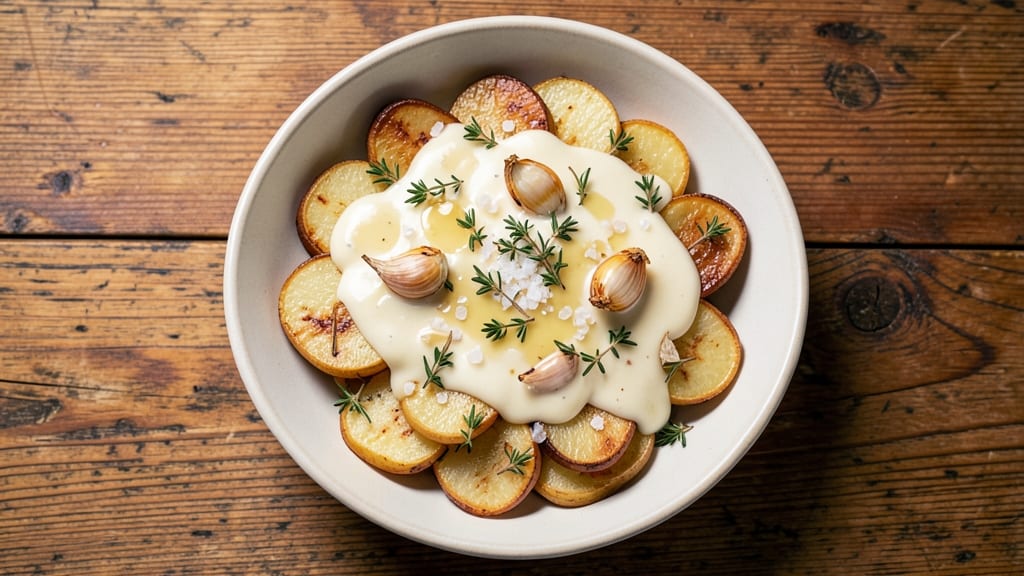
This Gruyère potato recipe transforms simple potatoes into a luxurious, pull-apart masterpiece that feels like a restaurant-worthy side dish. The secret lies in layering thinly sliced potatoes with nutty Gruyère cheese, creating a golden crust and creamy interior that melts in every bite.
I developed this technique after years of perfecting the balance between crispy edges and tender centers—no soggy potatoes here.
What makes this dish truly special is the one-pan method, which simplifies the process without sacrificing flavor or texture. You'll start by par-cooking the potatoes to ensure even cooking, then layer them with Gruyère and a touch of cream for extra richness.
The high-heat baking step creates that coveted crispy top while keeping the inside velvety smooth.
By the time it emerges from the oven, you'll have a dish that's impossible to resist—golden, bubbling, and impossible to pull apart without cheese stretching between your fingers.
The aroma alone will have everyone gathered around the table, and the first bite delivers that perfect marriage of crispy potato and melted Gruyère. This is comfort food at its finest, elevated with professional techniques.
Serve it as a standalone side or pair it with grilled meats, roasted vegetables, or a fresh green salad. The versatility makes it perfect for weeknight dinners or special occasions. Let's get started on creating this crowd-pleasing dish that's sure to become a staple in your recipe rotation.
Ingredients for gruyere potato
Twelve ingredients create a restaurant-quality potato dish with crispy edges and creamy Gruyère pull-apart magic.
| Ingredient | Amount | Notes |
|---|---|---|
| Russet Potatoes 🥔 | 2 ½ lb | Thinly sliced, uniform thickness |
| Gruyère Cheese 🧀 | 1 cup | Freshly shredded, aged 12 months minimum |
| Heavy Cream 🥛 | ½ cup | Full-fat for optimal richness |
| Unsalted Butter 🧈 | 4 tbsp | Cold, cubed for even melting |
| Garlic Cloves 🧄 | 4 cloves | Minced, for aromatic depth |
| Fresh Thyme 🌿 | ¼ cup | Chopped, stems removed |
| Diamond Crystal Kosher Salt 🧂 | 1 ½ tsp | Fine grain for even distribution |
| Freshly Ground Black Pepper 🌶️ | ½ tsp | Cracked peppercorns preferred |
| Extra-Virgin Olive Oil 🫒 | 2 tbsp | High-quality, fruity variety |
| All-Purpose Flour 🌾 | 2 tbsp | For dusting potato slices |
| Garlic Powder 🧄 | ½ tsp | Enhances garlic flavor without moisture |
| Nutmeg 🌿 | ¼ tsp | Freshly grated for warmth |
The Gruyère is non-negotiable—look for aged 12+ months from specialty cheese counters like Murray's Cheese or Whole Foods. Pre-shredded loses texture, so invest in a box grater. Russet potatoes are ideal for their starch content, but Yukon Golds work too if you prefer creamier texture. The key is uniform slicing—mandoline or sharp knife makes all the difference. For the cream, full-fat is essential—reduced-fat versions won't deliver that velvety finish. Fresh thyme from local farmers markets adds brightness, but dried works at one-third the amount if needed.
No Gruyère? Comté or aged Gouda provide similar nutty depth, though texture differs slightly. Substituting heavy cream with half-and-half plus 1 tbsp butter maintains richness. The butter should be cold when cubed—this prevents premature melting during layering. For the garlic, fresh is superior, but powdered works in a pinch. The nutmeg is subtle but crucial—omit if unavailable, but don't replace with cinnamon. Diamond Crystal salt is preferred as it dissolves more evenly than table salt, creating consistent flavor throughout each layer.
Pre-slice potatoes and store in cold water in the fridge for up to 24 hours before baking. The cheese keeps best in its original packaging for 3 months when refrigerated. For make-ahead prep, assemble the dish but refrigerate uncovered for 1 hour before baking to prevent sogginess. Leftovers reheat beautifully—cover with foil and warm at 350°F for 10-15 minutes. The dish freezes for 2 months when wrapped tightly in parchment and foil, though texture may soften slightly upon reheating.
Why You'll Love This Recipe
- One-Pan Magic: I swear by this—just slice, layer, and bake. No chopping boards, no extra pots, just a single sheet pan that handles everything. The potatoes caramelize right alongside the Gruyère, so you’re not stuck scrubbing multiple dishes afterward.
- Melty, Rich Bite: That first forkful of crispy potato edges giving way to gooey Gruyère? It’s like a hug in food form. The heavy cream and butter take it from "good" to "I’ll drive 20 minutes for this," and the garlic? It sneaks in flavor without overpowering.
- Weeknight to Dinner Party: Honestly, I make this for lazy Tuesdays and fancy guests—same recipe, different vibes. Add a sprinkle of parsley for company, or just eat it straight from the pan when I’m too tired to care. It reheats beautifully, too, so it’s my go-to for meal prep when I’m not feeling fancy.
- Budget-Friendly Luxury: Russets are cheap, and a little Gruyère goes a long way. The heavy cream and butter make it feel indulgent, but the cost per serving is way lower than takeout or restaurant versions. Plus, leftovers? They’re even better the next day—crispier, richer, and just as satisfying.
Step-by-step instructions for Gruyère potato recipe
Here's the method to create a golden, cheesy potato masterpiece with pull-apart perfection.
Prepare and Parboil the Potatoes
Using a sharp mandoline or knife, slice the 2.5 lb russet potatoes into ⅛-inch thick rounds. For uniform cooking, aim for consistent thickness throughout. Transfer the slices to a large bowl and toss with the 2 tbsp extra-virgin olive oil, 0.5 tsp garlic powder, 1.5 tsp diamond crystal kosher salt, and 0.5 tsp freshly ground black pepper until evenly coated.
Bring a large pot of salted water to a gentle boil and add the potato slices in batches to avoid overcrowding. Parboil for exactly 4 minutes until they're slightly softened but still firm to the touch. Drain immediately and transfer to a clean kitchen towel to remove excess moisture. This initial cooking prevents the potatoes from becoming mushy during baking.
Create the Cheese Sauce Mixture
In a separate bowl, combine the 1 cup freshly shredded gruyère cheese, 0.5 cup heavy cream, 4 tbsp cold cubed unsalted butter, 4 cloves minced garlic, 0.25 cup chopped fresh thyme, and 0.25 tsp freshly grated nutmeg. Mix gently with a wooden spoon until the butter begins to soften and the cheese starts to melt into a creamy paste. The texture should be thick but spreadable, resembling a rich béchamel.
I like to use my hands for this step—rubbing the cheese and butter between my fingers helps create an ultra-smooth, velvety consistency. This mixture will be the heart of your dish, so take your time ensuring it's perfectly blended. The cold butter cubes will melt during baking, creating pockets of gooey goodness throughout the potatoes.
Assemble and Bake the Potatoes
Preheat your oven to 400°F and position a rack in the middle position. Lightly grease a 9x13-inch baking dish with a bit of olive oil. Arrange the parboiled potato slices in a single layer in the baking dish, slightly overlapping if needed to cover the bottom completely. The potatoes should fit snugly but not be forced.
Spread the cheese mixture evenly over the potatoes, using the back of a spoon to create a smooth, continuous layer. The cheese should cover about 75% of the potato surface, leaving some exposed for browning. Sprinkle the 2 tbsp all-purpose flour evenly over the top—this creates a crispy, golden crust during baking while preventing the cheese from becoming too runny.
Bake to Golden Perfection
Bake for 30 minutes until the edges begin to brown and the cheese starts bubbling vigorously. Here's the thing—after 30 minutes, increase the oven temperature to 425°F. This higher heat creates the signature crispy top while keeping the interior creamy. Return to the oven for an additional 15-20 minutes until the top is deep golden brown and the cheese is fully melted and bubbling.
You'll know it's done when the edges are crisp and the cheese has pulled back slightly from the sides, creating that irresistible pull-apart texture. The potatoes should be tender when pierced with a fork but not falling apart. Let the dish rest for 5 minutes before serving to allow the cheese to set slightly and make clean slicing easier.
Serve with Confidence
Slice through the center of the potatoes to reveal the creamy, cheesy interior. The contrast between the crispy top layer and the molten cheese center should be dramatic. Serve immediately while still warm, as the texture changes rapidly once removed from the oven. Each bite should deliver tender potatoes, rich gruyère cheese, and aromatic thyme and garlic flavors.
This dish pairs beautifully with a simple arugula salad dressed with lemon vinaigrette or a crisp white wine. The pull-apart magic makes it perfect for sharing—just be prepared for everyone to want seconds. The key to success lies in the initial parboiling and the proper cheese mixture consistency. Trust the process, and you'll achieve restaurant-quality results every time.
Pro Tips For Making Gruyere Potato
- PARBOIL POTATOES FIRST: I learned this the hard way—skipping the parboil leads to uneven cooking and gummy centers. Cut the Russets into ½-inch slices, boil in salted water for 3-4 minutes until just tender, then drain. This guarantees even cooking later and keeps them from turning to mush when baked.
- GRATE THE CHEESE FRESH: Pre-shredded Gruyère clumps like crazy when melted, and it’s a nightmare to fish out. Buy a block, grate it yourself, and pulse it briefly in a food processor for a mix of fine and coarse textures. The result? Creamier, more even melting—no dry pockets.
- DON’T OVERMIX THE CREAM: The second you stir the heavy cream into the cheese, it starts to thicken. Mix just until combined, then stop—overworking it turns the sauce into a gluey mess. If it looks too thin, add a splash more cream later, not now.
- BAKE UNTIL GOLDEN, NOT JUST BUBBLY: The cheese will bubble and look done before the potatoes get that perfect crust. Cover with foil for the first 20 minutes, then uncover and bake another 10-15 until the top is deep golden. That’s when the flavor pops—trust the color, not the bubbles.
Regional styles of this recipe
French Alpine Tradition
The French Alps have long been home to this dish, where Gruyère cheese originated. In Savoyard cuisine, potatoes were layered with melted cheese and herbs, creating a rustic, hearty side called gratin dauphinois—though traditionally using Beaujolais wine and crème fraîche.
My version simplifies the technique while keeping the Alpine essence by using Gruyère's signature nutty flavor and a crispy top. The French often serve this with charcuterie or boeuf bourguignon for a complete meal. 🧀
Swiss Fondue Adaptation
Swiss fondue lovers will recognize this dish's roots in melted cheese traditions. While traditional fondue uses Emmental or Gruyère in a cauldron, this baked version transforms the concept into a shareable platter.
I've adapted the technique by incorporating the parboiling step—a trick I learned from Swiss chefs—to ensure tender potatoes that don't turn to mush. Serve with crusty bread and dried apricots for a modern twist on classic fondue pairings.
The Swiss version often includes white wine in the cheese mixture, but I prefer keeping it simple with just cream and butter. 🍷
American Comfort Twist
In the U.S., this dish evolved into a baked potato casserole with a crispy cheese topping. My version takes it further by using Gruyère's meltability and adding the flour crust for extra crunch.
American adaptations often include bacon bits or green onions, but I keep it purist while still making it approachable for home cooks. The two-stage baking method—starting at 400°F and finishing at 425°F—was inspired by Southern-style casseroles, ensuring both crispy edges and creamy centers. 🔥
Italian-Inspired Rustic Style
Italian cooks might recognize this as a cousin to potatoes al forno, where potatoes are baked with cheese and herbs. My version differs by using Gruyère instead of traditional Italian cheeses like Parmigiano-Reggiano or Pecorino.
The Italian approach often includes rosemary and olive oil, which I incorporate through the olive oil coating and thyme. For an authentic touch, I sometimes add a pinch of nutmeg—a nod to Italian baking traditions. Serve with a sprinkle of fresh basil for a fresh, herbaceous finish. 🌿
Modern Fusion Approach
For a contemporary take, I've experimented with herb-infused Gruyère—mixing the cheese with fresh chives and dill before baking. This fusion style works especially well with lighter dishes like grilled fish or salads.
Another modern twist is adding crispy fried shallots on top before serving, which adds texture and a subtle sweetness. The key to fusion success is balancing traditional techniques with creative ingredients—like using truffle oil in place of some butter for an earthy depth. 💫
Nutrition facts
Frequently asked questions
Can I use Yukon Gold potatoes instead of Russets?
Yukon Golds work beautifully—they'll give you a creamier texture while still achieving that perfect crispy top. Just be sure to parboil them for 5 minutes instead of 4 minutes since they're slightly more dense. The extra time ensures they hold their shape during baking without turning mushy.
How do I prevent the cheese from getting too runny?
The flour topping is your secret weapon! The 2 tbsp all-purpose flour sprinkled before baking creates a crispy crust that thickens the cheese while adding delicious crunch. For extra insurance, chill the assembled dish for 30 minutes before baking—this helps the cheese firm up slightly before melting.
What's the best way to reheat leftovers?
Cover the dish tightly with foil and warm at 350°F for 10-15 minutes. The foil traps moisture while gently reheating. For crispier results, broil for 2-3 minutes at the end—just watch closely to avoid burning. Leftovers keep well for 3 days in the fridge or 2 months in the freezer when wrapped airtight.
Can I make this dish ahead of time?
Yes! Assemble the dish but refrigerate it uncovered for 1 hour before baking to prevent sogginess. For make-ahead freezing, bake completely, cool, wrap tightly in parchment and foil, then freeze. Reheat as directed above—texture may soften slightly but will still be delicious.
What if I don't have Gruyère?
Try Comté or aged Gouda for similar nutty flavor. For a sharper taste, use Parmigiano-Reggiano mixed with a little mozzarella. Avoid pre-shredded cheese—the anti-caking agents prevent proper melting. Freshly shredded is key for that perfect pull-apart texture!