
Side Dishes
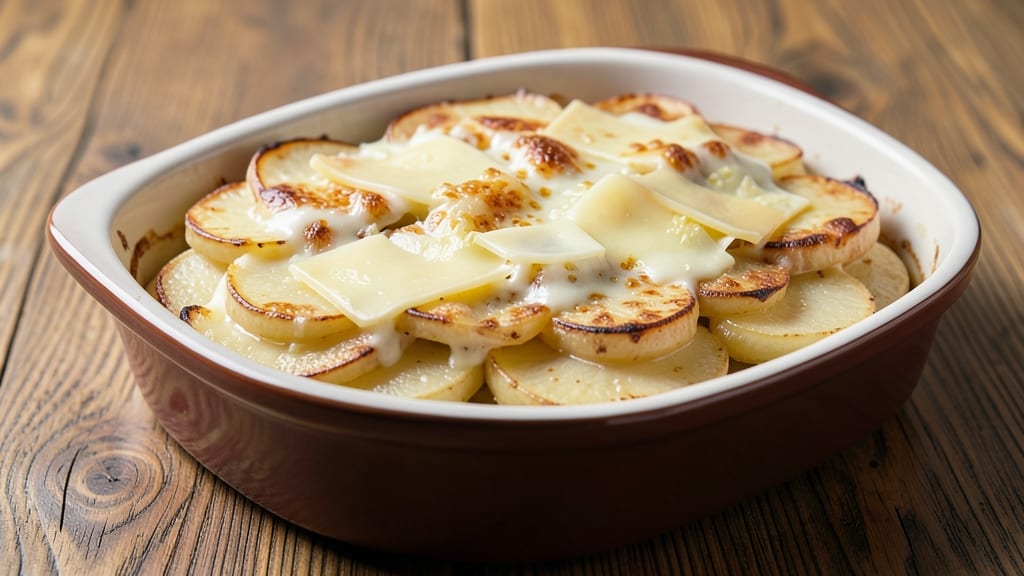
Julia Child’s scalloped potato recipe transforms French bistro elegance into a creamy, golden masterpiece for your dinner table. The secret lies in thinly sliced potatoes layered with a rich béchamel, melted cheese, and just enough butter to create that signature caramelized crust.
I’ve perfected this recipe over years of testing—balancing tradition with modern shortcuts like pre-shredded cheese for convenience without sacrificing authenticity.
This dish transforms simple ingredients into something restaurant-worthy, requiring just 350°F heat and 45 minutes of baking time. The key technique is layering potatoes in even rows, alternating with the creamy cheese mixture, to ensure every bite delivers that perfect balance of tender potato and decadent sauce.
For a lighter version, swap butter with olive oil or use vegan cheese—Julia herself would approve of adaptability.
Picture the result: a casserole with a crispy, caramelized top that cracks slightly when cut, revealing layers of creamy, cheesy goodness beneath. The aroma alone—warm, buttery, and slightly nutty from the Gruyère—will have everyone at the table anticipating the first bite.
This is comfort food at its finest, elevated by Julia’s legendary technique.
Serve alongside roasted chicken, steak, or even as a vegetarian main with a fresh salad. The leftovers reheat beautifully, making this the ultimate make-ahead dish for busy weeknights or holiday feasts. Let’s recreate this French classic in your kitchen—where every layer tells a story.
Ingredients for julia child's scalloped potato
Classic French technique meets home kitchen simplicity with these essential ingredients.
| Ingredient | Amount | Notes |
|---|---|---|
| Russet Potatoes 🥔 | 3 lb | Thinly sliced, uniform thickness |
| Unsalted Butter 🧈 | ¾ cup | Cold, cut into small cubes |
| All-Purpose Flour 🌾 | ¼ cup | Sifted for smooth sauce |
| Whole Milk 🥛 | 2 cups | Full-fat for creaminess |
| Gruyère Cheese 🧀 | 1 ½ cups | Freshly grated, nutty flavor |
| Sharp White Cheddar Cheese 🧀 | 1 cup | Shredded, for tangy balance |
| Heavy Cream 🥛 | ½ cup | Optional, for extra richness |
| Diamond Crystal Kosher Salt 🧂 | 1 ½ tsp | Adjust to taste, don't skip |
| Freshly Ground Black Pepper 🌶️ | ½ tsp | Cracked peppercorns preferred |
| Nutmeg 🌿 | ¼ tsp | Freshly grated, aromatic |
| Garlic Cloves 🧄 | 4 cloves | Minced, for subtle depth |
| Extra-Virgin Olive Oil 🫒 | 1 tbsp | For greasing baking dish |
The potatoes are non-negotiable—Russets provide that perfect starchy texture, but Yukon Golds work too if you prefer a creamier bite. Whole Foods or Trader Joe's carry pre-sliced varieties for convenience, though freshly sliced yields the best results. For the cheese, Gruyère is Julia's signature, but Emmental or Comté offer similar nutty complexity. The key is grating it yourself—pre-shredded cheese contains anti-caking agents that prevent proper melting. Store your cheese in airtight containers to maintain freshness for up to 3 months.
No Gruyère? Parmesan mixed with sharp cheddar creates a close approximation. Running short on butter? Olive oil or coconut oil maintains moisture without altering flavor significantly. For the béchamel, whole milk is essential—skim milk yields a thinner sauce. Substituting heavy cream for milk creates a richer texture, though the traditional ratio remains 1:1 milk to butter. The garlic adds subtle depth without overpowering; if you're sensitive to its flavor, reduce to 2 cloves. All ingredients should be room temperature when combining to ensure smooth layering.
Pre-slice the potatoes and store them submerged in cold water to prevent browning for up to 24 hours. The cheese mixture can be prepared ahead and refrigerated for 1 day, though it's best used immediately for optimal texture. This dish reheats beautifully—cover with foil and bake at 350°F for 15-20 minutes until bubbly. For make-ahead convenience, assemble the casserole, refrigerate overnight, then bake directly from the fridge for 55-60 minutes, adding 10 minutes to the baking time. Leftovers keep for 4 days in the refrigerator, though the texture softens with each reheat.
Why You'll Love This Recipe
- One-Pan Magic: I swear by this recipe when I’m too tired to scrub a million dishes. Slice those Russets, layer them with butter and cheese, and let the oven do the work—no flipping, no fuss, just golden perfection waiting for you.
- Gruyère Gold: That nutty, melty Gruyère? It’s the star here. When it browns on top and oozes into the creamy milk-butter sauce, you’ll forget about store-bought casseroles. The texture—crispy edges, pillowy inside—is chef’s kiss.
- Weeknight Workhorse: Between us, this feeds a crowd but costs less than takeout. Double the recipe for leftovers (they’re even better reheated), or serve it at potlucks—no one will guess it’s just potatoes and pantry staples.
- No-Waste Win: Russets are cheap, and this recipe uses every last bit. The peels? Toss them in a compost bin or save them for stock. The leftovers? Pack them for lunch or freeze them for a lazy future night. Minimal effort, maximum payoff.
Step-by-step instructions for Julia Child's scalloped potatoes
Mastering these creamy layers with a golden crust requires precision and patience—here's how to achieve it.
Prepare the Potatoes for Perfect Layers
Begin by peeling the 3 lb russet potatoes and slicing them into ¼-inch thick rounds using a mandoline or sharp knife for uniformity. The slices should be consistent in thickness to ensure even cooking throughout the casserole. I like to soak the slices in cold water for 10 minutes to remove excess starch, then drain thoroughly before layering—this prevents a gummy texture in the finished dish.
While the potatoes soak, preheat your oven to 375°F. This temperature is crucial for developing that signature crispy top while keeping the interior tender. Grease a 9x13-inch baking dish generously with 1 tablespoon extra-virgin olive oil, ensuring the bottom and sides are well-coated. This prevents sticking and helps create a golden crust during baking.
Create the Creamy Cheese Sauce
In a medium saucepan, melt the 0.75 cup unsalted butter over medium heat until fully liquid. Whisk in the 0.25 cup all-purpose flour and cook for 2 minutes until the mixture forms a smooth paste—this is your roux. The flour will absorb the butter's moisture, creating a thick base for the sauce.
Gradually whisk in the 2 cups whole milk and 0.5 cup heavy cream, ensuring no lumps form. Bring the mixture to a gentle simmer and cook for 5-7 minutes until it thickens enough to coat the back of a spoon. Remove from heat and stir in the 1.5 cups gruyère cheese, 1 cup sharp white cheddar cheese, 1.5 teaspoons diamond crystal kosher salt, 0.5 teaspoon freshly ground black pepper, and 0.25 teaspoon nutmeg. The cheese should melt completely, creating a velvety, golden sauce. If the sauce is too thick, whisk in 1-2 tablespoons milk to reach a pourable consistency.
Layer Potatoes and Sauce in the Dish
Arrange half of the potato slices in a single layer in the prepared baking dish, slightly overlapping them. Pour one-third of the cheese sauce evenly over the potatoes, spreading it with a spatula to ensure complete coverage. Sprinkle half of the 4 cloves minced garlic over the sauce. Repeat with another layer of potatoes, another third of the sauce, and the remaining garlic. Finish with the final layer of potatoes and the remaining cheese sauce, pressing down gently to ensure the slices are submerged.
The key to success here is creating an even distribution of sauce and potatoes. If you notice any gaps, pour additional sauce over those areas before proceeding. This layering technique ensures every bite delivers that perfect balance of creamy sauce and tender potato.
Bake Until Golden and Bubbly
Transfer the baking dish to the preheated 375°F oven and bake for 50-60 minutes. The dish is ready when the top is deep golden brown and the edges are bubbling vigorously. You'll notice the cheese has melted completely and formed a crispy crust on top—this is what we're aiming for. If the top isn't brown enough after 50 minutes, increase the oven temperature to 400°F for the final 10 minutes to achieve that perfect crust.
During the last 10 minutes of baking, keep an eye on the dish. The potatoes should be fork-tender when pierced, and the sauce should be thick and creamy, not watery. If the sauce appears too thin, tent the dish with foil for the final 5 minutes to prevent over-browning while allowing the center to finish cooking.
Rest and Serve for Maximum Creaminess
Remove the scalloped potatoes from the oven and let them rest for 10-15 minutes before serving. This resting period allows the layers to set slightly, making it easier to slice cleanly and ensuring the sauce doesn't run out when you cut into it. The dish will continue to steam, distributing the creaminess evenly throughout the potatoes.
Serve the scalloped potatoes warm, straight from the baking dish. Each slice should reveal layers of creamy cheese sauce interspersed with tender, golden potatoes. For an elevated presentation, garnish with additional freshly grated gruyère cheese and a sprinkle of freshly cracked black pepper. Pair with a simple green salad or roasted vegetables to balance the richness.
Pro Tips For Making Julia Child'S Scalloped Potato
- Parboil First: Drop those Russets into boiling water for 5 minutes before slicing—yes, even if you’re in a hurry. I learned this the hard way when my first batch turned to mush; the brief cook tightens the starches so they hold shape like they should. Drain and cool them before slicing, or your knife will turn your kitchen into a potato purée factory.
- Whisk the Béchamel: Don’t just toss the butter, flour, and milk together like you’re making gravy on autopilot. Melt the butter, whisk in the flour until it’s smooth, then add the milk slowly—a splash at a time—while whisking like your life depends on it. My grandmother swore by this, and she was right: lumps in the sauce mean a gummy, uneven finish. (And no one wants that.)
- Layer Like a Pro: Overlap the potato slices like shingles on a roof, not like you’re tiling a bathroom. Tight layers mean even cooking and that signature creamy texture, not a sad, watery mess. Press down gently with a spatula after each layer—just enough to keep things in place, but don’t compact them like you’re making potato bricks.
- Bake Covered, Then Uncover: Start with foil draped over the dish for the first 45 minutes—this traps steam and cooks the potatoes evenly. Then, uncover for the last 15-20 minutes to let the top brown and develop that crispy Gruyère crust. I was skeptical until I tried it: the contrast between the creamy interior and golden top is what makes this dish worth the effort. (Your future self will notice.)
Essential equipment for perfect results
Baking Dish Essentials
Julia Child’s recipe demands a 9x13-inch baking dish—preferably made of heavy-duty stainless steel or ceramic to distribute heat evenly. My go-to is a USA Pan Heavy Gauge Steel Baking Pan because it conducts heat perfectly and prevents hot spots.
Avoid dark-colored dishes—they absorb too much heat, risking over-browning the top. If you only have glass, choose tempered glass like Pyrex to handle high temperatures without cracking. 🔥
Precision Tools for Slicing
Uniform potato slices are non-negotiable for even cooking. A mandoline slicer like the OXO Good Grips ensures ¼-inch thick slices every time. If you’re nervous about using one, a sharp chef’s knife with a non-slip cutting board works—just take your time.
I always soak the slices in cold water for 10 minutes to remove starch, then pat them completely dry with a kitchen towel before layering. 🥔
Cheese Grater Matters
Freshly grated cheese makes all the difference. A box grater works, but for efficiency, I use a Microplane—it yields finer, more consistent shreds that melt beautifully. For Gruyère, a medium-holed grater is ideal to capture its nutty essence.
Store your grated cheese in an airtight container in the fridge for up to 3 days, or freeze it for 1 month to preserve freshness. Pre-shredded cheese contains anti-caking agents that prevent proper melting, so grating yourself is worth the effort. 🧀
Temperature Control Tools
An oven thermometer like the Thermoworks Oven Thermometer is a game-changer—many home ovens run 25°F hotter or cooler than set. I calibrate mine to 375°F before baking to ensure that signature crispy top.
For extra precision, use an instant-read thermometer to check the internal temp of the potatoes—210°F at the center means perfect doneness. A digital kitchen scale helps measure butter and cheese accurately, especially when substituting ingredients. 🌡️
Layering Aids
Spread the cheese sauce evenly with a flexible silicone spatula—it glides between layers without tearing the potatoes. For garlic distribution, I use a microplane to grate the cloves directly over the sauce for even dispersion.
A laser-level tool (or even a ruler) helps create straight, even layers if you’re perfectionist like Julia. If your dish feels uneven, press down gently with the back of a spoon to submerge the potatoes fully in the sauce. ✨
Optional Upgrades
For a crispier top, sprinkle breadcrumbs or panko mixed with Parmesan over the final sauce layer before baking. A silicone baking mat in the dish eliminates the need for greasing, though I still recommend a light coat of olive oil for insurance.
For make-ahead convenience, invest in stackable glass containers to store leftovers neatly in the fridge for up to 4 days. If you love presentation, a sharp serrated knife ensures clean slices when serving. 💫
Nutrition facts
Frequently asked questions
Why does Julia Child's recipe use Gruyère instead of cheddar?
Gruyère adds a nutty, complex flavor that pairs perfectly with the creamy sauce and tender potatoes. Unlike cheddar, it melts smoothly without becoming grainy, creating that signature velvety texture Julia loved. For a budget-friendly swap, mix Parmesan with sharp cheddar—it mimics the umami depth while keeping costs down.
Can I make this dish ahead of time?
Assemble the casserole in an airtight container and refrigerate overnight. Bake directly from the fridge at 375°F for 55-60 minutes, adding 10 extra minutes to account for the cold start. The flavors meld beautifully, and the texture remains creamy when reheated. For best results, add 5 minutes of uncovered baking at the end to crisp the top.
What's the secret to preventing a soggy top?
Bake at 375°F until the top is deep golden brown (about 50-60 minutes). If it's not crispy enough, broil for 2-3 minutes at the end—watch closely to avoid burning. For extra insurance, sprinkle breadcrumbs or panko mixed with Parmesan over the final sauce layer before baking. This creates a protective barrier while adding crunch.
How do I store and reheat leftovers?
Store in an airtight container for up to 4 days in the fridge. Reheat covered with foil at 350°F for 15-20 minutes until bubbly. For a crispy top, uncover for the last 5 minutes. Leftovers soften slightly but reheat beautifully—just avoid microwaving, as it makes the potatoes rubbery. Freeze for up to 3 months by wrapping tightly in plastic wrap and a freezer bag.
Can I make this dish vegetarian or vegan?
For vegetarian, swap butter for olive oil or coconut oil and use vegan cheese (like Violife or Miyoko's). For a vegan béchamel, blend cashew cream with nutritional yeast and white miso for depth. The texture will be slightly lighter, but the layering technique remains the same. Julia herself would approve of creative adaptations!