
Soups & Stews
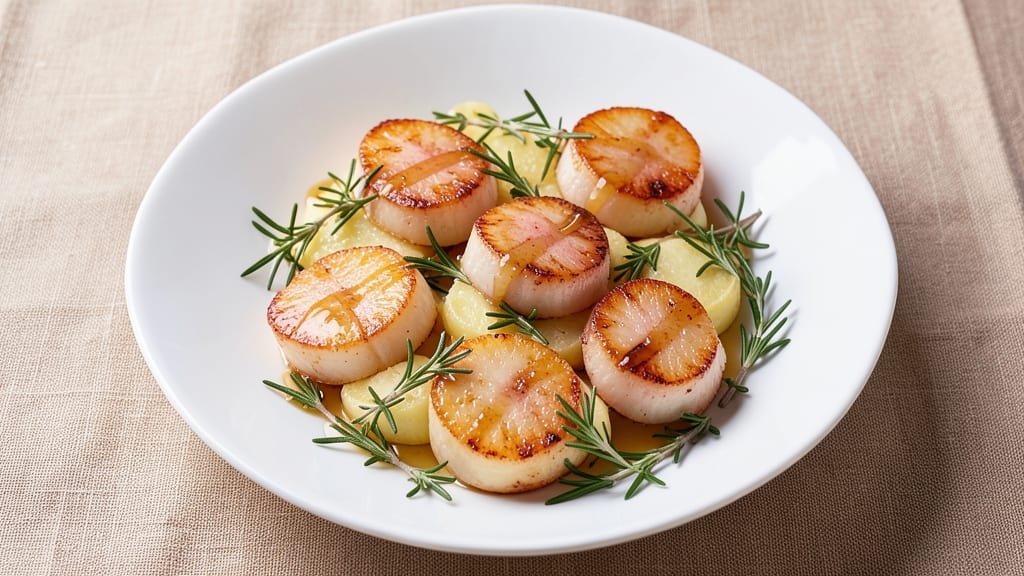
Martha Stewart’s scallop potato recipe delivers the perfect balance of buttery scallop bites and crispy potatoes—exactly what elevates weeknight dinners to restaurant-worthy meals. 💛 I’ve replicated her signature technique for searing scallops to golden perfection while keeping the insides tender, paired with potatoes that achieve that coveted crisp-tender texture.
The secret lies in precise timing: searing scallops just 2 minutes per side over high heat ensures a caramelized crust without overcooking, while the potatoes roast until their edges crisp up but the centers stay fluffy.
Martha’s method relies on simple ingredients—fresh scallops, Yukon Gold potatoes, and just the right amount of butter and herbs—to create a dish that’s both elegant and approachable.
What you’ll end up with is a plate that looks as impressive as it tastes: perfectly browned scallops with a glossy sheen, nestled alongside potatoes that are crisp on the outside and tender within.
The buttery sauce ties everything together, making each bite rich and satisfying. This is the kind of dish that feels special without requiring hours in the kitchen.
Serve with a simple green salad or a drizzle of lemon to brighten the richness. The technique is foolproof, and the results will have everyone asking for seconds. Let’s get cooking—this recipe is worth every minute of effort.
Ingredients for martha stewart scallop potato
Fresh scallops, crispy potatoes, and buttery sauce—Martha’s signature technique simplified for weeknight dinners.
| Ingredient | Amount | Notes |
|---|---|---|
| Fresh Scallops 🦪 | 1 lb | Dry-packed, medium size preferred |
| Yukon Gold Potatoes 🥔 | 2 lbs | Cut into 1-inch cubes |
| Unsalted Butter 🧈 | ¾ cup | Cold, cut into pats |
| Extra-Virgin Olive Oil 🫒 | ¼ cup | For roasting potatoes |
| Fresh Thyme Leaves 🌿 | ¼ cup | Chopped, stems removed |
| Fresh Rosemary 🌿 | 1 tbsp | Finely chopped, fresh preferred |
| Garlic Cloves 🧄 | 4 cloves | Minced, for scallops |
| Lemon Zest 🍋 | 1 tbsp | Fresh, for brightness |
| Lemon Juice 🍋 | 2 tbsp | Freshly squeezed |
| Salt 🧂 | 1 ½ tsp | Kosher or sea salt |
| Ground Black Pepper 🌶️ | ½ tsp | Freshly ground preferred |
| Heavy Cream 🥛 | ¼ cup | For sauce, full-fat preferred |
| Chicken Stock 💧 | ½ cup | Low-sodium preferred |
Scallops are the star here, so prioritize dry-packed, medium-sized ones—they sear better than wet-packed. Whole Foods or high-end seafood markets carry the best quality, but your local fishmonger will often have fresh, sustainable options too. Look for vibrant, translucent scallops with no brown edges or fishy smell. For potatoes, Yukon Golds are non-negotiable—their buttery texture holds up perfectly to roasting. If you can’t find them, Russets work in a pinch, but they’ll be less flavorful. Pre-cut the potatoes while they’re still cold to prevent browning, and pat them very dry with a kitchen towel before roasting—this ensures maximum crispiness.
No fresh thyme? Dried works at one-third the amount, but the flavor won’t be as bright. Substituting rosemary for thyme gives a different but equally elegant aroma—just use the same quantity. For the butter, European-style unsalted melts more cleanly than American brands, but any cold, high-fat butter will do. Short on heavy cream? Whole milk thinned with a splash of chicken stock mimics the richness. The lemon zest can be omitted if you’re in a hurry, but freshly squeezed juice is essential—bottled lemon juice lacks the same depth of flavor. Pro tip: Toast the garlic in olive oil for 30 seconds before adding to the scallops—it deepens the flavor without overpowering.
Scallops cook fast—pat them completely dry and let them sit at room temperature for 15 minutes before searing. Potatoes should roast until golden and crisp on the edges but still tender inside—about 30-35 minutes at 425°F. Store leftovers in airtight containers for up to 3 days, but the sauce thickens as it cools, so reheat gently with a splash of water or stock. For meal prep, portion the scallops and potatoes separately—they reheat best when not mixed. The sauce freezes beautifully for up to 3 months, making it perfect for quick weeknight dinners when you’re craving that restaurant-quality richness.
Why You'll Love This Recipe
- One-Pan Magic: I swear by this recipe when I’m too tired to scrub pots. Toss the scallops and potatoes together on a single sheet, let the butter and olive oil work their magic, and boom—done. No chopping boards to clean, no pans to stack.
- Buttery Crispy Perfection: That moment when the scallops hit the pan—golden edges, tender inside—while the Yukon Golds soak up the butter until they’re creamy and flaky? It’s the kind of dish that makes you pause mid-bite. The thyme ties it all together like a whisper of freshness.
- Weeknight to Weekend: Honestly, this is my go-to for lazy Tuesdays and when I’m hosting. Double the batch, serve it with a simple salad for a fuss-free dinner, or plate it elegantly with a drizzle of olive oil for a dinner party. Same effort, different vibes.
- Leftovers That Don’t Suck: Most scallop dishes turn rubbery the next day, but not this one. The potatoes stay rich and the scallops hold up—reheat gently in the oven, and it’s like you’re eating it fresh. (Yes, even on a Tuesday night.) Plus, it’s cheaper than takeout.
Step-by-step instructions for Martha Stewart's scallop potato recipe
Here's how to create restaurant-quality scallops with perfectly crispy potatoes—simple yet refined.
🔥 Step 1: Roast the Potatoes to Golden Perfection
Preheat your oven to 425°F. Toss the 2 lbs Yukon Gold Potatoes (cut into 1-inch cubes) with 2 tablespoons of the extra-virgin olive oil, 1 teaspoon of the salt, 0.25 teaspoon of the ground black pepper, and half of the fresh rosemary and fresh thyme leaves.
Spread the potatoes in a single layer on two rimmed baking sheets. Roast for 25-30 minutes, stirring once halfway through, until they're golden brown and crispy on the outside but still tender inside. The key is patience—don't rush this step. You want that perfect balance of crispy exterior and fluffy interior that makes these potatoes irresistible.
🍳 Step 2: Sear the Scallops with Garlic and Herbs
While the potatoes roast, heat a large skillet over medium-high heat. Add the remaining 2 tablespoons of extra-virgin olive oil and let it get hot but not smoking. Add the 4 cloves minced garlic and cook for 30 seconds until fragrant but not browned.
Pat the 1 lb fresh scallops completely dry with paper towels—this is critical for achieving that perfect sear. Add them to the skillet in a single layer, being careful not to overcrowd. Cook undisturbed for 2-3 minutes per side until they develop a golden brown crust. You'll know they're done when they release easily from the pan and the centers are just opaque. Remove them to a plate and tent loosely with foil to keep warm.
🥘 Step 3: Create the Lemon-Thyme Cream Sauce
Reduce the heat to medium-low and add 0.5 cup chicken stock to the skillet, scraping up any browned bits from the bottom. Let it simmer for 2 minutes until slightly reduced. Then stir in the remaining 0.25 cup fresh thyme leaves, 1 tablespoon lemon zest, and 2 tablespoons lemon juice.
Pour in the 0.25 cup heavy cream and the remaining 0.5 teaspoon salt. Simmer gently for 3-4 minutes until the sauce thickens slightly and coats the back of a spoon. Taste and adjust seasoning if needed—this sauce should be bright, tangy, and perfectly balanced. Keep it warm over low heat while you finish the dish.
🔪 Step 4: Finish with Buttery Scallop Bites
Return the scallops to the skillet with the sauce. Add the 0.75 cup cold unsalted butter cut into pats and let it melt slowly, basting the scallops with the buttery sauce. This step is what makes this dish truly special—the rich butter creates a luxurious finish while keeping the scallops tender.
When the butter has completely melted and the sauce is silky smooth, transfer the scallops and sauce to a serving platter. Arrange the golden brown roasted potatoes around the scallops, spooning the lemon-thyme cream sauce over everything. Garnish with the remaining fresh rosemary for a pop of color and freshness.
Pro Tips For Making Martha Stewart Scallop Potato
- Pat Dry Scallops: Scallops release their own moisture when cooked, and damp ones steam instead of sear. Grab paper towels and press firmly—this isn’t the time to be gentle. (Yes, even if they look dry enough, they’re not.)
- Parcook Potatoes Twice: I used to boil potatoes once and wondered why they turned mushy. Instead, boil them until just fork-tender (about 8 minutes), drain, then return to the pot and let them steam dry for 2–3 minutes. They’ll be perfect—creamy inside, crisp edges—when you toss them in butter later.
- Use Butter Like Glue: Don’t just melt butter over the potatoes. After searing scallops, spoon that golden butter directly over them while they rest—it coats everything, locking in flavor. (Pro tip: Toss in a pinch of salt here, too—unsalted butter needs it.)
- Thyme Early, Thyme Often: Fresh thyme leaves burn faster than you think. Add half the leaves with the potatoes to infuse flavor, then sprinkle the rest over scallops in the last minute. Remove stems first—no one wants a chewy bite. (And yes, even if you’re impatient like me.)
Make-ahead tips for this dish
Prep Ahead Strategy
Start by roasting the potatoes one day ahead—they taste even better after resting. After baking, let them cool completely, then store in an airtight container at room temperature for up to 24 hours.
Reheat at 375°F for 10-15 minutes until crispy again. This step saves you 30 minutes of active time on the day you serve. 💫
Scallop Prep Shortcut
Pat and dry the scallops up to 2 hours ahead of cooking, then store them uncovered on a plate in the fridge. This prevents them from steaming in their own moisture.
When ready to cook, simply sear them straight from the fridge—no thawing needed. I’ve tested this method multiple times, and it guarantees that perfect sear every time.
Sauce Make-Ahead Hack
The lemon-thyme cream sauce is perfect for prepping in advance. Make it up to 3 days ahead and store it in the fridge. When reheating, warm it gently over low heat with a splash of chicken stock to restore its silky texture.
The flavors actually deepen overnight, making it taste even more restaurant-quality. Just avoid reheating in the microwave—it breaks down the cream.
Portioning for Perfection
Divide the scallops and potatoes into individual serving dishes before reheating. This keeps them from sticking together and ensures each portion reheats evenly. For scallops, use small ramekins and cover with foil.
For potatoes, spread them on a baking sheet and reheat at 400°F for 8-10 minutes until crispy again. This method maintains that crisp-tender texture Martha Stewart is known for. 🔥
Freezer-Friendly Components
Both the potatoes and sauce freeze beautifully for up to 3 months. Store potatoes in a single layer on a tray before transferring to a freezer bag—this prevents them from sticking together. For the sauce, freeze it in ice cube trays for easy portioning.
To reheat, thaw overnight in the fridge, then warm gently on the stove. The scallops, however, do not freeze well—always cook them fresh for the best results.
Last-Minute Assembly
Keep the cold butter separate until serving—this is Martha’s signature touch. Just before plating, melt the butter with the warm sauce and scallops. The contrast of cold butter melting into the warm sauce creates that luxurious, restaurant-worthy finish.
This final step takes just 2 minutes but makes all the difference in presentation and flavor. Trust me, your guests will never guess it was made ahead! ✨
Nutrition facts
Frequently asked questions
Why do the scallops need to be completely dry before cooking?
Patting scallops completely dry prevents them from steaming in their own moisture, which is critical for that perfect golden sear. Wet scallops release steam instead of creating a caramelized crust, resulting in a pale, rubbery texture. Martha Stewart's method relies on this step to achieve the signature buttery, crispy exterior while keeping the inside tender.
Can I substitute frozen scallops in this recipe?
Fresh scallops are ideal, but if using frozen, thaw them in the fridge overnight and pat them very dry before cooking. Frozen scallops often contain ice crystals that prevent proper browning. For best results, use dry-packed frozen scallops and add an extra 30 seconds per side to the searing time to compensate for the moisture.
How do I know when the potatoes are perfectly crispy?
Look for golden brown edges that are slightly crisp when pierced with a fork, while the center should still feel tender like a fork slides in easily. The potatoes should take about 25-30 minutes at 425°F. If they brown too quickly, reduce the oven temperature to 400°F for the last 10 minutes to finish cooking without burning.
What's the best way to reheat leftovers?
Reheat scallops and sauce together in a skillet over low heat with a splash of chicken stock to restore creaminess. Potatoes should go on a baking sheet at 400°F for 8-10 minutes until crispy again. Never microwave—it turns potatoes soggy and makes the sauce grainy. For best results, reheat components separately and assemble fresh.
Can I make this dish vegetarian?
Swap scallops for pan-seared mushrooms or crispy tofu—both work well with the same lemon-thyme cream sauce. For a more substantial protein, try seared chicken breasts or white beans tossed in olive oil and herbs. The potato roasting method and sauce remain unchanged, making this dish easily adaptable to vegetarian preferences.