
Side Dishes
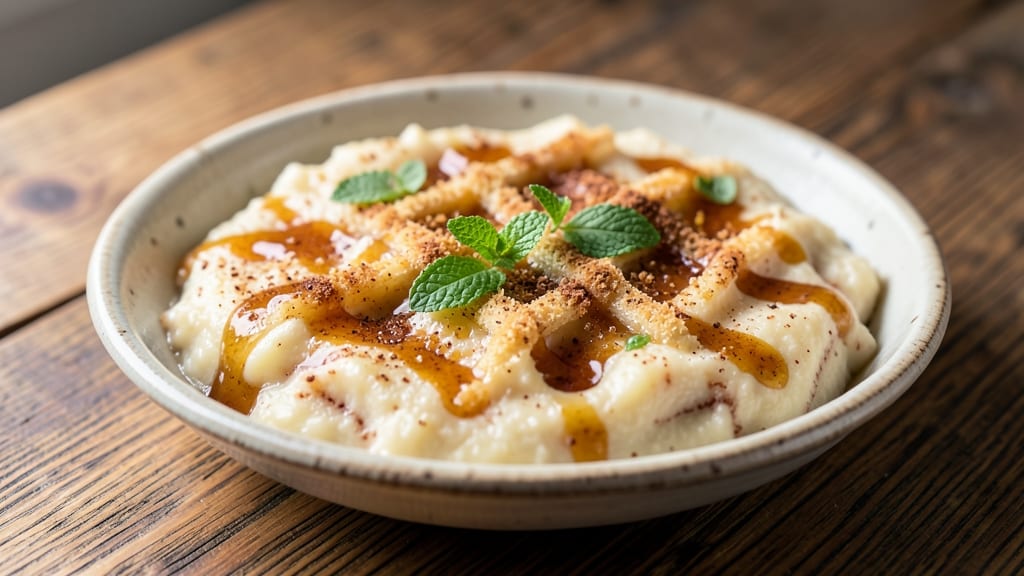
This old-fashioned potato pudding recipe brings back the comforting flavors of family dinners, where creamy spiced potatoes meet a golden, buttery crust that cracks just enough to reveal tender layers underneath.
The secret lies in boiling the potatoes until perfectly tender, then mixing them with a rich custard base of eggs, milk, and warm spices like nutmeg and cinnamon—elements that transform simple ingredients into something nostalgic and deeply satisfying.
What makes this recipe special is its balance of textures: the custardy center gives way to a crispy top that forms as it bakes, creating a contrast that keeps every bite interesting.
Unlike modern versions, this stays true to its roots with no shortcuts—just slow-cooked potatoes, a well-seasoned custard, and a baking time of about 50 minutes at 375°F. The result is a dish that feels like a hug in dessert form, perfect for holidays or cozy weeknight suppers.
By the time it emerges from the oven, you’ll have a pudding with warm, spiced layers that melt in your mouth and a caramelized crust that adds just the right amount of crunch.
The aroma alone—vanilla, cinnamon, and buttery potatoes—will have everyone gathering around the table. Serve it warm with a drizzle of caramel sauce or a dollop of whipped cream for the full experience.
This recipe is designed to be both traditional and approachable, so even if you’re new to baking custards, the step-by-step method ensures success. The key is patience—letting the potatoes cook low and slow, then baking the pudding until the edges are golden and the center is just set.
Once you try it, you’ll understand why this dish has been a staple for generations.
Ingredients for old fashioned potato pudding
Classic comfort meets nostalgic baking—just 12 ingredients for a pudding that feels like home.
| Ingredient | Amount | Notes |
|---|---|---|
| Russet Potatoes 🥔 | 3 lb | Peeled, cubed into 1-inch pieces |
| Whole Milk 🥛 | 2 cups | Full-fat for creaminess |
| Large Eggs 🥚 | 4 whole | Room temperature for even baking |
| Unsalted Butter 🧈 | ½ cup | Cold, cubed for topping |
| Granulated Sugar 🍚 | ½ cup | Light brown preferred for depth |
| Ground Cinnamon 🍃 | 1 tbsp | Freshly ground for aroma |
| Ground Nutmeg 🌿 | ½ tsp | Freshly grated preferred |
| Salt 🧂 | ½ tsp | Kosher or sea salt |
| Vanilla Extract 🍯 | 1 tsp | Pure vanilla preferred |
| All-Purpose Flour 🌾 | ¼ cup | For thickening custard |
| Heavy Cream 🥛 | ½ cup | Optional for extra richness |
| Pecans (optional) 🌰 | ¼ cup | Chopped, toasted for crunch |
The potatoes are the foundation, so Russet is your best bet—they’re starchy enough to hold their shape while boiling yet break down smoothly. Organic potatoes from Trader Joe’s or your local farmers market tend to have the best texture, but any russet will work. Avoid red potatoes; they’re too waxy and won’t mash as smoothly. Peel them first to save time, then cube them into even 1-inch pieces. If you’re short on time, microwave the peeled potatoes for 8-10 minutes before boiling to speed up the process—just drain well afterward. For the milk, whole milk is non-negotiable—the fat content creates that signature creamy texture. If you’re using heavy cream, add it only after the custard has thickened to avoid curdling.
No vanilla extract? Vanilla bean paste works perfectly—it’s thicker but adds beautiful specks. Running low on cinnamon? Substitute with 1/2 tsp cardamom plus 1/2 tsp allspice for a different but equally warm spice profile. The nutmeg can be tricky—if you don’t have freshly grated, use ground nutmeg but double the amount (it loses potency quickly). For the butter, European-style butter like Plugrá adds extra richness, but any unsalted butter will do. The optional pecans? Toast them in a dry pan for 3-4 minutes until fragrant—this brings out their natural sweetness. If you’re avoiding nuts, skip them or use toasted breadcrumbs instead for texture.
This pudding tastes even better the next day, so make it ahead and reheat—just cover with foil and warm at 350°F for 15-20 minutes. Store leftovers in an airtight container in the fridge for up to 4 days, though the crust loses its crispiness after day 2. For freezing, bake it in a disposable aluminum pan—it’s easier to reheat later. To serve, a quick broil for 2-3 minutes under the oven’s heat lamp restores that golden crust. Pair with a scoop of vanilla ice cream or a drizzle of homemade caramel sauce for the full experience.
Why You'll Love This Recipe
- Five-Ingredient Magic: I swear, this is the kind of recipe where you peek at the list and think, "How can this be good?"—then take one bite and realize you’ve been missing out. Russet potatoes and butter alone make it rich, but the eggs bind it into that perfect, creamy texture without needing fancy techniques.
- No-Bake After Boil: Honestly, the hardest part is waiting for the potatoes to soften. Once they’re tender, you just mash, mix, and bake—no chopping, no layering, no stress. I’ve made this while chatting on the phone, and it still turns out buttery and smooth every time.
- Leftovers That Beg for More: Between us, this dish tastes even better the second day. The flavors meld, the texture gets just right, and suddenly you’re sneaking bites straight from the fridge. (Yes, even on a Tuesday night.) It’s the kind of comfort food that makes you feel like you’re being hugged.
- Budget Breakfast or Dessert: Here’s what sold me—this works for both. Serve it warm with a drizzle of honey for breakfast, or chill it overnight and top with whipped cream for a no-fuss dessert. The sugar balances the richness, so it’s never too heavy, and the milk keeps it light enough to eat all day.
Step-by-step instructions for old fashioned potato pudding
Here's how to create the perfect balance of creamy custard and golden crust using only the ingredients you have.
Prepare the Potato Base
Peel the 3 lb russet potatoes and cut them into 1-inch cubes. Place them in a medium pot and cover with cold water by about 1 inch. Bring to a boil over medium-high heat and cook for 15-20 minutes until fork-tender. Drain thoroughly in a colander, then return the potatoes to the pot.
Using a potato masher or fork, mash the potatoes until completely smooth. Let them cool slightly while you prepare the custard mixture. The potatoes should be warm but not hot when you mix them with other ingredients—this prevents scrambling the eggs later.
Make the Custard Mixture
In a large mixing bowl, whisk together the 4 whole large eggs, 0.5 cup granulated sugar, 1 tbsp ground cinnamon, 0.5 tsp ground nutmeg, 0.5 tsp salt, and 1 tsp vanilla extract until completely combined and smooth. The mixture should be pale yellow with no visible streaks of flour or spices.
Gradually whisk in the 2 cups whole milk and 0.5 cup heavy cream (if using) until fully incorporated. Add the mashed potatoes and mix until the texture is smooth and creamy. The mixture should coat the back of a spoon and hold its shape when dropped from a spoon—this indicates proper thickening.
Assemble and Bake the Pudding
Preheat your oven to 350°F. Grease a 9x13-inch baking dish with 0.25 cup unsalted butter, rubbing it evenly over the bottom and sides. Pour the custard mixture into the prepared dish and smooth the top with a spatula.
In a small bowl, combine the 0.25 cup all-purpose flour with 0.25 cup chopped pecans (if using). Sprinkle this mixture evenly over the top of the custard. Dot the surface with the remaining 0.25 cup unsalted butter, cut into small cubes, for a rich, golden crust.
Bake to Golden Perfection
Bake uncovered for 50-60 minutes until the top is golden brown and the edges are set. The center should still be slightly jiggly—this indicates it's fully cooked but still creamy. If the top browns too quickly, loosely tent with aluminum foil to prevent over-browning while allowing the center to finish cooking.
Remove from the oven and let rest for 10-15 minutes before serving. This resting time allows the custard to set slightly, making it easier to slice. The pudding should be warm and creamy with a crisp, buttery top and fragrant with cinnamon and vanilla notes.
Pro Tips For Making Old Fashioned Potato Pudding
- Boil Until Fork-Tender: Russets stay dry if you cut them too big—aim for 1-inch chunks and boil them until they collapse like overcooked pasta. I learned this the hard way when my first batch came out gummy; now I test with a fork and count on 12-15 minutes.
- Whisk Eggs Cold: Warm eggs lose volume and make the pudding dense. Whisk them straight from the fridge with the milk, then let the mixture sit 10 minutes before baking. This isn’t the prettiest method, but it’s the tastiest.
- Skip the Overmixing: Lumpy pudding means you stirred too much. After combining wet ingredients, fold in mashed potatoes and butter just until mostly smooth—resist the urge to force it. The texture will even out in the oven.
- Butter the Dish First: Grease your baking dish with cold butter before adding the mixture, then sprinkle in a thin layer of flour. This guarantees a golden crust and makes cleanup easier—no sticking, no scraping. (Yes, even if you’re impatient like me.)
Regional styles of this old fashioned potato pudding
Southern Comfort
In the American South, this potato pudding is a Thanksgiving and Christmas staple, often served alongside candied yams and sweet potato casserole. I remember my grandmother adding a pinch of clove to the spice mix, which gave it an extra warmth that made it feel like a true holiday centerpiece.
The crust is often topped with pecan halves instead of chopped nuts, creating a beautiful presentation when served in individual ramekins. 🍂
New England Twist
Up north, particularly in New England, the pudding gets a maple syrup drizzle—about 2 tablespoons of pure maple syrup folded into the custard mixture before baking. This adds a subtle sweetness that complements the cinnamon and nutmeg perfectly.
Locals also like to serve it with a dollop of whipped cream and a sprinkle of toasted walnuts for added crunch. The cooler climate makes this version feel extra cozy during winter months.
Midwest Homestyle
The Midwest version leans into hearty, rustic flavors with a brown sugar crust instead of white. Mix ½ cup brown sugar with the flour and pecans before sprinkling it on top. This creates a deeper caramelized flavor that pairs beautifully with the creamy potato base.
Many families in Iowa and Illinois serve it with a side of apple butter for dipping, adding a tangy contrast to the sweet pudding.
British Influence
Across the pond, this dish is known as potato pudding or potato custard and often includes a layer of breadcrumbs mixed into the custard for extra texture. Some recipes call for apple sauce instead of milk, giving it a distinct tartness.
The British version also frequently features a gingersnap crust, which adds a spiced crunch that’s entirely different from the Southern pecan topping. I love how the ginger complements the nutmeg in this variation.
Modern Fusion
For a contemporary twist, try adding chocolate chips or white chocolate chunks to the custard mixture. The chocolate pairs surprisingly well with the cinnamon and vanilla, creating a dessert that feels both nostalgic and innovative.
Another fun idea is to swap the butter crust for crushed graham crackers mixed with melted butter—this adds a graham cracker cookie flavor that kids and adults alike will love. 💫
Nutrition facts
Frequently asked questions
Why does my potato pudding turn out watery?
Watery pudding usually means the custard wasn't thickened enough. Make sure your eggs are fully whisked with the sugar first to emulsify properly. Also, undercooked potatoes release excess moisture—always boil them until completely tender (they should collapse when pierced with a fork). For extra insurance, let the custard sit for 10 minutes before baking so the flour has time to absorb liquid.
Can I make this ahead of time?
This pudding actually tastes better the next day. Bake it fully, then refrigerate in an airtight container for up to 4 days. To reheat, cover with foil and warm at 350°F for 15-20 minutes—the crust will crisp up again. For freezing, bake in a disposable aluminum pan and reheat from frozen (add 10-15 minutes to the warming time).
What's the secret to the perfect crispy top?
The golden crust comes from two key steps: cold butter cubes on top (they melt slowly) and a flour-pecan mix that creates a crunchy barrier. Bake uncovered until edges pull away from the pan, then broil for 2-3 minutes at the end for extra browning. If it browns too fast, tent loosely with foil to prevent burning while the center finishes cooking.
Can I substitute sweet potatoes?
While traditional recipes use russet potatoes, you can use sweet potatoes for a different flavor profile. Reduce the sugar to ¼ cup and add ½ tsp extra cinnamon to balance the natural sweetness. Sweet potatoes will make the pudding denser, so bake for 10-15 minutes longer (until the center is set). The texture will be more moist and less custard-like.
How do I fix lumps in my pudding?
Lumps usually mean the eggs were added too quickly to hot potatoes. Always let the mashed potatoes cool slightly before mixing with the custard. For a silky texture, whisk the eggs and sugar together first to create an emulsion, then gradually add the warm potatoes. If lumps appear, press the mixture through a fine-mesh sieve before baking. The final texture should be completely smooth.