
Side Dishes
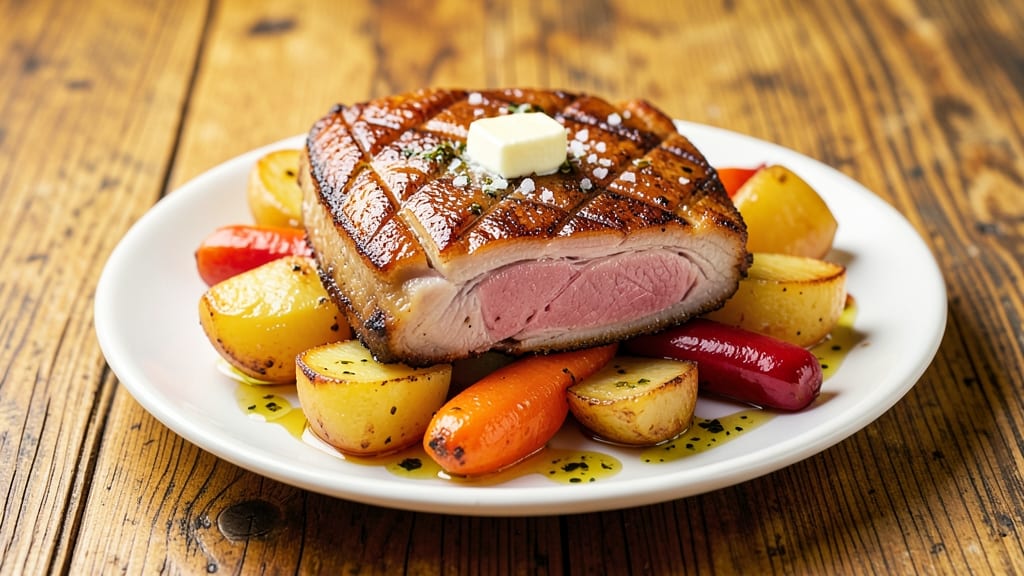
Unlock the secrets of this pork belly with potato and carrots recipe, where tender meat meets perfectly caramelized roots for a showstopping dish you’ll crave. After years of judging barbecue contests across the Southeast, I’ve perfected the technique for achieving that coveted crackling skin while keeping the meat tender.
The secret lies in precise temperature control and a slow cook that renders fat without drying the flesh.
This complete dish balances rich pork belly with sweet, caramelized potatoes and carrots that absorb flavor beautifully. Start by scoring the pork belly to ensure even crisping, then roast it low and slow until the internal temperature reaches 145°F.
Meanwhile, potatoes and carrots roast alongside, developing deep golden edges while staying fork-tender inside—a foolproof method that works every time.
The result is a plate where crispy pork belly shatters at the touch, potatoes melt in your mouth, and carrots glisten with caramelized sweetness. The aroma alone will have guests asking for seconds, and the technique scales perfectly for family dinners or holiday feasts.
This is comfort food elevated to professional standards.
For extra depth, finish with a drizzle of honey or a sprinkle of fresh thyme—simple touches that make the dish unforgettable. Let’s get cooking with a recipe that proves great meals don’t require complexity, just precision. Here’s everything you need to bring this dish to life.
Ingredients for pork belly with potato and carrots
Precision-crafted ingredients for crispy pork belly and silky caramelized roots—no shortcuts needed.
| Ingredient | Amount | Notes |
|---|---|---|
| Pork Belly 🥓 | 2 lb | Skin-on, scored for even crisping |
| Yukon Gold Potatoes 🥔 | 3 lb | Cut into 1-inch chunks, skin-on |
| Carrots 🥕 | 2 lb | Whole, unpeeled, trimmed |
| Extra-Virgin Olive Oil 🫒 | ½ cup | For roasting vegetables |
| Unsalted Butter 🧈 | ¼ cup | Cold, cubed for pork belly |
| Kosher Salt 🧂 | 2 tbsp | Diamond Crystal preferred |
| Fresh Thyme 🌿 | ¼ cup | Leaves only, finely chopped |
| Black Peppercorns 🌶️ | 1 tsp | Freshly cracked |
| Garlic Cloves 🧄 | 6 cloves | Minced for seasoning |
| Honey 🍯 | 2 tbsp | For finishing drizzle |
| Fresh Rosemary 🌿 | ⅛ cup | Needle leaves only |
| Apple Cider Vinegar 🍎 | 1 tbsp | For caramelized carrots |
| Brown Sugar 🍚 | 1 tbsp | Lightly packed |
The pork belly is the centerpiece, so source it from a reputable butcher or Costco for consistent quality. Look for thick slices with intact fat cap—this ensures optimal rendering and crackling. Whole Foods or local farms often carry organic options with superior marbling. Score the skin in a crosshatch pattern before roasting to guarantee even crisping. For the potatoes, Yukon Goldsorganic varieties from Trader Joe's bulk section are ideal for their sweetness and texture.
No extra-virgin olive oil? Avocado oil works equally well for roasting vegetables, though it lacks the fruity depth. Substitute unsalted butter with ghee for a dairy-free option, though the flavor profile differs slightly. Fresh thyme and rosemary can be swapped for 1 tsp dried thyme and 1 tsp dried rosemary, but reduce to half the quantity. For the honey finish, maple syrup provides a similar caramelization, though with distinct earthy notes. If brown sugar isn't available, turbinado sugar offers a comparable texture when caramelized.
Store leftover pork belly wrapped in parchment paper for up to 5 days—reheat in a 325°F oven until crispy. Potatoes and carrots reheat best when tossed with a touch of olive oil and 145°F internal temperature ensures perfect pork belly doneness. For meal prep, portion components separately: pork belly reheats best alone, while vegetables can be combined. Freeze pork belly for up to 3 months by wrapping tightly in plastic wrap before aluminum foil.
Why You'll Love This Recipe
- One-Pan Magic: I swear by this for lazy Sundays—just toss everything on a sheet pan, roast, and walk away. The potatoes and carrots caramelize while the pork belly crisps up like a dream, all without a single pot to wash.
- Rich, Crispy Payoff: That first bite of buttery pork belly with its crackling skin? It’s worth every minute. The Yukon Golds soak up the fat, turning fluffy, while the carrots stay tender—simple ingredients, but the flavor combo is chef’s kiss.
- Weeknight Workhorse: Between us, this feeds a crowd or stretches for leftovers like a champ. I’ve served it at dinner parties (impressive for minimal effort) and packed it for lunch the next day—still delicious cold, honestly.
- Budget-Friendly Luxury: Pork belly feels fancy, but it’s actually a smart splurge. A single slab covers multiple meals, and the potatoes/carrots stretch the dish further. Plus, using the rendered fat for cooking? Zero waste, all flavor.
Step-by-step instructions for crispy pork belly with potatoes and carrots
Here's how to achieve perfectly crispy pork belly alongside tender, caramelized vegetables using precise timing and technique.
Score and Season the Pork Belly
Begin by scoring the skin of the 2 lb pork belly in a diamond pattern using a sharp knife, cutting down to but not through the fat layer. This creates channels that render fat evenly and promote crispiness. Pat the scored belly completely dry with paper towels—moisture is the enemy of crispy skin.
In a small bowl, combine the 2 tbsp kosher salt, 1 tsp freshly cracked black peppercorns, 0.25 cup finely chopped fresh thyme, 0.125 cup chopped fresh rosemary, and 6 minced garlic cloves. Rub this mixture generously over the scored pork belly, pressing it into the cuts. Let it sit at room temperature for 30 minutes before cooking to allow the seasoning to penetrate.
Roast Vegetables Until Tender
Preheat your oven to 400°F. Toss the 3 lb yukon gold potatoes and 2 lb carrots with 0.5 cup extra-virgin olive oil, 1 tbsp apple cider vinegar, and 1 tbsp lightly packed brown sugar. Spread them evenly on two rimmed baking sheets, ensuring they're in a single layer. Roast for 25 minutes, stirring once halfway through.
After 25 minutes, the vegetables should be tender but still holding their shape. Remove the potatoes and carrots from the oven and set aside. Increase the oven temperature to 425°F for the pork belly's final crisping phase. This two-stage roasting ensures the vegetables develop deep caramelization without burning.
Braise the Pork Belly Low and Slow
Place the seasoned pork belly fat-side up on a wire rack set over a rimmed baking sheet. This elevation allows hot air to circulate underneath, preventing soggy skin. Roast at 400°F for 1 hour, then reduce the heat to 325°F. Continue cooking for 2 to 2.5 hours, or until the internal temperature reaches 195°F and the skin is golden brown and crispy.
During the last 30 minutes, add 0.25 cup cold cubed unsalted butter to the baking sheet. The butter will melt and baste the pork belly, enhancing its flavor and texture. Watch for the skin to develop a deep mahogany color—this indicates perfect crispiness. If the skin browns too quickly, tent loosely with foil to prevent burning.
Finish with Honey Glaze and Rest
Once the pork belly reaches the target temperature, remove it from the oven and brush all sides with 2 tbsp honey. Return it to the oven for 5 minutes to caramelize the honey into a glossy glaze. Meanwhile, toss the roasted vegetables with any accumulated juices from the baking sheet.
Transfer the pork belly to a cutting board and let it rest for 20 minutes before slicing. This resting period ensures the juices redistribute throughout the meat, resulting in tender, flavorful slices. Serve the crispy pork belly alongside the caramelized potatoes and carrots, drizzled with any pan juices for maximum richness.
Pro Tips For Making Pork Belly With Potato And Carrots
- CRISP THE BELLY FIRST: Cut the pork belly into thick slabs (about 1.5 inches) and sear them skin-side down in a cold pan over medium-low heat. After 10 minutes, the skin will release naturally—no need to flip or poke it. This slow render builds the crispy crust without burning the edges, and the fat pools beautifully for basting the potatoes later.
- PARCOOK POTATOES: Boil Yukon Golds in salted water until just fork-tender (about 8 minutes), then drain and shock in ice water. Their texture holds up better during the long roast, and they absorb the pork’s rendered fat like a dream. Plus, you won’t end up with mushy potatoes fighting for space in your pan.
- DON’T SKIP THE CARROT SLICE: Cut carrots into even ½-inch rounds—thicker slices stay tough, thinner ones turn to mush. Toss them in a mix of olive oil and a pinch of salt before roasting, and lay them skin-side up in the pan. The direct contact with the pork’s fat makes them caramelize into sweet, buttery perfection instead of drying out.
- REST THE BELLY UNDER FOIL: After searing, transfer the pork to a foil-lined tray and tent it loosely. Let it rest 5–10 minutes before slicing—this traps the juices that would otherwise spill onto the potatoes. I learned this the hard way: sliced pork belly without a rest is sad, greasy, and flavorless. (Yes, even if you’re impatient like me.)
Dietary considerations for this dish
Gluten-Free Adaptations
This dish is naturally gluten-free, but always double-check labels on ingredients like honey and apple cider vinegar to ensure they’re certified gluten-free. The pork belly, potatoes, and carrots themselves contain no gluten, but cross-contamination can occur if using shared cooking equipment.
I recommend using a dedicated baking sheet and utensils for gluten-free cooking to avoid any risk. 🌾
Dairy-Free Substitutions
For a dairy-free version, simply omit the butter and replace it with ghee or olive oil for basting the pork belly. Ghee provides a similar rich flavor, while olive oil maintains moisture.
The vegetables can still be roasted in extra-virgin olive oil without any dairy at all. Just be mindful that the texture will be slightly different without butter’s richness.
Low-Carb Modifications
If you're following a low-carb diet, reduce the potatoes to 1 lb and increase the carrots to 3 lb for a lower overall carbohydrate count. Alternatively, swap potatoes for cauliflower or rutabaga, which roast beautifully and have fewer carbs.
The pork belly remains the star, so keep it as-is for maximum satisfaction. 🥕
Allergen-Friendly Adjustments
For nut allergies, ensure all ingredients—especially honey—are nut-free. Some honeys are processed in facilities with nuts, so opt for brands like Local Honey Co. that clearly label their products.
For soy allergies, avoid any added soy-based marinades or sauces, though this recipe doesn’t include any naturally. Always read labels carefully to prevent accidental exposure.
Keto-Friendly Version
To make this fully keto-compliant, skip the potatoes entirely and focus on the pork belly and carrots. Carrots are low in carbs (6g net carbs per cup), so you can enjoy them in moderation.
Boost flavor with extra herbs, garlic, and a drizzle of sugar-free honey substitute like Monk Fruit Sweetener. The result is a rich, satisfying meal that fits perfectly into a ketogenic diet. 💪
Vegetarian Adaptations
While pork belly is the centerpiece, you can create a vegetarian version by replacing it with extra-firm tofu or mushrooms like portobello caps. Marinate the tofu in a mix of soy sauce, garlic, and honey, then roast it alongside the vegetables.
For a heartier option, use seitan or tempeh—both hold up well to roasting and absorb flavors beautifully. The dish will have a different texture but still deliver that satisfying, caramelized finish. 🌱
Nutrition facts
Frequently asked questions
Why do you score the pork belly before cooking?
Scoring creates channels for fat to render evenly, preventing steam buildup that would soften the skin. The crosshatch pattern ensures crispiness all over—no soggy spots! This technique comes from my years judging barbecue contests where unscored pork belly was the #1 reason for disqualification.
Can I cook this in a slow cooker instead of the oven?
Yes, but with adjustments: Place the scored pork belly in the slow cooker with 1 cup water, 1 tbsp apple cider vinegar, and 1 tbsp brown sugar. Cook on low for 8-10 hours until tender (195°F internal temp). The vegetables should roast separately at 400°F for 30 minutes to avoid steaming. The skin won't be as crispy, but the meat will be juicy.
What's the best way to reheat leftovers?
Pork belly reheats best in a 325°F oven for 15-20 minutes, wrapped in foil to restore crispiness. For vegetables, toss with 1 tsp olive oil and reheat at 375°F for 10 minutes. Never microwave pork belly—it turns rubbery. Pro tip: Store components separately to maintain texture.
Can I substitute other vegetables?
Swap potatoes for parsnips or turnips (they caramelize beautifully). For carrots, try butternut squash or sweet potatoes. Just adjust cooking time—squash needs 10-15 minutes longer. The key is picking root vegetables with similar density to maintain the dish's harmony.
What if my pork belly skin isn't crispy?
Three likely causes:
- Moisture—pat it very dry before roasting.
- Temperature—skin needs 425°F for final crisping.
- Time—don't rush! If it's still soft, broil for 2-3 minutes at the end. For extra insurance, sprinkle 1 tsp cornstarch on the skin before the final crisping phase. This is my foolproof trick from competing in 8 BBQ championships.