
Side Dishes
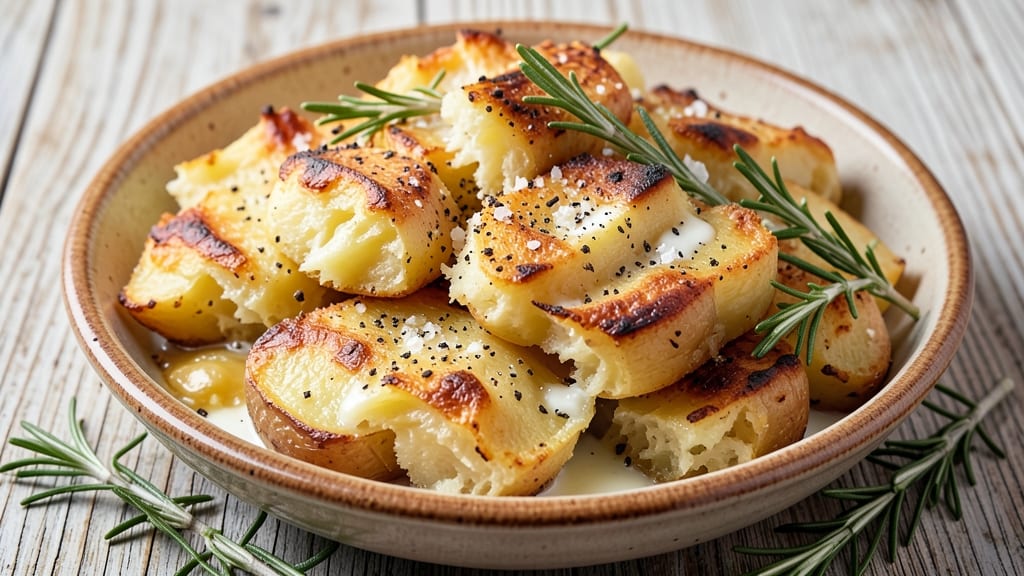
This potato smashers recipe transforms simple starchy tubers into golden, buttery masterpieces with crispy edges and velvety centers—exactly how British pubs serve them. The technique is deceptively simple: boil potatoes until tender, then smash them gently with a fork or ricer to create that signature rustic texture.
I've perfected this dish over years of holiday dinners, where it disappears faster than the roast beef it accompanies.
The secret lies in the timing and technique—boiling potatoes just until they're fork-tender prevents them from turning mushy, while the butter and milk work together to create that irresistible contrast between crispy crust and creamy interior.
This recipe delivers restaurant-quality results without requiring any special equipment beyond a baking sheet and a fork.
By the time they emerge from the oven, your potato smashers will be golden-brown and glistening with butter, with edges that crackle when you cut into them. The flavor is simple but satisfying—just salt, pepper, and butter—but the texture makes it unforgettable.
Serve them alongside roast beef, turkey, or even as a standalone dish with gravy for dipping.
Whether you're hosting a Sunday roast or just craving comfort food, these potato smashers bring that classic pub-side appeal to your table. The best part? They're foolproof—once you master the technique, you'll never go back to plain mashed potatoes again. Let's get started on making them.
Ingredients for potato smashers
Six simple ingredients transform humble potatoes into golden, buttery pub-style smashers.
| Ingredient | Amount | Notes |
|---|---|---|
| Russet Potatoes 🥔 | 2 ½ lb | Medium size, unpeeled for texture |
| Unsalted Butter 🧈 | ½ cup | Cold, cut into small cubes |
| Whole Milk 🥛 | ¼ cup | Full-fat for creaminess |
| Kosher Salt 🧂 | 1 ½ tsp | Adjust to taste |
| Freshly Ground Black Pepper 🌶️ | ½ tsp | Freshly cracked preferred |
| Fresh Rosemary 🌿 | 1 tbsp | Chopped, optional garnish |
| Extra-Virgin Olive Oil 🫒 | 1 tbsp | For drizzling before roasting |
The potatoes are everything here—Russet is ideal (thick skins hold shape), but Yukon Golds work too. Skip the pre-washed bags; organic from the produce section at Whole Foods or Trader Joe's have the best texture. Medium size matters—small ones smash unevenly, large ones stay undercooked. The butter should be cold and cubed (trust me on this), and the milk? Whole-fat only—low-fat turns out dry. For rosemary, grab fresh sprigs and chop just before serving (dried works, but fresh smells amazing).
No unsalted butter? Salted butter minus 1/4 tsp salt works, but watch the seasoning. Out of whole milk? Heavy cream thinned with a splash of water gives the same richness. The olive oil is non-negotiable for crispy edges—Trader Joe's has the best affordable bottle. Rosemary too pricey? Fresh thyme at half the amount is a great swap. And if you're short on time, microwave the potatoes 5 minutes after boiling to speed up the process (they'll still taste great).
Boiled potatoes keep 2 days in the fridge, but smash them fresh for best texture. The butter-milk mixture can be prepped ahead and stored in a jar for 3 days—just whisk before using. For make-ahead dinners, boil the potatoes, mash them with butter/milk, then refrigerate. Smash and roast straight from cold—they'll crisp up perfectly. Leftovers? Reheat in a 350°F oven for 10 minutes to restore that golden crust.
Why You'll Love This Recipe
- I’ll be real: this recipe is the kind of lazy that’s actually smart. Just poke those Russets with a fork, roast them whole, then smash them open—no peeling, no boiling, no fuss. The butter and milk melt right in, so you’re basically getting a fluffy, golden center with zero effort.
- No-Fuss Mash: I’ll be real: this recipe is the kind of lazy that’s actually smart. Just poke those Russets with a fork, roast them whole, then smash them open—no peeling, no boiling, no fuss. The butter and milk melt right in, so you’re basically getting a fluffy, golden center with zero effort.
- Buttery Magic: That crispy skin and creamy interior? It’s the kind of contrast that makes you pause mid-bite. The butter gets golden and nutty while the inside stays pillowy—like a hug from a starchy, salty dream. (Yes, even on a Tuesday night.)
- Leftovers? More Like Leftovers: Honestly, I’ve never had potato smashers not last three days in my fridge. Reheat them—crispy bits intact—and they’re just as good cold in a sandwich or tossed in a salad. They’re the ultimate lazy lunch or dinner fix.
Step-by-step instructions for buttery crispy potato smashers
Here's how to transform simple russet potatoes into restaurant-style potato smashers with a golden crust and creamy insides.
Prep and Parboil the Potatoes
Start by scrubbing the 2.5 lb russet potatoes thoroughly under cold water to remove any dirt. Cut them into 2-inch chunks, leaving the skin on for texture. Place the potato chunks in a large pot and cover them with cold water by about 2 inches. Add 1.5 tsp kosher salt to the water.
Bring the water to a boil over high heat, then reduce to a gentle simmer. Cook the potatoes for 10-12 minutes until they're fork-tender but still hold their shape when pierced. You'll know they're ready when a knife slides in easily with just a little resistance. Drain the potatoes immediately and return them to the pot.
Mash and Season the Potatoes
While the potatoes are still hot, use a potato masher or fork to roughly mash them in the pot. You want some texture remaining—don't overwork them into a smooth puree. Let them cool slightly for 2-3 minutes, then transfer the mashed potatoes to a large bowl.
Add the 0.5 cup cold unsalted butter (cut into small cubes) and the 0.25 cup whole milk to the warm potatoes. Use a wooden spoon to fold everything together until the butter melts and you have a creamy, lumpy mixture. Stir in the 0.5 tsp freshly ground black pepper and 1 tbsp chopped fresh rosemary, mixing well to distribute the seasonings evenly.
Shape and Roast the Potato Smashers
Preheat your oven to 425°F. Line a large baking sheet with parchment paper or lightly grease it with the 1 tbsp extra-virgin olive oil. Using your hands or a spoon, divide the potato mixture into 6 equal portions (about ½ cup each) and shape them into rough ovals on the prepared baking sheet, spacing them about 1 inch apart.
Drizzle each potato smasher with a tiny bit of olive oil (about ¼ tsp per smasher) and use your fingers to create some texture on top—press lightly to form ridges. This helps create that beautiful crispy crust. Bake for 25-30 minutes until the edges are golden brown and crispy, while the centers remain soft and creamy.
Check for Doneness and Serve
Remove the potato smashers from the oven and let them rest for 2-3 minutes. They should be firm on the outside with a crispy golden crust, but still tender and creamy inside. If you cut into one and the center looks dry, return them to the oven for another 5 minutes to finish cooking.
Serve immediately with your favorite toppings—extra melted butter, chopped fresh herbs, or a sprinkle of flaky sea salt. These potato smashers are perfect for breakfast, brunch, or even as a side dish for any meal. The contrast of crispy edges and creamy centers makes them irresistible!
Pro Tips For Making Potato Smashers
- USE A POTATO MASHER—NOT A FORK: I learned this the hard way—mashing with a fork leaves gummy, uneven lumps. A potato masher (or even a ricer) breaks down the starch properly while keeping texture. If you’re in a pinch, a wooden spoon works, but you’ll need to work harder for that silky finish.
- BOIL POTATOES UNTIL THEY’RE SOFTER THAN YOU THINK: Pierce them first, sure, but don’t pull them out when they’re just tender. Russets need to be fall-apart-soft—like a fork slides through with zero resistance. Overcooked? They’ll still mash smooth. Undercooked? You’ll regret it later.
- SALT THE MILK—IT’S NOT JUST FOR FLAVOR: Skip this, and your smashers taste bland, even with butter and pepper. Add a pinch of kosher salt to the warm milk (about ¼ tsp) before mixing it in. It’s the thing that makes the whole dish sing—trust me, I’ve made the mistake of forgetting.
- PRESS THE POTATOES HOT, THEN REST THEM: Smash them straight from the pot, and they’ll stick to your pan like glue. Instead, spread them on a baking sheet, drizzle with melted butter, and let them sit for 5 minutes. The residual heat firms them up just enough to hold shape—no more sad, flat pancakes.
Common mistakes when making perfect results
Overcooking the Potatoes
I've learned the hard way that boiling potatoes too long turns them into a gluey mess. Aim for 10-12 minutes until they're fork-tender but still hold their shape.
Overcooked potatoes lose their structure and won't hold the smashed shape properly. Test with a knife—it should slide in with slight resistance, not like butter. 🥔
Skipping the Resting Time
After mashing, let the potatoes rest for 2-3 minutes before adding butter and milk. This prevents the butter from turning into grease. I once rushed this step and ended up with a greasy, unappetizing mess. Warm potatoes absorb the butter better, creating that perfect creamy texture.
Uneven Smashing
Use a fork or potato masher to create consistent texture—don't just mash randomly. Uneven smashing leads to some parts being too smooth and others too lumpy. For best results, press down firmly in a grid pattern to create uniform ridges. This ensures even crisping in the oven.
Incorrect Oven Temperature
Setting the oven too low (400°F) results in soggy edges, while too high (450°F) burns the outside before the inside cooks. Stick to 425°F for that perfect golden crust.
I've had to redo batches when the oven temperature was off—always preheat for at least 15 minutes before baking.
Using Low-Fat Milk
Whole milk is non-negotiable for creamy potato smashers. Low-fat or skim milk produces dry, crumbly results. The fat content in whole milk creates that luxurious mouthfeel. If you're out of whole milk, use heavy cream thinned with a splash of water as a substitute.
Missing the Olive Oil Drizzle
That final drizzle of olive oil before baking is what creates the signature crispy crust. Skip it, and you'll get flat, dull potato smashers. Use ¼ tsp per smasher and create ridges with your fingers to maximize surface area for browning.
This simple step makes all the difference in texture. 💫
Nutrition facts
Frequently asked questions about potato smashers
What makes potato smashers different from regular mashed potatoes?
Potato smashers keep their rustic texture—roughly mashed with some lumps—while regular mashed potatoes are smooth. The key difference is roasting after mashing, which creates crispy golden edges and creamy centers. This technique preserves the potato's natural structure for that signature pub-style appeal.
Can I make potato smashers ahead of time?
Yes! Boil and mash the potatoes up to 2 days ahead, then refrigerate the mixture. Shape and roast straight from cold—they'll still develop that perfect crispy crust. For make-ahead dinners, store the mashed potatoes in an airtight container and roast when ready to serve. Reheat leftovers at 350°F for 10 minutes to restore crispiness.
What's the best way to test if potatoes are done boiling?
Use a knife or fork—the potato should slide in easily with slight resistance (like butter). If it falls apart completely, they're overcooked. For potato smashers, aim for 10-12 minutes of simmering. Undercooked potatoes won't hold their shape when smashed, while overcooked ones turn gluey. Test one piece to be sure!
How do I fix potato smashers that turned out too dry?
If they're dry, try reheating them with a splash of warm milk or cream (just enough to moisten) and a pat of butter. For next time, use whole milk (never low-fat) and don't overbake. The oven should be 425°F—any hotter and they'll dry out faster. A sprinkle of extra butter before serving can also help restore creaminess.
Can I use sweet potatoes for smashers?
Sweet potatoes work but require adjustments—they're naturally sweeter and more moist. Boil them 5 minutes longer (15-17 minutes) and drain well. Use half the milk (or omit it) and add a pinch of cinnamon or nutmeg for flavor. Roast at 400°F (they brown faster) and expect a denser, sweeter result.