
Side Dishes
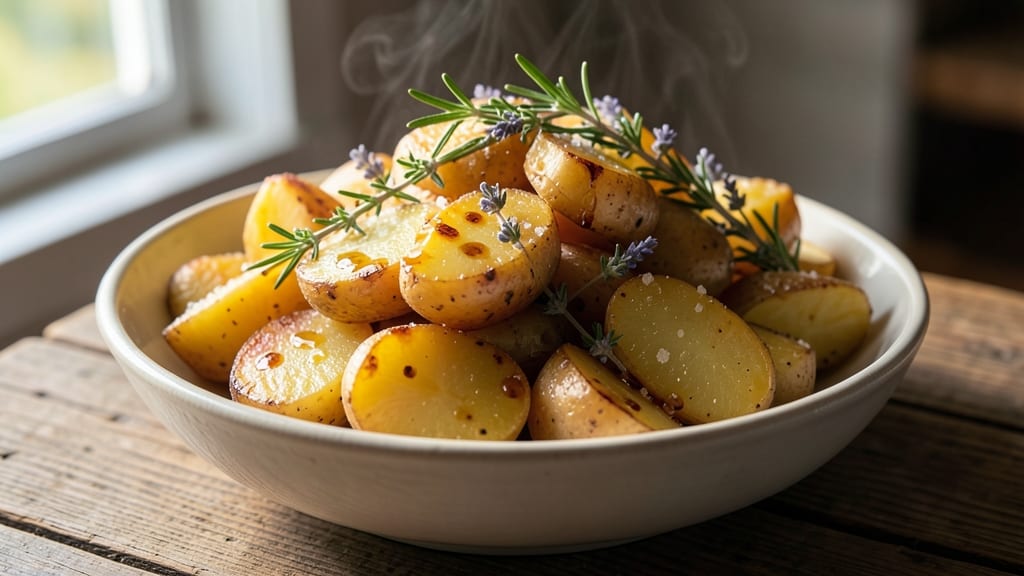
Perfectly boiled new potatoes should be crisp on the outside with fluffy pink hearts inside, and this recipe delivers exactly that with a simple yet transformative technique.
I discovered the secret was using vinegar-infused water—not just salted—which prevents the potatoes from turning gray and creates a subtle tang that elevates their natural sweetness. The key lies in proper preparation and timing, ensuring tender centers without losing that satisfying bite.
This method requires just five ingredients: new potatoes, water, salt, vinegar, and optional herbs for infusion. The process starts with a quick boil in well-seasoned water—no peeling needed unless you prefer smooth texture—and ends with crisp wedges that hold their shape beautifully.
What sets this apart is the vinegar trick, which also helps preserve color and enhances the potato’s natural flavor profile.
By the time you’re done, you’ll have restaurant-quality boiled potatoes that are crisp at the edges and tender inside, with a subtle vinegar brightness that makes them irresistible.
The wedges stay firm enough to handle without falling apart, perfect for serving as a side dish or adding to salads and bowls. This technique works for both skin-on and peeled potatoes, giving you versatility for any meal.
Whether you’re serving them alongside roasted meats or using them as a base for hearty salads, these potatoes bring a professional touch to any table. The vinegar-infused method ensures they stay vibrant and delicious, even when reheated. Let’s get started!
Ingredients for boiled new potatoes
Five simple ingredients transform ordinary new potatoes into restaurant-quality crisp wedges with fluffy pink centers.
| Ingredient | Amount | Notes |
|---|---|---|
| New Potatoes 🥔 | 1 ½ lb | Baby or fingerling size preferred |
| White Vinegar 🍶 | 2 tbsp | Distilled preferred for clarity |
| Diamond Crystal Kosher Salt 🧂 | 1 ½ tsp | Not table salt—use kosher |
| Fresh Rosemary 🌿 | 1 whole | Sprig for infusion (optional) |
| Fresh Thyme 🌿 | 1 whole | Sprig for infusion (optional) |
| Water 💧 | 4 cups | Filtered or tap preferred |
The potatoes are everything here—look for small, uniform new potatoes (about 1-2 inches in diameter) from the produce section, not the pre-washed bags. Trader Joe's and Whole Foods carry excellent options, but any grocery store's fresh bin works. The key is size consistency: uniform potatoes cook evenly. Skip the peeling unless you prefer a smoother texture, as the skin adds texture and nutrients. For the vinegar, distilled white vinegar is ideal—it’s clear and won’t alter the potato’s natural color. If you’re using herbs, fresh rosemary and thyme add subtle depth, but they’re optional if you’re short on time.
No white vinegar? Apple cider vinegar or lemon juice work in a pinch, though the flavor will be slightly more pronounced. Running out of rosemary? Fresh parsley or a bay leaf adds brightness without overpowering. The salt is critical—Diamond Crystal kosher salt dissolves easily and enhances flavor without clouding the water. For a saltier taste, increase to 2 teaspoons, but start with the listed amount. If your potatoes are particularly dirty, give them a quick rinse before boiling, but don’t soak them—this leaches out starch and makes them gummy.
Boiled potatoes reheat beautifully—store in cold water to maintain crispness for up to 3 days. For longer storage, portion into airtight containers and refrigerate for 5-6 days. Freezing isn’t recommended, as the texture becomes mealy. To serve, drain well and pat dry with a clean kitchen towel—this step is non-negotiable for crisp wedges. The vinegar-infused water can be reused for one additional batch if strained well, but discard after that to avoid flavor buildup.
Why You'll Love This Recipe
- No-Peel Hassle: I swear by these waxy little potatoes—their skins stay perfectly intact when boiled, so no scrubbing, no peeling, just dump-and-go. Honestly, the only prep is a quick rinse and a knife to halve them (if you’re feeling fancy).
- Herb Magic Upgrade: That splash of vinegar isn’t just for color—it cuts through the earthiness of the rosemary and thyme, making them sing without overpowering. The salt? Crispy little flecks on the outside, buttery soft inside. (Yes, even my herb-skeptical husband asks for seconds.)
- Picnic-Proof Perfection: Cold or warm, these potatoes hold up like champs—pack them in a container for lunch, toss them on a charcuterie board, or serve them alongside grilled fish. Between us, they’re the MVP of any spread, no matter the occasion.
- Budget Booster: A pound of new potatoes and a handful of herbs cost less than takeout, yet they feel like a restaurant-worthy side. And the leftovers? Reheat them in the microwave with a drizzle of olive oil—still crispy, still delicious. My wallet and my taste buds thank me.
Step-by-step instructions for vinegar-infused crisp potatoes
Here's how to achieve perfectly crisp wedges with fluffy pink centers every time.
Prepare the Potatoes for Even Cooking
Begin by rinsing the 1.5 lb new potatoes under cold water to remove any dirt. I prefer baby or fingerling potatoes for this recipe—their smaller size ensures even cooking. Using a sharp chef's knife, cut each potato into 1-inch wedges, leaving the skin on for texture. For consistent results, aim for wedges of similar size throughout.
Place the potato wedges in a large bowl and toss gently with the 2 tbsp white vinegar. The vinegar serves two purposes: it brightens the flavor and helps prevent the potatoes from turning gray during cooking. Let them sit for 5 minutes while you prepare the herbs. This brief marinade ensures the acid penetrates slightly for enhanced flavor.
Infuse the Water with Herbs and Salt
In a large pot with a lid, combine the 4 cups water, the whole sprig of fresh rosemary, and the whole sprig of fresh thyme. Bring the mixture to a boil over medium-high heat. Once boiling, reduce heat to maintain a gentle simmer and add the 1.5 tsp diamond crystal kosher salt. Stir lightly to dissolve the salt completely.
The herbs will infuse the water with their aromatic oils, which will then flavor the potatoes during cooking. I like to use whole sprigs here—they're easy to remove later and prevent the water from becoming overly bitter. Keep the water at a steady simmer; any rolling boil could cause the potatoes to cook unevenly.
Cook the Potatoes to Perfect Doneness
Using a slotted spoon, carefully add the vinegar-tossed potato wedges to the simmering herb-infused water. Arrange them in a single layer to ensure even cooking. Return the water to a gentle simmer and cover the pot with the lid. Cook for 12-15 minutes, stirring once halfway through, until the potatoes are fork-tender when pierced with a sharp knife.
You'll know they're ready when the knife slides in easily with just slight resistance, and the edges begin to look slightly translucent. The potatoes should maintain their shape but be tender throughout. Avoid overcooking—they'll continue cooking slightly after removal from the heat, and you want to preserve that fluffy interior.
Drain and Rest for Optimal Texture
Once the potatoes reach perfect doneness, use the slotted spoon to transfer them to a clean kitchen towel or colander. Gently shake or pat them dry to remove excess moisture. I find this step crucial for developing crisp edges later. While still in the pot, remove the herb sprigs using tongs.
Let the potatoes rest for 5 minutes before serving. This resting period allows the starches to set slightly, which helps maintain their texture when you serve them. During this time, you can reheat the potatoes in a skillet for added crispiness if desired, though they'll be delicious as-is with their natural steam heat.
Pro Tips For Making Boiled New Potatoes
- Boil in Vinegar Water: The acid in white vinegar keeps potatoes from turning gummy and gray—no excuses for bland, sad spuds. Use 1/4 cup per quart of water, and don’t skimp. I learned this the hard way when I tried to save vinegar and ended up with a sad, starchy mess.
- Scrub, Don’t Peel: New potatoes have thin skins that hold flavor, so scrub them under cold water with a brush instead of peeling. If you’re stubborn and peel them, at least leave a sliver of skin—it’s the only thing keeping those herbs from floating away like lost leaves.
- Salt the Water Early: Toss in the kosher salt before adding the potatoes—this guarantees even seasoning, not just salty bottoms. And yes, more salt than you think: aim for 1 tablespoon per pound of potatoes. Your taste buds will notice the difference.
- Toss with Herbs Cold: Drain the potatoes hot and immediately toss them with fresh rosemary and thyme while they’re still steaming. The heat wakes up those herbs, making their flavor sing instead of sitting there like wallflowers. (Pro tip: Roughly chop the herbs first—no one wants to chew stems.)
Make-ahead tips for boiled new potatoes
Prep Ahead for Meals
Boil the potatoes the night before and store them in an airtight container with a damp paper towel to maintain moisture. The vinegar infusion keeps them fresh for up to 3 days in the fridge, making them perfect for quick weeknight dinners.
I like to portion them into single-serving containers so I can grab and reheat as needed. 💡
Freezing for Later
While not ideal for texture, you can freeze these potatoes for 1 month if needed. After boiling and draining, spread them on a baking sheet to freeze solid, then transfer to a freezer bag.
Thaw overnight in the fridge before reheating—never microwave directly from frozen. The texture won't be as crisp, but they'll still be tender and flavorful. ❄️
Reheating Like a Pro
For best results, reheat in a skillet over medium heat with 1 tbsp butter until golden and crispy. I add a splash of water to prevent sticking and cover the pan for 2-3 minutes to restore moisture.
Alternatively, bake at 400°F for 10 minutes for even crispiness. Avoid microwaving—it turns them soggy. 🔥
Make-Ahead Serving Prep
For parties or gatherings, boil and store the potatoes fully dressed with herbs and butter. Keep them warm in a slow cooker on low heat for up to 4 hours, stirring occasionally.
To serve, toss with extra herbs and a drizzle of olive oil for freshness. This method keeps them hot and ready without last-minute fuss. 💫
Portion Control Tips
Divide the cooked potatoes into 4 equal portions (about ¼ lb each) before storing. This makes it easy to reheat just what you need. I use glass Pyrex containers because they reheat evenly and are microwave-safe if needed. Label containers with dates to track freshness. 📅
Herb Infusion Hack
Save the herb-infused water after boiling the potatoes for up to 2 more uses. Strain out the herbs and store the liquid in a jar in the fridge.
Use it to steam veggies or cook grains—the subtle herbal notes add depth to other dishes. This reduces waste and adds flavor to your entire meal prep. 🌿
Nutrition facts
Frequently asked questions
Why do your boiled potatoes stay crispy while others turn soggy?
The vinegar infusion and proper drying are key! The 2 tbsp white vinegar brightens flavor and prevents graying, while patting them dry with a kitchen towel creates crisp edges. Never skip the resting time—5 minutes lets starches set for perfect texture.
Can I use regular potatoes instead of new potatoes?
Not ideal—their thicker skins and higher starch content make them gummy when boiled. New potatoes have thinner skins and less starch, giving that perfect crisp-wedge texture. If you must substitute, use Yukon Golds (halve them first) but expect slightly less crispness.
How do I fix potatoes that came out undercooked?
Return them to the pot with ½ cup fresh water and simmer uncovered for 3-5 minutes, stirring occasionally. For extra crispiness, finish in a hot skillet with 1 tbsp butter for 2 minutes. Avoid microwaving—it makes them mealy.
What's the best way to serve these boiled potatoes?
Toss with melted butter, fresh parsley, and a pinch of salt for classic flavor. For a modern twist, drizzle with olive oil and cracked black pepper. They pair perfectly with grilled meats, roasted veggies, or even as a salad topping.
Can I make this recipe without vinegar?
Yes, but the potatoes may turn grayish. Substitute with 1 tbsp lemon juice or skip entirely—just add ½ tsp baking soda to the water to maintain color. The vinegar adds subtle brightness, but the recipe still works without it.