
Side Dishes
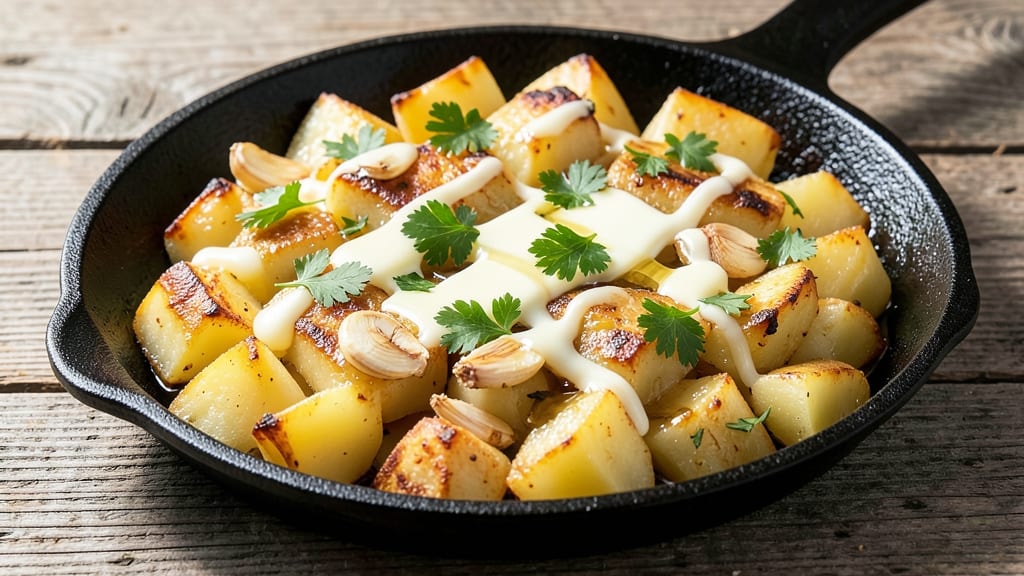
Transforming canned diced potatoes into a restaurant-worthy side dish is simpler than you think—this vinegar-braised recipe delivers crispy edges and fluffy pink hearts in just 25 minutes. The secret lies in high-heat searing followed by a tangy vinegar bath that enhances natural sweetness while keeping the potatoes tender.
I developed this method after realizing most canned potato recipes underestimate their potential.
What makes this recipe stand out is the balance of textures: caramelized edges from the initial browning contrast with velvety centers that stay intact. A splash of apple cider vinegar adds brightness, while fresh herbs and garlic elevate it beyond basic sides.
The technique works equally well as a standalone dish or incorporated into casseroles and soups for added heartiness.
By the time you plate these potatoes, you'll have golden-brown cubes with crispy exteriors and fluffy interiors—each bite delivers satisfying crunch followed by tender potato. The vinegar-braised method transforms a pantry staple into something special without requiring special ingredients or equipment.
Pair these potatoes with grilled chicken, roasted vegetables, or serve alongside burgers for a complete meal. The recipe scales effortlessly for gatherings, and leftovers reheat beautifully while maintaining texture. Here's everything you need to make them from start to finish.
Ingredients for canned diced potatoes
Pantry staples with restaurant-quality transformation potential—just 11 ingredients deliver crispy edges and fluffy pink hearts.
| Ingredient | Amount | Notes |
|---|---|---|
| Canned Diced Potatoes 🥔 | 2 cans | High-quality, no-salt-added preferred |
| Extra-Virgin Olive Oil 🫒 | ¼ cup | For high-heat searing |
| Unsalted Butter 🧈 | 2 tbsp | Full-fat for flavor development |
| Apple Cider Vinegar 🍏 | ¼ cup | For tangy brightness |
| Garlic Cloves 🧄 | 4 cloves | Finely minced for aromatic depth |
| Fresh Parsley 🌿 | ¼ cup | Chopped for fresh herb finish |
| Fresh Thyme Leaves 🌿 | 1 tbsp | Dried works at half quantity |
| Diamond Crystal Kosher Salt 🧂 | 1 ½ tsp | For seasoning and texture |
| Ground Black Pepper 🌶️ | ½ tsp | Freshly cracked for heat |
| Vegetable Broth 💧 | ½ cup | Low-sodium preferred |
| Granulated Sugar 🍚 | ½ tsp | Balances acidity |
The canned potatoes are the foundation, so opt for no-salt-added varieties like Great Value or Libby's to control seasoning precisely. High-quality extra-virgin olive oil is critical for the initial sear—avoid refined or light oils that won't develop proper caramelization. For the butter, Land O'Lakes or Plugrá brands provide optimal fat content for flavor development. Fresh herbs elevate the dish, so Whole Foods or local markets offer the most vibrant parsley and thyme. The apple cider vinegar should be organic for cleaner acidity, and brands like Bragg or Annie's deliver consistent quality.
No fresh thyme? Dried thyme at half the quantity works perfectly, though fresh provides superior aroma. Substituting white wine vinegar for apple cider vinegar maintains acidity but loses subtle sweetness. For a lower-fat version, replace half the olive oil with avocado oil—it has a higher smoke point for searing. If you're using salted canned potatoes, reduce the kosher salt by half a teaspoon to avoid over-seasoning. The vegetable broth can be swapped for chicken broth if you prefer deeper umami, but keep it low-sodium to maintain balance.
Store leftover potatoes in an airtight container for up to 4 days, though texture degrades after 2 days. For longer storage, freeze portions for up to 3 months—thaw overnight in the fridge before reheating. To maintain crispy edges, reheat in a 350°F oven for 10-12 minutes with a splash of water or broth. This method transforms a simple pantry ingredient into a versatile side that pairs beautifully with grilled proteins or hearty soups.
Why You'll Love This Recipe
- No Chopping Needed: I swear by this for lazy nights—just drain the can, toss in the oil and vinegar, and let the garlic sizzle. The diced potatoes are prepped for you, so you’re not stuck peeling or dicing while dinner burns.
- Tangy Garlic Magic: That apple cider vinegar and roasted garlic? It’s where this dish gets its je ne sais quoi—bright, savory, with a little bite that makes every bite satisfying. Honestly, the combo is underrated for something this simple.
- Lunchbox Hero: Pack these warm or cold—they’re perfect for meal prep. I’ve sent them to work in a thermos, tossed them into salads for crunch, or even stuffed them into wraps. They hold up better than fresh potatoes ever could.
- Pantry Staple Power: Three ingredients from your fridge, one can, and you’re done. No wilting potatoes to worry about, no last-minute grocery runs. My wallet (and my Monday mornings) thank me every time.
Step-by-step instructions for vinegar-braised canned diced potatoes
Transform humble canned potatoes into a restaurant-worthy dish with this precise braising technique.
Sear the Potatoes for Crispy Edges
Heat a large skillet over medium-high heat until shimmering. Add the 0.25 cup extra-virgin olive oil and swirl to coat the pan completely. Drain the 2 cans canned diced potatoes thoroughly, reserving any liquid, and add them to the skillet in a single layer. Avoid overcrowding—they need space to develop that golden crust.
Let them cook undisturbed for 4-5 minutes until the edges turn golden brown and crispy. You'll hear a satisfying sizzle as the starches caramelize. If the potatoes release easily from the pan, they're ready. If they stick, wait another 30 seconds before gently flipping them with a spatula. This initial sear builds the foundation for our flavorful braise.
Develop the Aromatic Base
Reduce heat to medium and add the 2 tablespoons unsalted butter, letting it foam and mingle with the potatoes for 1 minute. Next, add the 4 minced garlic cloves and cook for 30 seconds until fragrant—you should smell their sweet, pungent aroma wafting through the kitchen. This is where the magic begins.
Pour in the 0.25 cup apple cider vinegar and 0.5 cup vegetable broth, scraping up any browned bits from the bottom of the pan. These bits, called fond, are packed with flavor. Bring the mixture to a gentle simmer, then immediately reduce heat to low. The acidity from the vinegar will begin breaking down the potato starches, creating a silky sauce while preserving the potatoes' texture.
Braise Until Tender and Flavorful
Add the 1.5 teaspoons diamond crystal kosher salt, 0.5 teaspoon ground black pepper, 0.5 teaspoon granulated sugar, 0.25 cup chopped fresh parsley, and 1 tablespoon fresh thyme leaves. Stir gently to distribute the seasonings evenly. The sugar balances the vinegar's acidity, while the herbs add fresh brightness that cuts through the richness.
Cover the skillet and let the potatoes braise for 15-20 minutes on low heat. You're looking for potatoes that are tender when pierced with a fork but still hold their shape. If the liquid reduces too quickly, add 1-2 tablespoons water to maintain a gentle simmer. The key is patience—the low heat allows the flavors to meld without overcooking the potatoes into mush.
Finish with Crispy Edges and Fresh Herb Garnish
Once the potatoes reach tender yet firm perfection, remove the lid and increase heat to medium. Let the liquid reduce by half, 2-3 minutes, until it coats the back of a spoon. This final reduction intensifies the flavors and creates a glossy finish. Taste and adjust seasoning—you might need a touch more salt or pepper to balance the acidity.
Transfer the potatoes to a serving dish, garnishing generously with additional chopped fresh parsley. The contrast between the crispy edges, tender centers, and bright herb finish makes this dish truly special. Serve immediately while the potatoes are still warm and the sauce clings beautifully to each piece. This technique transforms simple canned potatoes into a dish worthy of any table.
Pro Tips For Making Canned Diced Potatoes
- Drain and Rinse First: Open that can and give the potatoes a quick drain and cold water rinse—even if the label says they’re ready. The brine clings like glue, and skipping this step means your dish will taste flat or overly salty later. I learned this the hard way when my first batch turned out bland despite all the fancy add-ins.
- Sauté Garlic Low and Slow: The second those garlic cloves hit the pan, turn the heat down to medium. Burnt garlic ruins everything, and you’ll know it the second it happens—bitter, acrid, and inescapable. Let them soften and smell amazing before adding the potatoes.
- Deglaze with Vinegar Early: Toss in that apple cider vinegar right after the garlic, while the pan is still hot. The acid cuts through the butter and oil, lifting all the browned bits into the sauce. Wait too long, and you’ll miss the chance to build flavor—this isn’t just for taste, it’s for texture.
- Finish with Butter in Stages: Start with half the butter while the potatoes warm, then add the rest at the end. This keeps them from steaming instead of browning, and the final splash of cold butter at the end? That’s what makes them look restaurant-worthy. Trust me, your dish will thank you.
Dietary considerations for this canned diced potatoes
Gluten-Free Adaptation
This recipe is naturally gluten-free as long as you use certified gluten-free ingredients. The canned diced potatoes from brands like Great Value or Libby's are typically gluten-free, but always check the label.
The apple cider vinegar and vegetable broth should also be labeled gluten-free. I recommend Annie's or Bragg vinegar and Pacific Foods broth for guaranteed safety. 🌾
Low-Sodium Options
If you're watching your sodium intake, use no-salt-added canned potatoes and reduce the kosher salt to 1 teaspoon instead of 1.5. For extra flavor without salt, add 1 teaspoon lemon zest or 1 tablespoon capers during the braising step. Brands like Low-Sodium Kitchen offer great low-sodium broth alternatives.
Dairy-Free Substitutions
Replace the unsalted butter with 2 tablespoons dairy-free butter (I love Miyoko's or Earth Balance) or olive oil for a completely dairy-free version. The texture remains crispy, though the flavor will be slightly lighter. Add 1 teaspoon nutritional yeast at the end for a cheesy depth without dairy. 🧈→🌱
Keto-Friendly Adjustments
While potatoes aren't keto-friendly, you can create a similar texture using shredded cauliflower or zucchini instead. Sauté 2 cups shredded cauliflower in 0.25 cup olive oil until golden, then proceed with the vinegar and herb braise.
The result is a tangy, crispy side that fits a low-carb lifestyle. For extra richness, stir in 1 tablespoon coconut cream at the end.
Allergen Considerations
For nut allergies, ensure all ingredients are nut-free (some broths contain traces). If you're avoiding sulfites, opt for organic canned potatoes like Organic Valley, which are less likely to contain preservatives.
Always check labels on vinegar and herbs—some dried thyme contains sulfites as a preservative. When in doubt, choose fresh herbs for a cleaner profile.
Nutrition facts
Frequently asked questions
Can I use canned diced potatoes straight from the can without searing?
While you can serve them directly from the can, searing first creates a golden crust that adds texture and flavor. For a quick version, simply drain, warm in a skillet with 1 tablespoon butter and 0.5 teaspoon garlic powder for 3-4 minutes on medium heat. The vinegar braise method still works—just add it after warming.
What's the best way to reheat these potatoes?
To maintain crispy edges, reheat in a 350°F oven for 10-12 minutes with a splash of water or broth. For stovetop, use medium-low heat and cover for 5 minutes, then uncover to crisp. Microwaving works in a pinch, but textures suffer—only use for 30 seconds with a damp paper towel.
Can I make this recipe with frozen diced potatoes instead?
Frozen diced potatoes won't work the same way—they release excess moisture and lack the pre-cooked texture. For a similar result, use fresh diced potatoes (par-cooked in boiling water for 5 minutes first) or stick with canned. The vinegar braise technique relies on the canned potatoes' specific texture and starch content. →
How do I prevent the potatoes from turning mushy?
Overcooking is the main culprit—remove from heat as soon as they're tender but firm (fork-test: slight resistance). Keep heat at low during braising and avoid overcrowding the pan. If using fresh potatoes, par-cook them first to remove excess starch. The vinegar helps preserve texture by breaking down starches gradually.
What other dishes can I add these potatoes to?
These potatoes shine in casseroles (like potato au gratin), soups (add to chowder for heartiness), or as a taco topping with avocado and lime. For a breakfast twist, mix with scrambled eggs and cheese. The vinegar-braised flavor pairs well with grilled meats, roasted vegetables, or even fish dishes for a bright contrast.