Side Dishes
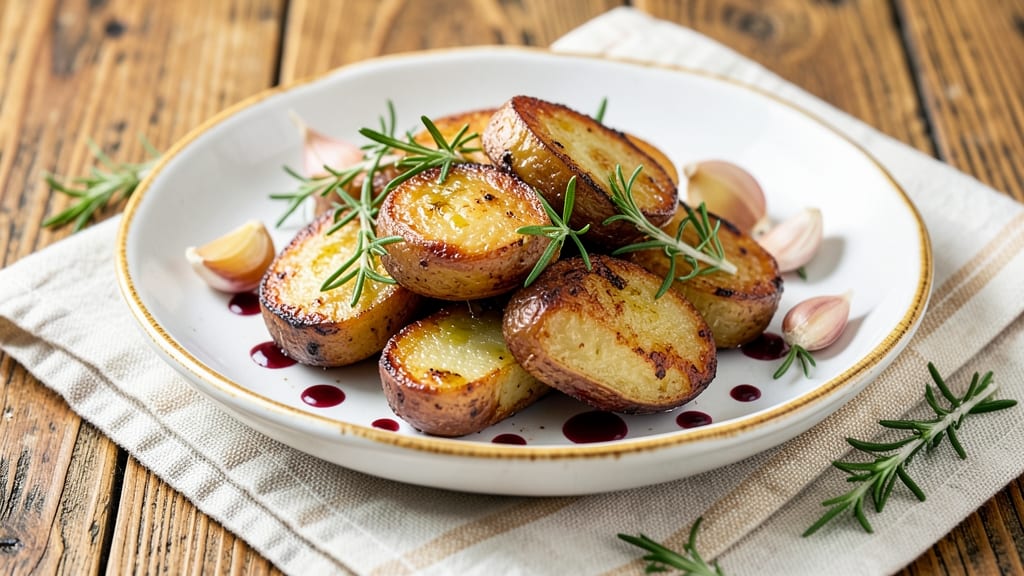
Transforming canned new potatoes into a herb-infused roast with a tangy vinegar glaze turns a pantry staple into a restaurant-worthy side dish. This recipe proves you don’t need fresh potatoes to achieve crispy, flavorful results—just the right seasoning and technique.
I developed it after realizing how often canned potatoes get overlooked in favor of their fresher counterparts, and the difference is night and day when prepared this way.
The secret lies in the vinegar glaze, which caramelizes beautifully while adding brightness that cuts through rich main dishes. Fresh herbs like thyme and rosemary infuse the potatoes with aromatic depth, while a touch of garlic ensures every bite has professional-level flavor.
The best part? It takes just 30 minutes from start to finish, making it perfect for weeknight dinners or holiday meals.
By the end, you’ll have golden, crispy potatoes with tender centers, glistening from the glaze and fragrant with herbs. They hold their shape beautifully and pair equally well with roasted meats, grilled fish, or even as a standalone salad.
This method elevates simple canned potatoes into something special—no one will guess they started in a can.
Whether you’re serving a family gathering or prepping for meal prep, this recipe delivers consistent, foolproof results every time. The glaze keeps well for up to a week, so you can make it ahead and reheat without losing texture. Let’s get cooking—your taste buds will thank you.
Ingredients for canned new potatoes
Pantry staples meet restaurant-worthy flavors in this herb-infused potato roast.
| Ingredient | Amount | Notes |
|---|---|---|
| Canned New Potatoes 🥔 | 2 cans | 15 oz each, drained and rinsed |
| Extra-Virgin Olive Oil 🫒 | ¼ cup | For crispy roasting |
| Red Wine Vinegar 🍷 | ¼ cup | For tangy glaze |
| Garlic Cloves 🧄 | 4 cloves | Minced for aromatic depth |
| Fresh Thyme Leaves 🌿 | ¼ cup | Or 1 tbsp dried thyme |
| Fresh Rosemary 🌿 | ¼ cup | Chopped, finely |
| Dijon Mustard 🍯 | 1 tbsp | For glaze richness |
| Honey 🍯 | 1 tbsp | For glaze balance |
| Diamond Crystal Kosher Salt 🧂 | 1 ½ tsp | Adjust to taste |
| Freshly Ground Black Pepper 🌶️ | ½ tsp | For seasoning |
| Fresh Parsley 🌿 | ⅛ cup | Chopped, for garnish |
The canned potatoes are the star—look for 15 oz cans with no added salt or preservatives. Goya or Del Monte are reliable brands that hold up beautifully. Fresh herbs make all the difference here: farmers market thyme and rosemary have more vibrant flavor than grocery store bundles. If you're using dried herbs, measure carefully—one-third the amount of fresh works best. The garlic should be freshly minced (pre-minced jars lack punch), and the Dijon mustard adds that professional touch that separates homemade from store-bought.
No red wine vinegar? Apple cider vinegar or balsamic work in a pinch, though the flavor profile shifts slightly. Short on fresh herbs? Dried thyme and rosemary are fine, but toast them in a dry pan for 30 seconds first to wake up their flavor. The honey in the glaze balances the acidity—substitute maple syrup if you prefer. For extra crispiness, pat the potatoes completely dry before roasting. And if you're making this ahead, reheat at 350°F for 10 minutes to restore that perfect texture.
This glaze keeps for up to 1 week in the fridge, so make extra—it's perfect for drizzling over grilled meats or salads. The roasted potatoes reheat beautifully in the oven or air fryer for 5-7 minutes at 375°F. For meal prep, portion into glass containers with a sprinkle of fresh parsley on top. The herbs lose potency after 3 days, so add fresh garnish when serving. Store the glaze separately if you're not using it immediately—it keeps for 2 weeks in the fridge.
Why You'll Love This Recipe
- No-Chop Magic: I swear by this trick—just drain the canned potatoes, toss them straight into a pan with olive oil, and let the garlic and thyme work their flavor. No peeling, no dicing, no stress. My lazy Sundays now include this dish without a single knife pulled out.
- Taste Like You Cooked All Day: That bright red wine vinegar cuts through the richness of the olive oil, while the garlic and thyme sing together. It’s got that crispy edge from the pan with a creamy center—exactly what you want in a potato. Honestly, it’s the kind of flavor that makes you pause mid-bite.
- Picnic or Potluck Star: Cold or warm, these potatoes travel like a dream. Pack them in a container for a beach day, bring them to a BBQ, or serve them at room temperature with grilled chicken. My college friends still ask for this recipe—it’s that reliable.
- Budget-Friendly Pantry Hero: Canned potatoes? Check. Olive oil and vinegar I already had. A few cloves of garlic and a sprig of thyme round it out. It’s the kind of meal that stretches my grocery budget without sacrificing taste. (Yes, even on a Tuesday night.)
Step-by-step instructions for herb-infused roasted canned new potatoes
Here's how to transform simple canned potatoes into a restaurant-worthy herb roast with a tangy glaze.
Prepare the Potatoes for Maximum Crispiness
Drain and rinse the 2 cans of canned new potatoes thoroughly under cold water to remove excess starch. I like to pat them completely dry with paper towels—this step is crucial for achieving that perfect crispy exterior later. The potatoes should be cool to the touch before proceeding.
Transfer the potatoes to a large mixing bowl and toss them gently with the 0.25 cup of extra-virgin olive oil. I use my hands for this—it helps distribute the oil evenly and prevents clumping. The oil will coat each potato, creating a barrier that promotes even browning in the oven. Let them sit for 5 minutes while you prepare the herb mixture.
Create the Herb and Glaze Mixture
In a small bowl, combine the 0.25 cup of red wine vinegar, 1 tablespoon of Dijon mustard, and 1 tablespoon of honey. Whisk vigorously until smooth—the vinegar and honey should blend seamlessly, creating a balanced glaze base. This mixture will later caramelize beautifully on the potatoes, adding depth of flavor.
Add the 4 minced garlic cloves, 0.25 cup of fresh thyme leaves, and 0.25 cup of finely chopped fresh rosemary to the bowl. Mix gently to combine—you want the herbs to be distributed evenly but still visible. The garlic will infuse its aromatic essence, while the thyme and rosemary will provide that earthy, herbal complexity that makes this dish special.
Season and Toss the Potatoes
Add the herb-vinegar mixture to the potatoes in the mixing bowl. Using your hands again, toss everything together until each potato is thoroughly coated. Sprinkle with the 1.5 teaspoons of diamond crystal kosher salt and 0.5 teaspoon of freshly ground black pepper, pressing the seasoning gently into the potatoes to ensure even distribution.
Here's where it gets important: let the potatoes marinate for at least 15 minutes at room temperature. This resting period allows the flavors to meld together and the seasoning to penetrate the potatoes. The longer they sit, the more flavorful they'll become—up to 30 minutes if you have time.
Roast Until Golden and Crisp
Preheat your oven to 425°F. Line a large baking sheet with parchment paper or aluminum foil for easy cleanup. Spread the seasoned potatoes in a single layer on the prepared baking sheet, leaving about 1 inch of space between each potato. This arrangement allows hot air to circulate freely, promoting even browning.
Roast the potatoes for 25-30 minutes, stirring once halfway through the cooking time. You're looking for potatoes that are golden brown on all sides with some crispy edges. The internal temperature should reach 205°F when measured with an instant-read thermometer. If they brown too quickly, tent them loosely with foil to prevent over-browning while they finish cooking.
Finish with Fresh Herbs and Glaze
Remove the potatoes from the oven and transfer them to a serving platter. Immediately drizzle any remaining glaze from the baking sheet over the top, letting it pool slightly in the center. Sprinkle with the 0.125 cup of chopped fresh parsley, pressing it gently into the potatoes so it sticks.
Let the potatoes rest for 5 minutes before serving. This brief resting period allows the juices to redistribute, ensuring each bite is moist and flavorful. The result should be potatoes with a crispy exterior, tender interior, and that perfect balance of tangy, herby, and slightly sweet glaze. Serve immediately while hot—these potatoes are best enjoyed fresh out of the oven.
Pro Tips For Making Canned New Potatoes
- Drain and Pat Dry: Canned new potatoes come packed in liquid—don’t skip draining them first. After draining, spread them on a kitchen towel and press gently with another towel to soak up excess moisture. This ensures they crisp up properly in the olive oil instead of steaming in their own juices.
- Toast the Garlic Low: Slice those garlic cloves thin and cook them in olive oil over low heat until fragrant but not browned. I learned this the hard way—burnt garlic turns bitter and overpowers the delicate potatoes. Let them sizzle gently for 2-3 minutes, then remove them before adding the potatoes.
- Balance the Vinegar: Red wine vinegar adds brightness, but too much turns this dish into a salad. Start with 1 tablespoon per cup of potatoes, taste, then adjust. You can always add more, but you can’t take it out. If it’s too sharp, a pinch of salt or a drizzle of olive oil helps mellow it.
- Upgrade with Warm Thyme: Fresh thyme leaves should be added last—toss them in after the potatoes are warm. Cold leaves release their oils unevenly, and you’ll end up with some clumps. If you’re short on time, finely chop the stems too (they’re just as flavorful) and add them with the leaves.
Troubleshooting this recipe
Undercooked Potatoes
If your canned potatoes end up undercooked—still soft in the center—it’s usually due to overcrowding on the baking sheet or insufficient roasting time. I’ve found that spreading potatoes in a single layer with 1-inch gaps ensures even heat circulation.
For extra insurance, increase the roasting time by 5-10 minutes or check the internal temperature with an instant-read thermometer—aim for 205°F. If they’re still underdone, broil for 2-3 minutes on high, watching closely to avoid burning. 🌡️
Mushy Texture
Mushy potatoes often happen when excess moisture remains after draining or when the oven temperature isn’t hot enough. Always pat the potatoes completely dry with paper towels before roasting, and preheat your oven to 425°F—this high heat is key for crispiness.
If you’re concerned about moisture, spread the potatoes on a wire rack set over a baking sheet for 10 minutes before roasting to evaporate any lingering dampness.
Uneven Browning
Uneven browning typically occurs when potatoes aren’t evenly coated with oil or when they’re stacked too closely together. Toss the potatoes thoroughly with olive oil before seasoning, and ensure they’re spread in a single layer on the baking sheet.
If some potatoes brown faster than others, rotate the pan halfway through roasting. For extra crispiness, broil for 1-2 minutes at the end, but keep a close eye to avoid burning.
Glaze Too Thin
A thin glaze usually means the vinegar and honey weren’t properly balanced or the potatoes absorbed too much liquid. To fix this, reduce the vinegar slightly to 0.2 cup and increase the honey to 1.5 tablespoons for a thicker consistency.
If the glaze is too runny during roasting, let it reduce slightly by simmering in a small saucepan for 2-3 minutes before drizzling over the potatoes. For extra richness, stir in 1 teaspoon of butter at the end.
Herbs Not Infusing
If your herbs aren’t adding enough flavor, they might not have had enough time to meld with the potatoes. Let the potatoes marinate in the herb mixture for at least 15 minutes before roasting—this allows the flavors to penetrate.
For even more depth, toast the herbs in a dry pan for 30 seconds before mixing them into the glaze. Fresh herbs like thyme and rosemary work best, but if you’re using dried, double the amount and toast them first to intensify their flavor. 🌿
Stale or Dry Reheated Potatoes
Reheating canned potatoes often leads to dryness because they lose moisture over time. To restore texture, reheat them in the oven at 350°F for 10-15 minutes, covered loosely with foil. Add 1 tablespoon of water or broth to the baking dish to prevent drying.
For extra crispiness, broil for 1-2 minutes at the end. If reheating from the fridge, let them sit at room temperature for 10 minutes before serving to redistribute juices.
Nutrition facts
Frequently asked questions
Can I use this recipe with baby potatoes instead of canned?
While this recipe is specifically designed for canned potatoes, you can adapt it for fresh baby potatoes by parboiling them for 5 minutes first. Use the same seasoning and glaze, but reduce roasting time to 20-25 minutes since fresh potatoes cook faster. The texture will be slightly different but still delicious!
What's the best way to store leftovers?
Store leftovers in an airtight container in the fridge for up to 4 days. Reheat at 350°F for 10-15 minutes with a splash of water or broth to maintain moisture. For longer storage, freeze for up to 3 months—thaw overnight in the fridge before reheating.
Can I make this recipe without fresh herbs?
Use 1 tablespoon dried thyme and 1 teaspoon dried rosemary (about one-third the fresh amount). Toast the dried herbs in a dry pan for 30 seconds first to intensify their flavor. The glaze will still work, but fresh herbs provide the best aromatic depth.
How do I adjust this for a larger crowd?
Double the recipe for 8 servings, but use two large baking sheets to maintain even browning. Increase roasting time by 5 minutes if needed. For extra space, spread potatoes on a wire rack over a baking sheet to prevent crowding. The glaze can be made in batches and combined before serving.
What are some great pairing ideas?
These potatoes pair beautifully with grilled chicken, steak, or salmon. For vegetarian meals, serve with roasted Brussels sprouts or a fresh arugula salad. The tangy glaze also complements creamy dishes like mac and cheese or mashed potatoes for a flavorful contrast.