
Side Dishes
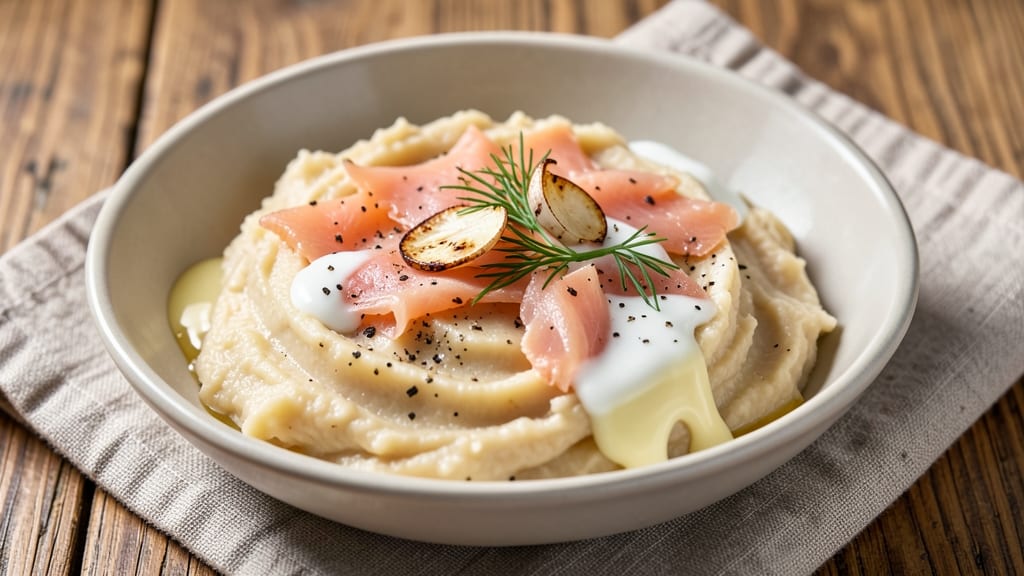
Transforming canned salmon into creamy mashed potatoes creates a surprisingly elegant side dish that pairs perfectly with weeknight dinners. The secret lies in blending flaky salmon directly into the potatoes, where its natural oils enrich the texture while adding subtle oceanic depth.
This method elevates simple mashed potatoes into something restaurant-worthy without requiring special ingredients.
What makes this recipe work is the balance of simplicity and sophistication. You'll use standard mashed potato ingredients—potatoes, butter, and cream—but the addition of canned salmon transforms them into something extraordinary.
The salmon's natural flavor enhances the potatoes while keeping the preparation straightforward, making it ideal for busy weeknights or holiday gatherings.
The result is a velvety mashed potato mixture with delicate flakes of salmon throughout, offering both creaminess and texture in every bite. The dish maintains its flaky quality while absorbing the rich, buttery goodness of the potatoes, creating a harmonious blend that's both comforting and sophisticated.
Serve these mashed potatoes alongside roasted vegetables, grilled fish, or even a simple steak to create a well-rounded meal. The recipe scales easily, making it perfect for feeding a crowd or preparing leftovers for the week.
Ingredients for canned salmon mashed potatoes
Twelve simple ingredients transform ordinary mashed potatoes into a luxurious salmon-infused side dish.
| Ingredient | Amount | Notes |
|---|---|---|
| Russet Potatoes 🥔 | 2 lb | Yukon Gold or red potatoes work too |
| Canned Salmon 🐟 | 2 cans | Wild-caught preferred, drained |
| Unsalted Butter 🧈 | ½ cup | European-style preferred for flavor |
| Heavy Cream 🥛 | ½ cup | Full-fat for optimal texture |
| Whole Milk 🥛 | ¼ cup | Warmed for smoother mash |
| Garlic Cloves 🧄 | 2 cloves | Roasted for deeper flavor |
| Fresh Dill 🌿 | 2 tbsp | Chopped, or 1 tsp dried |
| Diamond Crystal Kosher Salt 🧂 | 1 ½ tsp | Adjust to taste |
| Fresh Lemon Juice 🍋 | 1 tbsp | Brightens salmon flavor |
| Black Peppercorns 🌶️ | ½ tsp | Freshly cracked |
| Chives 🌿 | 2 tbsp | Finely chopped for garnish |
The quality of your potatoes and salmon makes all the difference. Russet potatoes yield the fluffiest texture, but Yukon Golds add natural sweetness that pairs beautifully with the salmon's richness. For the salmon, wild-caught varieties from brands like Wild Planet or Vital Choice provide superior flavor and texture. Always opt for the canned salmon packed in water rather than oil—it keeps the dish lighter while still delivering that signature flakiness. The butter should be European-style (Plugrá or Kerrygold) for its higher fat content and nutty undertones, which elevate the dish's sophistication. If you're feeling ambitious, roast the garlic cloves with the butter until golden for an extra layer of depth.
No fresh dill on hand? Dried dill at one-third the amount works in a pinch, though it lacks the bright, fresh character. Substituting Greek yogurt for half the heavy cream creates a lighter version, though the texture will be slightly denser. For a dairy-free adaptation, use unsweetened coconut milk and ensure your butter is vegan. The lemon juice is crucial—it cuts through the richness of the salmon and butter, balancing the flavors. If you're short on time, a squeeze of bottled lemon juice works, but fresh is always superior. For those avoiding salt, omit the kosher salt entirely and rely on the natural saltiness of the salmon and Parmesan (if added).
This dish reheats beautifully—simply warm over low heat with a splash of milk to restore creaminess. Store leftovers in an airtight container for up to 4 days in the refrigerator, though the texture may become slightly grainier. For longer storage, freeze portions in a single layer before transferring to a bag, where they'll keep for 3 months. To serve, garnish with fresh chives and a drizzle of extra-virgin olive oil for added visual appeal. The mashed potatoes pair exceptionally well with roasted asparagus or grilled halibut, creating a harmonious seafood-centric meal.
Why You'll Love This Recipe
- Here’s what sold me: I can make this for half the cost of restaurant mashed potatoes, but it tastes like I spent an hour in the kitchen. Canned salmon is a steal, butter makes it rich, and the cream adds that restaurant-worthy texture—without the guilt. (Or the $20 price tag.)
- No Peel, No Stress: I’ll admit, peeling potatoes used to be my least favorite part of cooking—until I realized you can skip it entirely with this recipe. Just scrub those Russets, cube them, and toss them in boiling water. The skins soften right into the mash, and honestly? No one notices or cares.
- Salmon’s Rich Secret Weapon: That canned salmon isn’t just filling—it’s where the magic happens. Flaked right into the warm potatoes with a splash of heavy cream, it melts into a creamy, briny depth that turns ordinary mash into something ridiculously satisfying. (Yes, even my picky husband agrees.)
- Lunchbox Hero: Between us, this is my go-to for meal prep. The potatoes hold up perfectly for days, and the salmon keeps them hearty enough to pack for work lunches or school lunches. Just reheat with a little milk to loosen, and you’ve got a protein-packed side that’s way better than store-bought.
Step-by-step instructions for canned salmon mashed potatoes
Transform simple russet potatoes into luxurious, flaky mashed potatoes infused with ocean flavors.
Prepare the Potatoes for Perfect Texture
Peel the 2 lb russet potatoes and cut them into even 1-inch chunks. Place them in a large pot and cover with cold water by about 2 inches. Add 1 tsp of the 1.5 tsp diamond crystal kosher salt. Bring to a boil over high heat, then immediately reduce to medium-high and cook for 15 minutes.
Drain the potatoes thoroughly and return them to the pot. Using a potato masher or ricer, work them until smooth but with slight texture - you want that signature flaky quality. The slight resistance ensures those beautiful potato flakes rather than a completely smooth mash. If using a ricer, press the potatoes through in batches for the most luxurious texture.
Roast the Garlic and Flavor the Salmon
Preheat your oven to 400°F. Wrap the 2 cloves garlic cloves tightly in a small piece of aluminum foil. Roast for 12-15 minutes until soft and fragrant. While the garlic roasts, drain the 2 cans canned salmon thoroughly, removing any liquid or skin. Flake the salmon into a mixing bowl with your hands or a fork.
Add the roasted garlic cloves to the salmon along with the 1 tbsp fresh lemon juice and 0.5 tsp freshly cracked black peppercorns. Gently mix everything together. The roasted garlic will add a sweet, caramelized depth that complements the briny salmon perfectly. Keep this mixture at room temperature while you finish the potatoes.
Create the Creamy Salmon Base
In a separate saucepan, warm the 0.25 cup whole milk over medium heat until just steaming. In a large mixing bowl, melt the 0.5 cup unsalted butter until completely liquid. Add the warm milk, 0.5 cup heavy cream, and the remaining 0.5 tsp diamond crystal kosher salt. Whisk vigorously until the mixture is smooth and slightly thickened.
Add the salmon mixture to the warm butter and cream combination. Stir in the 2 tbsp chopped fresh dill. The dill should be finely chopped to distribute evenly throughout the mixture. This creates the creamy foundation that will bind with your potatoes while adding fresh herbaceous notes that cut through the richness.
Combine and Finish the Mashed Potatoes
Add the mashed potatoes to the salmon cream mixture in batches, gently folding each addition until fully incorporated. The potatoes should absorb the salmon cream completely, creating a luxurious, flaky texture with pockets of creamy salmon throughout. Taste and adjust seasoning if needed - you might need a touch more salt or lemon juice depending on your salmon's saltiness.
Transfer the mashed potatoes to a serving dish and let them rest for 5 minutes. This resting period allows the flavors to meld completely and the texture to set slightly. Garnish with the 2 tbsp finely chopped chives just before serving. The chives add a delicate oniony note that brightens the dish without overpowering the salmon flavor.
Pro Tips For Making Canned Salmon Mashed Potatoes
- Boil Until Fork-Tender: DESCRIPTION:
- Drain, Then Steam: DESCRIPTION:
- Flake Salmon Coarse: DESCRIPTION:
- Warm Cream First: DESCRIPTION:
Pro cooking tips for perfect results
Potato Texture Secrets
For ultra-creamy yet flaky mashed potatoes, use a ricer instead of a masher—I swear by the OXO Good Grips Potato Ricer. It creates those signature potato flakes while keeping the texture luxuriously smooth.
If you don’t have one, a potato masher works, but press firmly to maintain some texture. Never overwork the potatoes or they’ll turn gluey. 🥔
Start with cold water and Russet potatoes—they’re starchy enough to hold their shape during cooking. Boil them until tender with a knife sliding in easily, then drain completely. The residual moisture is your enemy when making flaky mashed potatoes. Pat them dry with a kitchen towel for extra insurance.
Salmon Flake Perfection
Flaking the salmon properly is key—use your fingers to gently separate the flesh into large, even flakes. Avoid overworking it, or you’ll turn it into a paste. I like to remove any visible skin or bones first, as they can make the final dish grainy.
For extra richness, save a few flakes for garnish before serving. 🐟
Roasting the garlic in its skin intensifies its sweetness, which balances the salmon’s brininess beautifully. If you’re short on time, sauté the garlic in butter for 2 minutes until fragrant. Just don’t skip it—the garlic is the flavor bridge between the potatoes and salmon.
Creamy Foundation Tips
Warm the milk and cream separately before combining with the butter. This prevents the butter from seizing up and creates a silky texture. I melt the butter over low heat in a heavy-bottomed saucepan to avoid burning.
For extra decadence, add 1 tbsp crème fraîche to the cream mixture—it adds tangy depth without altering the texture. 🧈
Season the salmon-cream mixture before adding the potatoes. This ensures even flavor distribution. Taste as you go—canned salmon varies in saltiness, so adjust with lemon juice or salt as needed. The dill should be finely chopped to distribute evenly throughout the dish.
Folding Like a Pro
When combining the potatoes and salmon cream, use a spatula or wooden spoon to gently fold in batches. This prevents overmixing, which can break down the potato flakes. Work quickly but carefully—once the two mixtures touch, they’ll start to meld instantly. 💫
Let the mashed potatoes rest for 5 minutes before serving. This allows the flavors to marry and the texture to set slightly. Garnish with fresh chives and a drizzle of extra-virgin olive oil just before serving to keep everything vibrant.
Nutrition facts
Frequently asked questions
Can I use canned salmon from any brand?
For best results, choose wild-caught canned salmon packed in water rather than oil. Brands like Wild Planet or Vital Choice offer superior flavor and texture. Avoid salmon packed in oil if you're watching calories, though it can add richness. Always drain and rinse the salmon thoroughly to remove excess sodium.
What if I don't have fresh dill?
Use 1 teaspoon dried dill as a substitute, but reduce to one-third the fresh amount. For a different herb option, try 2 tablespoons finely chopped parsley or chives. The key is to maintain the fresh, bright flavor that complements the salmon's natural taste. If you omit herbs entirely, add an extra 1/2 teaspoon lemon zest for brightness.
Can I make this recipe ahead of time?
Yes! Store leftovers in an airtight container for up to 4 days in the fridge. For longer storage, freeze portions for 3 months. Reheat gently over low heat with a splash of milk to restore creaminess. The texture may become slightly grainier after reheating, but the flavors remain delicious.
Why does my salmon mashed potato mixture look too dry?
This usually happens when potatoes aren't drained completely or too much butter/cream is absorbed. Fix it by adding 1-2 tablespoons warm milk or cream at a time until reaching desired consistency. For extra insurance, mash potatoes slightly more thoroughly next time or use a ricer for smoother texture. The salmon's natural oils help bind the mixture, but extra moisture control is key.
What are the best sides to serve with this dish?
This salmon mashed potato recipe pairs beautifully with:
- Roasted asparagus (tossed with olive oil and lemon)
- Grilled halibut or cod (for a complete seafood meal)
- Sautéed green beans with garlic and almonds
- Simple arugula salad with lemon vinaigrette The creamy potatoes complement lighter, fresh vegetables perfectly while balancing richer proteins.