Side Dishes
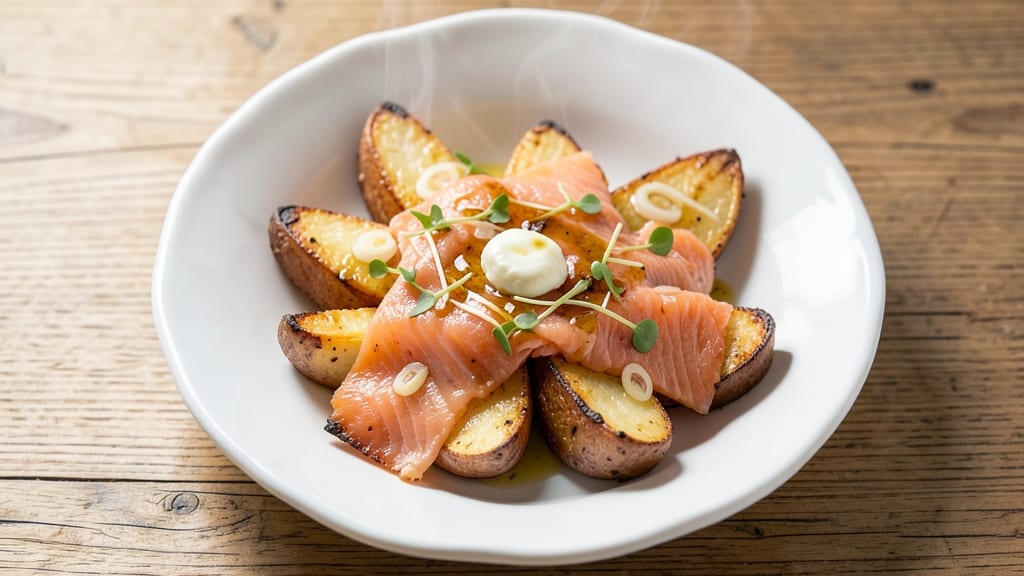
Transforming canned salmon and potatoes into a restaurant-worthy dish is simpler than you think—this vinegar-braised recipe delivers crispy potato crowns over tender pink hearts, all in under 45 minutes.
The secret lies in a tangy vinegar-braised sauce that caramelizes into a glossy glaze while keeping the potatoes fluffy inside, paired with flaked salmon that adds rich, briny depth without overpowering the dish.
What makes this recipe stand out is its balance of textures and flavors: the crispy potato edges contrast beautifully with the fluffy centers, while the vinegar-braised sauce adds a bright, tangy note that cuts through the richness of the salmon.
No fancy techniques are required—just a few simple steps that turn pantry staples into a dish worthy of any dinner table.
The result is a complete, satisfying meal that’s hearty enough to serve as a main course or substantial enough to pair with grilled fish or a fresh salad. The salmon flakes effortlessly into the dish, adding protein and a subtle oceanic flavor that enhances every bite.
This recipe proves that canned salmon can be just as impressive as fresh, with minimal effort and maximum flavor.
For an extra touch, garnish with fresh parsley or a squeeze of lemon to brighten the dish further. The combination of textures and flavors makes this recipe a standout for weeknight dinners or special occasions—without the fuss of complicated preparation.
Ingredients for canned salmon potato
Pantry staples meet restaurant-quality technique in this tangy, textured dish.
| Ingredient | Amount | Notes |
|---|---|---|
| Russet Potatoes 🥔 | 2 lbs | Cut into 1-inch thick rounds |
| Canned Pink Salmon 🐟 | 2 cans | High-quality, drained and flaked |
| White Wine Vinegar 🍷 | ½ cup | For tangy braised sauce |
| Unsalted Butter 🧈 | 4 tbsp | Full-fat for richness |
| Extra-Virgin Olive Oil 🫒 | 2 tbsp | For roasting potatoes |
| Shallots 🧅 | 2 whole | Minced for sauce base |
| Garlic Cloves 🧄 | 3 cloves | Minced for aromatic depth |
| Dijon Mustard 🍯 | 1 tbsp | For subtle tang |
| Fresh Parsley 🌿 | ¼ cup | Chopped for garnish |
| Lemon Juice 🍋 | 1 tbsp | Freshly squeezed |
| Salt 🧂 | 1 ½ tsp | Kosher or sea salt |
| Black Pepper 🌶️ | ½ tsp | Freshly ground |
| Heavy Cream 🥛 | ¼ cup | Optional for sauce richness |
The potatoes are the foundation—Russet potatoes with their high starch content create that perfect crispy crown while staying fluffy inside. Look for firm, unblemished tubers at Whole Foods or your local market. If you can't find Russets, Yukon Golds work well too, though they'll be slightly less crisp. The salmon should be high-quality, preferably wild-caught—Wild Planet or Vital Choice brands are reliable choices. Drain the salmon thoroughly and flake it gently with a fork to avoid breaking it apart completely. For the vinegar, white wine vinegar adds brightness, but apple cider vinegar works beautifully if you prefer a sweeter tang.
No white wine vinegar? Rice vinegar or lemon juice can substitute, though the flavor profile will shift slightly. The shallots and garlic are non-negotiable for depth—fresh is best, but powdered garlic in a pinch won't ruin the dish. The heavy cream is optional, but if you're using it, full-fat makes all the difference. For the butter, don't skimp—European-style butter like Plugrá or Kerrygold adds a luxurious richness. The mustard can be skipped entirely if you're avoiding tang, but it helps balance the acidity of the vinegar. Fresh parsley is ideal, but dried will work at one-third the amount if you're in a bind.
Prep the potatoes first—they need time to crisp up. Store them in a cool, dark place until ready to use, but don't cut them more than an hour ahead. The salmon keeps well in its can until opened, but once drained, it's best used within 3-4 days in the fridge. The braised sauce can be made a day ahead and reheated gently—it actually tastes better the next day as the flavors meld. For a quick weeknight dinner, roast the potatoes and flake the salmon separately, then assemble just before serving. The dish reheats beautifully, so leftovers make great lunches.
Why You'll Love This Recipe
- Foolproof Prep: I swear by this—just toss peeled potatoes into boiling water, then dump them straight onto a sheet pan with the salmon, butter, and vinegar. No chopping, no fuss, and the salmon’s bones even flake apart perfectly when you fork through it.
- Umami Bomb: That canned pink salmon? It’s packed with a salty-sweet punch that turns ordinary potatoes into something special. The vinegar brightens it up, and the olive oil keeps everything silky—like a fancy bistro dish without the pretension.
- Lunchbox Hero: Between us, this is my go-to for meal prep. The potatoes hold up for days, and the salmon stays moist, so I pack it cold or reheat it for a satisfying lunch. Honestly, my kids (and my picky partner) never complain about leftovers.
- Budget Win: Russets and canned salmon are cheap, but they taste like you spent hours. I’ll be real: this feeds four for under $15, and the leftovers? Even better the next day. It’s my secret for stretching groceries without sacrificing flavor.
Step-by-step instructions for vinegar-braised salmon potatoes
Here's how to transform simple ingredients into a restaurant-worthy dish with crispy potato crowns and fluffy salmon hearts.
Roast Potatoes Until Crispy Crowns Form
Preheat your oven to 425°F. Cut the 2 lbs russet potatoes into 1-inch thick rounds, keeping the skin on. Toss them in a large bowl with 2 tbsp extra-virgin olive oil, 1 tsp salt, and ¼ tsp black pepper until evenly coated. Spread the potatoes in a single layer on two rimmed baking sheets.
Roast for 25-30 minutes, flipping halfway through, until the edges are deep golden brown and crispy while the centers remain tender. You'll know they're ready when the potato rounds hold their shape but the edges crackle when pressed. Remove from oven and set aside on a wire rack to cool slightly while you prepare the salmon and sauce.
Flake and Season the Salmon
While the potatoes roast, drain and flake the 2 cans canned pink salmon into a medium bowl. Add 1 tbsp lemon juice, 1 tbsp dijon mustard, ½ tsp salt, and ¼ tsp black pepper. Gently fold everything together until the salmon is evenly coated but still flaked, not mashed. Set aside while you prepare the sauce base.
The salmon should look moist but not watery—this ensures it stays tender when combined with the warm potatoes. If it appears too dry, add 1 teaspoon of cold water to maintain its delicate texture.
Build the Vinegar-Braised Sauce
In a medium saucepan, melt 2 tbsp unsalted butter over medium heat. Add the 2 minced whole shallots and cook for 3-4 minutes until softened and translucent. Add the 3 minced garlic cloves and cook for 30 seconds until fragrant—don't let them brown or they'll become bitter.
Pour in the 0.5 cup white wine vinegar and bring to a simmer. Let it reduce by half (2-3 minutes) until the liquid coats the back of a spoon. This reduction concentrates the tangy flavor that balances the richness of the salmon and potatoes.
Combine and Finish with Cream
Return the saucepan to low heat and stir in the 0.25 cup heavy cream (if using) until warmed through and smooth. Add the seasoned salmon flakes and gently fold everything together. The mixture should be warm but not hot—you want to preserve the salmon's delicate texture rather than cook it further.
Taste and adjust seasoning with additional salt or lemon juice if needed. The sauce should be tangy, slightly sweet from the salmon, and rich from the cream. Stir in 0.25 cup chopped fresh parsley just before serving for freshness and color.
Assemble and Serve Immediately
Arrange the crispy potato crowns on a warmed serving platter. Spoon the warm salmon mixture generously over the potatoes, allowing the creamy sauce to pool between the crispy edges and fluffy centers. Garnish with additional parsley and serve immediately while the potatoes are still warm and the salmon is tender.
Each bite should deliver contrast—crispy potato edges, fluffy centers, and the delicate flakes of salmon bathed in tangy, creamy sauce. The dish serves 4 with generous portions, perfect for a light yet satisfying dinner.
Pro Tips For Making Canned Salmon Potato
- BOIL POTATOES UNTIL FIRM: Russets should still have a tiny bite—like a pencil, not a marshmallow—when they hit the pan. I used to overcook them, and they’d turn into gluey mush by the time the salmon warmed through. Test with a fork at 10 minutes, then finish in the skillet.
- DRAIN, RINSE, REPEAT: That pink salmon juice is salty. Drain the can, then rinse the salmon under cold water to cut the brine. Pat it dry with a paper towel—wet salmon steams instead of searing, and you’ll end up with sad, soggy potatoes.
- CRISP THE POTATOES FIRST: Sear the potatoes in olive oil over medium-high heat until they develop a golden crust—about 5 minutes per side. This isn’t just about looks; it locks in flavor and keeps them from turning to mush when the salmon’s liquid hits them.
- FINISH WITH VINEGAR LAST: Toss the salmon and potatoes with butter, then fold in the white wine vinegar after they’re off the heat. The acid cuts through the richness, but adding it too soon makes the potatoes taste dull. A splash of vinegar at the end brightens everything up.
Troubleshooting this recipe
Potatoes Too Dry
If your roasted potatoes emerge dry and mealy instead of crispy-crowned and fluffy, you likely overcooked them. I’ve found that Russet potatoes need precise timing—25-30 minutes at 425°F is ideal. For extra insurance, try this: Toss your potato slices with 1 teaspoon cornstarch before roasting.
The starch creates a light barrier that locks in moisture while promoting crispiness. Also, avoid overcrowding the baking sheet—single layer only ensures even airflow. 🔥
Salmon Overcooked
Canned salmon flakes can turn rubbery if exposed to excessive heat. The key is to keep everything warm, not hot. When combining the salmon with the braised sauce, maintain the saucepan on low heat—never let it simmer.
If the salmon looks dry, revive it by stirring in 1 tablespoon cold water or a splash of lemon juice just before serving. For extra tenderness, I sometimes fold in 1 teaspoon mayonnaise (like Hellmann’s) into the salmon mixture before assembling. It adds richness and prevents dryness. 💡
Sauce Too Thin
A thin sauce can happen if the vinegar doesn’t reduce enough or if you add too much cream. To fix this, return the sauce to medium heat and let it simmer uncovered for 2-3 minutes to thicken.
For an instant fix, mix 1 teaspoon cornstarch with 1 tablespoon cold water, then stir it into the sauce until it reaches your desired consistency. If the sauce is still too thin, reduce it further by simmering longer—just watch closely to avoid burning. 🌡️
Potatoes Not Crispy
Crispy potato crowns are all about high heat and proper prep. First, ensure your oven is fully preheated to 425°F—a cold oven will steam the potatoes instead of browning them. Second, pat the potato slices dry with a kitchen towel before roasting to remove excess moisture.
Finally, flip the potatoes once during cooking to ensure even browning. If they still lack crispiness, try broiling them for 1-2 minutes at the end for an extra boost of crunch. ✨
Salmon Too Salty
Canned salmon can sometimes be overly salty, especially if you’re using reduced-sodium brands. To balance the flavor, add 1 tablespoon lemon juice or 1 teaspoon honey to the salmon mixture.
If the dish still tastes too salty, serve it with a cooling side like a cucumber salad or arugula with lemon vinaigrette to cut through the saltiness. For future batches, rinse the drained salmon under cold water to remove excess salt before flaking. 🧂
Sauce Too Tangy
If the vinegar-braised sauce overpowers the dish, balance it with a touch of sweetness. Stir in 1 teaspoon honey or 1 teaspoon maple syrup to mellow the acidity. Another trick is to add a pinch of sugar while the sauce reduces to soften the sharpness.
For a richer profile, fold in 1 tablespoon unsalted butter at the end to round out the flavors. The goal is harmony—adjust gradually until the tang complements, rather than dominates, the dish. 💫
Nutrition facts
Frequently asked questions
Can I use canned salmon from any brand?
For the best results, choose high-quality canned salmon like Wild Planet or Vital Choice brands. These typically offer fresher, less processed fish with better flavor. Avoid brands with excessive salt or additives, as they can overpower the dish. If you must use a budget brand, rinse the drained salmon under cold water to reduce saltiness.
How do I make this dish vegetarian?
Swap the canned salmon for 1 cup cooked lentils or 1 block firm tofu (pressed and cubed). For a potato-only version, boost flavor with 1 tbsp nutritional yeast and ½ tsp smoked paprika in the sauce. The vinegar-braised technique works beautifully with either substitute.
Can I prepare this ahead of time?
Roast the potatoes and flake the salmon a day ahead, then refrigerate separately. Reheat the potatoes in a 350°F oven for 10 minutes> to crisp again. Warm the sauce separately on the stovetop, then combine everything just before serving. The flavors actually improve overnight as the vinegar and butter meld.
What if I don't have white wine vinegar?
Use apple cider vinegar for a sweeter tang or lemon juice for brightness. For a milder acidity, try rice vinegar (reduce by ¼ cup> instead). The key is balancing the sauce—adjust with 1 tsp honey if needed to soften any harshness.
Is this dish kid-friendly?
Yes, with minor adjustments! Skip the vinegar or reduce it to ¼ cup>, and replace the heavy cream with ½ cup milk. For picky eaters, serve the salmon mixture on the side so they can mix it with potatoes at their own pace. The natural sweetness of the salmon makes it appealing to children.