
Side Dishes
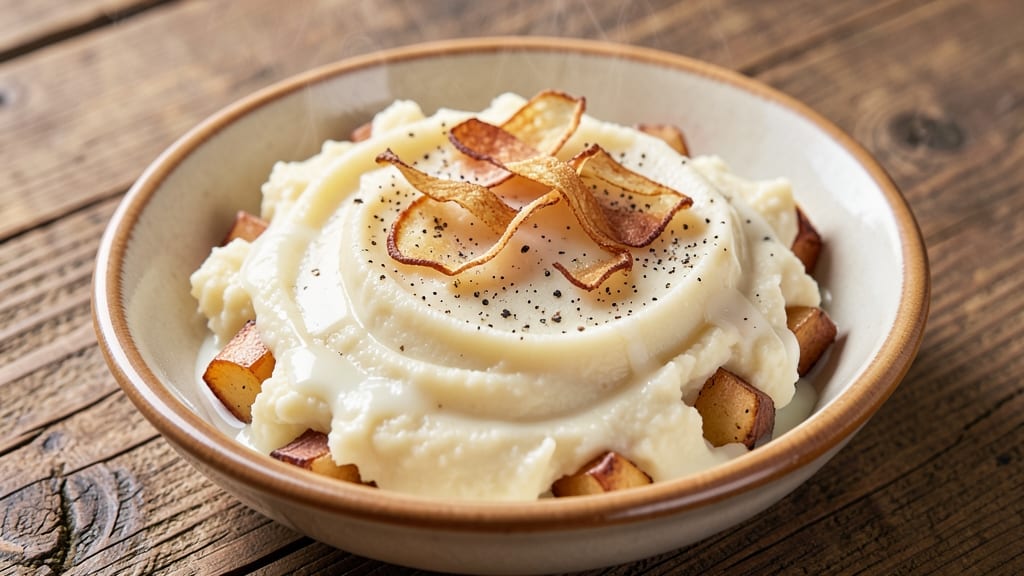
This classic creamy mashed potatoes recipe delivers velvety texture and rich buttery flavor without relying on a blender. The secret lies in precise technique—boiling potatoes until tender, mashing with a potato masher, and incorporating warm dairy and butter gradually.
I've perfected this method over years of holiday dinners, where smooth texture makes all the difference. ⚡
What sets this recipe apart is its foolproof approach to achieving that signature ultra-smooth consistency. Russet potatoes provide the ideal starchy base, while warm milk and butter create a luxurious finish. The key step is working with hot ingredients to prevent lumps, ensuring every bite is perfectly creamy.
This method also allows for customizable richness—simply adjust the butter-to-milk ratio to suit your preference.
By following these steps, you'll achieve mashed potatoes with a velvety mouthfeel that's impossible to resist. The aroma of freshly boiled potatoes and melted butter fills the kitchen, creating an inviting atmosphere.
This recipe serves as the perfect canvas for holiday meals or everyday comfort food, delivering restaurant-quality results at home.
Whether you're serving a large family gathering or simply craving a comforting side dish, these mashed potatoes will elevate any meal. The technique is simple yet precise, ensuring consistent results every time. Let's get started on creating your perfect batch of creamy mashed potatoes.
Ingredients for classic creamy mashed potatoes
Six core ingredients transform into velvety, restaurant-quality mashed potatoes every time.
| Ingredient | Amount | Notes |
|---|---|---|
| Russet Potatoes 🥔 | 3 lb | Medium-sized, peeled and quartered |
| Unsalted Butter 🧈 | ¾ cup | Cold, cut into 16 pieces |
| Whole Milk 🥛 | 1 ½ cups | Warm, not boiling |
| Heavy Cream 🥛 | ½ cup | Optional for extra richness |
| Salt 🧂 | 1 ½ tsp | Kosher or sea salt |
| Freshly Ground Black Pepper 🌶️ | ½ tsp | Adjust to taste |
| Garlic Cloves 🧄 | 2 cloves | Minced, optional for depth |
| Roasted Garlic 🧄 | 1 whole | Optional, for subtle sweetness |
| Chives 🌿 | 2 tbsp | Fresh, chopped for garnish |
| Sour Cream 🥛 | ¼ cup | Optional for tangy finish |
| Roasted Garlic Powder 🌶️ | ½ tsp | Substitute for roasted garlic |
Russet potatoes are non-negotiable for this recipe—their high starch content yields that signature ultra-smooth texture. Buy them fresh (within 2 weeks of harvest) for maximum creaminess, and avoid any with sprouts or soft spots. Whole Foods or local farmers markets often carry the freshest varieties. Peel and quarter them uniformly for even cooking. The butter should be cold and cubed—this prevents immediate melting and helps emulsify the potatoes. For extra flavor, roast a whole garlic clove (wrapped in foil with olive oil) until soft, then squeeze out the pulp.
No heavy cream? Substitute with an extra 0.25 cup of warm milk—the texture stays creamy, just slightly lighter. Fresh chives can be swapped for dried chives at one-third the amount, but fresh adds vibrant color and brightness. The roasted garlic is optional but adds a sweet, caramelized depth that elevates the dish. For a quicker option, use roasted garlic powder (½ teaspoon) mixed with a pinch of salt. If you're serving this at a holiday meal, double the batch—it disappears fast.
Potatoes can be peeled and stored in cold water in the fridge for up to 24 hours before boiling. The finished mashed potatoes reheat beautifully—simply warm in a double boiler or microwave with a splash of milk. For make-ahead convenience, portion into ramekins and freeze. Reheat covered in the oven at 350°F for 15-20 minutes. The dish keeps its creamy texture for 3-4 days in the fridge, though the flavor peaks within the first 2 days.
Why You'll Love This Recipe
- The secret’s in the ratio: equal parts milk and cream, melted butter folded in just until smooth. Not grainy, not lumpy—just that perfect, airy, buttery cloud. My kids still ask where I hide the "fancy" stuff.
- Pantry Staples Only: I swear by this recipe because it uses things I already have—no obscure ingredients. Russets, butter, milk, cream, salt. That’s it. No hunting for specialty items when I’m starving after work.
- Velvet Smooth Magic: The secret’s in the ratio: equal parts milk and cream, melted butter folded in just until smooth. Not grainy, not lumpy—just that perfect, airy, buttery cloud. My kids still ask where I hide the "fancy" stuff.
- Holiday to Weeknight: This feeds a crowd for Thanksgiving or warms up a single serving for a lazy Sunday. Leftovers? Even better cold, sliced into "potato toast" with crispy edges. Honestly, I make it more often than I admit.
Step-by-step instructions for creamy mashed potatoes
Here's the method for velvety, buttery mashed potatoes that require no blender or food processor.
🔥 Step 1: Boil the Potatoes Until Fork-Tender
Place the 3 lb russet potatoes in a large pot and cover with cold water by about 2 inches. Add the 1.5 tsp salt to the water. Bring to a boil over medium-high heat, then reduce to a gentle simmer. Cook for 15-20 minutes until a knife slides in easily with just light resistance.
Here's the thing—don't skip the salt in the water. It seasons the potatoes from the inside out, giving you flavor in every bite. The potatoes are done when they're tender but not falling apart. If they're still firm after 20 minutes, add a splash of water and cook another 5 minutes. Drain immediately and return them to the pot.
🍳 Step 2: Heat the Dairy Mixture Separately
In a separate saucepan, combine the 1.5 cups warm whole milk, 0.5 cup heavy cream, and the 0.75 cup cold unsalted butter cut into pieces. Heat over low heat until the butter melts completely and the mixture is steaming but not boiling. This should take about 3-4 minutes—you're looking for a smooth, creamy liquid that coats the back of a spoon.
This step is crucial for achieving that classic creamy texture. The warm milk and melted butter will blend seamlessly with the potatoes without creating lumps. Keep the heat gentle to prevent scorching the butter. If using the optional roasted garlic, add the 1 whole roasted garlic (squeezed) or 0.5 tsp roasted garlic powder to this mixture now.
👨🍳 Step 3: Mash the Potatoes with a Potato Masher
Using a potato masher (not a fork), mash the drained potatoes directly in the pot until they're completely broken down. You want to avoid overworking them—just until they reach a rough, chunky consistency. This creates surface area for the dairy to cling to.
Don't be tempted to use a fork here. A potato masher gives you better control and prevents creating a gluey texture. You'll still have some texture at this point—that's normal and actually helps create the final smooth result. If you're using the 2 cloves minced garlic, fold it in now along with the 0.5 tsp freshly ground black pepper.
🥘 Step 4: Gradually Incorporate the Dairy Mixture
Begin adding the warm dairy mixture to the mashed potatoes, starting with about ½ cup at a time. After each addition, mash vigorously with the potato masher to fully incorporate. Continue this process until all the dairy is used, then add the 0.25 cup sour cream (if using) and mash again until completely smooth.
The key here is patience. Adding the dairy slowly prevents lumps and ensures even distribution. You're aiming for a texture that's completely smooth but still creamy—not watery. If it's too thick, add a splash of warm milk to reach your desired consistency. The potatoes should be light, fluffy, and completely free of lumps.
🍽️ Step 5: Season and Garnish for Serving
Taste and adjust seasoning with additional salt or pepper if needed. Transfer the mashed potatoes to a serving bowl and gently fold in the 2 tbsp chopped chives. For extra richness, you can press a piece of butter on top and let it melt slightly before serving.
Serve immediately while hot. The texture will firm up as it cools, so enjoy these while they're at their peak creaminess. Each bite should deliver that classic buttery flavor with a velvety smooth texture—no lumps, no glueiness, just pure comfort food perfection. Real talk: this method works every single time, and it's the secret to restaurant-quality mashed potatoes at home.
Pro Tips For Making Classic Creamy Mashed Potatoes
- PEEL AND CUT EVENLY: Russets have thick skins and uneven spots that cook at different rates—strip them first, then slice into 1.5-inch chunks (no smaller, or they’ll turn to mush). I learned this the hard way after serving a batch with one side undercooked and another falling apart.
- BOIL UNTIL TENDER, NOT MUSHY: Test doneness by piercing a chunk with a fork—it should slide in smoothly but resist completely. Overboiling turns starch to glue; drain right at that point and hit with a splash of cold water to stop cooking. (Yes, even if you’re impatient like me.)
- SALT THE WATER WELL: Toss those peeled chunks into heavily salted boiling water (about 1 tbsp salt per gallon)—this seasons the potatoes from the inside out. Skimping here means bland mash, no matter how much you salt later. Trust me, your taste buds will notice.
- MASH HOT, ADD COLD FAT: Work with potatoes still steaming from the pot, then fold in butter, milk, and cream one at a time—start with butter (it’s solid), then warm liquids. Cold dairy makes lumps; hot potatoes absorb everything better. (Your future self will thank you.)
Pro cooking tips for this dish
Potato Selection Matters
Russet potatoes are non-negotiable for this recipe—their high starch content and low moisture yield that signature ultra-smooth texture.
I always look for firm, medium-sized russets with no sprouts or soft spots. Whole Foods Market or local farmers markets carry the freshest varieties, and I recommend buying them within 2 weeks of harvest for maximum creaminess.
Avoid pre-cut or bagged potatoes—they tend to absorb moisture and become watery when cooked. 🥔
Boiling Technique
Start with cold water covering the potatoes by 2 inches—this ensures even cooking. Bring to a boil over medium-high heat, then reduce to a gentle simmer. The key is cooking them until they're fork-tender (a knife should slide in easily with light resistance) but not falling apart.
I time mine for 15-20 minutes after boiling resumes, but if they're still firm, add a splash of water and cook another 5 minutes. Drain immediately and return them to the pot to retain heat. 🌡️
Dairy Temperature Control
Warm the milk and butter mixture to steaming but not boiling—this is crucial for preventing lumps. I heat it in a separate saucepan over low heat for 3-4 minutes until the butter melts completely and the mixture coats the back of a spoon.
This warm dairy blends seamlessly with the potatoes. For extra flavor, I add roasted garlic (either 1 whole clove squeezed or ½ tsp roasted garlic powder) to the dairy mixture before combining. 🧈
Mashing Method
Use a potato masher (not a fork) to break down the potatoes—this gives you better control and prevents a gluey texture. Mash until you reach a rough, chunky consistency, leaving some texture for the dairy to cling to.
I fold in minced garlic and black pepper at this stage for even distribution. The goal is to create surface area for the butter and milk to fully incorporate, so don't overwork the potatoes. 👨🍳
Gradual Dairy Addition
The secret to lump-free mashed potatoes is adding the dairy gradually. Start with ½ cup at a time, mashing vigorously after each addition. This slow incorporation prevents lumps and ensures even distribution.
For extra richness, I finish with ¼ cup sour cream, which adds tanginess and creaminess without altering the texture. If the mixture is too thick, add a splash of warm milk to reach your desired consistency. ✨
Serving Warm
Serve mashed potatoes immediately while hot—they firm up as they cool. I transfer them to a serving bowl and gently fold in 2 tbsp chopped chives for freshness. For an extra touch, I press a piece of butter on top and let it melt slightly before serving.
The texture should be completely smooth, creamy, and free of lumps—just like your favorite restaurant version. Real talk: this method works every time, and it's the key to foolproof mashed potatoes. 💫
Nutrition facts
Frequently asked questions
Why do I need to use russet potatoes for creamy mashed potatoes?
Russet potatoes have the perfect balance of high starch and low moisture, which creates that signature ultra-smooth texture. Their thick skins also hold up better during boiling. Other varieties like Yukon Golds yield creamier results but won't be as fluffy or light.
Can I make these mashed potatoes ahead of time?
Yes! Prepare them up to 2 days ahead and store in an airtight container in the fridge. For serving, reheat in a double boiler or microwave with a splash of warm milk to restore creaminess. The texture will firm up slightly but remains delicious.
What's the best way to fix lumpy mashed potatoes?
If you end up with lumps, don't panic! Simply press the potatoes through a fine-mesh sieve or use a ricer for silky smooth results. For a quick fix, vigorously mash with a potato masher while adding warm milk one tablespoon at a time until smooth.
How can I make these mashed potatoes dairy-free?
Replace the butter with dairy-free margarine and use unsweetened almond milk or coconut milk (warmed) instead of dairy milk. For extra creaminess, add 2 tablespoons of dairy-free cream cheese or cashew cream. The texture will be slightly lighter but still delicious.
Can I use a food processor or blender?
While possible, this recipe intentionally avoids using one to maintain the traditional hand-mashed texture. The gradual addition method creates better emulsification and prevents a gluey consistency. If you prefer ultra-smooth, process in short bursts with warm milk between each.