
Side Dishes
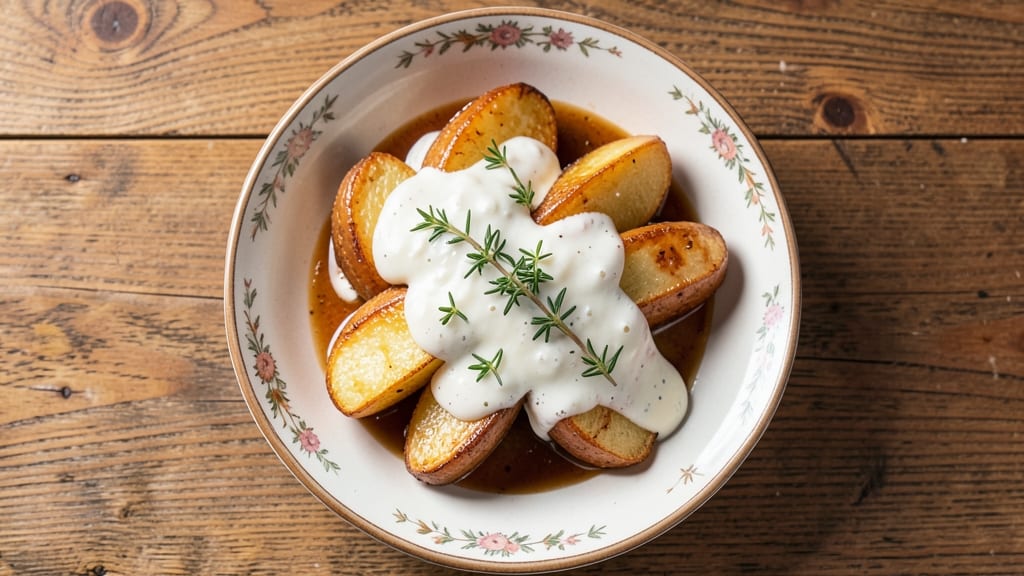
Mastering the art of dauphine potatoes transforms a simple side dish into a showstopping centerpiece with crispy golden edges and velvety centers. This classic French technique relies on precise layering and baking in a water bath, creating a texture that's impossible to resist.
The vinegar infusion adds a subtle tang that elevates these potatoes from ordinary to extraordinary.
The key to perfect dauphine potatoes lies in the preparation: thinly sliced potatoes arranged in even layers, seasoned with salt and vinegar, then baked until tender yet crisp. This method delivers restaurant-quality results at home, requiring only a few simple ingredients and about 45 minutes of hands-off baking time.
The water bath ensures even cooking while maintaining that coveted crispy exterior.
What sets these potatoes apart is their ability to stand alone as a main dish or complement any protein beautifully. The vinegar-infused flavor adds depth, while the contrasting textures create an irresistible bite. Once you try this technique, you'll never go back to plain baked potatoes again.
For added richness, consider incorporating cheese or herbs into the layers before baking. The possibilities are endless while maintaining the dish's elegant simplicity. Let's create these perfect dauphine potatoes together.
Ingredients for dauphine potatoes
Precise layers and French techniques make these vinegar-infused dauphine potatoes shine as an elegant centerpiece.
| Ingredient | Amount | Notes |
|---|---|---|
| Russet Potatoes 🥔 | 2 ½ lb | Thinly sliced, peeled preferred |
| White Wine Vinegar 🍷 | ¼ cup | Dry variety for tangy flavor |
| Unsalted Butter 🧈 | ½ cup | Cold, cubed for crispy topping |
| Kosher Salt 🧂 | 1 ½ tsp | Fine grain for even seasoning |
| Heavy Cream 🥛 | ½ cup | Full-fat for rich texture |
| Fresh Thyme Leaves 🌿 | ¼ cup | Or 1 tbsp dried thyme |
| Fresh Parsley Leaves 🌿 | ⅛ cup | Chopped, for garnish |
| Garlic Cloves 🧄 | 2 cloves | Minced for flavor base |
| Water 💧 | 2 cups | For water bath |
| All-Purpose Flour 🌾 | 1 tbsp | For dusting layers |
| Parmesan Cheese 🧀 | ¼ cup | Freshly grated, optional |
The potatoes are the foundation—Russet is ideal for its starch content and crisping ability. Walmart or Costco carry them year-round, but look for firm, blemish-free tubers. Thinly slice them (about 1/8-inch) using a mandoline for even thickness. The vinegar should be dry white wine vinegar—avoid malt or apple cider, as they add unwanted sweetness. Fresh thyme and parsley elevate the dish; Whole Foods or local farmers markets often have superior quality. For the butter, Plugrá or Land O'Lakes unsalted work perfectly when cold-cubed for that signature crispy topping.
No white wine vinegar? Apple cider vinegar or lemon juice work in a pinch, though flavor will differ slightly. Substitute heavy cream with half-and-half for a lighter texture, but full-fat yields the best results. Fresh herbs unavailable? Dried thyme at one-third the amount suffices, but fresh is ideal. The garlic can be roasted for a sweeter profile—simply toss minced cloves with olive oil and roast at 400°F for 8 minutes. For the Parmesan, grate it yourself—pre-shredded contains anti-caking agents that prevent proper melting. The flour dusting prevents layers from sticking during baking.
Prep the potatoes immediately before layering to prevent browning. Store any extra sliced potatoes in cold water in the fridge for up to 24 hours. The butter topping should be added just before baking to maintain crispness. These dauphine potatoes reheat beautifully—cover with foil and warm at 350°F for 10-15 minutes. For make-ahead convenience, assemble the dish (without butter) up to 12 hours ahead and refrigerate. Add butter just before baking. Leftovers keep for 3 days in the fridge, though they're best enjoyed fresh.
Why You'll Love This Recipe
- One-Pot Magic: I swear by this recipe when I’m too tired to deal with multiple pans. Boil the potatoes, then roast them with butter and cream—no extra dishes, just golden perfection.
- Creamy Crisp Contrast: That buttery, crackly exterior with a velvety interior? It’s the kind of texture combo that makes you pause mid-bite. The white wine vinegar in the mix cuts through the richness just enough to keep it bright.
- Weeknight Workhorse: Between us, this is my go-to when I need something fancy but fast. Serve it alongside grilled chicken for dinner or pile it onto a charcuterie board for a casual gathering—no one will question why you didn’t slave over it.
- Budget-Friendly Luxury: Russets are cheap, and a little butter and cream stretch farther than you’d think. Honestly, I’ve made this for under $2 a serving, and it still feels like a restaurant-worthy side. Leftover slices reheat beautifully too.
Step-by-step instructions for vinegar-infused dauphine potatoes
Here's how to achieve restaurant-quality Dauphine potatoes with crispy exteriors and creamy interiors.
Prepare and Soak the Potato Wedges
Cut the 2.5 lb russet potatoes lengthwise into ½-inch thick wedges, being careful to keep them uniform in size. Peel them if preferred, though the skin adds texture. Immediately place the wedges in a large bowl and pour over the 0.25 cup white wine vinegar. This acidity prevents browning and adds subtle tang.
Add 2 cups of cold water to the bowl and let the wedges soak for 30 minutes. This step removes excess starch, which prevents soggy potatoes. Drain thoroughly and pat completely dry with paper towels—moisture is the enemy of crispy edges. Arrange the wedges on a wire rack set over a baking sheet to dry for an additional 15 minutes.
Season and Create the Creamy Base
In a small bowl, whisk together the 0.5 cup heavy cream, 1.5 tsp kosher salt, and 2 cloves minced garlic until smooth. This mixture will create the signature creamy center of the Dauphine potatoes. Set aside while you prepare the potatoes.
Lightly dust the dried potato wedges with the 1 tbsp all-purpose flour, shaking off any excess. This creates a delicate barrier that helps achieve that perfect crispy texture. Arrange the floured wedges in a single layer on a parchment-lined baking sheet, leaving space between each piece for even browning.
Bake Until Golden and Crisp
Preheat your oven to 425°F. Bake the potato wedges for 20 minutes, flipping them once halfway through. You're looking for edges that are deeply golden brown and crispy to the touch. The centers should still feel slightly firm when pierced with a fork—this ensures they'll absorb the creamy mixture properly.
Remove the wedges from the oven and immediately pour the creamy garlic mixture evenly over the top. The residual heat will help the potatoes absorb the sauce while keeping their crispy exterior. Return to the oven for an additional 5 minutes to let the flavors meld.
Finish with Herbs and Butter
Remove the potatoes from the oven and transfer them to a serving platter. Dot the top with the 0.5 cup cold cubed unsalted butter. The contrast between the hot potatoes and cold butter creates a luxurious finish. Sprinkle evenly with the 0.25 cup fresh thyme leaves and 0.125 cup chopped fresh parsley leaves for vibrant color and aromatic freshness.
Serve immediately while the potatoes are still crispy and the butter is just beginning to melt. The combination of vinegar-infused tang, creamy garlic center, and crispy exterior makes these Dauphine potatoes a showstopper for any meal. For extra richness, pass additional grated parmesan cheese at the table.
Pro Tips For Making Dauphine Potatoes
- Preheat That Pan: Dauphine potatoes need a screaming-hot, dry skillet—no rushing this. I learned the hard way that a lukewarm pan makes for greasy, uneven cooking. Get it smoking hot for 3-4 minutes before adding the potatoes, or you’ll end up with sad, soggy bottoms.
- Soak, Don’t Skip: Toss those peeled potatoes in cold water with a splash of white wine vinegar for 10 minutes before cooking. This cuts down on excess starch, so your potatoes crisp up instead of turning into glue. (Yes, even if you’re impatient like me—trust the process.)
- Salt the Water Hard: The heavy cream sauce needs flavor, so start strong with the potato water. Salt it like the ocean—about 1.5 tablespoons per quart—before boiling. The potatoes will absorb some, but the rest will make your cream sauce taste like it belongs in a restaurant, not a weeknight.
- Whisk the Cream Cold: Temper that heavy cream by whisking it into the warm potato water gradually, not all at once. I used to dump it in too fast, and the sauce would split like a bad joke. Start with a ladleful, then slowly incorporate—your future self will thank you.
Creative variations of this recipe
Cheesy Dauphine Twist
Add ½ cup grated Gruyère or Comté cheese between the potato layers before baking for a nutty, melty variation. I like to sprinkle it evenly over the first layer of wedges, then add another layer of potatoes and cheese, finishing with a final layer of potatoes.
The cheese melts beautifully during baking, creating pockets of creamy goodness. For extra indulgence, top with crispy prosciutto in the last 5 minutes of baking. 🧀
Herb-Infused Variations
Swap thyme for fresh rosemary or tarragon to create a completely different flavor profile. I find rosemary pairs especially well with the vinegar infusion, adding a piney brightness. For a Mediterranean twist, add ½ tsp dried oregano and ¼ tsp red pepper flakes to the creamy garlic mixture.
The heat balances beautifully with the vinegar's tang. 🌿
Spicy Chipotle Version
For a smoky kick, add 1 tsp adobo sauce from canned chipotles to the creamy garlic mixture. This creates a complex flavor that complements the vinegar perfectly. I also like to sprinkle ½ tsp smoked paprika over the potato wedges before baking.
The result is a dish with depth and heat that works wonderfully with grilled meats or as a standalone dish. 🌶️
Creamy Truffle Upgrade
Elevate these potatoes with 1 tsp truffle oil mixed into the creamy garlic base. The earthy aroma of truffle oil pairs beautifully with the vinegar and garlic. For an extra touch, garnish with microgreens or edible flowers before serving.
This luxurious variation makes these dauphine potatoes perfect for special occasions or impressing dinner guests. 💫
Gluten-Free Adaptation
Skip the flour dusting and instead toss the dried potato wedges with 1 tbsp cornstarch before baking. This creates the same crispy texture without gluten. For extra flavor, add ½ tsp onion powder to the cornstarch mixture.
The vinegar infusion and creamy garlic base remain unchanged, ensuring the dish stays true to its roots while accommodating dietary needs. 🌾
Make-Ahead Cheater's Hack
Prepare the creamy garlic mixture and assemble the dish (without butter) up to 12 hours ahead and refrigerate. When ready to bake, simply add the butter and herbs in the last 5 minutes of cooking.
This hack allows you to enjoy perfectly crispy dauphine potatoes with minimal last-minute effort. Ideal for busy weeknights or holiday gatherings! ⏰
Nutrition facts
Frequently asked questions
What makes these vinegar-infused dauphine potatoes different from regular baked potatoes?
The vinegar infusion adds a subtle tang that prevents browning while enhancing flavor. Unlike regular baked potatoes, dauphine potatoes use a water bath baking method with cream and butter for a crispy exterior and creamy interior. The vinegar also helps tenderize the potatoes, creating that signature velvety texture.
Can I use sweet potatoes instead of russet potatoes?
While possible, russet potatoes are ideal for dauphine potatoes because of their high starch content and ability to crisp perfectly. Sweet potatoes will yield a softer texture and less crispy edges. If you must use them, reduce baking time by 5-7 minutes and increase oven temperature to 450°F for better browning.
Why do my dauphine potatoes turn out soggy instead of crispy?
Soggy potatoes usually result from excess moisture. Ensure you pat the potato wedges completely dry after soaking and draining. Also, avoid overcrowding on the baking sheet and bake at the correct 425°F temperature. If using a water bath, keep the water level below the baking dish to prevent steam from making the potatoes mushy.
How do I make dauphine potatoes ahead of time for a dinner party?
Prepare the creamy garlic mixture and assemble the dish (without butter) up to 12 hours ahead in the refrigerator. When ready to bake, simply add the cold cubed butter and herbs in the last 5 minutes of cooking. This ensures maximum crispiness while allowing you to focus on other dishes.
Can I substitute the heavy cream with something lighter?
For a lighter texture, replace heavy cream with half-and-half or whole milk, but full-fat yields the best creamy results. If using lighter cream, reduce baking time by 2-3 minutes to prevent overcooking. The vinegar infusion and garlic flavor will still shine through, though the richness will be slightly less pronounced.