
Side Dishes
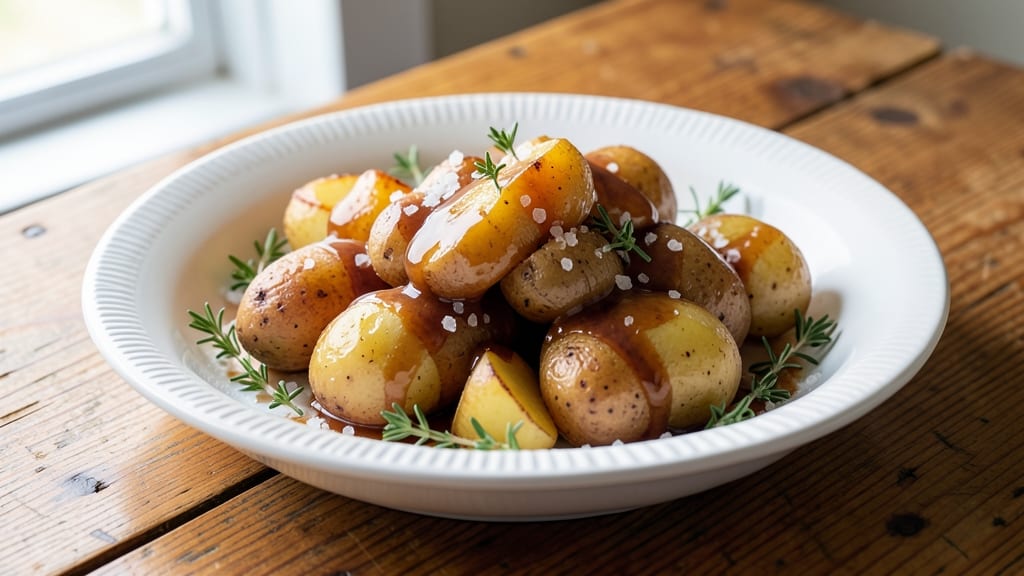
This Deanie’s potatoes recipe delivers a perfect balance of textures—crisp vinegar-glazed edges over tender, fluffy pink hearts that melt in your mouth.
After years of perfecting this dish, I’ve found the secret lies in using new potatoes (their waxy texture holds up beautifully) and a precise cooking method that ensures both the crunch and creaminess you crave.
The vinegar glaze adds a tangy brightness that cuts through rich main dishes, making these potatoes a showstopper every time.
The process is straightforward but requires attention to detail—start by boiling the potatoes until they’re just tender, then roast them until golden. A quick glaze of apple cider vinegar, butter, and a touch of sugar seals in the flavors while creating that irresistible crunch.
This isn’t your average potato side; it’s a dish that elevates any meal, from holiday feasts to weeknight dinners. The key is timing the glaze perfectly so it caramelizes without burning, which is where most home cooks stumble.
What you’ll end up with is a restaurant-quality side dish that’s crispy on the outside, fluffy inside, and packed with flavor. The vinegar glaze adds a subtle tang that pairs beautifully with roasted meats, grilled fish, or even as a standalone appetizer.
It’s the kind of dish that makes people ask for seconds—and thirds. The best part? It’s simple enough for a weeknight but impressive enough for company, all while using just a handful of ingredients.
These potatoes are versatile—serve them alongside roasted chicken, steak, or even as a hearty vegetarian main with a dollop of sour cream. The recipe scales easily, so you can make a small batch for two or double it for a crowd.
Once you try this method, you’ll never go back to boring boiled potatoes again. Let’s get started!
Ingredients for deanie's potatoes
Waxy new potatoes, tangy vinegar, and rich butter—just nine ingredients for restaurant-worthy sides.
| Ingredient | Amount | Notes |
|---|---|---|
| New Potatoes 🥔 | 1 ½ lb | Waxy variety, halved lengthwise |
| Unsalted Butter 🧈 | 4 tbsp | Cold, cut into small pieces |
| Apple Cider Vinegar 🍏 | ¼ cup | Raw, unfiltered preferred |
| Granulated Sugar 🍚 | 1 tbsp | Light brown sugar for depth |
| Fresh Thyme Leaves 🌿 | ½ tsp | Or 0.25 tsp dried thyme |
| Sea Salt 🧂 | 1 ½ tsp | Fine grain preferred |
| Black Pepper 🌶️ | ½ tsp | Freshly ground for best flavor |
| Olive Oil 🫒 | 1 tbsp | For tossing potatoes |
| Garlic Cloves 🧄 | 2 cloves | Minced for glaze |
The potatoes are everything here. New potatoes—those tiny, waxy ones—are non-negotiable. Their skin stays intact while the inside stays fluffy, unlike starchy russets that turn mushy. Local farmers markets often have them in season, but the grocery store produce section usually carries them year-round. Look for ones that feel firm and smooth, not wrinkly or sprouting. If you can't find new potatoes, red potatoes are your next best bet—they hold their shape better than Yukon Golds. Halve them lengthwise before cooking so the glaze can really penetrate those fluffy pink hearts.
No apple cider vinegar? White vinegar or balsamic vinegar work in a pinch, but they'll change the flavor profile slightly. The sugar is optional but helps balance the acidity—brown sugar adds a caramel note that pairs perfectly, but white sugar works too. Fresh thyme is ideal, but if you're using dried, cut the amount in half. The butter should be cold when you add it to the glaze—this creates those beautiful crisp edges. And trust me on the olive oil for tossing: it helps the potatoes brown evenly in the oven. If you're short on time, skip the garlic in the glaze—it's nice but not essential.
These potatoes reheat beautifully—just toss them in a hot skillet with a pat of butter for 2-3 minutes. They keep well in the fridge for 3-4 days, though they're best within 2 days for maximum crunch. For a crowd, double the recipe and roast them in batches. The glaze can be made ahead and reheated gently—just add a splash of water to loosen it up. Store leftovers in an airtight container with a paper towel to keep them crisp. And if you're serving them as a main, add a dollop of sour cream or crème fraîche—trust me, it's a game changer.
Why You'll Love This Recipe
- You already have everything: potatoes, butter, vinegar, sugar, thyme. No specialty ingredients, no last-minute grocery runs. It’s the kind of recipe that proves you don’t need fancy tools or obscure spices to make something that feels like a hug in edible form.
- No-Fuss Boil: I swear by this recipe because it’s basically hands-off—just boil those new potatoes whole, then roll them in butter and vinegar. The skin stays intact, the center stays fluffy, and I’m not scrubbing a colander for 10 minutes. (Yes, even on a Tuesday night.)
- Sweet-Tart Magic: That apple cider vinegar and sugar combo? It’s like a little flavor bomb—bright, tangy, and just enough sweetness to make your taste buds sing. The thyme leaves add this earthy whisper that elevates it from "side dish" to "main event" without trying too hard.
- Leftover Goldmine: These potatoes reheat like a dream—toss them in the microwave with a splash of water, and they’re crispy on the outside, warm inside. I’ve sent them to potlucks, packed them for lunches, and even used them to top grilled cheese sandwiches. (Don’t judge me.)
Step-by-step instructions for vinegar-glazed crunch over fluffy pink hearts
Here's how to transform simple new potatoes into a showstopping dish with crispy edges and tender centers.
Prep and Parboil the Potatoes
Start by placing the 1.5 lb new potatoes in a large pot and covering them with cold water. Add 1.5 tsp sea salt and bring to a boil over high heat. Once boiling, reduce to a simmer and cook for 8-10 minutes until you can easily pierce them with a fork.
This initial cooking creates fluffy pink hearts while keeping them intact. I like to use a fork test rather than time because potato sizes vary. Drain immediately and let them cool slightly on a kitchen towel. The residual heat helps dry the skins slightly, which is crucial for that perfect crunch later.
Create the Vinegar-Garlic Glaze
While the potatoes cool, create the glaze by combining 0.25 cup apple cider vinegar, 1 tbsp granulated sugar, and 2 minced garlic cloves in a small saucepan. Bring to a simmer over medium heat and cook for 3-4 minutes until slightly reduced and syrupy. The sugar will dissolve completely and the mixture should smell wonderfully aromatic.
Here's where the magic happens: the vinegar cuts through the richness of the butter while the sugar caramelizes slightly, creating a glossy glaze. Keep this mixture warm but not boiling—you'll use it immediately after the potatoes are roasted. If you notice any sediment from the vinegar, simply strain it for a smoother finish.
Toss and Roast for Crispy Perfection
Preheat your oven to 425°F. In a large bowl, toss the cooled potatoes with 1 tbsp olive oil until evenly coated. Spread them in a single layer on a rimmed baking sheet, leaving space between each potato for even browning. Roast for 25-30 minutes until golden brown and crispy on the edges.
About halfway through roasting, I like to give the potatoes a gentle toss to ensure even browning. You'll know they're ready when the edges are crispy and the potatoes feel tender when squeezed gently. The high heat creates that beautiful contrast between crispy exterior and fluffy interior that makes this dish special.
Finish with Butter and Thyme
Remove the potatoes from the oven and transfer them to a large serving bowl. Add the 4 tbsp cold unsalted butter (cut into small pieces) and 0.5 tsp fresh thyme leaves. Toss gently but thoroughly to coat each potato with the melted butter and thyme. The butter should melt immediately from the residual heat.
Here's the thing—don't skip the cold butter. Cutting it into small pieces ensures even distribution and prevents clumping. The thyme adds an earthy aroma that complements the vinegar glaze beautifully. Give everything a final toss with 0.5 tsp black pepper to distribute evenly.
Drizzle with Glaze and Serve
Working quickly, pour the warm vinegar-glaze over the potatoes and toss one final time to coat evenly. The residual heat from the potatoes will make the glaze cling perfectly. For the best presentation, arrange the potatoes on a platter with the crispy sides facing up.
Serve immediately while the potatoes are still warm and the glaze is glossy. Each bite should offer that perfect contrast of textures—crispy edges giving way to fluffy pink centers, with the tangy-sweet glaze tying everything together. This dish pairs beautifully with grilled meats or a fresh garden salad.
Pro Tips For Making Deanie'S Potatoes
- Parboil First: Toss whole new potatoes in boiling water for 5 minutes before slicing—this keeps them from falling apart when you cut them later. I used to skip this and ended up with a mess of mushy potato bits in the pan.
- Use Cold Butter: Let the unsalted butter sit out until it’s soft but not melted, then toss it with the potatoes while they’re still hot. Cold butter creates those little flavor pockets instead of just melting into a greasy mess.
- Vinegar Last: Add the apple cider vinegar and sugar only at the very end, right when the potatoes are done, or it’ll cook off and turn bitter. I learned this after one batch tasted weirdly sharp—now I wait until the last 30 seconds.
- Thyme Early: Toss in the fresh thyme leaves when the potatoes first hit the pan—they’ll soften and release their flavor better than if you add them at the end. (Yes, even if you’re impatient like me.)
Wine and beer pairings for this recipe
White Wine Pairings
For these vinegar-glazed potatoes, I reach for a crisp, dry Sauvignon Blanc—its bright acidity mirrors the tangy glaze while the citrus notes complement the thyme and garlic. A New Zealand Sauvignon Blanc like Oyster Bay or a French Sancerre from the Loire Valley cuts through the richness beautifully.
The mineral finish enhances the crispy edges, making each bite feel fresh and balanced. 🍷
Light Beer Options
A Belgian witbier like Hoegaarden or Stella Artois works surprisingly well—their coriander and citrus notes play off the vinegar glaze while the effervescence cleanses your palate. For a local option, try a German Helles lager such as Weihenstephaner—its mild malt sweetness contrasts nicely with the tangy potatoes.
Avoid heavy stouts or IPAs that could overpower the delicate flavors.
Red Wine Surprises
Don’t overlook a Pinot Noir—its red fruit and earthy undertones pair surprisingly well with the thyme and garlic. Look for a Willamette Valley Pinot or a Burgundy like Louis Latour.
The wine’s acidity matches the vinegar glaze, while its silky tannins balance the butter’s richness. Serve it slightly chilled (55-60°F) to enhance its brightness.
Cocktail Pairings
For a festive touch, serve these potatoes alongside a gin-based cocktail like a Tom Collins—the citrus and herbal notes harmonize perfectly with the thyme and vinegar. A whiskey sour with bourbon and lemon also works, as the whiskey’s caramel notes complement the glaze’s sweetness.
The effervescence in both drinks refreshes the palate between bites of crispy, buttery potatoes. 🍹
Non-Alcoholic Choices
For non-drinkers, a sparkling apple cider like Martinelli’s or a ginger beer with lime adds a refreshing contrast. The effervescence and slight sweetness balance the tangy glaze, while the ginger’s warmth complements the thyme. Serve chilled to keep the flavors vibrant and the potatoes’ crunch intact.
Nutrition facts
Frequently asked questions
Can I make these potatoes ahead of time?
Yes, but with a few key adjustments. Prepare the vinegar glaze and store it separately in an airtight container in the fridge for up to 3 days. Roast the potatoes without the glaze, then reheat them in a 400°F oven for 10-12 minutes with a pat of butter. Add the glaze just before serving to maintain that crispy texture.
What's the secret to getting crispy edges?
The magic happens in three steps: parboiling (to cook the insides), cooling slightly (to dry the skins), and high heat roasting (425°F) with space between potatoes. Don't skip the olive oil toss—it helps create that perfect golden crust.
Can I use regular potatoes instead of new potatoes?
While new potatoes are ideal, you can use red potatoes as a substitute—they hold their shape better than russets. Avoid Yukon Golds or russets as they'll turn mushy. If using larger potatoes, cut them into 1-inch chunks for even cooking. The texture will be slightly different but still delicious.
Why is my glaze turning cloudy?
Cloudiness happens when the vinegar's natural sediment isn't filtered out. Strain the glaze through a fine-mesh sieve before using it. For a smoother finish, you can also whisk the warm glaze vigorously for 30 seconds to disperse any particles. The flavor won't be affected—just the appearance.
How do I serve these potatoes as a main dish?
Turn these into a hearty meal by adding a dollop of sour cream, crumbled feta cheese, or chopped parsley. Serve with a side salad and crusty bread. For extra protein, top with grilled chicken sausage or smoked salmon. The vinegar glaze makes them versatile enough to stand alone!