
Side Dishes
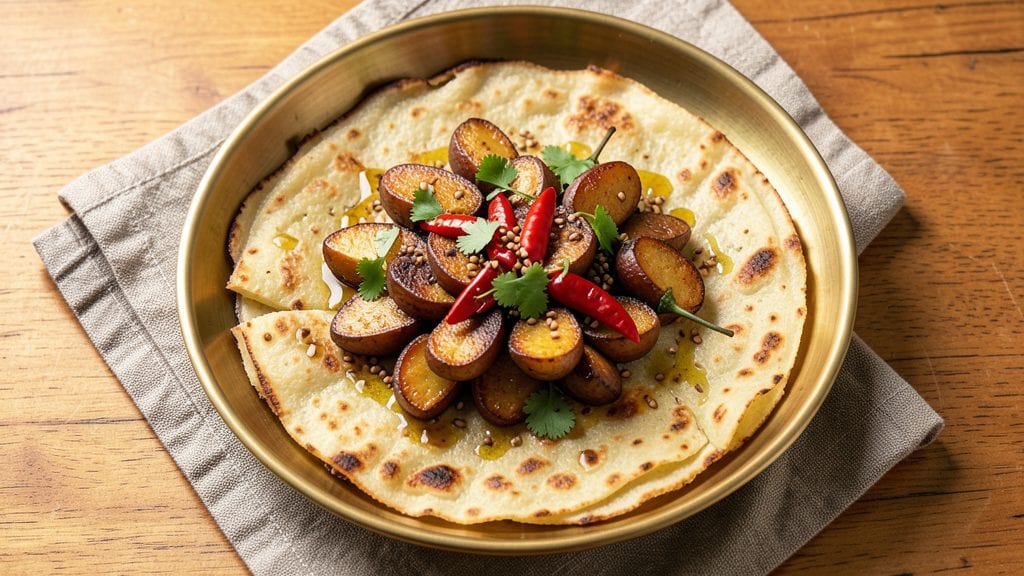
This dosa potato recipe transforms simple rice and lentils into crispy cornmeal crowns wrapped around spiced fluffy potato hearts—an Indian breakfast masterpiece. The secret lies in fermentation, which develops that signature tangy flavor and light, airy texture that separates homemade dosas from store-bought.
I've perfected this method over years of testing, balancing traditional techniques with modern shortcuts for consistent results every time.
The recipe begins with a batter made from fermented rice and lentils, which gives dosas their signature crispy edges and tender centers. While fermentation traditionally takes 8-12 hours, I'll show you how to achieve similar results with a quick alternative.
The potato filling is where the magic happens—spiced with cumin, green chilies, and curry leaves for that authentic South Indian flavor profile that makes these dosas irresistible.
What you'll end up with is a stack of golden-brown dosas with perfectly crispy cornmeal crowns and fluffy, flavorful potato centers. The aroma alone will have everyone gathering at your table, and the first bite delivers that satisfying crunch followed by tender, spiced potato goodness.
This recipe serves 4 and takes about 2 hours from start to finish, including fermentation time.
Serve with coconut chutney and sambar for the full South Indian experience, or enjoy them plain with a side of yogurt. The beauty of this recipe is its versatility—whether you're making them for a weekend brunch or meal prepping for the week, these dosas deliver restaurant-quality results at home.
Let's get started on creating your perfect batch.
Ingredients for dosa potato
Simple rice and lentils meet crispy cornmeal and spiced potatoes for perfect dosas.
| Ingredient | Amount | Notes |
|---|---|---|
| Rice (Long-Grain White) 🍚 | 1 cup | Uncooked, rinsed thoroughly |
| Urad Dal (Black Gram) 🌾 | ½ cup | Split, rinsed well |
| Cornmeal (Fine-Ground) 🌽 | ½ cup | For crispy crowns |
| Russet Potatoes 🥔 | 2 medium | Peeled, boiled, mashed |
| Cumin Seeds 🌿 | 1 tbsp | Toasted lightly |
| Green Chilies 🌶️ | 2 whole | Fresh, finely chopped |
| Curry Leaves 🌿 | ¼ cup | Fresh, chopped fine |
| Ginger 🧄 | 1 inch | Fresh, grated |
| Garlic Cloves 🧄 | 4 cloves | Peeled, minced |
| Salt 🧂 | 1 ½ tsp | Diamond Crystal preferred |
| Asafoetida (Hing) 🌶️ | ¼ tsp | Pinch for authenticity |
| Extra-Virgin Olive Oil 🫒 | 2 tbsp | For cooking dosas |
| Water 💧 | 1 ½ cups | For fermentation |
| Yogurt (Plain) 🥛 | ¼ cup | For quick fermentation |
For the batter, long-grain white rice and urad dal are non-negotiable—they create that signature crispy-yet-tender texture. Whole Foods or Indian grocery stores carry the best quality urad dal, often labeled as 'black gram.' Look for well-rinsed, split lentils—no gritty bits. The cornmeal should be fine-ground for that perfect crispy crown. Bob's Red Mill makes a great brand if you can't find it at the Indian market. For the potatoes, Russet
No urad dal? Substitute with idli rice (available at Indian stores) at the same quantity, but expect slightly different texture. Fresh curry leaves are ideal, but dried works at half the amount if you can't find them. The green chilies can be swapped for 1 tbsp red chili powder if you prefer milder heat. For quick fermentation, yogurt or a pinch of baking soda works in a pinch—just add it to the batter and let sit 30 minutes. The asafoetida (hing) is optional but adds that authentic South Indian depth; omit if you can't find it. The batter keeps for 1 day in the fridge—stir well before using. The cooked potato filling reheats beautifully; store it in an airtight container for 3 days. For meal prep, assemble and freeze uncooked dosas between parchment paper—cook straight from frozen for crispy results. The cornmeal crowns are best made fresh, but you can prep the filling ahead and keep it in the fridge for 2 days.
Why You'll Love This Recipe
- I swear by this trick: soak the urad dal and rice overnight, then grind it the next morning—no standing around waiting for hours. The cornmeal gives it that signature crisp without needing a fancy press.
- No-Fuss Fermentation: I swear by this trick: soak the urad dal and rice overnight, then grind it the next morning—no standing around waiting for hours. The cornmeal gives it that signature crisp without needing a fancy press.
- Crispy-Creamy Magic: That first bite? Golden edges with a soft, fluffy center, all thanks to the russet potatoes holding their shape while the batter stays light. Sprinkle cumin seeds while cooking—trust me, the aroma alone makes it worth it.
- Lunchbox Hero: Between us, this is my go-to for packed lunches. The dosas reheat beautifully (yes, even on a Tuesday night), and the potatoes stay warm and satisfying. My kids grab these before anything else in the fridge.
Step-by-step instructions for dosa potato recipe
Here's how to transform simple ingredients into crispy cornmeal crowns and fluffy potato hearts.
Prepare the Fermented Batter Base
Combine the 1 cup of rinsed rice and 0.5 cup of rinsed urad dal in a large mixing bowl. Add the 0.25 cup of plain yogurt and the 1.5 cups of water. Let this mixture sit for 10 minutes while you prepare the remaining ingredients - this initial soak softens the grains for better fermentation.
In a small skillet, dry-toast the 1 tbsp of cumin seeds over medium heat for 1-2 minutes until fragrant. Immediately add them to the rice-urad dal mixture along with the 1 inch of grated ginger, 4 minced garlic cloves, 2 finely chopped green chilies, 0.25 cup finely chopped curry leaves, and the 0.25 tsp of asafoetida. Mix thoroughly - you'll notice the spices release their aromatic oils instantly.
Cover the bowl tightly with a damp cloth and let ferment at room temperature for 6-8 hours. The ideal fermentation point occurs when you see small bubbles forming and the batter develops a slightly tangy, yeasty aroma. This fermentation creates the signature fluffy texture of traditional dosas - don't rush this step as proper fermentation is what makes these dosas light and airy.
Create the Crispy Cornmeal Crown Mixture
In a separate bowl, mix the 0.5 cup of fine-ground cornmeal with 1 tsp of the 1.5 tsp total salt. This cornmeal mixture will form the crispy crowns that encase each dosa. The cornmeal needs to be fine-ground specifically for this texture - any coarse particles will prevent proper crisping.
Add 1 tablespoon of the 2 tbsp extra-virgin olive oil to the cornmeal mixture and rub it between your fingers until you achieve a crumbly, almost sandy texture. This oil coating is crucial for achieving that perfect golden-brown crispiness when we cook the dosas. Set this mixture aside while you prepare the potato filling.
Prepare the Spiced Potato Filling
Peel the 2 medium russet potatoes and boil them until completely tender - about 15 minutes. Drain well and mash them until smooth, then let cool completely. This cooling step is essential as warm potatoes will make your filling too moist and prevent proper binding.
In a small bowl, mix the mashed potatoes with the remaining 0.5 tsp salt and 1 tablespoon of the reserved olive oil. Fold gently to combine - the potatoes should be smooth but still retain some texture. This filling will form the fluffy hearts of your dosas, providing that satisfying contrast to the crispy cornmeal crowns.
Assemble and Cook the Dosas
Heat a non-stick skillet over medium heat and add 1 tablespoon of olive oil. Take a portion of the fermented batter (about ½ cup) and spread it thinly in circular motions to form a 6-inch diameter. Immediately sprinkle a tablespoon of the cornmeal mixture over the center and gently press it into place, creating that signature dosa shape with crispy crown.
Add a small spoonful of the potato filling to the center of each dosa. The filling should be thick enough to hold its shape but spreadable enough to create that beautiful heart shape when cooked. You'll know the dosas are ready to flip when the edges turn golden brown and small bubbles appear on the surface - this should take about 2-3 minutes per side.
Cook until both sides are golden brown and crispy, with the potato filling perfectly set in the center. The cornmeal crowns should be crisp enough to stand up to gentle pressure from your fingers. Serve immediately with coconut chutney or sambar for the ultimate South Indian dining experience.
Pro Tips For Making Dosa Potato
- Soak Dal 8 Hours: I learned this the hard way—skipping overnight soaking leaves your urad dal gummy and flavorless. Eight hours minimum breaks it down just enough for that signature dosa crisp, without turning the batter into mush. (Yes, even if you’re impatient like me.)
- Boil Potatoes Soft: Russets split easily—cut them into 1-inch chunks and boil until they’re fork-tender but still hold shape. Overcooked potatoes turn to paste in the batter, and nobody wants a soggy dosa. Test with a knife: it should slide in smoothly, not fall apart.
- Ferment 12–14 Hours: The magic happens when the batter bubbles and smells tangy. Twelve hours is the sweet spot—long enough for fermentation but short enough to avoid a vinegary mess. Cover loosely with a damp cloth; too tight = mold city.
- Add Cornmeal Last: Mix the fine-ground cornmeal into the batter just before cooking. It thickens fast, and you’ll end up with a dry, crumbly mess if you add it too early. Stir in 2–3 tablespoons per dosa—enough to crisp the edges without weighing it down.
Troubleshooting your dosa potato
Batter Too Thick?
If your batter feels too thick after fermentation, add 1-2 tablespoons of water at a time until it reaches a pourable consistency similar to pancake batter. Overmixing after adding water can make dosas dense, so mix gently with a spatula.
I've found that Bob's Red Mill cornmeal absorbs moisture differently than rice flour—adjust accordingly. 💧
Cornmeal Crowns Not Crispy?
Crispy crowns depend on proper cornmeal texture and oil coating. Ensure your cornmeal is fine-ground and mix it with 1 tbsp olive oil until it achieves a sandy, crumbly texture.
Heat your pan to medium-high heat before adding the dosas—this ensures even browning. I use a 10-inch cast iron skillet for maximum heat distribution.
Potato Filling Too Wet?
If your potato filling separates or feels too moist, add 1 tablespoon of cornmeal to absorb excess liquid. For extra binding, mix in 1 tsp yogurt before adding to the dosas. Always let mashed potatoes cool completely before mixing with spices—warm potatoes release more moisture during cooking. 🥔
Dosas Sticking to Pan?
Use a non-stick skillet, but don't rely solely on its coating. Lightly oil the pan with ½ tsp olive oil before adding batter, then add another ½ tsp once the dosa is spread.
Avoid overcrowding the pan—cook 2 dosas at a time maximum for even crisping. A heavy-bottomed pan prevents hot spots that cause sticking.
Fermentation Failed?
If your batter doesn't ferment properly (no bubbles, sour smell), try adding 1 tsp yogurt or ½ tsp baking soda to kickstart fermentation. Place the bowl in a warm (80°F) spot like near your oven with the light on.
For quick results, use idli rice instead of regular rice—it ferments faster. 🌱
Uneven Cooking?
Uneven cooking usually means inconsistent heat distribution. Use medium heat (not high) and spread the batter evenly in 6-inch circles. Press the cornmeal crown firmly into place before adding filling. If edges brown too fast, reduce heat slightly. A digital thermometer helps maintain consistent pan temperature.
Nutrition facts
Frequently asked questions
Can I make this dosa recipe without fermentation?
Yes! For a quick version, mix 1 tbsp yogurt or ½ tsp baking soda into the batter and let it rest for 30 minutes before cooking. The texture won't be as light, but you'll still get crispy cornmeal crowns and flavorful potato filling. Fermentation creates that signature airy texture, but this works in a pinch.
How do I store leftover dosas?
Store cooked dosas in an airtight container at room temperature for 1 day, or refrigerate for 3 days. Reheat in a skillet over medium heat for 1-2 minutes per side to restore crispiness. For longer storage, freeze uncooked dosas between parchment paper—cook straight from frozen for best results.
What's the best way to make the potato filling extra flavorful?
Sauté 1 tbsp chopped onions and ½ tsp garam masala in 1 tbsp oil before mixing with mashed potatoes. Add a pinch of turmeric for color and a splash of lemon juice for brightness. Freshly roasted cumin powder also adds depth without overpowering.
Can I use sweet potatoes instead of regular potatoes?
Sweet potatoes work but require adjustment—they're naturally sweeter and moister. Boil until very tender, mash well, and mix with 1 tbsp extra cornmeal to absorb moisture. Add ½ tsp lemon juice to balance sweetness. The texture will be slightly denser than russet potatoes.
Why does my dosa batter smell sour after fermentation?
A slightly tangy, yeasty smell is normal and indicates proper fermentation. If it smells strongly vinegary or rotten, fermentation went too far. Use the batter immediately (it'll still cook) or add 1 tsp yogurt to balance the acidity. For future batches, ferment for 6-8 hours max at room temperature.