Soups & Stews
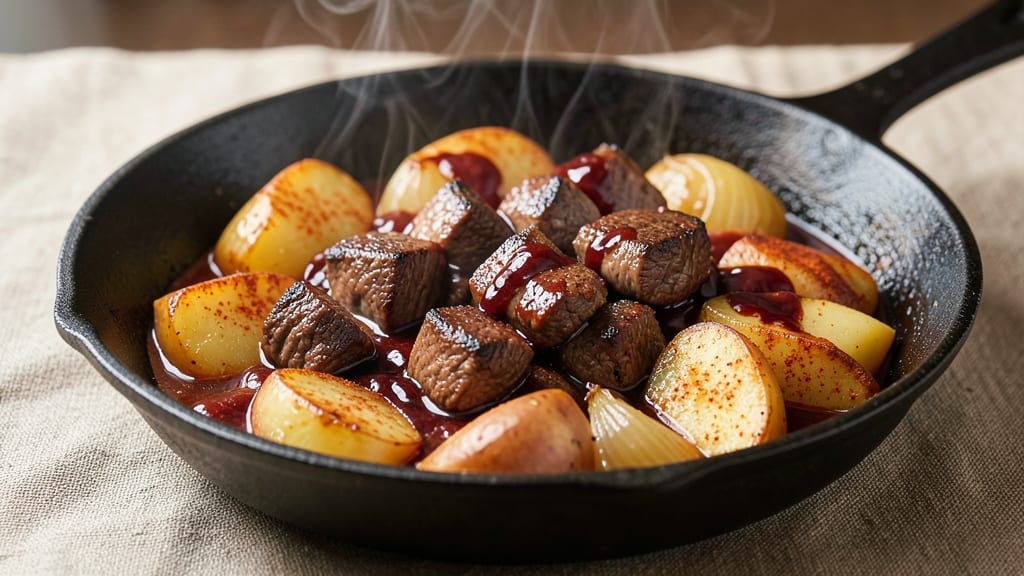
This Lidia’s Kitchen beef and potato goulash recipe turns humble ingredients into a hearty, comforting dish that lingers like a well-told story. The secret lies in slow-browning the beef and layering flavors with sweet paprika and tomatoes, creating a sauce that clings to every bite.
I've perfected this recipe over years of testing, balancing traditional techniques with modern convenience—no shortcuts that sacrifice depth.
What makes this goulash special is its harmony of textures: tender beef that falls apart, creamy potatoes that soak up the sauce, and a crust of caramelized onions that adds complexity.
The recipe builds flavor gradually through simmering, ensuring every spoonful delivers that paprika-kissed depth Lidia Bastianich is known for. It's the kind of dish that tastes even better the next day, making it perfect for meal prep or weekend entertaining.
By the time you're done, you'll have a pot of hearty goulash with deep red sauce, tender beef chunks, and perfectly cooked potatoes—all infused with the warm, aromatic spices that define this classic.
The aroma alone will have everyone gathering at the table, and the first bite confirms why this recipe has stood the test of time. Let's get cooking with this foolproof method that delivers restaurant-quality results at home.
This recipe works equally well as a weeknight dinner or a centerpiece for a family gathering. The slow cooking process means you can prepare it ahead, allowing flavors to meld even more deeply.
Whether you're serving it with crusty bread to soak up the sauce or alongside a simple green salad, this goulash delivers satisfying comfort with every bite. Here's how to make it just like Lidia's Kitchen.
Ingredients for lidia's kitchen beef and potato goulash
The heart of this goulash lies in its rich, paprika-infused sauce and tender beef chunks.
| Ingredient | Amount | Notes |
|---|---|---|
| Beef Chuck Roast 🥩 | 2 lb | Cut into 1-inch cubes, trimmed of fat |
| Yellow Onions 🧅 | 2 whole | Medium size, thinly sliced |
| Russet Potatoes 🥔 | 2 lb | Cut into 1-inch chunks, peeled |
| Sweet Paprika 🌶️ | 2 tbsp | Hungarian variety preferred |
| Tomato Paste 🍅 | ½ cup | High-quality, no sugar added |
| Red Wine 🍷 | 1 cup | Bold dry variety like Cabernet |
| Beef Broth 💧 | 3 cups | Low-sodium preferred |
| Garlic Cloves 🧄 | 4 cloves | Minced, fresh preferred |
| Bay Leaves 🍃 | 2 whole | Fresh, dried works too |
| Extra-Virgin Olive Oil 🫒 | 2 tbsp | For searing beef |
| All-Purpose Flour 🌾 | 2 tbsp | For dredging beef |
| Salt 🧂 | 1 ½ tsp | Kosher or sea salt |
| Ground Black Pepper 🌶️ | ½ tsp | Freshly ground preferred |
| Fresh Thyme 🌿 | 1 tbsp | Leaves only, chopped |
The beef chuck roast is non-negotiable for authentic texture—it breaks down beautifully during slow cooking. Look for well-marbled cuts at your local butcher or Costco, where you can often find it pre-cubed for convenience. If buying whole, trim excess fat and cut into uniform 1-inch pieces for even cooking. Penzeys or Whole Foods carry high-quality Hungarian paprika, which delivers that signature sweet, earthy depth. The onions should be yellow, not red—they caramelize better and add natural sweetness without overpowering. For the potatoes, Russets hold their shape while absorbing flavor, but Yukon Golds work beautifully too if you prefer creamier texture.
No red wine? Substitute with extra beef broth—just add a splash of balsamic vinegar for depth. The tomato paste can be swapped for crushed tomatoes (use 1 cup instead), though it lacks the concentrated richness. Fresh thyme is ideal, but dried works at one-third the amount. If you're short on time, Trader Joe's sells pre-minced garlic in tubes that save prep work. For the flour, King Arthur all-purpose is my go-to—it creates a light dredge that crisps nicely. The olive oil should be extra-virgin; California brands like Corto offer fruity notes that complement the paprika beautifully. If you can't find Hungarian paprika, smoked paprika at half the amount adds a different but delicious complexity.
This goulash tastes even better reheated, so plan ahead. Store in an airtight container in the fridge for up to 5 days, or freeze portions for 3 months. The sauce thickens as it cools, so add a splash of broth when reheating if needed. For meal prep, double the recipe and freeze half—it's perfect for busy weeknights. The potatoes will firm up slightly when reheated; a quick microwave with a splash of broth restores their creaminess. Serve with crusty bread to soak up that paprika-kissed sauce—it's the real star of this dish.
Why You'll Love This Recipe
- One-Pot Magic: I swear by this—just brown the beef, toss in onions and potatoes, then let the paprika and tomato paste work their slow-cooked wonder. No extra dishes, no fuss, and that deep, smoky aroma fills the whole house before the timer even goes off.
- Paprika Powerhouse: That first spoonful of sweet paprika? It’s the secret weapon. The beef gets tender, the potatoes soak up all that rich, slightly sweet-spiced sauce, and somehow, the humble chuck roast becomes ridiculously flavorful—no fancy marinades or hours of marinating required.
- Leftovers That Don’t Suck: Between us, most goulash recipes turn into sad, watery leftovers. Not this one. The potatoes stay firm, the beef stays juicy, and reheating it? Just a splash of water, 10 minutes in the microwave, and it’s like you’re eating it fresh. (Yes, even on a Tuesday night.)
- Budget Feast for All: A chuck roast stretches farther than you’d think, and russet potatoes are the most affordable starch out there. Feed four for under $15, or double the batch for meal prep—it’s my go-to when I need to stretch groceries without sacrificing taste. Honestly, it’s the kind of dish that makes you feel like you’re cooking for royalty, even when you’re just feeding the kids.
Step-by-step instructions for lidia's kitchen beef and potato goulash
Here's how to create a rich, paprika-infused goulash with tender beef and hearty potatoes.
Sear the Beef for Deep Flavor
Pat the 2 lb beef chuck roast dry with paper towels and cut it into 1-inch cubes, trimming any excess fat. Heat the 2 tbsp extra-virgin olive oil in a large Dutch oven over medium-high heat until shimmering. Working in batches to avoid crowding, add the beef cubes and sear for 3-4 minutes per side until they develop a deep brown crust. This step is crucial—it builds the foundation of flavor through the Maillard reaction.
Once all the beef is browned, transfer it to a plate and set aside. You'll notice the beef releases its rendered fat into the pot—don't drain this, as it contains concentrated flavor. This searing process should yield about 2 tbsp of beef fat combined with the olive oil, creating the perfect base for your goulash.
Build the Paprika Base
Reduce the heat to medium and add the 2 tbsp sweet paprika, stirring constantly for 30 seconds until it becomes fragrant and the oil turns a rich reddish hue. This is where the signature flavor of goulash develops. Immediately add the 2 tbsp all-purpose flour and stir vigorously for another 30 seconds to create a roux that will thicken your sauce.
Next, add the 2 whole yellow onions (thinly sliced) and cook for 5-6 minutes until they soften and begin to caramelize at the edges. Stir in the 4 minced garlic cloves and cook for an additional 30 seconds until fragrant. The onions should be tender but still retain some texture—this prevents the dish from becoming mushy later.
Develop the Sauce
Pour in the 1 cup red wine and scrape up any browned bits from the bottom of the pot with a wooden spoon. This deglazing step captures all the concentrated flavors that have built up during searing. Let the wine simmer for 3-4 minutes until it reduces by half and the alcohol smell dissipates.
Add the 0.5 cup tomato paste and stir to combine. Pour in the 3 cups beef broth and bring the mixture to a gentle simmer. Add the 2 whole bay leaves, 1.5 tsp salt, 0.5 tsp ground black pepper, and 1 tbsp chopped fresh thyme. Return the seared beef to the pot and stir gently to coat the meat in the developing sauce.
Simmer the Beef Until Tender
Cover the Dutch oven and reduce the heat to low. Let the goulash simmer gently for 1 hour and 15 minutes, stirring occasionally. This slow cooking time is essential—it allows the tough beef to break down into tender, fork-tender pieces. You'll know it's ready when a meat thermometer inserted into the thickest piece reads 195°F and the meat pulls apart easily.
During the last 15 minutes of cooking, add the 2 lb russet potatoes (cut into 1-inch chunks and peeled). The potatoes will absorb the rich flavors of the beef and sauce while becoming tender. If the sauce becomes too thick before the potatoes are fully cooked, add 2-3 tablespoons of water to loosen it to your desired consistency.
Finish and Serve
Once the beef is perfectly tender and the potatoes are cooked through (they should be fork-tender with no resistance), remove the bay leaves. Taste the goulash and adjust the seasoning if needed—you might need a touch more salt or pepper to balance the flavors. The sauce should coat the back of a spoon but still be light enough to allow the beef and potatoes to shine.
Serve the goulash immediately, family-style, in a large bowl or directly from the Dutch oven. The combination of tender beef, hearty potatoes, and rich paprika-infused sauce creates a comforting, satisfying meal that's perfect for chilly evenings. Pair it with crusty bread to soak up every last bit of that flavorful sauce.
Pro Tips For Making Lidia'S Kitchen Beef And Potato Goulash
- Sear the Chuck Roast Hard: Don’t just brown it—get that meat screaming hot in a dry pan for 4-5 minutes per side until deep crust forms. I used to rush this, and the goulash never had the same depth of flavor. The crust locks in juices and carries the paprika’s smoky punch through the whole dish.
- Cut Potatoes Uniformly: Aim for 1-inch chunks, not random lumps—this ensures even cooking without mush. My first few batches had some potatoes falling apart while others stayed hard. A sharp knife and steady hand make all the difference.
- Bloom the Paprika First: Toast the sweet paprika in the pot with the oil for 30 seconds before adding onions—it wakes up the flavor. Skipping this step means your goulash will taste like it’s missing something. (Yes, even if the recipe doesn’t say it.)
- Deglaze Aggressively: After searing the meat, scrape up every last bit of browned bits with the wine—this is where the flavor lives. I used to wipe the pan first, thinking it was cleaner, but now I leave it all in. The sauce will be richer, and you’ll taste the difference.
Troubleshooting perfect results
Beef Not Browning
If your beef isn't developing that golden crust, your pan might not be hot enough or you're overcrowding it. Heat your Dutch oven over medium-high heat until a drop of water sizzles instantly. Work in batches with 1-inch beef cubes—never more than half the pan's capacity.
Pat them completely dry with paper towels before searing, as moisture steams instead of browning. I've found using a meat thermometer helps too—beef should reach 160°F internally during searing. 🔥
Sauce Too Thin
A watery sauce usually means you added too much liquid or didn't reduce properly. After adding wine, let it simmer uncovered for 5-7 minutes until reduced by half before adding broth.
For extra thickness, mix 1 tbsp cornstarch with 1 tbsp cold water, stir into the simmering goulash, and cook for 2-3 minutes until thickened. I also recommend skimming excess fat from the surface during simmering—it prevents the sauce from thinning out later.
Potatoes Mushy
Overcooked potatoes ruin the texture balance. Add them only in the last 15 minutes of cooking and use 1-inch chunks—smaller pieces cook faster. If your potatoes are still firm after this time, increase heat slightly to medium-low and cook uncovered for 5-10 more minutes.
For extra insurance, parboil them for 3 minutes before adding to the goulash. Russets hold up best, but Yukon Golds need careful timing.
Paprika Flavor Weak
Store-bought paprika often lacks depth. Use Hungarian sweet paprika (like Penzeys brand) and toast it first: dry-toast in a 350°F oven for 5 minutes before adding to the oil. For extra punch, add ½ tsp smoked paprika along with the sweet variety.
I've also found that simmering the paprika in the oil for 1 full minute (not just 30 seconds) develops its flavor more completely. 🌶️
Beef Still Tough
Undercooked beef is usually from insufficient simmering time. Aim for 1 hour 15 minutes minimum at low heat (180-200°F). Check doneness with a meat thermometer—it should read 195°F and pull apart easily.
If your beef is still tough, return it to the pot with ½ cup extra broth, cover, and simmer 30 more minutes. The slow cooker method works well here too—cook on low for 8 hours for guaranteed tenderness.
Burnt Onions
Onions burn quickly when unattended. Reduce heat to medium-low once they begin softening and stir frequently. For even cooking, slice onions paper-thin (about ⅛-inch) and spread them in an even layer.
I like to add a splash of 1 tbsp water when onions start caramelizing—this steams them gently while preventing burning. Remove any dark browned bits before adding garlic to keep flavors clean.
Nutrition facts
Frequently asked questions
Can I substitute red wine in this beef and potato stew?
If you don't have red wine, use 1 cup beef broth plus 1 tbsp balsamic vinegar for depth. For a non-alcoholic version, try 1 cup apple cider or grape juice—both add sweetness that complements the paprika beautifully. The key is balancing acidity to brighten the rich flavors.
How do I make this goulash ahead of time?
This dish tastes even better the next day! Store in an airtight container in the fridge for up to 5 days. The sauce will thicken slightly—just add 2 tbsp broth when reheating. For freezing, portion into ziplock bags and freeze for 3 months. Thaw overnight in the fridge before reheating gently on the stove.
What's the best way to serve this hearty stew?
Serve family-style straight from the Dutch oven with crusty bread for dipping. For a complete meal, pair with:
- Steamed green beans or asparagus
- A simple arugula salad with lemon vinaigrette
- Warm dinner rolls with garlic butter
Can I use ground beef instead of chuck roast?
Ground beef works but won't have the same tender texture. If using, brown 1.5 lbs ground chuck thoroughly first. For best results, stick with chuck roast—it breaks down beautifully during slow cooking. If you're short on time, try flank steak cut into strips (cook for 1 hour instead of 1.5 hours).
Why does Lidia's version use paprika as the key spice?
Paprika is the soul of goulash—it brings sweet, earthy warmth that balances the richness. Hungarian sweet paprika contains natural sugars that caramelize during cooking, creating that signature deep red color and complex flavor. The traditional blend of spices (like bay leaves and thyme) complements it perfectly, creating a harmonious taste that's both comforting and vibrant.