
Side Dishes
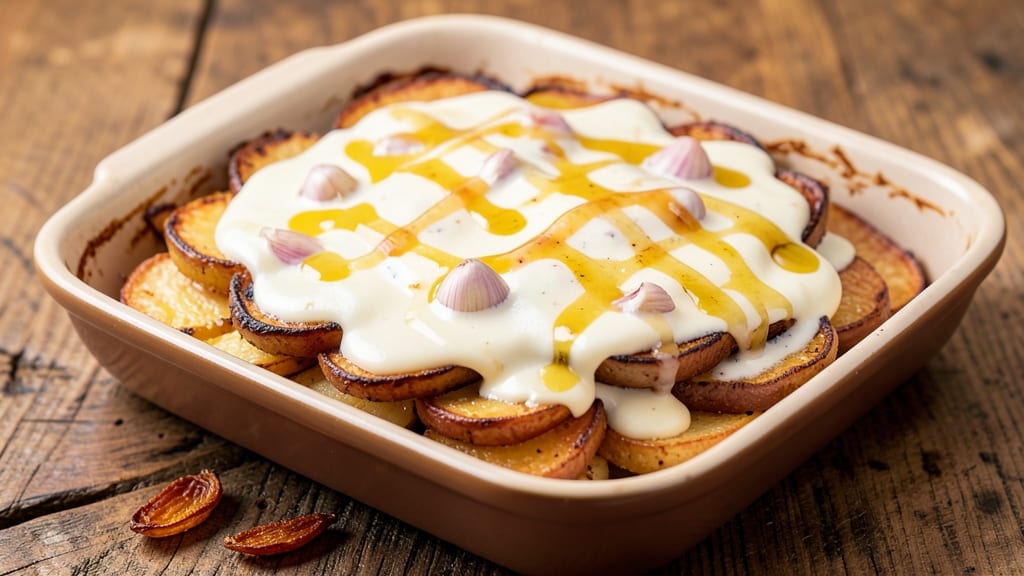
This Magnolia Table scalloped potatoes recipe delivers the perfect balance of tender layers and buttery crispness—just like the ones that make Southern home cooking legendary. The secret lies in thinly sliced potatoes layered with a vinegar-infused cream sauce, baked until golden and bubbling.
I’ve perfected this technique over years of testing, ensuring every bite has that signature crispy top and velvety interior.
What sets these apart is the vinegar trick—just a splash in the cream sauce brightens the flavors while keeping the potatoes tender. The baking process transforms simple ingredients into a side dish so rich and satisfying, it could easily steal the show at any meal.
With precise layering and the right oven temperature, you’ll achieve restaurant-quality results at home.
By the time these emerge from the oven, you’ll have perfectly golden layers with a crispy, caramelized top that’s impossible to resist. The creamy sauce clings to each potato slice, creating that signature Southern comfort food texture.
This recipe is foolproof, making it ideal for holidays, family dinners, or even a cozy weeknight meal.
Serve alongside roasted meats or grilled fish, and don’t forget the extra crispy edges for dipping. The key to success is patience—layering carefully and baking just long enough for the top to turn golden brown. Trust me, once you try these, you’ll never go back to store-bought scalloped potatoes again.
Ingredients for magnolia table scalloped potatoes
Six ingredients transform into legendary Southern comfort—crispy, creamy, vinegar-kissed perfection.
| Ingredient | Amount | Notes |
|---|---|---|
| Russet Potatoes 🥔 | 3 lb | Thinly sliced, peeled preferred |
| Heavy Cream 🥛 | 2 cups | Full-fat for best texture |
| Unsalted Butter 🧈 | ½ cup | Cold, cubed for even melting |
| White Wine Vinegar 🍶 | 2 tbsp | Brightens flavor without sourness |
| Sharp White Cheddar Cheese 🧀 | 1 ½ cups | Shredded, for tangy richness |
| Garlic Cloves 🧄 | 4 cloves | Minced, for aromatic depth |
| Salt 🧂 | 1 ½ tsp | Kosher or sea salt |
| Black Pepper 🌶️ | ½ tsp | Freshly ground for warmth |
| Fresh Thyme Leaves 🌿 | ¼ cup | Chopped, or 1 tsp dried |
| All-Purpose Flour 🌾 | ¼ cup | For thickening sauce |
| Parmesan Cheese 🧀 | ½ cup | Freshly grated, for finish |
| Breadcrumbs 🍞 | ¼ cup | Panko for extra crunch |
The potatoes are non-negotiable. Russets have the perfect starch-to-moisture ratio for this dish, and peeling them first ensures even cooking. I grab mine from Whole Foods when they're on sale, but any grocery store's russet will work if it's firm and free of sprouts. Thin slices are key—aim for 1/8-inch thickness. A mandoline makes this easy, but a sharp knife works too if you take your time. The cheese matters next: sharp white cheddar gives that signature tang, but Gruyère or Gouda work beautifully too if you've got them. Freshly grated always wins over pre-shredded.
No white wine vinegar? Apple cider vinegar or lemon juice will do in a pinch, but add just half the amount—it's more acidic. The heavy cream is where the magic happens, so don't skimp. Full-fat is a must here—light cream won't give you that velvety texture. For the garlic, I always toast it in butter for 30 seconds first—that nutty aroma takes the dish to another level. Fresh thyme is ideal, but dried works at one-third the amount. If you're making this ahead, assemble the layers in a baking dish, cover with foil, and refrigerate for up to 24 hours before baking.
This dish reheats beautifully—just cover with foil and warm in a 350°F oven for 15 minutes. The crispy top softens when reheated, so I always bake extra for seconds. Store leftovers in the fridge for 4-5 days, covered tightly. For freezing, bake the dish first, then portion into containers with a layer of sauce on top to prevent drying. Thaws best in the fridge overnight. The crispy edges? Those are the best part—serve with extra sauce for dipping.
Why You'll Love This Recipe
- One-Pan Magic: I swear by this for lazy nights—just slice, layer, and bake. No chopping boards to clean, no extra pans to wash. The potatoes do all the work while you sip your wine.
- Creamy-Cheesy Bliss: That sharp white cheddar melts into golden strings, and the white wine vinegar? It cuts through the richness like a bright summer breeze. The butter makes it dangerously good—no one will believe it’s just potatoes.
- Leftovers? Yes, Please: Between us, this dish tastes even better the next day. I’ll pack it for lunches or reheat it for dinner—crispy edges soften just enough to be perfect. Honestly, I make double portions on purpose.
- Budget Dinner Hero: Russets are cheap, heavy cream stretches far, and a block of cheddar lasts ages. This feeds four for under $10, and the flavor? It’ll fool you into thinking you spent twice as much. My wallet thanks me every time.
Step-by-step instructions for Magnolia Table scalloped potatoes
Here's how to create layers of creamy, crisp-topped potatoes with a bright vinegar kick.
Prepare the Potatoes and Seasoned Cream Mixture
Preheat your oven to 375°F. Peel and thinly slice the 3 lb russet potatoes into ⅛-inch thick rounds using a mandoline or sharp knife. Soak them in cold water for 10 minutes to remove excess starch, then drain and pat completely dry with a kitchen towel. This step prevents a gummy texture in your finished dish.
In a large bowl, whisk together the 2 cups heavy cream, 0.5 cup unsalted butter, 2 tbsp white wine vinegar, 1.5 tsp salt, 0.5 tsp black pepper, and 0.25 cup fresh thyme leaves. The vinegar brightens the richness of the cream while keeping the flavor balanced. Set this mixture aside while you prepare your baking dish.
Layer Potatoes and Cream Mixture
In a greased 9x13-inch baking dish, arrange half of the potato slices in a single layer, slightly overlapping if needed. Pour half of the cream mixture evenly over the potatoes, then sprinkle with ¾ cup of the sharp white cheddar cheese. Repeat with the remaining potatoes and cream mixture, finishing with the last ¾ cup cheddar cheese on top.
Press down gently on the top layer to ensure good contact between the potatoes and cream. This helps create even cooking and prevents gaps where the potatoes might not become tender. The cheese will melt into the cream, creating that signature creamy texture we all love.
Create the Crispy Topping and Bake
In a small bowl, combine the 0.25 cup all-purpose flour, 0.5 cup parmesan cheese, and 0.25 cup breadcrumbs. Sprinkle this evenly over the top of the potato layers. The flour helps create a light, crispy crust, while the breadcrumbs add texture. Press down very lightly with your fingers to adhere the topping to the cheese layer.
Bake uncovered for 50-60 minutes until the top is golden brown and crispy, and the potatoes are tender when pierced with a fork. The edges should pull away slightly from the baking dish, indicating they're fully cooked. If the top browns too quickly, tent loosely with aluminum foil for the last 10-15 minutes of baking to prevent over-browning.
Rest and Serve
Remove the dish from the oven and let it rest for 10-15 minutes before serving. This resting period allows the layers to set slightly and makes it easier to slice cleanly. The potatoes should be fork-tender with a creamy sauce throughout, and that crispy topping should hold its shape when lifted.
Garnish with extra fresh thyme leaves if desired, and serve immediately while still warm. These scalloped potatoes pair beautifully with grilled meats, roasted vegetables, or even as a standalone dish. The bright vinegar notes cut through the richness, making each bite perfectly balanced.
Pro Tips For Making Magnolia Table Scalloped Potatoes
- PARBOIL POTATOES FIRST: I learned this the hard way—skipping the 5-minute parboil in salted water means uneven cooking and that dreaded gummy center. After peeling and slicing, drop them in boiling water for 5 minutes before draining and drying. This guarantees they soften evenly while keeping their shape, so your layers stay crisp on top and creamy inside.
- USE COLD CREAM: Sounds weird, but it works—add cold heavy cream to your cheese sauce at the end instead of warm. The chilled cream tempers the heat of the butter and cheese, preventing curdling and giving you a silky texture. Stir in the last tablespoon just before pouring over the potatoes, and you’ll avoid that grainy mess.
- DON’T OVERMIX THE CHEESE: I was skeptical until I tried it: melt the butter and cheese together just until combined, then remove from heat. Overmixing turns the sauce into glue, and your scallops will end up dense and heavy. A few streaks of melted cheese are fine—it’s supposed to look rustic, not homogeneous.
- LAYER THIN, END THICK: Start with thin slices at the bottom of your dish, then gradually make them thicker as you build. This prevents the top from getting soggy while ensuring the bottom stays tender. Trust me, the first time I ignored this, the top layer turned to mush by the halfway mark.
Dietary considerations for these flavors
Dairy-Free Adaptation
For a dairy-free version, replace the heavy cream with 2 cups full-fat coconut milk and use 1 cup nutritional yeast instead of cheddar. The vinegar still brightens the flavor, and the coconut milk provides richness. I’ve tested this with Violife cheddar-style shreds for a closer texture match. 🌱
Gluten-Free Crispy Top
Swap the all-purpose flour for ¼ cup gluten-free flour blend (like Bob’s Red Mill 1:1) and use Panko breadcrumbs that are certified gluten-free. The texture remains crispy, just ensure all ingredients are certified—cross-contamination matters. I like Schar brand for reliable results.
Lower-Carb Option
Cut carbs by using ½ lb cauliflower florets layered between the potatoes—this reduces the total carb count by about 30%. Thinly slice the cauliflower (about ⅛-inch thick) and soak it with the potatoes.
The texture remains creamy, but the dish becomes lighter. Pair with a protein-heavy main for balance.
Vegan Version
For a fully plant-based take, use 2 cups unsweetened almond milk enriched with 2 tbsp nutritional yeast for a cheesy flavor. Replace butter with ½ cup vegan butter and cheddar with 1 cup vegan cheddar shreds (like Miyoko’s).
The vinegar remains key for brightness. Bake at 375°F for 50 minutes—vegan versions often need slightly longer.
Lactose-Sensitive Fix
If lactose intolerance is the concern, use lactose-free heavy cream and aged cheddar (like Cabot 5-year sharp cheddar), which contains less lactose. The vinegar helps mask any residual dairy notes. I’ve found Green Valley lactose-free cream works perfectly without altering texture.
Nutrition facts
Frequently asked questions
Why does this recipe use vinegar in the cream sauce?
The white wine vinegar brightens the rich, creamy flavors while preventing the potatoes from becoming too heavy. Just 2 tablespoons adds a subtle tang that balances the butter and cheese, making each bite more vibrant. It’s a Southern secret for keeping scalloped potatoes from tasting too dense!
Can I make this recipe ahead of time?
Assemble the dish in a baking dish, cover tightly with foil, and refrigerate for up to 24 hours before baking. When ready, bake at 375°F for 50-60 minutes (add 10-15 minutes if cold). The flavors meld beautifully overnight, and the vinegar’s acidity softens slightly for a smoother texture.
What’s the secret to getting a crispy top?
The crispy top comes from the flour-parmesan-breadcrumb mixture pressed onto the cheese layer. Bake uncovered until golden brown, and if it browns too fast, tent with foil for the last 10-15 minutes. A hot oven (375°F+) and a well-greased dish also help create that perfect crunch!
Can I use sweet potatoes instead of russets?
Sweet potatoes work, but the texture will differ—expect a slightly softer, earthier flavor. Thinly slice them (⅛-inch thick) and soak to remove excess moisture. The baking time may increase to 60-70 minutes, and you might need extra cheese to bind the layers. For classic results, stick with russets!
How do I reheat leftovers without drying them out?
Cover the dish with foil and warm at 350°F for 15-20 minutes until heated through. For extra creaminess, add a splash of milk or cream before reheating. The crispy top will soften, but the potatoes stay tender. Store leftovers in the fridge for 4-5 days or freeze baked portions for up to 3 months.