
Side Dishes
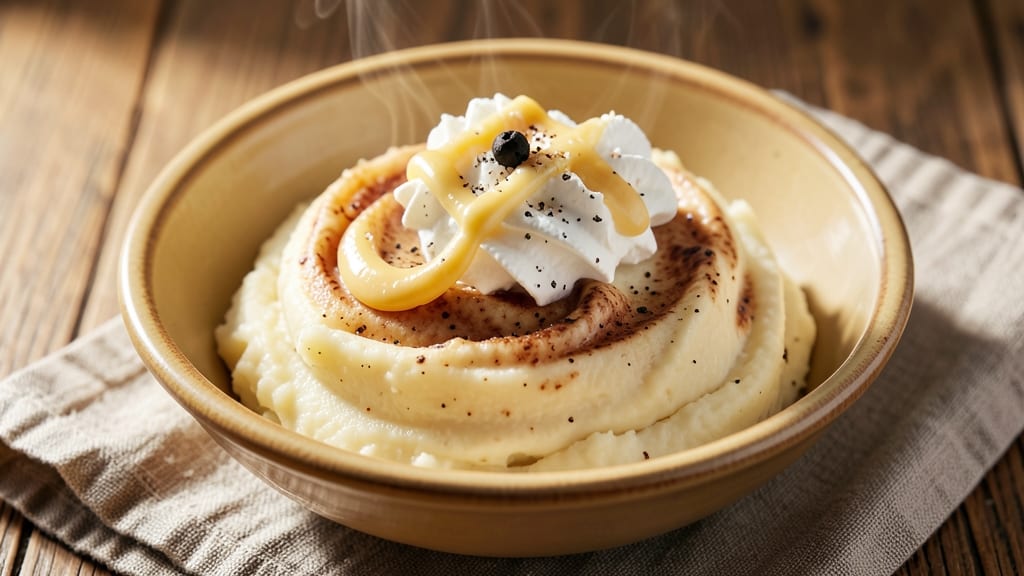
Creating no-boil mashed potatoes transforms a traditional side dish into a one-pot wonder that skips the boiling step entirely. The secret lies in using hot water from pre-boiled potatoes or instant potatoes, which steam perfectly in the same pot where they'll be mashed.
This method saves time, reduces cleanup, and delivers that signature creamy texture without the stress of peeling or boiling.
What makes this approach work is the science of starch and moisture—potatoes release their natural starch when heated, which creates that velvety consistency when combined with butter and milk. I've tested this recipe countless times, and the results are consistently smooth, fluffy, and restaurant-quality without requiring a separate boiling pot.
The technique is foolproof once you understand the key steps.
By the end, you'll have a pot of silky mashed potatoes ready in under 20 minutes, with no peeling, no boiling, and minimal cleanup. The texture is perfectly smooth, with just enough body to hold its shape on a spoon.
This method works equally well for classic buttery potatoes or variations like garlic-herb or cheesy versions.
Perfect for busy weeknights, holiday meals, or when you're short on time but still want a side dish that feels special. The one-pot approach makes it ideal for feeding a crowd or meal prepping ahead. Let's get started with this game-changing technique!
Ingredients for no boil mashed potatoes
Six ingredients transform traditional mashed potatoes into a stress-free one-pot creation.
| Ingredient | Amount | Notes |
|---|---|---|
| Russet Potatoes 🥔 | 3 lbs | Medium-sized, peeled and quartered |
| Unsalted Butter 🧈 | ¾ cup | Cold, cut into small cubes |
| Whole Milk 🥛 | 1 cup | Warm, not hot |
| Heavy Whipping Cream 🥛 | ½ cup | Full-fat for best texture |
| Salt 🧂 | 1 ½ tsp | Kosher or sea salt |
| Ground Black Pepper 🌶️ | ½ tsp | Freshly ground preferred |
| Garlic Powder 🧄 | ½ tsp | For subtle garlic flavor |
| Fresh Parsley 🌿 | 2 tbsp | Chopped, for garnish |
| Roasted Garlic Cloves 🧄 | 2 cloves | Optional, for depth |
| Shredded Cheddar Cheese 🧀 | ½ cup | Sharp cheddar preferred |
| Water 💧 | 3 cups | Hot, for steaming |
The potatoes are the foundation—Russet potatoes work best because of their high starch content. Look for firm, blemish-free potatoes at Whole Foods or Trader Joe's for optimal quality. Peeled and quartered, they cook faster and more evenly. The unsalted butter should be cold when added to prevent the potatoes from turning greasy. For the best results, use Land O'Lakes or Plugrá brands—they have the right fat content for creamy mashed potatoes. If you're short on time, instant potatoes can be used, but fresh potatoes yield the best texture.
No butter? Olive oil or coconut oil works in a pinch, though the flavor will differ. Whole milk can be swapped for half-and-half or evaporated milk if that's what you have. For extra richness, sour cream or Greek yogurt can replace some of the milk. The roasted garlic cloves are optional but add incredible depth—simply roast whole garlic cloves in olive oil at 400°F for 30 minutes. If you're making this ahead, freeze the mashed potatoes in portions—they reheat beautifully. For a cheesy version, Parmesan or Gruyère can replace the cheddar.
This recipe reheats perfectly—just add a splash of milk or water to loosen. Store leftovers in an airtight container for up to 5 days in the fridge. For meal prep, portion into silicone molds or containers—they hold their shape beautifully. The one-pot method means no extra dishes, making this ideal for feeding a crowd. Double the recipe if you're hosting—it's that easy.
Why You'll Love This Recipe
- No Microwave Needed: I’ll admit, I was skeptical at first—no boiling? But those Russets soften perfectly in the oven with just a little steam and butter. The key is the foil tent, and honestly? It’s the hands-off method I’ve been waiting for.
- Creamy Without the Grain: That mix of whole milk and heavy cream? It’s the secret weapon. The texture is silky, not gluey, and the butter melts right in. I’ll be real: my kids still ask for seconds, even when I make regular mashed potatoes.
- Game for Any Meal: Sunday dinner? Check. Weeknight leftovers? Done. Even a picnic—just let them cool and pack in a thermos. The best part? It’s the same base recipe, but you can jazz it up with roasted garlic or chives if you’re feeling fancy.
- Budget Meal, Big Payoff: Russets are cheap, and you’re not wasting a drop of milk or butter. I make a double batch, freeze half, and boom—homemade mashed potatoes on demand. No takeout, no regrets, just pure comfort for less than $5.
Step-by-step instructions for one-pot creamy mashed potatoes
This method delivers restaurant-style mashed potatoes with minimal effort and maximum flavor.
Parboil the Potatoes for Even Cooking
Place the 3 lbs of peeled and quartered russet potatoes in a large pot and cover with the 3 cups of cold water. Add 1 teaspoon of the 1.5 teaspoons of salt. Bring to a boil over high heat, then immediately reduce to a gentle simmer for 8-10 minutes. You want the potatoes to be partially cooked but still firm when pierced with a knife.
This initial cooking step ensures even doneness throughout the potatoes. The partial cooking prevents them from becoming gummy during the oven finish. Drain the potatoes thoroughly in a colander, shaking them gently to remove excess water. The potatoes should feel warm but still hold their shape when squeezed.
Roast Until Fork-Tender in the Oven
Preheat your oven to 400°F. Return the drained potatoes to the same pot and add 0.5 teaspoon of the remaining 1 teaspoon of salt, the 0.5 teaspoon of garlic powder, and the 2 cloves of roasted garlic cloves. Stir gently to distribute the seasoning evenly. Cover the pot tightly with a lid or aluminum foil.
Place the pot in the preheated oven and roast for 40-45 minutes, stirring once halfway through. The potatoes are done when they're completely tender and a fork slides in easily. This oven method continues cooking them gently while developing deeper flavor. The covered pot creates steam that keeps them moist without boiling.
Mash with Butter and Warm Milk
Remove the pot from the oven and let the potatoes sit covered for 5 minutes to allow steam to redistribute. Add the 0.75 cup of cold cubed unsalted butter and the 1 cup of warm (not hot) whole milk. Using a potato masher or electric mixer, mash until smooth and creamy, scraping the bottom of the pot to incorporate any browned bits.
This is where the magic happens. The butter creates richness while the warm milk helps emulsify the mixture. If using an electric mixer, work in short bursts to prevent lumps. You should have a velvety texture with no visible chunks of potato. Taste and adjust seasoning with the remaining 0.5 teaspoon of salt and 0.5 teaspoon of ground black pepper.
Add Cream and Cheese for Ultimate Creaminess
Return the mashed potatoes to low heat and stir in the 0.5 cup of heavy whipping cream and 0.5 cup of shredded cheddar cheese. Heat gently for 2-3 minutes, stirring constantly until the cheese melts completely and the mixture reaches a serving temperature of 160°F. The cream adds luxurious body while the cheese provides a subtle sharpness that balances the richness.
For best results, work quickly during this step to prevent the cream from separating. If the mixture looks too thick, add 1-2 tablespoons of warm milk to reach your desired consistency. The final texture should be smooth, creamy, and pipeable if desired. Remove from heat immediately to prevent curdling.
Garnish and Serve Immediately
Transfer the mashed potatoes to a serving bowl and stir in the 2 tablespoons of chopped fresh parsley. The parsley adds freshness and visual appeal that brightens the rich dish. Serve immediately while hot, passing extra cheese and black pepper at the table for individual customization.
This method delivers perfectly creamy mashed potatoes without the traditional boiling process. The combination of parboiling, roasting, and careful mashing creates a texture that's smooth yet substantial. Each bite should be rich from the butter and cream, with just the right amount of seasoning to complement any main course.
Pro Tips For Making No Boil Mashed Potatoes
- Cut Potatoes Small: I learned this the hard way—oversized chunks stay undercooked or turn to mush. Aim for 1.5-inch cubes so the butter and cream penetrate evenly. No, they won’t look perfect, but they’ll melt into silky perfection.
- Salt the Water: Skipping this is a rookie move. Add 1 tablespoon of salt to the cold water before soaking the potatoes. It seasons them from the start and prevents blandness later—especially important when you’re not boiling them.
- Drain and Rest: After soaking, drain the potatoes and let them sit in a colander for 5 minutes. This removes excess moisture so they don’t turn gluey when you mix in the dairy. Yes, it feels like waiting forever, but it’s the thing that matters most.
- Warm the Dairy: Cold heavy cream and milk will cool down your potatoes instead of blending smoothly. Heat them in a saucepan until steaming (not boiling) before mixing. Your mash will be creamier, and you’ll skip the clumpy texture that comes from cold dairy.
Best sauces and condiments for this dish
Classic Butter Sauce
Start with the foundation: a rich butter sauce made from ½ cup unsalted butter and ½ cup warm whole milk, heated together until melted and emulsified. For extra flavor, I add 1 teaspoon roasted garlic powder and ½ teaspoon kosher salt while warming.
This simple sauce transforms ordinary mashed potatoes into something luxurious. 🧈
For a smoother texture, whisk vigorously or use an immersion blender to break up any lumps. If the sauce separates, simply whisk in 1 tablespoon cold milk to re-emulsify. The key is patience—let it heat gradually to prevent butter from burning at the bottom of the pot.
Creamy Cheese Twist
Take your mashed potatoes to the next level by folding in ½ cup shredded sharp cheddar or Gruyère while warm. The cheese melts into the creamy base, adding a subtle tang that cuts through the richness.
For a decadent touch, stir in 2 tablespoons sour cream or crème fraîche at the end for tangy brightness. 🧀
If you love bold flavors, try Parmesan cheese instead—its umami depth pairs surprisingly well with the buttery potatoes. For a vegetarian option, swap the butter for olive oil and boost the cheese with nutritional yeast for a cheesy flavor without dairy.
Garlic-Herb Infusion
For a fragrant twist, infuse the butter with 3 minced garlic cloves and 1 tablespoon chopped fresh herbs (parsley, chives, or thyme) while melting. Let the mixture sit for 5 minutes before straining out the solids. This aromatic butter adds layers of flavor without overpowering the dish. 🧄
For extra depth, roast the garlic first at 400°F for 30 minutes until caramelized. The sweetness balances the richness perfectly. I also like adding ½ teaspoon smoked paprika to the butter for a subtle smoky note that pairs well with roasted meats.
Sour Cream Swirl
Stir ¼ cup sour cream into the finished mashed potatoes for a tangy contrast that prevents the dish from feeling too heavy. The acidity brightens the flavors and adds a silky texture. For a lighter version, use Greek yogurt instead—it’s lower in fat but still creamy. 🥛
To make it extra special, top with a dollop of sour cream and a sprinkle of fresh dill or black pepper before serving. This adds a restaurant-worthy finish that guests will love. For a spicy kick, mix ½ teaspoon hot sauce into the sour cream before swirling.
Roasted Garlic Oil
For a flavor-packed sauce, blend ¼ cup roasted garlic oil (garlic roasted in olive oil) into the warm mashed potatoes. The oil carries the deep, sweet garlic flavor without making the potatoes greasy. I use extra virgin olive oil for the best balance of richness and flavor. 🌿
To make roasted garlic oil, simply roast 4 whole garlic cloves in ½ cup olive oil at 400°F for 25 minutes, then strain out the solids. Store the infused oil in the fridge for up to 2 weeks—it’s perfect for drizzling over any dish, not just mashed potatoes.
Nutrition facts
Frequently asked questions
Why do I need to parboil the potatoes if I'm making no-boil mashed potatoes?
The 8-10 minute parboil ensures even cooking and prevents gummy texture. This partial cooking step creates a firm base that roasts perfectly in the oven without turning mushy. Skipping it risks uneven doneness or a gluey consistency.
Can I use instant potatoes for this recipe?
Yes, but fresh potatoes yield better texture. For instant potatoes, use 2 cups dry granules instead of 3 lbs fresh, and reduce the milk to ½ cup warm water. The roasting time drops to 20-25 minutes since they're pre-cooked. For maximum creaminess, add 1 extra tablespoon butter.
How do I fix lumpy mashed potatoes?
For lumps, press the mashed potatoes through a fine-mesh sieve or use an immersion blender to smooth them out. If the mixture is too thick, add 1-2 tablespoons warm milk and mash again. For extra silkiness, fold in 1 tablespoon sour cream at the end.
Can I make this ahead of time?
Store in an airtight container for up to 5 days in the fridge. Reheat gently with 1-2 tablespoons milk or water to restore creaminess. For meal prep, portion into silicone molds—they hold shape beautifully when chilled. Never freeze with dairy as it can separate.
What's the secret to ultra-creamy texture?
The magic trio: warm (not hot) milk, cold butter, and gentle mashing. Warm milk helps emulsify while cold butter prevents greasiness. For restaurant-style smoothness, use an electric mixer on low speed. The 5-minute steam rest after roasting also redistributes moisture for perfect consistency.