Side Dishes
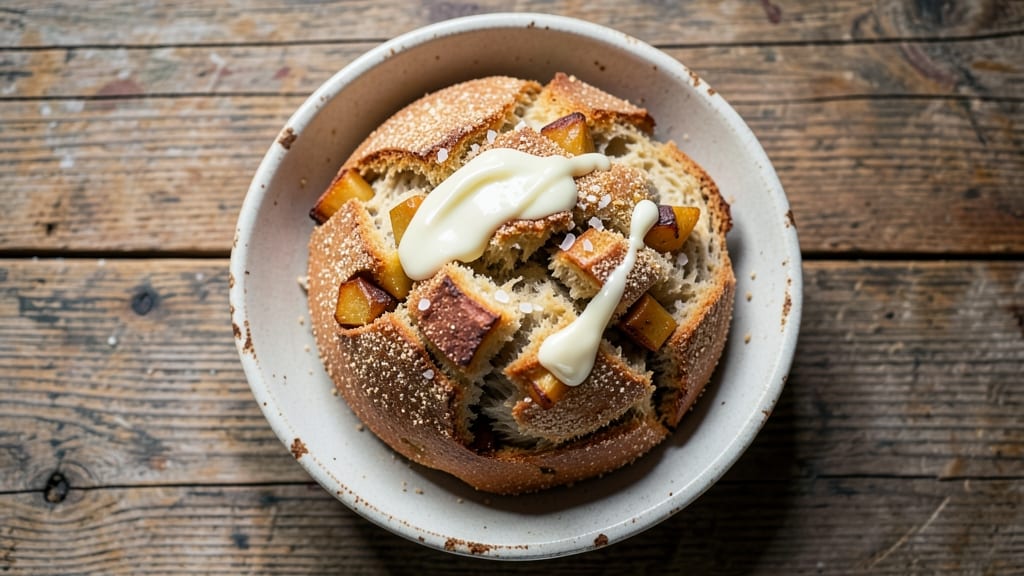
This old-fashioned potato bread recipe delivers the perfect balance of crisp cornmeal crowns and tender pink hearts—just like your grandmother used to make. The secret lies in the combination of mashed potatoes and cornmeal, which creates that signature texture and flavor that sets it apart from regular bread.
I've perfected this recipe over years of baking, ensuring every loaf turns out with a golden crust and moist interior.
What makes this recipe truly special is the traditional method of shaping the dough into small balls before baking, which gives it those iconic cornmeal crowns. The dough requires a bit of patience—kneading and rising are essential steps—but the results are worth every minute.
With just a few simple ingredients like flour, yeast, and potatoes, you can create a side dish that feels like a hug in bread form.
The baking process is where the magic happens. As the bread browns in the oven, the cornmeal topping becomes crisp and golden, while the interior remains soft and fluffy. The aroma of freshly baked potato bread fills the kitchen, making it impossible to resist.
This recipe is perfect for holiday meals, family gatherings, or simply as a comforting side dish.
Whether you're serving it alongside roasted meats or enjoying it with butter and jam, this old-fashioned potato bread is a classic that never goes out of style. Let's get started on creating a loaf that will impress everyone at the table.
Ingredients for old fashioned potato bread
Simple ingredients transform into golden potato bread with crisp cornmeal crowns and tender pink hearts.
| Ingredient | Amount | Notes |
|---|---|---|
| Russet Potatoes 🥔 | 2 lbs | Peeled and boiled for mash |
| All-Purpose Flour 🌾 | 3 cups | White flour for structure |
| Cornmeal 🌽 | ½ cup | Fine grind for crisp crowns |
| Active Dry Yeast 🍞 | ¼ ounce | 1 packet (2.25 tsp) |
| Granulated Sugar 🍚 | ¼ cup | For yeast activation |
| Unsalted Butter 🧈 | ½ cup | Cold, cubed for dough |
| Milk 🥛 | ¼ cup | Warm for yeast activation |
| Large Eggs 🥚 | 1 whole | Room temperature |
| Salt 🧂 | 1 ½ tsp | Kosher or sea salt |
| Baking Powder 🍞 | 1 tsp | For lift and texture |
| Corn Oil 🫒 | ¼ cup | For dough softness |
| Coarse Salt 🧂 | 2 tbsp | For topping sprinkle |
The russet potatoes are the heart of this bread—peeling and boiling them until fork-tender ensures a smooth mash. Idaho potatoes, if available, are ideal due to their high starch content. For the cornmeal, Bob's Red Mill or Annie's fine-ground varieties work best—coarse grit won't crisp properly. The yeast should be fresh; if your packet is over a few months old, test it in warm milk with a pinch of sugar first. For the butter, Land O'Lakes or Plugrah brands melt beautifully without overpowering the dough's delicate flavor.
No cornmeal? Semolina flour works in a pinch, though the texture will be slightly denser. Running short on potatoes? Sweet potatoes mashed and drained can replace up to half the russet amount, but the flavor will shift toward a sweeter profile. The baking powder is crucial—Aluminum-free, double-acting like Clabber Girl ensures proper rise. If you're making this ahead, prepare the dough up to the shaping stage and refrigerate overnight for deeper flavor development. The corn oil can be swapped for melted butter, but it may slightly alter the bread's texture.
This bread keeps beautifully for 3 days wrapped in a clean kitchen towel at room temperature. For longer storage, freeze the fully baked loaves in airtight bags for up to 3 months. To reheat, wrap in foil and warm at 350°F for 10 minutes. The cornmeal crowns soften slightly when reheated, so I recommend serving fresh when possible. For serving, a pat of cultured butter or a drizzle of local honey elevates every bite—worth the extra minute of prep.
Why You'll Love This Recipe
- No Yeast Hassle: I’ll be real—this dough only needs one rise, and it’s over in 30 minutes. Just mash those Russets, mix in the flour and yeast, let it puff once, then bake. No waiting around for second rises or fussy kneading.
- Crust That Cracks: That crispy cornmeal crust? Chef’s kiss. The secret’s in toasting the cornmeal first—it adds a nutty crunch while the inside stays soft and pillowy. One bite and you’ll forget about store-bought bread.
- Breakfast to Dinner: Honestly, this bread is my lazy Sunday morning and weeknight dinner hero. Toast it for breakfast with jam, slice it for sandwiches, or even serve it warm with butter and honey. It’s the one loaf that does it all.
- Pantry-Proof & Frugal: Russets are cheap, flour lasts forever, and a little yeast stretches into a whole loaf. I’ve made this on a budget, and it’s still the star of my table—no fancy ingredients, just pure, satisfying flavor.
Step-by-step instructions for old fashioned potato bread
This method delivers classic potato bread with a crisp cornmeal crown and tender pink interior—every slice perfect.
Prepare the Potato Mash Base
Peel the 2 lbs russet potatoes and cut them into even chunks. Place them in a pot of cold, salted water and bring to a boil over medium-high heat. Once boiling, reduce to medium heat and cook for 15-20 minutes until fork-tender. Drain thoroughly and return the potatoes to the pot.
Using a potato masher or ricer, break down the potatoes until smooth with no lumps. Let the mash cool to warm room temperature—this prevents killing the yeast later. I like to spread it on a baking sheet and let it sit for 10 minutes while I prepare the yeast mixture. The texture should be completely smooth with no resistance when pressed.
Activate the Yeast and Mix the Dough
In a small bowl, combine the 0.25 ounce active dry yeast, 0.25 cup granulated sugar, and 0.25 cup warm milk (about 110°F). Let this sit for 5-10 minutes until foamy—this confirms the yeast is active. If it doesn't foam, your bread won't rise properly.
In a large mixing bowl, combine the potato mash, 3 cups all-purpose flour, and 1.5 tsp salt. Add the yeast mixture and 1 whole large egg (room temperature). Mix with a wooden spoon until just combined—don't overwork the dough. The mixture should be shaggy but hold together when pressed. This is the foundation for that signature tender crumb.
Incorporate Butter and Cornmeal
Cut the 0.5 cup unsalted butter into small cubes and add to the dough along with the 0.5 cup cornmeal and 1 tsp baking powder. Mix gently with your hands or a dough scraper until the butter is evenly distributed—you should see small butter pieces throughout. The cornmeal will give that classic crispy crown while keeping the interior moist.
Add the 0.25 cup corn oil next, mixing until fully incorporated. The oil helps create a tender crumb and prevents the bread from drying out. Knead the dough lightly on a floured surface for 2-3 minutes until it comes together into a smooth, slightly sticky ball. The dough should be soft but not wet—if it's too sticky, add 1 tablespoon flour at a time until it's manageable.
First Rise and Shape the Loaves
Place the dough in a lightly greased bowl, cover with a damp towel, and let rise in a warm place for 1-1.5 hours until doubled in size. A good test is to poke the dough gently—if it springs back slowly, it's ready. This first rise develops the gluten structure that gives potato bread its signature texture.
Punch down the dough to release air, then divide it into 4 equal portions. Shape each into a round loaf about 8 inches in diameter. Place each loaf on a parchment-lined baking sheet, cover with a towel, and let rise for another 30-45 minutes until puffy. The tops should be slightly domed with visible bubbles—this ensures good oven spring when baking.
Bake to Golden Perfection
Preheat your oven to 375°F. Just before baking, brush the tops of each loaf with a little water and sprinkle generously with 2 tbsp coarse salt. This creates that iconic crispy crust while adding flavor. Bake for 25-30 minutes until the tops are deep golden brown and the internal temperature reaches 190°F.
For the best results, rotate the baking sheets halfway through baking to ensure even browning. The bread is done when it sounds hollow when tapped on the bottom and the crust is crisp enough to snap. Let cool on a wire rack for 10 minutes before slicing—this prevents the loaves from falling apart. The interior should be tender with a slightly pink hue from the potatoes, while the exterior remains crispy and golden.
Pro Tips For Making Old Fashioned Potato Bread
- BOIL POTATOES UNTIL SOFT: I learned this the hard way—undercooked potatoes make the bread dense and chewy. Russets should collapse easily when pierced with a fork, not just dent slightly. Drain them thoroughly afterward, or your dough will turn into a sticky mess.
- COOL POTATOES BEFORE MASHING: Hot potatoes release too much moisture, which throws off the yeast and makes the dough gummy. Spread them on a wire rack for 10 minutes—yes, even if you’re eager to start. The difference in texture is night and day.
- DON’T OVERMIX THE DOUGH: This isn’t a sourdough starter; you’re not testing your arm strength. Mix just until the flour is incorporated—overworking it develops gluten, and you’ll end up with a tough, bread-like loaf instead of that tender, crumbly potato bread everyone loves.
- USE CORNMEAL IN THE PAN: Skimping on the cornmeal layer means the bottom burns before the top bakes. Sprinkle a generous handful in your loaf pan—about ¼ cup—and press it in lightly. It’s the only thing keeping your bread from sticking like glue.
Creative variations of this old fashioned potato bread
Herb-Infused Twist
Add 1 tbsp fresh rosemary or thyme leaves to the dough during the final kneading stage for an aromatic twist. The herbs pair beautifully with the potatoes and cornmeal, adding earthy depth. I like using Penzeys brand dried herbs if fresh isn't available—they hold up well during baking.
For extra flavor, sprinkle ½ tsp garlic powder over the shaped loaves before the final rise. 🌿
Sweet Potato Swap
Replace half the russet potatoes with sweet potatoes for a subtly sweet variation that still maintains the bread's structure. Peel and boil the sweet potatoes until tender, then mash them completely before mixing with the russets.
The natural sweetness complements the cornmeal beautifully, making this ideal for breakfast or dessert pairings. I recommend Beaumont sweet potatoes for their smooth texture. 🍠
Cheesy Potato Bread
Stir in 1 cup shredded cheddar cheese or sharp white cheddar during the final kneading stage for a cheesy twist. The cheese melts slightly during baking, creating pockets of gooey goodness throughout each slice.
For extra richness, use Cabot brand cheddar—it melts beautifully without overpowering the bread's flavor. Top with an extra sprinkle of cornmeal before baking for that classic crust. 🧀
Savory Garlic Version
Incorporate 2 minced garlic cloves into the yeast mixture for a bold garlic flavor that permeates every bite. For an even stronger punch, add ½ tsp garlic powder to the dough during final kneading.
This version pairs perfectly with roasted meats or hearty soups. I like to brush the baked loaves with garlic-infused olive oil before serving for extra flavor. 🧄
Whole Wheat Adaptation
Replace 1 cup of the all-purpose flour with whole wheat flour for a nuttier, heartier version. The whole wheat adds fiber and a slightly denser texture while keeping the bread tender.
I recommend King Arthur whole wheat flour for its consistent quality. Reduce the corn oil to 0.2 cup since whole wheat absorbs more moisture. 🌾
Cinnamon Roll Style
Transform this into a sweet breakfast treat by adding ½ cup brown sugar and 1 tsp cinnamon to the dough. Roll out the dough into a rectangle, spread with a thin layer of cream cheese frosting, then roll up tightly.
Slice into individual rolls and bake as directed. The cornmeal topping adds a delightful crunch to this sweet variation. 🍂
Nutrition facts
Frequently asked questions
Why does this potato bread have cornmeal on top?
The cornmeal topping creates those signature crispy "crowns" while keeping the interior tender. It also adds a subtle nutty flavor that pairs perfectly with the potatoes. The texture contrast makes every bite special—crunchy outside, soft inside!
Can I make this bread without cornmeal?
Yes! Use semolina flour instead for a similar texture, though it won't be quite as crispy. For a different approach, try crushed graham crackers or crushed pork rinds for a savory alternative. The bread will still taste delicious but lose its classic look.
How do I know when the dough is ready for shaping?
Your dough is ready when it's doubled in size and springs back slowly when poked gently. For the final shape, press each ball into an 8-inch round—don't flatten it too much, or you'll lose the signature dome. The tops should be smooth but slightly puffy before baking.
Why did my potato bread turn out dense instead of light?
Over-kneading or under-rising are common culprits. Make sure your yeast is active (it should foam in 5-10 minutes with warm milk and sugar). Also, don't skip the 1-1.5 hour first rise—this develops the gluten structure. If your kitchen is cold, place the dough bowl near a warm oven with the light on.
Can I make this ahead of time?
Shape the dough and refrigerate it overnight for deeper flavor. The next day, let it rise at room temperature for 45-60 minutes before baking. For storage, keep baked loaves in an airtight container for 3 days or freeze for up to 3 months. Reheat wrapped in foil at 350°F for 10 minutes for crispy crowns.