
Side Dishes
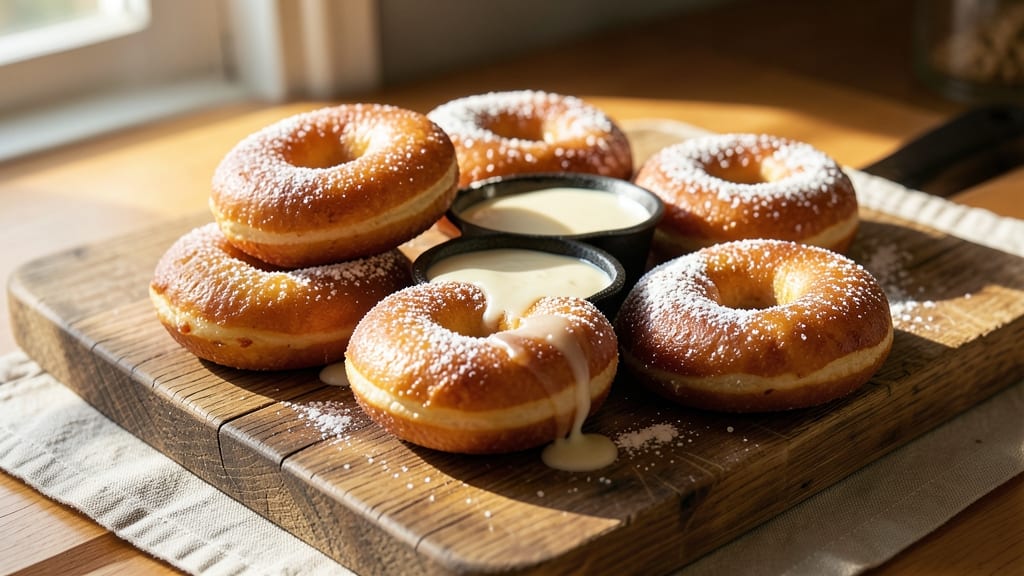
This old-fashioned potato doughnut recipe brings back the nostalgic taste of fluffy pink hearts with a vinegar-kissed crust that crackles just right. Standing on a stool in my Nonna's kitchen, I learned how mashed potatoes transform into golden, tender doughnuts that disappear faster than they hit the plate.
The secret lies in the precise balance of potato, flour, and buttermilk—each ingredient playing its part to create that signature texture.
The dough comes together in minutes with just a few simple tools, yet the magic happens during the frying. That moment when the doughnuts hit the hot oil and begin rising into perfect, heart-shaped pillows is pure satisfaction.
The vinegar in the batter creates that signature crackly crust, while the interior stays light and pillowy. This is comfort food at its finest—simple enough for weeknights but special enough for company.
What makes these doughnuts truly unforgettable is their versatility. Enjoy them fresh from the fryer, dusted with powdered sugar, or glaze them with cinnamon or chocolate for an extra touch. The aroma alone will have everyone gathering around the kitchen, just like they did in my Nonna's day.
Ready in about 30 minutes, this recipe delivers restaurant-quality results without the fuss.
Whether you're serving a crowd or treating yourself to a midweek indulgence, these potato doughnuts are a foolproof way to bring a taste of tradition to your table.
The key is patience—let the dough rest and the oil stay hot—and you'll achieve that perfect balance of crispy crust and tender heart every time.
Ingredients for old fashioned potato doughnut
Twelve simple ingredients transform into golden, vinegar-kissed potato doughnut magic.
| Ingredient | Amount | Notes |
|---|---|---|
| Russet Potatoes 🥔 | 2 lbs | Cold, peeled, and mashed smooth |
| All-Purpose Flour 🌾 | 2 cups | White flour, sifted for lightness |
| Granulated Sugar 🍚 | ¼ cup | White sugar, fine grain |
| Salt 🧂 | 1 ½ tsp | Fine sea salt preferred |
| White Vinegar 💧 | 1 tbsp | Distilled vinegar for tang |
| Buttermilk 🥛 | 1 cup | Full-fat for richness |
| Large Eggs 🥚 | 2 whole | Room temperature for blending |
| Vegetable Oil 🫒 | 3 cups | High smoke point for frying |
| Powdered Sugar 🍚 | 1 cup | For dusting fresh doughnuts |
| Baking Powder 🧪 | 1 tsp | Aluminum-free preferred |
| Ground Nutmeg 🌿 | ½ tsp | Freshly grated for warmth |
| Cinnamon Sugar Mix 🍃 | ½ cup | For optional glaze |
The potatoes make or break these doughnuts—Russets are non-negotiable for that fluffy texture. Grab them cold from the fridge (the colder, the better) and peel them while still icy. Bob's Red Mill or Store brand flour works fine, but sift it well to avoid lumps. I always double-check my vinegar—distilled white vinegar gives the cleanest tang. For the buttermilk, if you're in a pinch, mix 1 tbsp lemon juice with 1 cup milk and let it sit for 5 minutes. The eggs? Room temperature blend better—just pop them out of the fridge 30 minutes before mixing.
No buttermilk? Sour cream thinned with milk works in a bind. Short on powdered sugar? Granulated sugar crushed in a food processor does the trick. The cinnamon sugar glaze? Mix equal parts powdered sugar and cinnamon—no need for fancy ratios. Want extra fluff? Add 1 extra tbsp baking powder. The oil is critical—vegetable or canola oil (high smoke point) keeps the doughnuts from burning. Never reuse frying oil—it breaks down and loses flavor after one use. For the nutmeg, freshly grated from a whole nutmeg (if you've got one) adds depth, but pre-ground works too.
These doughnuts are best fresh but reheat beautifully—350°F oven for 5-7 minutes brings back that crispy crust. Store leftovers in an airtight container for up to 3 days, but honestly, they won't last that long. Freeze shaped doughnuts (before frying) on a tray, then transfer to a bag for up to 3 months. Pro tip: Double the batch—they disappear faster than you can say 'Nonna's kitchen.' Dust with powdered sugar or glaze with cinnamon sugar right after frying while they're still warm.
Why You'll Love This Recipe
- No Special Tools Needed: I swear by this recipe because it’s the kind of thing you can make with a fork, a bowl, and your hands—no mixer, no fancy gadgets. Just grate those Russet potatoes, mix in the flour and sugar, and you’re halfway there. Honestly, the simplicity is what keeps me coming back.
- Crispy-Creamy Magic: That perfect balance of a golden, vinegar-kissed crust with a tender inside? It’s what makes these doughnuts ridiculous good. The vinegar does the trick—no yeast, no waiting, just pure satisfaction in every bite. (Yes, even on a Tuesday night.)
- Breakfast or Snack Star: I keep the doughnut mix in the fridge for days because it works for everything—dip in coffee, fry for breakfast, or bake into a casserole for dinner. The flour and potato base soak up flavors like a champ, so it’s my go-to for lazy mornings or unexpected guests.
- Pantry Staple Power: Between us, this recipe is my budget-friendly secret weapon. Russets and flour last forever, and a little sugar goes a long way. I’ll make a big batch, freeze the extras, and pull them out whenever I need a quick, crave-worthy treat without breaking the bank.
Step-by-step instructions for old fashioned potato doughnuts
Here's how to make these classic potato doughnuts with a light, fluffy texture and that signature vinegar-kissed crust.
Prepare the Potato Base
Peel the 2 lbs of russet potatoes and cut them into even chunks. Place them in a pot of cold water and bring to a boil over medium-high heat. Once boiling, reduce to medium heat and cook for 15-20 minutes until the potatoes are fork-tender. Drain well and let them cool slightly.
While still warm, mash the potatoes until completely smooth with no lumps. This step is crucial for the doughnut's texture—any lumps will create dense spots. Spread the mashed potatoes on a clean kitchen towel and let them cool completely. This cooling step prevents the butter from melting too quickly when we mix it in later.
Mix the Doughnut Batter
In a large mixing bowl, combine the cooled mashed potatoes, 2 cups of all-purpose flour, 0.25 cup of granulated sugar, 1.5 tsp of salt, 1 tsp of baking powder, and 0.5 tsp of ground nutmeg. Mix these dry ingredients together until well combined. In a separate bowl, whisk together 1 cup of buttermilk and 1 tbsp of white vinegar. Let this mixture sit for 2 minutes to curdle slightly.
Create a well in the center of the dry ingredients and pour in the 2 whole large eggs and the buttermilk-vinegar mixture. Gently fold everything together with a wooden spoon or rubber spatula until just combined. The batter should be thick but still pourable. Avoid overmixing—just until all ingredients are incorporated. This batter will be slightly sticky, which is normal.
Chill and Shape the Dough
Cover the mixing bowl with plastic wrap and refrigerate the batter for at least 1 hour, or up to 24 hours. Chilling the dough makes it easier to handle and prevents the doughnuts from absorbing too much oil during frying. After chilling, turn the dough out onto a lightly floured surface and gently shape it into a 1-inch thick rectangle.
Cut the dough into 12 equal squares using a sharp knife or dough cutter. Roll each square between your palms to form a smooth ball. These doughnut balls should be about 2 inches in diameter. Place them on a floured baking sheet and cover with a clean kitchen towel. This resting step helps the doughnuts hold their shape better when frying.
Fry to Golden Perfection
Heat 3 cups of vegetable oil in a deep fryer or heavy pot to 360°F. Use a candy or deep-fry thermometer to monitor the temperature—it's crucial to maintain this exact heat. Fry 2-3 doughnut balls at a time, being careful not to overcrowd the pot. Fry for 2-3 minutes on each side until they're golden brown and puffed up. Use a slotted spoon to turn them carefully.
As each doughnut is done, transfer it to a paper towel-lined plate to drain. The doughnuts will be hot and may look slightly underdone in the center, but they'll continue cooking as they drain. Keep the oil at 360°F throughout the frying process—dipping the thermometer back in occasionally to check. If the oil temperature drops below 350°F, the doughnuts will absorb too much oil and become greasy.
Glaze and Serve
While the doughnuts are still warm, mix 1 cup of powdered sugar with 1-2 tablespoons of milk (or water) to create a glaze. Dip each doughnut into the glaze, allowing any excess to drip off. For extra flavor, roll the glazed doughnuts in the 0.5 cup cinnamon sugar mix while still warm. This creates that classic old-fashioned coating.
Serve the doughnuts immediately while they're still warm and crispy. The contrast between the fluffy interior and the crispy exterior is what makes these doughnuts so special. Enjoy them with a cup of coffee or hot chocolate for the perfect treat. These doughnuts keep well in an airtight container for up to 3 days, though they're best enjoyed fresh from the fryer!
Pro Tips For Making Old Fashioned Potato Doughnut
- Boil Potatoes Until Fork-Tender: I learned this the hard way—stopping when they’re just soft means your doughnuts will be dense and chewy. Russets should collapse under a fork with zero resistance, like they’re falling apart on their own. Drain them hot and get straight to grating while they’re still piping.
- Grate Potatoes Coarse: Fine shreds mean gummy doughnuts. Use the large holes of a box grater (or pulse in a food processor) and squeeze out every drop of moisture with a clean kitchen towel. Wet potatoes = soggy doughnuts—no exceptions.
- Chill the Dough 30 Minutes: Mixing the batter and frying immediately is tempting, but resist. Cold dough fries up lighter and holds its shape better. Pop it in the fridge while you preheat the oil to 375°F—trust me, the difference is noticeable.
- Test Oil Temp with Sugar: Skip the thermometer if you’re lazy (I know, I know). Toss in a pinch of sugar—if it sizzles and bubbles hard, your oil’s ready. If it just fizzles, wait another 2 minutes. Overheated oil = burnt crusts; too cool = greasy doughnuts.
Troubleshooting perfect results
Dough Too Sticky?
If your dough feels too sticky to handle, you're likely overmixing or using warm potatoes. Let the mashed potatoes cool completely before mixing—cold potatoes prevent excess moisture. Add 1-2 tablespoons more flour only if absolutely necessary, but avoid overdoing it or your doughnuts will turn dense.
I’ve found that chilling the dough for an extra 30 minutes after the initial 1-hour rest makes it much easier to shape. 💡
Oil Too Hot or Cold?
Doughnuts that absorb too much oil or burn too quickly usually mean your oil temperature is off. Use a candy thermometer and maintain 360°F—any lower and they’ll be greasy; any higher and they’ll brown too fast.
If your oil smokes excessively, turn off the heat and let it cool 10 minutes before continuing. I keep a small bowl of flour nearby to dredge any doughnuts that stick while adjusting the temperature. ⚡
Doughnuts Not Puffing?
For that classic rise, your doughnuts need a few key things: hot enough oil, properly chilled dough, and fresh baking powder. If they’re not puffing, check your baking powder—old powder loses its lift.
Also, ensure your dough balls are 2 inches in diameter (smaller = less rise). I once accidentally used cake flour instead of all-purpose, and the doughnuts turned out flat—always double-check your ingredients! 🌟
Glaze Too Runny?
A glaze that drips everywhere usually means too much liquid. Start with 1 cup powdered sugar + 1 tbsp milk, then add more milk 1 teaspoon at a time until smooth.
For a thicker glaze (like the old-fashioned cinnamon sugar coating), use less milk or skip it entirely—just mix the powdered sugar and cinnamon directly. I’ve had success with 1 tbsp milk per ½ cup powdered sugar for a perfect dusting consistency. ✨
Doughnuts Turning Gray?
Gray doughnuts often mean your potatoes were overcooked or the dough sat too long before frying. Always boil potatoes until fork-tender (15-20 minutes)—no longer. If your doughnuts gray after frying, they might have absorbed too much oil or sat in warm oil too long.
Fry in small batches and keep the oil at 360°F—never let it drop below 350°F. A quick fix? Brush finished doughnuts with a little extra glaze to restore color. 💛
Doughnuts Too Dense?
Dense doughnuts usually mean overmixing, old baking powder, or not enough potato. Start fresh with cold, smooth mashed potatoes and mix just until combined. If your dough feels heavy, add 1 extra tbsp baking powder and let it rest 15 minutes before shaping.
I once used instant mashed potatoes by mistake—they’re a no-go for this recipe. Stick to Russet potatoes and you’ll get that signature fluff. 🥔
Nutrition facts
Frequently asked questions
Why do these potato doughnuts need to chill before frying?
Chilling the dough for at least 1 hour prevents the doughnuts from absorbing too much oil during frying. The cold temperature firms up the fat in the potatoes, creating a lighter texture. It also makes shaping the dough much easier—no more sticky messes! Think of it like resting pie dough before baking.
Can I make these doughnuts without a deep fryer?
Use a heavy pot with 3 inches of oil and maintain 360°F with a candy thermometer. A Dutch oven works perfectly. Just fry 2-3 doughnuts at a time to keep the oil temperature stable. For a lighter version, bake at 400°F for 12-15 minutes until golden—though they won't be as crispy.
What's the secret to that classic vinegar-kissed crust?
The 1 tbsp white vinegar in the batter creates that signature crackly crust through a chemical reaction with the baking powder. It also tenderizes the gluten, giving you that perfect fluffy-pillowy interior. Don't skip it—it's what makes these doughnuts taste authentically old-fashioned! The vinegar also helps balance the richness of the potatoes.
How do I store leftover potato doughnuts?
Keep them in an airtight container at room temperature for up to 3 days. For longer storage, freeze shaped doughnuts (before frying) on a tray, then transfer to a bag for up to 3 months. To reheat, bake at 350°F for 5-7 minutes until crispy again. The glaze might soften slightly, so add a little extra powdered sugar when serving.
Can I use sweet potatoes instead of russets?
Not for this recipe! Sweet potatoes have a different starch structure that won't give you that classic light, fluffy texture. Stick with russet potatoes—they're the gold standard for old-fashioned potato doughnuts. If you're craving sweet potato doughnuts, there are other recipes specifically designed for that variety. The russet's high starch content is what creates that signature pillowy interior.