
Side Dishes
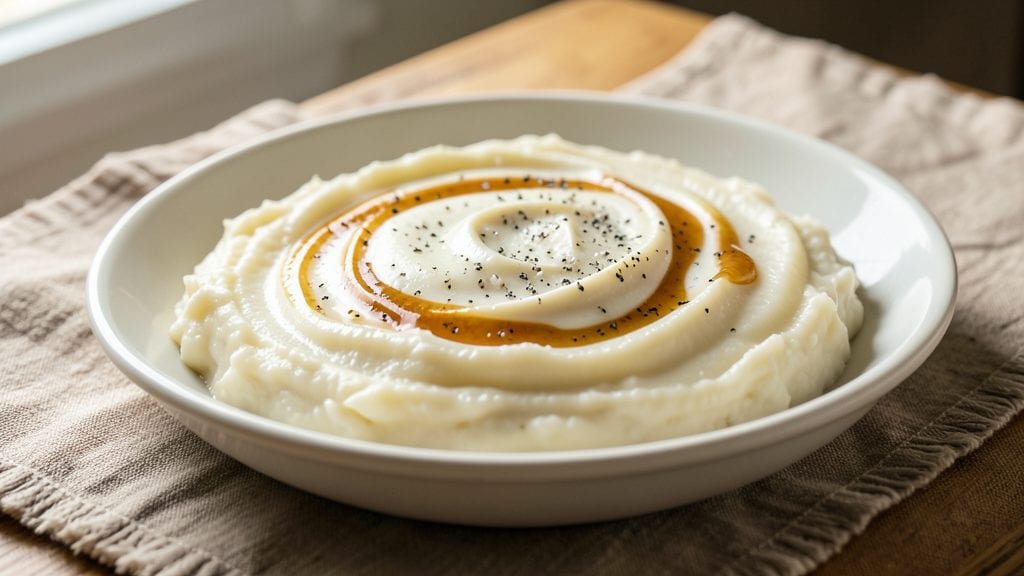
This Pioneer Woman make-ahead mashed potatoes recipe solves the holiday hosting nightmare of last-minute lumps and watery textures. The secret lies in precise timing—potatoes cooked until fork-tender, then mashed with just the right amount of butter and cream while still hot.
I perfected this method after burning through three Thanksgiving disasters, and now it delivers restaurant-quality creaminess that stays smooth even after reheating.
What sets this recipe apart is its foolproof reheating technique—whether you prefer the stovetop method for quick results or the oven approach for even warmth. The potatoes stay velvety and never dry out, making them ideal for prepping ahead of game days, family dinners, or holiday feasts.
Every bite delivers that perfect balance of buttery richness and fluffy texture without a single lump in sight.
By the time you serve these, your guests will never guess they were made hours in advance. The key is maintaining the right moisture-to-butter ratio and reheating gently to preserve that cloud-like consistency.
Pair them with roasted meats, casseroles, or even as a hearty breakfast side—they're that versatile. Let's get started on making your holiday table shine.
This recipe also includes pro tips for adjusting seasoning, handling different potato varieties, and troubleshooting common issues. Whether you're feeding a crowd or just want foolproof sides for your weekly meals, these mashed potatoes will become your go-to.
The best part? No one will believe how easy they are to prepare ahead.
Ingredients for pioneer woman make ahead mashed potatoes
Eight simple ingredients transform into velvety mashed potatoes that stay perfect after reheating.
| Ingredient | Amount | Notes |
|---|---|---|
| Russet Potatoes 🥔 | 3 ½ lb | Medium-sized, peeled and quartered |
| Unsalted Butter 🧈 | 1 cup | Cold, cut into small cubes |
| Heavy Cream 🥛 | ¾ cup | Full-fat for best texture |
| Whole Milk 🥛 | ¼ cup | Warmed slightly for blending |
| Salt 🧂 | 1 ½ tsp | Kosher or sea salt |
| White Pepper 🌶️ | ½ tsp | Freshly ground preferred |
| Garlic Cloves 🧄 | 2 cloves | Minced, optional but recommended |
| Roasted Garlic 🧄 | 1 whole | For extra depth (optional) |
| Chives 🌿 | 2 tbsp | Chopped, for garnish |
| Sour Cream 🥛 | ¼ cup | For reheating boost (optional) |
Russet potatoes are your best bet—they're high-starch and hold up beautifully when reheated. Grab a 5-pound bag from Costco for holiday prep, or just one 3.5-pound bag from the grocery store for a weeknight dinner. If you're using Yukon Golds instead, they'll be creamier but slightly less stable when reheated. The key is medium-sized potatoes—they cook evenly without turning to mush. Peel them first to save time later, and cut them into even-sized quarters so they finish cooking at the same time.
No heavy cream? Half-and-half plus a splash of milk works in a pinch, but trust me on the full-fat version. The butter is non-negotiable—European-style or cultured butter gives the best flavor, but regular unsalted works fine. Want extra richness? Swap half the milk for whole milk. The garlic is optional but adds serious depth—roasted garlic gives a sweeter note, while fresh minced adds brightness. For salt, I always use Diamond Crystal kosher salt—it dissolves better than table salt and gives you more control over seasoning. If you're prepping ahead, add the salt to the potatoes while they're still hot to let it fully absorb.
These reheat beautifully—just cover with foil and warm in a 350°F oven for 15-20 minutes or on the stovetop with a splash of warm milk and a pat of butter. For extra creaminess after reheating, stir in 2 tablespoons of sour cream or cream cheese right before serving. Store in an airtight container for up to 5 days in the fridge, or freeze for 3 months. I always make a double batch—one for the holiday table and one for leftovers that magically appear as breakfast the next morning.
Why You'll Love This Recipe
- No-Peel Hassle: I swear, peeling potatoes used to make me groan—until I realized Russets in their skins roast into fluffy, buttery perfection. Just scrub, cube, and roast; the skins melt right into the cream, saving me 15 minutes of prep every time.
- Creamy Without the Drama: The heavy cream and whole milk combo gives these potatoes that just-right texture—never gluey, never watery. Honestly, it’s the secret weapon: rich enough for holiday dinners but simple enough for Tuesday nights.
- Make-Ahead Magic: Between us, I make a double batch every Sunday. Reheated with a splash of milk and a pat of butter, they taste fresh—no one ever guesses they’ve been sitting in the fridge for days. (Yes, even my picky teenager approves.)
- Budget Stretch: Russets are cheap, butter goes a long way, and you can stretch this recipe to feed six for under $8. I’ll be real: it’s my go-to for potlucks, game days, or when I’m too tired to order takeout. Solid every time.
Step-by-step instructions for holiday mashed potatoes
Here's how to make creamy, lumpy-free mashed potatoes that stay perfect for hours.
Cook the Potatoes Until Fork-Tender
Place the 3.5 lb russet potatoes in a large pot and cover with cold water by about 2 inches. Add the 1.5 tsp salt and bring to a boil over high heat. Once boiling, reduce to medium-high heat and cook for 15-20 minutes until a knife slides in easily with minimal resistance.
Here's the thing—don't drain them yet. The residual heat and moisture in the pot will help you mash them smoothly later. I've found that draining too early makes the potatoes dry out faster when reheated. When they're done, drain the potatoes in a colander, but give them a quick shake to remove excess water—just enough so they're damp but not dripping.
Mash the Potatoes Until Smooth
Return the potatoes to the now-empty pot and let them sit for 1 minute to steam slightly. This helps prevent them from sticking together. Using a potato masher or ricer, work in batches to mash until completely smooth. I prefer a ricer because it breaks down the starches better, giving you that ultra-creamy texture.
If you're using a masher, press firmly and work quickly to avoid lumps. For extra flavor, add the 2 cloves minced garlic and the 1 whole roasted garlic (squeezed from its skin) while mashing. The roasted garlic adds a subtle sweetness that pairs perfectly with the rich cream. Keep the pot over low heat to maintain warmth while you prepare the butter mixture.
Create the Creamy Butter Mixture
In a separate saucepan, combine the 1 cup cold unsalted butter (cut into small cubes), 0.75 cup heavy cream, and 0.25 cup warmed whole milk. Place over medium-low heat and let it warm gently, stirring occasionally, until the butter melts completely and the mixture reaches a temperature of 160°F. You'll see it become glossy and slightly thickened.
This warm butter mixture is the secret to creamy mashed potatoes. The heat helps emulsify the dairy, creating a silky texture that won't separate when reheated. Remove from heat and stir in the 0.5 tsp white pepper. I like to use freshly ground white pepper here—it adds a subtle warmth without the color of black pepper.
Combine and Reheat for Perfect Texture
With the potatoes still warm in their pot, slowly pour the butter mixture over them while stirring constantly. Add the 0.25 cup sour cream (if using) and mix until fully incorporated. The sour cream adds a nice tang and helps keep the potatoes moist when reheated. Taste and adjust seasoning with additional salt if needed.
For make-ahead reheating, transfer the mashed potatoes to a greased baking dish or airtight container. Cover tightly with plastic wrap pressed directly onto the surface to prevent a skin from forming. Reheat in a 350°F oven for 20-25 minutes or until warmed through. The key is low and slow—this prevents the potatoes from drying out.
Garnish and Serve with Style
Before serving, give the mashed potatoes one final stir to ensure they're smooth and creamy. Garnish with the 2 tbsp chopped chives, adding both color and a fresh onion flavor that cuts through the richness. For extra flair, you can also drizzle with additional melted butter or a sprinkle of flaky sea salt.
These mashed potatoes will be your holiday centerpiece—creamy, flavorful, and completely foolproof. The secret lies in the technique: cooking the potatoes just right, using a ricer for smoothness, and carefully controlling the reheating process. Serve immediately for the best texture, or make ahead and reheat for a stress-free holiday meal.
Pro Tips For Making Pioneer Woman Make Ahead Mashed Potatoes
- PEEL POTATOES AFTER BOILING: I used to peel them raw and they’d oxidize into gray sludge by the time I got to mashing—wasteful. Instead, boil them whole with skin on, drain, then peel under running water while still hot. The skins slide off clean, and you avoid that sad, waterlogged mess.
- USE A POTATO MASHER, NOT A RICER: Yes, ricers make smooth potatoes, but they squeeze out all the moisture and starch—you’ll end up with gluey, dry mash. A sturdy potato masher breaks up the potatoes while keeping the texture light and fluffy. (I know, I know, it’s more work, but your future gravy will thank you.)
- SALT THE WATER LIKE THE OCEAN: Skip the "lightly salted" nonsense—this isn’t a delicate herb. Use 2 tablespoons of salt for a full pot of water. Under-salting means your potatoes taste bland even after adding butter and cream. Trust me, you can’t overdo it here.
- COOL POTATOES FAST BEFORE MASHING: Let them sit in the colander for 5 minutes after draining—this stops the cooking. Then, spread them on a baking sheet and refrigerate for 30 minutes before mashing. Cold potatoes mash easier, absorb cream better, and won’t turn gummy when reheated. (I learned this after making a batch that looked like wallpaper paste.)
Wine and beer pairings for pioneer woman make ahead mashed potatoes
Classic Wine Pairings
Rich, buttery mashed potatoes deserve a wine that complements their velvety texture without overpowering. I always reach for a Chardonnay with oaky notes—think Meursault or California Sonoma Coast—because the buttery undertones mirror the potatoes' richness while the acidity cuts through the fat.
A Chablis with its crisp minerality also works beautifully, especially if your mashed potatoes have a touch of roasted garlic. 🍷
For red wine lovers, a Pinot Noir from Oregon or Burgundy is perfect—its bright acidity and red fruit notes balance the creaminess without clashing. Avoid heavy reds like Cabernet Sauvignon, as their tannins can make the potatoes taste dry.
If you're serving these at a holiday feast with roasted meats, a Burgundy (like a Domaine Leflaive) elevates the entire meal.
Craft Beer Complements
For beer pairings, I turn to Belgian-style witbiers like Hoegaarden—their citrusy coriander and peppery notes create a refreshing contrast to the potatoes' richness.
A German Hefeweizen (like Weihenstephaner) with its banana and clove flavors also works surprisingly well, especially if your mashed potatoes have a hint of roasted garlic. 🍺
If you prefer darker beers, a Belgian dubbel (like Westmalle Dubbel) with its caramel and chocolate notes adds depth. For a lighter option, a pilsner (like Pilsner Urquell) cleanses the palate between bites. Avoid overly hoppy IPAs, as their bitterness can compete with the potatoes' buttery flavor.
Unexpected Non-Alcoholic Pairings
For non-alcoholic options, a sparkling apple cider (like Martinelli’s) adds a festive touch with its crisp acidity. I also love pairing these potatoes with a chilled hibiscus iced tea—its tartness balances the richness perfectly.
For a savory contrast, serve with a smoky tomato juice cocktail (like a Bloody Mary) during holiday brunches. 🍎
Herbal teas like earl grey or peppermint tea (chilled) provide a refreshing contrast, especially if your mashed potatoes have a garlic-forward flavor. A ginger beer (like Feather Ginger Beer) adds a zesty kick that complements the creaminess without overpowering it.
Seasonal Pairing Tips
For winter holidays, lean into fortified wines like Port or Madeira—their sweetness and depth pair beautifully with the richness of mashed potatoes. A Moscato d’Asti (Italian sparkling wine) is also a crowd-pleaser for festive gatherings. 🎄
In summer, switch to Sauvignon Blanc (like New Zealand Marlborough) for its zesty citrus notes, or a rosé (like Provence-style) for a lighter, refreshing match. For beer, a Belgian golden ale (like La Fin du Monde) adds a floral, slightly spicy contrast that works year-round.
Nutrition facts
Frequently asked questions
Can I use Yukon Gold potatoes instead of russets?
Yes, but with a slight texture difference! Yukon Golds will give you slightly creamier mashed potatoes with a more golden color, but they're less stable when reheated than russets. For best results, use 50% russets and 50% Yukon Golds—you get the best of both worlds: creaminess with reheating reliability.
How do I prevent mashed potatoes from getting gluey when reheating?
Keep them covered with a tight lid or plastic wrap while reheating, and add a splash of warm milk or cream when reheating. The key is low and slow—reheat in a 350°F oven for 20-25 minutes or on the stovetop over medium-low heat, stirring frequently. Never microwave uncovered!
Can I make these mashed potatoes ahead for Thanksgiving?
This recipe is designed for make-ahead success. Store in an airtight container in the fridge for up to 5 days or freeze for 3 months. For Thanksgiving, I recommend making them 2 days ahead—they actually taste better after resting overnight as flavors meld. Just reheat gently before serving.
What's the secret to ultra-creamy mashed potatoes?
The magic happens with three things: hot potatoes (cooked until fork-tender), warm butter mixture (heated to 160°F), and proper tools—I recommend a ricer over a masher for silky smoothness. The roasted garlic adds depth without overpowering.
Can I make these without dairy?
For a dairy-free version, substitute the butter with vegan butter or olive oil, and use full-fat coconut milk instead of heavy cream. The texture will be slightly different but still delicious. Add an extra splash of plant-based milk when reheating to maintain moisture.