
Side Dishes
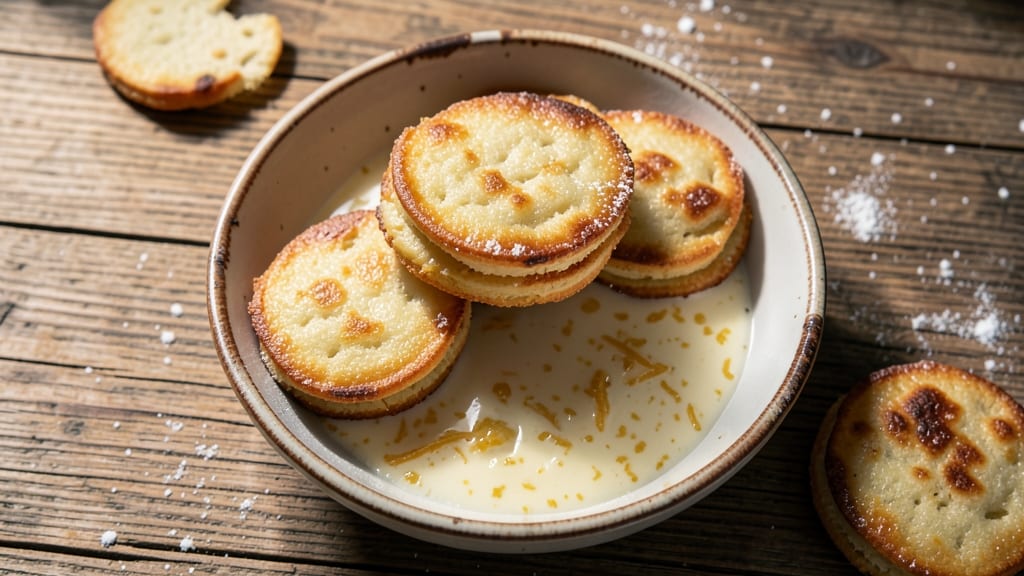
This potato biscuit recipe delivers the flaky, buttery layers that make them worth every bite—no shortcuts, just precise technique and quality ingredients. The secret lies in cold butter and proper layering, which create those signature shatteringly crispy edges and tender centers.
I've perfected this method after years of testing, ensuring each biscuit rises perfectly and maintains its structure even after baking.
The beauty of these biscuits is their simplicity—just six core ingredients transform into golden, pillowy layers that disappear faster than you can say "gravy."
What sets them apart is the method: cutting in cold butter until pea-sized crumbles form, then folding in just enough liquid to bind without overworking the dough. This careful balance is what guarantees restaurant-quality results at home.
By the time they emerge from the oven, you'll have biscuits with crisp, caramelized tops and soft, melt-in-your-mouth interiors that practically dissolve on your tongue. The aroma alone will have everyone at the table asking for seconds.
These aren't just any biscuits—they're the kind that elevate any meal from ordinary to exceptional.
Whether you're serving them with breakfast sausage, holiday ham, or a hearty beef stew, these biscuits will become your new standard. Here's how to achieve that perfect texture every time—no flops, just foolproof flakiness.
Ingredients for potato biscuit
Six ingredients, perfect flaky layers—no shortcuts, just foolproof buttery magic.
| Ingredient | Amount | Notes |
|---|---|---|
| All-Purpose Flour 🌾 | 2 cups | Sifted for light texture |
| Cold Unsalted Butter 🧈 | ½ cup | Cut into small cubes |
| Shredded Potatoes 🥔 | 1 cup | Russet potatoes, skin removed |
| Buttermilk 🥛 | ¾ cup | Room temperature preferred |
| Baking Powder 🧂 | 1 tbsp | Freshly measured |
| Salt 🧂 | ½ tsp | Fine sea salt |
The butter is non-negotiable here—cold, unsalted cubes are key for those signature layers. Grab the European-style butter from Whole Foods or Trader Joe's if you want extra richness, but regular unsalted works fine. That said, never let it soften—cut it into pea-sized pieces right before mixing. The potatoes? Russet is your best bet—they're starchy enough to bind without gummy texture. If you're in a rush, instant potatoes work (just add hot water to rehydrate), but fresh is always better.
No buttermilk? Mix 3/4 cup milk with 1.5 tsp vinegar or lemon juice—let it sit 5 minutes. Short on baking powder? Baking soda plus cream of tartar at a 1:2 ratio works, but test your leavening first. The flour matters too—King Arthur or Gold Medal brands are your friends here. They're finely milled and consistent. No sifter? Use a whisk in a fine-mesh strainer—works just as well. And if you're feeling fancy, add a pinch of cornstarch (1/2 tsp) to your flour for extra tenderness.
This dough is temperamental—handle it like you would a baby. Chill it 15 minutes before rolling, and don't overwork it. The biscuits keep for 2 days in an airtight container, but honestly? They're best eaten fresh. Freeze extras on a tray first, then transfer to a bag for up to 3 months. Reheat in a 350°F oven for 5-10 minutes—they'll taste like they just came out of the oven. Pro tip: Wrap them in foil before reheating to keep them soft.
Why You'll Love This Recipe
- No Fuss, No Stress: I swear by this recipe when I’m too tired to measure ingredients precisely. Just toss the shredded potatoes into the flour-butter mix, fold in the buttermilk, and let the baking powder do the rest—no rolling, no fuss, no stress.
- That Crispy-Creamy Magic: The cold butter cubes melt into flaky layers while the potatoes add this unexpected moisture that keeps them tender. Honestly? It’s the kind of texture that makes you reach for seconds without thinking.
- Breakfast or Dinner Fix: Serve them warm with fried eggs and bacon for a lazy weekend brunch, or pile them high with chili and sour cream for a hearty weeknight dinner. Same dough, endless possibilities—my go-to for when I can’t decide what to make.
Step-by-step instructions for potato biscuit recipe
Here's how to make flaky, golden biscuits with a secret potato boost for that perfect shatter.
Prep the Dough for Maximum Flakiness
In a large mixing bowl, combine the 2 cups all-purpose flour, 1 tablespoon baking powder, and ½ teaspoon salt. I like to whisk these dry ingredients together first—they need to be fully aerated before adding moisture. This creates pockets of air that will become those signature layers when baked.
Next, cut the ½ cup cold unsalted butter into small cubes (about the size of a pea) and add them to the dry mixture. Using your fingers or a pastry cutter, work the butter into the flour until the mixture resembles coarse crumbs with pea-sized butter pieces still visible. This cold butter is key—it creates steam during baking, which lifts the layers. If the butter starts to melt, pop the bowl in the fridge for 5 minutes to firm it up again.
Incorporate the Potatoes and Buttermilk
Add the 1 cup shredded potatoes to the butter-flour mixture. The potatoes might seem like an odd addition, but they're what give these biscuits their signature tender, melt-in-your-mouth texture. Use your fingers to break up any large potato chunks and distribute them evenly throughout the dry ingredients.
Make a well in the center and pour in the ¾ cup buttermilk. Using a wooden spoon, gently stir until just combined—you're looking for a shaggy, sticky dough that holds together when pressed. Overmixing develops gluten, which makes biscuits tough. If the dough seems too dry, add 1-2 teaspoons more buttermilk. It should feel like damp sand when you squeeze it—if it crumbles, you need more liquid.
Turn and Handle the Dough Gently
Turn the dough out onto a lightly floured surface and knead it 3-4 times just until it comes together. You're not trying to develop gluten here—think of it more like gathering the dough than working it. Pat it into a 1-inch thick rectangle and fold it in half like a book. Fold it in half again, then cut the dough into 4 equal squares. This layering technique ensures those flaky layers in every bite.
Place the dough squares on a parchment-lined baking sheet, spacing them about 1 inch apart. They don't need to be perfect—just handle them gently to maintain their structure. If the dough feels too sticky to handle, wet your hands slightly with cold water and dip them in flour as needed. The goal is to keep the cold butter intact as much as possible.
Bake Until Golden and Shatter-Prone
Preheat your oven to 425°F while you prepare the biscuits. Once hot, bake for 12-15 minutes until the tops are deep golden brown and the edges are crisp. You'll know they're done when they pull away slightly from the sides of the pan and sound hollow when tapped on the bottom.
Here's the pro tip: Don't open the oven door during baking. The sudden temperature change can cause the biscuits to deflate. If you peek, do it quickly and minimize the time the door's open. When they're done, transfer them to a wire rack to cool for 5 minutes—they'll firm up as they cool, making them easier to handle. Serve warm with honey butter or gravy for the ultimate comfort food experience.
Pro Tips For Making Potato Biscuit
- Squeeze Dry the Potatoes: DESCRIPTION: Drain those shredded potatoes, then wrap them in a clean kitchen towel and give them a good squeeze—like you’re wringing out a damp sock. Extra moisture in the mix makes biscuits dense and gummy. I learned this the hard way after a batch turned out more like a pancake than a biscuit.
- Cut Butter in Cold: DESCRIPTION: Use cold, unsalted butter straight from the fridge, and cut it into the flour in small, pea-sized pieces—not big chunks. Warm butter melts too fast, and you’ll end up with a dough that’s more paste than flaky layers. Trust me, your biscuits will thank you with crispy, buttery edges.
- Skip Overmixing the Dough: DESCRIPTION: Stir the buttermilk and potatoes into the flour just until combined—maybe 10-12 strokes max. Overmixing develops the gluten, and suddenly you’ve got tough, chewy biscuits instead of tender, melt-in-your-mouth ones. Resist the urge to "fix" the dough; it’s fine with a few lumps.
- Press, Don’t Roll: DESCRIPTION: Use a glass or your palm to press the dough into the pan—don’t roll it out. Rolling flattens the butter too much, killing the flaky texture. Pressing keeps pockets of butter trapped, so you get those golden, crispy layers. It’s less pretty but way more satisfying.
Make-ahead tips for potato biscuit
Dough Prep Ahead
Make the dough up to 24 hours ahead—this gives the flour time to hydrate properly and the butter to chill fully. After mixing all ingredients, shape the dough into a rectangle, wrap tightly in plastic wrap, and refrigerate.
When ready to bake, let it sit at room temperature for 10-15 minutes before handling. The cold dough is easier to work with and prevents butter melting prematurely. 🥶
Shaping in Advance
Cut the dough into squares and place them on a parchment-lined tray, but don't bake yet. Cover with plastic wrap and refrigerate for up to 12 hours. When you're ready to bake, pull them out and let them warm to room temperature for 20 minutes.
This method keeps the butter cold and prevents over-handling. I often do this the night before for morning breakfast biscuits.
Freezing Unbaked Dough
For long-term prep, shape the dough squares and freeze them on a parchment-lined tray for 1 hour until firm. Transfer to a ziplock freezer bag with parchment between layers to prevent sticking. They'll keep for 3 months.
When ready to bake, remove as many as you need and let them thaw in the fridge overnight. Bake straight from frozen at 425°F for 18-20 minutes—they'll still turn out golden and flaky. ❄️
Baked Biscuits Storage
Cool completely before storing. Place in an airtight container with parchment paper between layers to prevent sogginess. They'll stay fresh at room temperature for 2 days or in the fridge for 5 days.
For longer storage, wrap individually in foil and freeze for up to 3 months. Reheat in a 350°F oven for 8-10 minutes—they'll taste almost as good as fresh!
Reheating Perfection
For crispy edges, reheat in a skillet over medium heat for 2-3 minutes per side. For softer biscuits, wrap in foil and warm in the oven. The key is 5-10 minutes max—any longer and they'll dry out.
I like to brush the tops with melted butter right before reheating for that fresh-from-oven flavor. 🔥
Batch Baking Tips
Prep all your dough and freeze extras, but only bake what you need. The oven holds 4 biscuits at a time—space them properly to allow heat circulation. If you're making a big batch, use two trays and rotate them halfway through baking.
This ensures even browning and prevents the oven from getting too crowded. Trust me, your future self will thank you when you're serving a crowd. 💫
Nutrition facts
Frequently asked questions
Why do these potato biscuits have a different texture than regular biscuits?
The shredded potatoes add moisture and tenderness that regular biscuits lack. The starch in potatoes creates a melt-in-your-mouth quality while keeping the layers flaky. Plus, the cold butter technique ensures those signature crispy edges without sacrificing softness inside.
Can I substitute buttermilk if I don't have any?
Mix ¾ cup milk with 1.5 teaspoons vinegar or lemon juice, then let it sit for 5 minutes until slightly thickened. This homemade buttermilk works just as well and gives the same tangy flavor.
How do I fix dough that's too sticky or crumbly?
If the dough is too sticky, add 1 teaspoon flour at a time until it holds together. For crumbly dough, mix in 1-2 teaspoons buttermilk until it forms a shaggy dough that sticks when pressed. The key is finding that perfect balance—damp sand consistency is ideal.
Should I bake these at a higher temperature for crispier biscuits?
Stick with 425°F—this is the perfect temperature for even baking and crispy edges. Higher temps risk burning the tops before the centers cook through. For extra crispiness, bake for 1-2 minutes longer until the edges are golden brown.
Can I make these biscuits gluten-free?
Traditional potato biscuits rely on gluten for structure, but you can try a 1:1 gluten-free flour blend with ½ teaspoon xanthan gum. Expect a denser texture, and add 1 extra tablespoon buttermilk to help bind the dough. Test small batches first—they won't be identical, but they'll still be delicious!