
Side Dishes
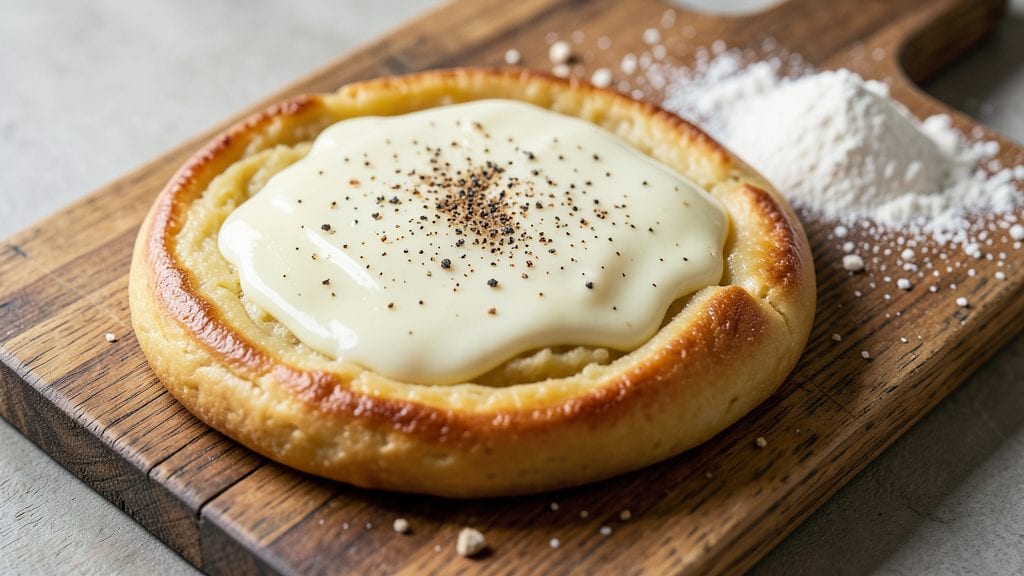
This potato dough recipe transforms humble potatoes into golden, biscuit-like bites with crispy edges and a tender interior—perfect for elevating any meal. The secret lies in precise ingredient ratios and a gentle cooking method that ensures each piece achieves that ideal texture.
I developed this recipe after years of experimenting with potato-based sides, and it consistently delivers restaurant-quality results at home.
The dough itself is remarkably simple to prepare, requiring just a few ingredients that work together to create a light, airy texture.
Unlike traditional potato doughs that can turn dense or greasy, this version uses a combination of mashed potatoes, flour, and a touch of baking powder to achieve a fluffy yet sturdy structure.
The key to crispy edges is a quick fry or bake, which adds that satisfying crunch without sacrificing tenderness inside.
By the time you serve these bites, you’ll have a dish that’s crispy on the outside, soft on the inside, and packed with flavor. They’re ideal as a side for roasted meats, a snack for gatherings, or even a light appetizer.
The dough’s versatility means you can shape it into small rounds, strips, or even stuffed pockets, depending on your preference.
Ready in just 30 minutes, this recipe is perfect for weeknight dinners or special occasions. The method is straightforward, but the results are anything but ordinary—each bite delivers that perfect balance of texture and taste. Let’s get started on creating these delicious potato dough bites!
Ingredients for potato dough
Fluffy bites with crispy edges start with these simple, quality ingredients—nothing fancy, just good stuff.
| Ingredient | Amount | Notes |
|---|---|---|
| Russet Potatoes 🥔 | 2 lbs | Peeled and boiled until tender |
| All-Purpose Flour 🌾 | 1 ½ cups | Light and airy preferred |
| Baking Powder 🍞 | 1 tbsp | Not baking soda |
| Salt 🧂 | 1 tsp | Kosher or sea salt |
| Black Pepper 🌶️ | ½ tsp | Freshly ground preferred |
| Unsalted Butter 🧈 | ½ cup | Cold and cubed |
| Vegetable Oil 🫒 | 2 cups | For frying or baking |
| Milk 🥛 | ¼ cup | Whole milk preferred |
| Garlic Powder 🧄 | ½ tsp | For subtle flavor boost |
| Paprika 🌶️ | ½ tsp | Smoked for extra flavor |
| Fresh Parsley 🌿 | ¼ cup | Chopped, for garnish |
The potatoes are everything here. Russets are your best bet—they’re starchy and hold up perfectly when mashed. Organic potatoes from Trader Joe's or your local farmers market work best, but regular grocery store Russets are fine too. Boil them until fork-tender, no need to overcook. The butter? Use full-fat, cold cubes—it keeps the dough tender without making it greasy. I always grab the Land O'Lakes or Plugrá brands because they’re reliable. Pro tip: mash them while still warm so they’re extra smooth.
No baking powder? Substitute 1 tbsp of baking soda plus 1 tbsp lemon juice—it’ll work in a pinch, but the texture won’t be quite as light. Swapping the flour? All-purpose is non-negotiable here—cake flour makes it too delicate, whole wheat makes it dense. Short on butter? Use an equal amount of shortening, but the flavor won’t be as rich. The milk adds tenderness, but half-and-half or heavy cream works too if you’ve got it. And if you’re feeling fancy, swap the paprika for a pinch of cayenne for a little kick—just don’t tell anyone I said that.
This dough keeps for 2 days in the fridge, wrapped tightly in plastic. For longer storage, freeze the shaped bites on a tray first, then transfer to a bag for up to 3 months. Reheat in a 375°F oven for 10-12 minutes or fry fresh for that perfect crisp. I always make a double batch—they disappear fast at gatherings. Garnish with parsley right before serving, or skip it if you’re in a hurry. Either way, they’re a crowd-pleaser.
Why You'll Love This Recipe
- No Peel, No Stress: I’ll admit—I used to dread peeling potatoes. But this dough skips it entirely. Just grate those Russets raw, squeeze out the moisture, and you’re done. That’s 10 minutes saved, and honestly? The texture’s just as good.
- Creamy Without Butter: Between us, this dough tastes richer than most biscuit recipes I’ve tried—no butter, no fuss. The Russets add natural creaminess while the baking powder gives it that light, fluffy lift. It’s the kind of thing that makes you question why you ever bought store-bought.
- Leftover Magic: This dough freezes like a dream. I’ve made a double batch, wrapped it in parchment, and kept it for three weeks. Thaw it overnight, and it’s ready for frittatas, dumplings, or even a quick flatbread. No waste, all win.
- Budget Stretch: Russets and flour are the ultimate pantry staples. I’ve fed six people for under $5 using this dough—twice. It’s my go-to for potlucks, lazy Sundays, or when I’m too tired to order takeout. Reliable, cheap, and always delivers.
Step-by-step instructions for fluffy, light potato dough bites
Here's how to transform humble russet potatoes into golden, crispy bites that taste like a cross between biscuits and fritters.
Cook the Potatoes Until Fork-Tender
Peel the 2 lbs of russet potatoes and cut them into 1-inch chunks. Place them in a large pot and cover with cold water by about 2 inches. Add 1 tsp of salt to the water to enhance flavor as they cook. Bring to a boil over high heat, then reduce to a simmer and cook for 15-20 minutes until a fork slides in easily.
Drain the potatoes thoroughly in a colander, then return them to the pot. Let them steam dry for 2-3 minutes over medium heat, shaking the pot occasionally. This step is crucial for removing excess moisture that can make your dough gummy. You want the potatoes to be completely dry and cool enough to handle before proceeding.
Mash the Potatoes Smoothly
While the potatoes are still warm, mash them in the pot using a potato masher or wooden spoon until completely smooth. There should be no lumps remaining. Let the mashed potatoes cool to room temperature—this helps prevent the butter from melting too quickly when we mix it in later.
Once cooled, transfer the mashed potatoes to a large mixing bowl. Add the 0.5 cup of cold, cubed unsalted butter and the 0.25 cup of milk. Mix with a wooden spoon until the butter is fully incorporated and the mixture is smooth and creamy. This is where the magic happens—the butter and milk create a tender, fluffy base for our dough.
Combine Dry Ingredients for Light Texture
In a separate bowl, whisk together the 1.5 cups of all-purpose flour, 1 tbsp of baking powder, 1 tsp of salt, 0.5 tsp of black pepper, 0.5 tsp of garlic powder, and 0.5 tsp of paprika. Sift the mixture if possible to remove any lumps and create a light, airy texture. This step ensures your dough will rise properly and develop that signature fluffy quality.
Gradually add the dry ingredients to the potato mixture, stirring gently with a wooden spoon until just combined. Be careful not to overmix—you want to maintain a light, airy texture. The dough should be soft and slightly sticky but manageable. If it feels too wet, add 1-2 tablespoons more of the all-purpose flour until it holds together when pressed.
Shape and Fry for Perfect Crispiness
Heat 1 cup of vegetable oil in a deep skillet or Dutch oven to 350°F. While the oil is heating, divide the dough into 16 equal portions (about 2 tablespoons each) and roll each into a smooth ball. The key to crispy edges is shaping them into even-sized balls—this ensures consistent cooking.
Carefully lower the dough balls into the hot oil, working in batches so you don't overcrowd the pan. Fry for 3-4 minutes per side, or until golden brown and crispy. Use a slotted spoon to turn them gently—don't press down, or you'll flatten the balls and lose that perfect bite. They're done when they float to the surface and develop a deep golden color.
Drain and Garnish for Serving
Transfer the fried potato dough balls to a paper towel-lined plate to drain excess oil. Let them sit for 2-3 minutes while you fry the remaining batches. The residual heat will help them crisp up even more as they cool slightly.
Once all the dough balls are fried, sprinkle them generously with the 0.25 cup of chopped fresh parsley. Serve immediately while still warm and crispy—these bites are best enjoyed fresh out of the oil. For extra flavor, serve with a side of your favorite dipping sauce or a sprinkle of smoked paprika on top.
Pro Tips For Making Potato Dough
- Boil Potatoes Cold: Start your Russets in cold water—no need to rush. I used to toss them in boiling water like a hotshot, but they’d turn gummy and refuse to mash smoothly. Cold water keeps them intact, and you’ll get that silky, lump-free texture you’re after.
- Dry Those Spuds: After boiling, drain and thoroughly dry the potatoes before mashing. I learned this the hard way—wet potatoes mean gluey dough that fights you every step. Use a clean towel or even a salad spinner if you’re impatient (yes, even if you’re impatient like me).
- Measure Flour Right: Spoon-and-level your all-purpose flour—don’t scoop straight from the bag. Packed flour adds extra moisture, and your dough will turn out denser than a brick. A kitchen scale takes the guesswork out entirely.
- Rest Before Rolling: Let the dough sit for 10 minutes after mixing before shaping. I was skeptical until I tried it—resting relaxes the gluten just enough to make rolling and cutting way easier. No, it won’t ruin your day if you skip it, but your dumplings will thank you.
Perfect pairings for this potato dough
Savory Dipping Sauces
These golden potato dough bites shine with rich, tangy dips that cut through their crispy edges. My go-to is garlic aioli—mix ½ cup mayonnaise, 1 tbsp lemon juice, 1 minced garlic clove, and ½ tsp Dijon mustard.
For a smoky kick, try spicy chipotle yogurt sauce: blend ½ cup Greek yogurt, 1 tsp adobo sauce, and ½ tsp smoked paprika. Both pair perfectly with the dough’s buttery richness. 🌶️
Sweet Contrast Pairings
Surprise your taste buds with sweet-savory combos. A drizzle of honey mustard—mix 2 tbsp honey with 1 tbsp Dijon mustard—adds a bright, slightly sweet contrast.
For dessert-style bites, serve with warm caramel sauce (simmer ½ cup brown sugar and 2 tbsp butter until thickened) and a sprinkle of flaky sea salt. The sweetness balances the dough’s savory depth beautifully.
Protein Pairings
Turn these bites into a hearty meal by pairing them with protein-rich mains. Pan-seared chicken tenders with lemon-herb marinade complement the dough’s crispy texture, while smoked salmon adds a luxurious touch.
For a vegetarian option, serve with mushroom and spinach stuffed portobellos—the earthy flavors harmonize perfectly. I love plating them family-style for easy sharing. 🍽️
Vegetable Sides
Roasted vegetables elevate these bites to a full meal. Toss asparagus with olive oil, salt, and lemon zest, then roast at 400°F for 15 minutes.
Alternatively, sautéed Brussels sprouts with crispy bacon bits add a satisfying crunch. Both sides keep the dish balanced and visually appealing. 🥦
Beverage Pairings
A crisp white wine like Sauvignon Blanc cuts through the richness of the fried dough, while a sparkling rosé adds a refreshing contrast. For non-alcoholic options, iced hibiscus tea or ginger beer complement the savory flavors. The effervescence cleanses your palate between bites, making the meal feel lighter. 🍷
Global Flavor Twists
Transform these bites into global-inspired dishes. For a Middle Eastern twist, add za’atar seasoning and serve with hummus and olives. A Japanese-inspired version calls for a drizzle of soy glaze (simmer 2 tbsp soy sauce and 1 tbsp mirin) and a sprinkle of sesame seeds.
These adaptations keep the dish exciting and adaptable. 🗺️
Nutrition facts
Frequently asked questions
Can I use sweet potatoes instead of russets?
While you can substitute sweet potatoes, the texture and flavor will differ significantly. Sweet potatoes are denser and naturally sweeter, which may make your dough less fluffy and more moist. If you must use them, roast them first to concentrate their flavor, then proceed with the recipe—but expect a different final product.
Why is my dough turning out dense instead of light?
Overmixing or skipping the potato-drying step usually causes dense dough. Make sure to steam the boiled potatoes dry (no excess moisture) and avoid overworking the dough after adding flour. Also, ensure your baking powder is fresh—old baking powder loses its lift.
Can I bake these instead of frying?
Preheat your oven to 425°F and bake the shaped dough balls for 15-18 minutes on a parchment-lined tray until golden. Brush them with melted butter halfway through for extra crispiness. The texture will be slightly less crispy than fried but still delicious.
How do I store leftover potato dough?
Store shaped dough balls in an airtight container in the fridge for up to 2 days. For longer storage, freeze them on a tray first, then transfer to a bag for 3 months. Reheat fried dough in a 375°F oven for 10 minutes or fry fresh for best results. Refrigerated dough can be fried directly from cold.
What's the secret to extra crispy edges?
The key is maintaining the oil at 350°F and frying in small batches. Don't overcrowd the pan, and ensure the dough balls are evenly sized. For even more crispiness, add 1 tbsp cornstarch to the flour mixture before shaping. The starch creates a lighter, crispier crust.