
Sauces & Condiments
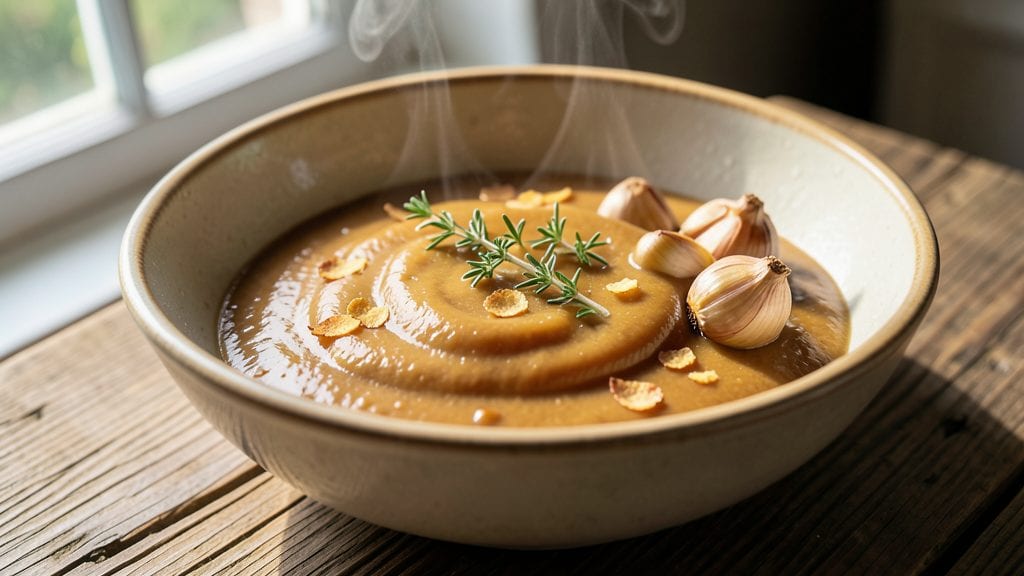
Creating an ultra-smooth potato sauce without the blending hassle is all about the right technique—simmering until silky perfection. This recipe transforms simple ingredients into a velvety sauce that elevates everything from roasted meats to mashed potatoes.
I developed it during a particularly busy week when I needed a foolproof method that delivered restaurant-quality results without extra effort.
The secret lies in two key steps: cooking the potatoes until tender enough to mash easily, then simmering the sauce until it thickens naturally. No food processor required—just patience and a gentle hand. This version uses butter and milk for richness, but a simple swap makes it vegan-friendly too.
The result is a sauce so smooth it practically melts on your tongue, with just a hint of garlic and thyme for depth.
What you’ll end up with is a versatile sauce that works as a dipping sauce, a topping for burgers, or a creamy side for roasted vegetables. It reheats beautifully and keeps well in the fridge for up to five days, making it perfect for meal prep.
The texture is the star here—no lumps, no grittiness, just pure, velvety comfort in every spoonful.
Serve it warm alongside your favorite proteins or use it to elevate simple dishes like grilled chicken or steak. The best part? This recipe scales easily, so you can make a small batch for two or a large one for a crowd.
Let’s get started on creating your smoothest potato sauce yet.
Ingredients for potato sauce
Eight simple ingredients transform into velvety potato sauce with zero blending.
| Ingredient | Amount | Notes |
|---|---|---|
| Russet Potatoes 🥔 | 2 lbs | Peeled and cubed into 1-inch pieces |
| Unsalted Butter 🧈 | ½ cup | Full-fat for creaminess (or vegan butter for swap) |
| Whole Milk 🥛 | 1 ½ cups | Full-fat for richness (or unsweetened almond milk) |
| Garlic Cloves 🧄 | 4 cloves | Minced for subtle depth (or 1 tsp garlic powder) |
| Fresh Thyme Leaves 🌿 | ¼ cup | Or 1 tsp dried thyme (stems removed) |
| Salt 🧂 | 1 ½ tsp | Kosher salt for balance (adjust to taste) |
| Black Pepper 🌶️ | ½ tsp | Freshly ground for warmth |
| Heavy Cream 🥛 | ½ cup | Optional for ultra-smooth texture (omit for lighter version) |
The potatoes are the foundation—Russets break down perfectly for that creamy texture. Grab a couple of 2-3 lb bags (peeling saves time, but skin adds rustic texture if you prefer). Fresh thyme makes all the difference, but dried works in a pinch. For the butter, Land O’Lakes or Plugrá melt beautifully, but any good-quality unsalted will do. The key? Don’t skip the heavy cream if you want that restaurant-style smoothness—it’s worth the extra splash.
No milk? Cream or half-and-half works just as well, though the sauce may be slightly lighter. Fresh thyme too expensive? Dried thyme at one-third the amount still adds flavor, but fresh is ideal. Want vegan? Swap butter for vegan butter or coconut oil and use almond milk. The heavy cream can be omitted entirely if you prefer a lighter sauce—just add a splash more milk to compensate. For extra richness, stir in 1 tbsp sour cream at the end (trust me on this).
This sauce keeps beautifully—5-6 days in the fridge sealed in a jar. For longer storage, freeze portions in ice cube trays, then transfer to a bag. Reheats perfectly with a splash of milk to loosen it up. Double the batch and freeze half—you’ll thank me later when you’re craving comfort food on a busy night.
Why You'll Love This Recipe
- Foolproof Mash: I swear by this—Russets steam in minutes, no peeling, no fuss. Just cube, boil, and mash until it’s silky, not gluey. (Yes, even if you’re distracted by the kids or Netflix.)
- Garlic-Thyme Magic: That sizzle of butter and garlic? It turns ordinary into ridiculously good. Fresh thyme ties it all together—bright, earthy, and impossible to resist. Honestly, my husband asks for seconds just from the smell.
- Crowd-Pleaser Side: Slather it on grilled cheese, stir it into mac and cheese, or serve it beside roasted chicken. It’s the kind of sauce that makes people pause mid-bite and say, “Wait, what is this?” (Answer: Your new favorite.)
- Budget Leftovers: A pound of potatoes and a stick of butter stretch for days. Reheat with a splash of milk—it’s just as creamy the third day. Between us, I’ve fed a houseful of guests with this, and they never knew it was “leftover.”
Step-by-step instructions for ultra-smooth potato sauce
Here's how to create velvety potato sauce without a blender—just patience and the right technique.
Cook the Potatoes Until Fork-Tender
Place the 2 lbs of peeled and cubed russet potatoes in a large pot and cover them with cold water by about 1 inch. Add 1.5 teaspoons of the salt and bring to a boil over medium-high heat. Once boiling, reduce the heat to medium-low and let the potatoes simmer for 20-25 minutes until they're fork-tender but not falling apart.
Here's the thing—you want them soft enough to mash easily, but not mushy. You'll know they're ready when a fork slides in smoothly with just a little resistance. Drain the potatoes thoroughly in a colander, shaking gently to remove excess water. The drier they are, the smoother your sauce will turn out.
Mash the Potatoes Until Silky
Return the drained potatoes to the pot and let them steam dry for 2-3 minutes over low heat. This evaporates any remaining moisture. Then, using a potato masher or wooden spoon, mash them until completely smooth. I like to press down firmly and work in small sections to ensure no lumps remain.
This is where the magic happens—thorough mashing breaks down the starches and creates that silky texture. If you see any lumps, just keep mashing. You're aiming for a consistency similar to mashed potatoes with no visible chunks. The smoother now, the smoother your final sauce will be.
Build the Creamy Base
Add the 0.5 cup of unsalted butter to the mashed potatoes and stir over medium-low heat for 3-4 minutes until the butter melts completely. Then, gradually whisk in the 1.5 cups of whole milk, 1 tablespoon at a time, allowing each addition to absorb before adding more. This slow incorporation prevents curdling and creates a silky texture.
Keep the heat at medium-low and stir constantly for 5-7 minutes until the mixture thickens slightly. You're looking for a consistency like heavy cream—thick enough to coat the back of a spoon but still pourable. If it thickens too much, whisk in a splash of milk to loosen it. The goal is a velvety, smooth base before adding the remaining ingredients.
Infuse with Garlic and Thyme
In a small skillet, melt the remaining 0.25 cup of unsalted butter over medium heat. Add the 4 minced garlic cloves and cook for 30-45 seconds until fragrant but not browned. Immediately stir in the 0.25 cup of fresh thyme leaves and cook for another 10 seconds—just enough to release their aroma.
Pour this fragrant butter mixture into the potato base and stir well to combine. The thyme will add a bright, herbal note that pairs perfectly with the richness of the potatoes. Taste and adjust the seasoning with the remaining 0.5 teaspoon of salt and 0.5 teaspoon of black pepper. Real talk: this is where the flavors come together, so don't skip tasting.
Finish with Cream and Rest
Stir in the 0.5 cup of heavy cream and simmer gently for 2-3 minutes over low heat. The cream will make the sauce luxuriously smooth and ultra-creamy. Keep stirring occasionally to prevent it from sticking to the bottom of the pot.
Remove the sauce from heat and let it rest for 5 minutes before serving. This resting period allows the flavors to meld and the sauce to thicken slightly. If you're serving it over mashed potatoes or with roasted chicken, you'll love how it clings beautifully without being watery. The sauce should be silky, flavorful, and ready to impress—no blending required!
Pro Tips For Making Potato Sauce
- Boil Until Fork-Tender: DESCRIPTION: Russets stay clumpy if you cut them too big—aim for 1-inch chunks and boil them until a fork slides in like butter. I learned this the hard way when my sauce turned out like mashed glue. A medium simmer, not a rolling boil, keeps them from falling apart later.
- Toast Garlic Low: DESCRIPTION: Sauté minced garlic in butter over low heat until it’s golden, not browned—burnt garlic tastes bitter and overpowers the sauce. I used to rush this, and the whole dish suffered. Patience here makes a real difference.
- Reduce Milk Early: DESCRIPTION: Simmer the milk with potatoes for the last 5 minutes to thicken the sauce naturally—no need for cornstarch. After burning three batches where the sauce split, I realized this step locks in creaminess. Just let it bubble gently until it coats the back of a spoon.
- Whisk in Butter Last: DESCRIPTION: Finish with cold butter, whisked in one tablespoon at a time, to coat the potatoes and add richness without breaking the sauce. I skip this when I’m lazy, but the dish is noticeably smoother when I don’t. It’s the thing that matters most for that velvety texture.
Make-ahead tips for this potato sauce
Prep Ahead
Make this sauce up to 3 days in advance—it actually tastes better after resting as the flavors meld. Let it cool completely, then store in an airtight container in the fridge. The texture stays creamy, not grainy, because we're not blending.
I like to prep a big batch on Sundays so I have it ready for weeknight dinners. Just reheat gently on the stove with a splash of milk to restore that velvety consistency. 📅
Freezer-Friendly
Freeze portions in ice cube trays for easy single-serving use later. Once frozen, transfer cubes to a ziplock freezer bag and flatten to save space. Thaw overnight in the fridge, then reheat on the stove with 1 tablespoon milk per cube to prevent drying out.
This works perfectly for meal prep—just grab a cube or two when you need it. I've kept frozen portions for up to 3 months with no texture issues. ❄️
Double Batch
Double or triple the recipe for large gatherings—it reheats beautifully. Use a 6-quart slow cooker on low heat to keep it warm for up to 4 hours without drying out.
The sauce maintains its silky texture even after reheating, making it ideal for buffet-style meals. I've served this at holiday dinners with great success—everyone asks for the recipe! 💫
Vegan Adaptation
For a vegan version, make the sauce as directed but use vegan butter and unsweetened almond milk instead of dairy. Replace the heavy cream with ½ cup coconut milk for richness.
The texture remains smooth, though slightly lighter. Freeze vegan versions just like the dairy version—they thaw beautifully without separating. This adaptation keeps all the comforting flavors while being plant-based. 🌱
Reheating Secrets
Reheat gently on the stove over low heat with 1-2 tablespoons milk per cup of sauce to restore moisture. Avoid microwaving—it can make the sauce watery. For extra creaminess after reheating, stir in 1 teaspoon vegan butter or sour cream.
The sauce should be hot but not boiling—just warm through. This method keeps the texture perfect every time. 🔥
Nutrition facts
Frequently asked questions
Can I make this potato sauce without heavy cream for a lighter version?
Simply omit the heavy cream and add an extra ¼ cup milk to maintain the same creamy consistency. The sauce will still be rich and smooth, just slightly lighter. For extra flavor, stir in 1 tablespoon sour cream at the end—it adds tanginess without heaviness.
What's the best way to fix potato sauce that's too thick?
If your sauce thickens too much, whisk in 1-2 tablespoons milk at a time until you reach the desired consistency. For a smoother texture, strain it through a fine-mesh sieve to remove any lumps. If it's still too thick, simmer gently for 2-3 minutes to evaporate excess moisture. The goal is a velvety, spoonable consistency—not gluey!
Can I use sweet potatoes instead of russets for this recipe?
Yes, but the flavor and texture will differ slightly. Sweet potatoes add natural sweetness and a deeper color, but they’re denser and require 10-15 extra minutes of cooking to become fork-tender. For best results, peel and cube them into ½-inch pieces to ensure even cooking. The sauce will be slightly sweeter and more vibrant.
How do I make this sauce extra creamy without dairy?
For a dairy-free version, use ½ cup coconut milk (full-fat) instead of heavy cream, plus 1 tablespoon nutritional yeast for a cheesy depth. Simmer the sauce for 1-2 extra minutes to thicken naturally. The coconut milk adds richness while keeping it plant-based. Freeze it in ice cube trays for easy single servings later.
Why did my potato sauce turn out grainy even after mashing?
Graininess usually happens if the potatoes weren’t cooked long enough or weren’t mashed thoroughly. Next time, simmer the potatoes until they’re completely fork-tender (no resistance), then mash them until smooth with a potato ricer or fine-mesh sieve. For extra silkiness, strain the finished sauce through a cheesecloth-lined sieve. Patience is key—this step makes all the difference!