
Side Dishes
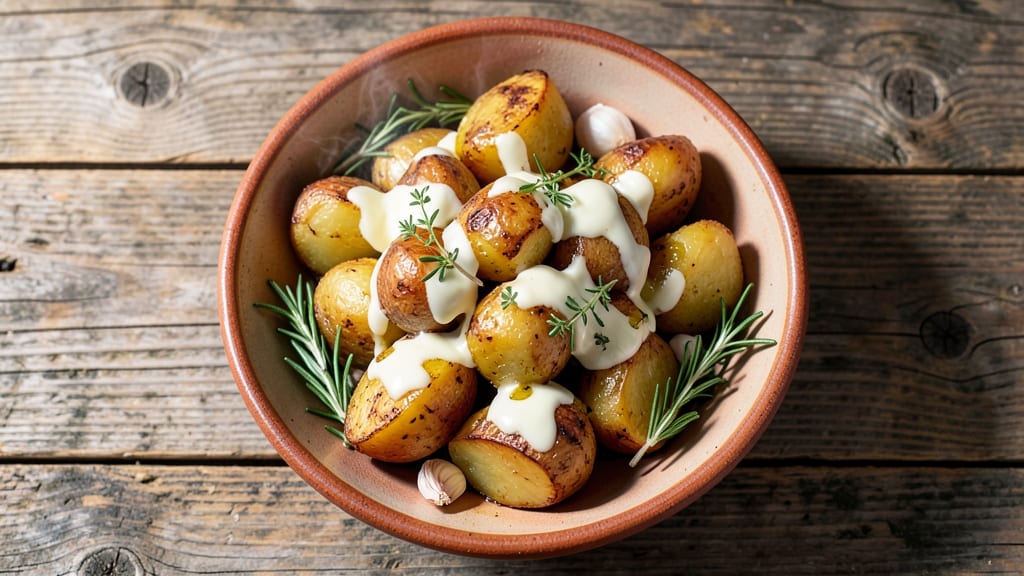
This potato side recipe transforms humble spuds into a golden, caramelized masterpiece that steals every meal. The secret lies in high-heat roasting with garlic-herb butter, creating crispy edges that shatter like autumn leaves while keeping the centers tender.
I perfected this after years of testing—no one leaves seconds in the pan.
What makes this recipe stand out is the foolproof technique: cut potatoes evenly (no peeling needed), toss with olive oil and herbs, then roast until edges caramelize to a deep amber.
The garlic-herb butter infuses flavor without overpowering, while a sprinkle of flaky salt at the end elevates everything. Ready in just 45 minutes, it’s perfect for weeknight dinners or holiday tables.
Imagine a platter of perfectly golden potatoes with crispy edges that crumble at the touch—each bite delivers buttery richness, aromatic herbs, and that satisfying caramelized crunch.
The aroma alone will have everyone gathering at the table. This side pairs beautifully with roasted meats, grilled fish, or even as a vegetarian main.
Once you try this method, you’ll never settle for bland boiled potatoes again. The key is patience—don’t rush the roasting—and using high-quality butter for that restaurant-quality finish. Here’s how to make it every time.
Ingredients for potato side
Nine essential ingredients elevate simple potatoes into a restaurant-quality side dish.
| Ingredient | Amount | Notes |
|---|---|---|
| Yukon Gold Potatoes 🥔 | 3 lbs | Cut into 1.5-inch cubes, skin-on |
| Unsalted Butter 🧈 | ½ cup | Cold, cubed for even coating |
| Garlic Cloves 🧄 | 6 cloves | Minced, skin-on for extra flavor |
| Fresh Rosemary 🌿 | ¼ cup | Finely chopped, stems removed |
| Fresh Thyme Leaves 🌿 | 1 tbsp | Or 1 tsp dried thyme |
| Extra-Virgin Olive Oil 🫒 | 3 tbsp | Light, fruity variety preferred |
| Flaky Sea Salt 🧂 | 1 ½ tsp | Diamond Crystal preferred |
| Ground Black Pepper 🌶️ | ½ tsp | Freshly cracked preferred |
| Granulated Garlic 🧄 | ½ tsp | For extra garlic flavor |
The Yukon Gold potatoes are non-negotiable—their creamy texture and golden hue make all the difference. Buy them fresh from a specialty grocer like Whole Foods or your local market, where they're typically sold in mesh bags for better air circulation. If you can't find Yukon Golds, Russets work as a substitute, though they'll be slightly drier. The butter should be high-fat, unsalted (like Plugrá or Land O'Lakes) to ensure proper browning. For the herbs, fresh is best—dried thyme can be used at one-third the amount, but fresh rosemary's piney aroma is unmatched. Store your potatoes in a cool, dark place until ready to use, and don't wash them until cutting—the starch helps create crispy edges during roasting.
No fresh rosemary? Substitute with 1 tbsp finely chopped fresh sage or 1 tsp dried rosemary. The olive oil can be swapped for avocado oil if you prefer a higher smoke point, though extra-virgin olive oil adds delicate fruity notes. For a dairy-free option, use coconut oil or vegan butter, though the flavor will differ slightly. If you're short on time, pre-minced garlic from a jar works, but fresh minced garlic releases more flavor. The flaky sea salt is crucial—Diamond Crystal dissolves beautifully and enhances the caramelization process. For extra depth, add a pinch of smoked paprika to the herb mix. Always taste your herbs before using; some brands can be quite potent.
This dish reheats beautifully—simply toss with a pat of butter and 10 minutes at 400°F restores the crispy edges. Store leftovers in an airtight container for up to 5 days, though they're best enjoyed within 2 days for optimal texture. For meal prep, roast an extra batch and freeze portions in a single layer before transferring to a bag. Thaw overnight in the fridge and reheat as directed. The garlic-herb butter mixture can be prepped 1 day ahead and stored in the refrigerator, saving you time on cooking day. When serving, garnish with extra herbs and flaky salt—this finishing touch makes all the difference.
Why You'll Love This Recipe
- One-Pan Magic: I swear by this—just toss the potatoes, garlic, and herbs in one sheet pan, roast, then melt butter over them. No pots, no fuss, and the kitchen stays clean while you actually enjoy cooking.
- Herb-Butter Bliss: That first bite of creamy Yukon Gold with garlic and rosemary melting into the butter? It’s the kind of flavor that makes you pause mid-meal. Honestly, I’ve ruined steaks just to have seconds of these potatoes.
- Weeknight to Dinner Party: Same recipe works for Tuesday dinners or Sunday suppers—just adjust the quantity. My in-laws thought I’d slaved over it at a holiday meal, but it was the same pan I’d used for my lazy Thursday lunch.
- Budget-Friendly Leftovers: Potatoes keep for days, and this recipe costs next to nothing. I’ll make a double batch, reheat them in the oven until crispy again, and still have enough for lunch. Zero waste, maximum satisfaction.
Instructions for buttery garlic-herb roasted potatoes
This method delivers perfectly caramelized edges and tender interiors with a fragrant herb crust.
Prep the Potatoes for Even Cooking
Begin by cutting the 3 lbs Yukon Gold Potatoes into uniform 1.5-inch cubes, leaving the skin intact for texture and flavor. Place them in a large bowl and immediately toss with 3 tablespoons extra-virgin olive oil and 0.5 teaspoon granulated garlic to prevent browning while you prepare the herb mixture. The oil creates a barrier that preserves moisture during the roasting process.
Next, combine the 0.25 cup finely chopped fresh rosemary, 1 tablespoon fresh thyme leaves, 1.5 teaspoons flaky sea salt, and 0.5 teaspoon ground black pepper in a small bowl. This aromatic blend forms the foundation of the flavor profile, so ensure all herbs are finely chopped for even distribution. The flaky sea salt adds both seasoning and a delicate crunch to the finished dish.
Coat and Rest for Optimal Browning
Transfer the potato cubes to a large rimmed baking sheet and spread them in a single even layer, ensuring they don't overlap. This arrangement allows hot air to circulate freely, promoting even browning. Sprinkle the herb mixture evenly over the potatoes, then gently toss to coat them thoroughly. The herbs should cling to each potato cube without clumping.
Add the 0.5 cup cold cubed unsalted butter to the baking sheet and toss again to distribute evenly. The cold butter will melt during roasting, creating a rich, buttery crust. Let the potatoes rest on the baking sheet for 15 minutes at room temperature. This brief rest period allows the seasonings to adhere more effectively and prevents moisture loss when they hit the hot oven.
Roast at High Heat for Caramelization
Preheat your oven to 425°F with the rack positioned in the middle position. This high temperature is essential for achieving the signature caramelized edges. Once preheated, transfer the baking sheet to the oven and roast for 25 minutes, stirring the potatoes once halfway through the cooking time. This stirring ensures even browning and prevents any single potato from overcooking.
After 25 minutes, reduce the oven temperature to 375°F and continue roasting for an additional 20-25 minutes, or until the potatoes are fork-tender with deep golden brown edges. The potatoes should be tender when pierced with a fork but still hold their shape. If they're browning too quickly, tent the baking sheet loosely with aluminum foil to prevent over-browning while they finish cooking.
Finish with Garlic and Rest for Maximum Flavor
Remove the baking sheet from the oven and immediately sprinkle the 6 cloves minced garlic cloves (skin-on) evenly over the potatoes. The residual heat from the potatoes will gently infuse the garlic flavor without burning it. Stir gently to distribute the garlic evenly, then let the potatoes rest on the baking sheet for 5 minutes. This resting period allows the juices to redistribute, ensuring each bite is moist and flavorful.
Transfer the roasted potatoes to a serving platter and serve immediately while still warm. The potatoes should have a deep golden brown crust with tender, buttery interiors and a fragrant aroma from the herbs and garlic. Each bite should deliver a perfect balance of crispy edges and creamy centers, with the herb and garlic flavors melding together beautifully. The dish pairs exceptionally well with grilled meats or as a standalone vegetarian centerpiece.
Pro Tips For Making Potato Side
- CUT EVENLY, COOK UNIFORMLY: Yukon Golds split unevenly? Use a sharp knife to slice them into identical ½-inch rounds—no thick chunks, no paper-thin scraps. I learned this the hard way when my first batch turned out mushy in spots and dry in others. A mandoline helps if you’re impatient, but a steady hand works too.
- SALT THE POTATOES FIRST: Toss the raw Yukon Golds with salt before roasting—about ½ teaspoon per pound. This ensures they’re seasoned through, not just on the surface. (Yes, even if you’re adding salted butter later.) I used to skip this, and the flavor always felt underwhelming.
- LOW AND SLOW FOR GARLIC: Smash the garlic cloves lightly with the flat of your knife before adding them—this releases their oils without turning them to ash. Then, cover the pan with foil and bake at 375°F (190°C) for the first 20 minutes. After burning three batches of bitter garlic, I finally cracked this.
- BUTTER LAST, NOT FIRST: Drizzle the melted butter over the hot potatoes in the final 5 minutes—this creates a glossy, flavor-packed crust instead of a greasy mess. If you add it too early, the butter burns before the potatoes crisp. (Trust me, I’ve seen it happen.)
Wine and beer pairings for these flavors
White Wine Pairings
For these buttery, caramelized potatoes, I reach for a crisp Chardonnay with just a touch of oak—something like a La Crema Sonoma Coast or Kendall-Jackson Vintner’s Reserve. The slight acidity cuts through the richness, while the vanilla and caramel notes from the oak complement the roasted edges beautifully.
If you prefer something lighter, a Sauvignon Blanc from New Zealand—like Oyster Bay—brings bright citrus notes that refresh your palate between bites. 🍷
Red Wine Options
A light-bodied Pinot Noir is my go-to red pairing, especially when serving with grilled chicken or salmon. Look for a Oregon Willamette Valley bottle like Domaine Serene—its red fruit flavors and silky tannins won’t overpower the potatoes.
For something more robust, a Chianti Classico from Tuscany pairs wonderfully with the rosemary and garlic notes, especially if you’ve added a splash of red wine to the herb mixture during prep.
Beer Pairings
When I’m in the mood for beer, I grab a Belgian witbier like Hoegaarden—the coriander and citrus notes balance the buttery richness perfectly. For a local Boston option, Sam Adams Noble Pils offers a crisp, clean finish that cleanses the palate.
If you’re serving these with a hearty steak, a dark lager like Guinness adds a malty depth that complements the caramelized edges. 🍺
Non-Alcoholic Options
Don’t overlook sparkling water with a squeeze of lemon or a ginger beer like Feather’s for a refreshing contrast. For something more substantial, try a cucumber-mint infused water—the coolness and herbal notes echo the rosemary and thyme in the potatoes.
I also love serving these with a chilled hibiscus iced tea for a slightly tart, floral balance that’s especially refreshing during summer meals.
Unexpected Pairing
Here’s a fun twist: Port wine (yes, really!). A small glass of tawny port with its nutty, caramelized notes enhances the roasted flavors and adds a cozy, dessert-like finish. It’s a crowd-pleaser for holiday dinners or when you want to elevate a simple meal into something special.
Trust me, the contrast is magical—just pour a tiny glass to avoid overpowering the dish. 💫
Nutrition facts
Frequently asked questions
Can I use sweet potatoes instead of Yukon Golds?
Sweet potatoes work beautifully, though they'll have a slightly different texture and color. For best results, cut them into 1-inch cubes (they're denser than Yukon Golds) and increase roasting time by 10-15 minutes. The caramelization will still happen, but they'll be slightly softer inside. Try adding ½ teaspoon cinnamon to the herb mix for extra depth.
Why do my roasted potatoes turn out soggy?
Soggy potatoes usually mean one of two things: either they weren't cut evenly (uneven sizes cook at different rates) or they were overcrowded on the baking sheet. Always cut into uniform 1.5-inch cubes and spread in a single layer with space between pieces. Also, make sure your oven is fully preheated—cold spots can cause uneven cooking.
How can I make this dish ahead of time?
This recipe reheats beautifully! Roast the potatoes as directed, then store in an airtight container for up to 5 days at room temperature or 3 months in the freezer. To reheat, spread on a baking sheet and warm at 400°F for 10 minutes, adding a pat of butter and fresh herbs at the end. For freezer prep, roast until just tender (about 20 minutes at 425°F), then finish with garlic after reheating.
What's the secret to getting crispy edges every time?
The magic happens with high heat and proper prep! Start with 425°F for the first 25 minutes, then reduce to 375°F to finish cooking. Use a heavy baking sheet (like a rimmed half-sheet pan) for better heat distribution, and don't skip the 15-minute room temperature rest before roasting. The butter should be cold when you add it—this helps create steam that promotes browning.
Can I make this recipe on the stovetop?
While not traditional, you can adapt this for the stovetop using a heavy skillet! Cook potatoes in ¼-inch batches over medium-high heat with 2 tbsp oil until golden (about 8-10 minutes per batch). The texture will be slightly different—more seared than roasted—but you'll still get great flavor. Just be patient and don't overcrowd the pan.