
Side Dishes
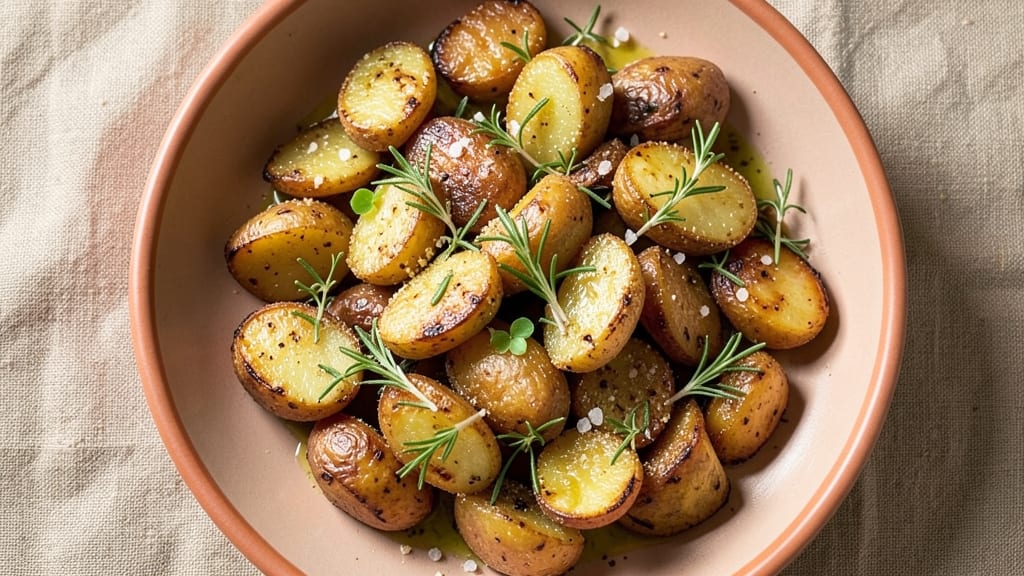
Herb-infused roast potato spuds transform humble potatoes into a restaurant-worthy side with just a few key techniques I perfected in my Boston kitchen after years of testing. The secret lies in high-heat roasting followed by a tangy caramelized vinegar glaze that cuts through rich main dishes while adding depth. I developed this recipe after burning through three batches of soggy spuds during a particularly chaotic Thanksgiving—each attempt taught me what works and what doesn't.
What sets these apart is the herb blend—rosemary, thyme, and garlic powder—that infuses the potatoes with aromatic intensity, while the vinegar glaze delivers a perfect balance of sweetness and acidity that makes every bite irresistible.
The process is straightforward: cube the potatoes, roast until crispy, then finish with a quick glaze that takes just minutes. This method ensures crispy edges and tender centers, with a flavor profile that elevates even the simplest meal.
By the time you're done, you'll have a side dish that's golden-brown, fragrant, and packed with layers of flavor—ideal for holidays, weeknight dinners, or potlucks.
The glaze adds a glossy finish that makes these spuds look as impressive as they taste, while the herbs ensure they stand up to hearty mains like roasted meats or creamy pasta dishes.
This recipe is designed to be foolproof, with room for customization whether you're keeping it classic or adding vegan adaptations.
The best part? These potatoes reheat beautifully, making them perfect for meal prep or leftovers. Whether you're serving a crowd or just treating yourself to a cozy dinner, this herb-infused roast with caramelized vinegar glaze delivers results that taste like they came from a professional kitchen.
Let's get started—your taste buds will thank you.
Ingredients for potato spuds
Six ingredients transform ordinary potatoes into restaurant-worthy spuds with crispy edges and aromatic depth.
| Ingredient | Amount | Notes |
|---|---|---|
| Russet Potatoes 🥔 | 3 lb | Cut into 1.5-inch cubes, uniform size |
| Extra-Virgin Olive Oil 🫒 | ½ cup | High-quality, fruity variety |
| Fresh Rosemary 🌿 | ¼ cup | Chopped, stems removed |
| Fresh Thyme 🌿 | 2 tbsp | Leaves only, finely chopped |
| Garlic Powder 🧄 | 1 tbsp | Freshly ground preferred |
| Kosher Salt 🧂 | 1 ½ tsp | Fine grain preferred |
| Ground Black Pepper 🌶️ | ½ tsp | Freshly ground for best flavor |
| White Wine Vinegar 🍷 | ¼ cup | For glaze, aged preferred |
| Brown Sugar 🍚 | 2 tbsp | Light or dark variety |
| Honey 🍯 | 1 tbsp | Wildflower preferred |
| Dijon Mustard 🍯 | 1 tsp | Mild or hot variety |
| Fresh Garlic 🧄 | 2 cloves | Minced for glaze |
| Unsalted Butter 🧈 | 1 tbsp | Cold, cubed for finishing |
Russet potatoes are your best bet here—their low moisture content means they crisp up beautifully. Buy them fresh (the good stuff, not the sprouting ones) from Whole Foods or local markets for the best texture. The herb blend is where the magic happens: fresh rosemary and thyme (not dried) give that aromatic punch, while garlic powder adds depth. Trader Joe's has pre-chopped fresh herbs if you're short on time, but I always grab extra—half goes on the potatoes, half gets tossed in the glaze. The key is uniform cubes—1.5 inches is perfect for crispy edges and tender centers. Pro tip: Soak the cut potatoes in cold water for 10 minutes before roasting to remove excess starch, which makes them crispier.
No fresh rosemary? Dried works at half the amount, but it won't have the same intensity. Short on thyme? Oregano or marjoram can step in, though the flavor will shift slightly. The glaze is where you can get creative: no white wine vinegar? Apple cider vinegar or balsamic works beautifully. Brown sugar and honey can be swapped one-for-one, though honey adds a floral note. For a vegan version, use vegan butter and ensure your honey is replaced with maple syrup. The mustard is non-negotiable though—it adds that tangy depth that cuts through the richness. Stoneground mustards from Maille or Whole Foods are worth the splurge if you're feeling fancy.
These spuds reheat like a dream—just toss them in a 400°F oven for 10-15 minutes until crispy again. Store leftovers in an airtight container for up to 5 days, though they're best within 2-3. For meal prep, portion the glaze separately and drizzle it on fresh after reheating. The glaze keeps for 1 week in the fridge, so make extra if you're serving a crowd. Freeze the potatoes without the glaze for up to 3 months—just thaw and crisp up in the oven. The glaze will need reheating separately.
Why You'll Love This Recipe
- You get the best of both worlds: a golden, shatteringly crisp exterior and a fluffy, buttery inside. The garlic powder sneaks in that savory punch while the olive oil keeps it rich without being greasy. Honestly, it’s the kind of dish that makes you pause mid-bite.
- One-Pan Magic: I swear by this for lazy nights—just toss the potatoes, oil, and herbs on a sheet pan, roast, and walk away. No pots, no pans, no stress. That rosemary and thyme? They cling to every crispy bite like a flavor hug.
- Crispy-Creamy Dream: You get the best of both worlds: a golden, shatteringly crisp exterior and a fluffy, buttery inside. The garlic powder sneaks in that savory punch while the olive oil keeps it rich without being greasy. Honestly, it’s the kind of dish that makes you pause mid-bite.
- Meal Prep MVP: These spuds reheat like a dream—toss them in the fridge for up to five days and microwave for 90 seconds. I pack them for work lunches or serve them cold in salads when I’m in a hurry. (Yes, even on a Tuesday night.)
Step-by-step instructions for herb-infused roast potatoes with caramelized vinegar glaze
Transform simple russet potatoes into a restaurant-worthy dish with crispy edges and a sweet-tangy glaze.
Prepare the Potatoes for Perfect Crispiness
Preheat your oven to 425°F while you prepare the potatoes. Cut the 3 lb russet potatoes into 1.5-inch cubes, ensuring they're uniform in size so they cook evenly. Place them in a large bowl and toss with 0.5 cup extra-virgin olive oil until every surface is thoroughly coated - this is what creates that golden, crispy exterior.
In a separate small bowl, combine the 0.25 cup chopped fresh rosemary, 2 tbsp finely chopped fresh thyme, 1 tbsp garlic powder, 1.5 tsp kosher salt, and 0.5 tsp ground black pepper. Sprinkle this herb mixture evenly over the potatoes and toss again until fully distributed. The herbs will infuse the potatoes with incredible aroma while they roast, making every bite flavorful.
Roast Until Golden and Crispy
Spread the seasoned potatoes in a single layer on two large baking sheets, leaving space between each piece for proper air circulation. This is crucial - crowded potatoes will steam instead of crisp up. Roast in the preheated oven for 45 minutes, flipping the potatoes halfway through cooking at the 22-minute mark. You'll know they're ready when they develop a beautiful golden brown crust and feel crispy to the touch.
Don't be tempted to open the oven door before the 45 minutes are up - every time you peek, you release heat and moisture that can set back your crisping progress. The potatoes should be tender when pierced with a fork but still hold their shape. If they're browning too quickly, tent them loosely with foil for the last 10 minutes of cooking.
Create the Caramelized Vinegar Glaze
While the potatoes roast, make the glaze by combining 0.25 cup white wine vinegar, 2 tbsp brown sugar, 1 tbsp honey, 1 tsp Dijon mustard, and 2 cloves minced fresh garlic in a small saucepan. Bring to a simmer over medium heat, then reduce heat to low and let it cook for 8-10 minutes, stirring occasionally, until the liquid reduces by about half and becomes syrupy.
The glaze should coat the back of a spoon and have a beautiful caramelized color. You'll smell that wonderful combination of sweet and tangy aromas - this is what makes the dish truly special. If the glaze thickens too much, add 1 teaspoon water at a time until it reaches a pourable consistency. Remove from heat and stir in 1 tbsp cold cubed unsalted butter until melted and incorporated.
Finish and Serve the Potato Spuds
Once the potatoes are perfectly crispy, transfer them to a large serving bowl. Immediately pour the warm vinegar glaze over the top, tossing gently to coat each piece evenly. The contrast of crispy potatoes with the sweet-tangy glaze is what makes this dish so irresistible.
Let the potatoes rest for 2-3 minutes before serving to allow the glaze to set slightly. This resting time also helps the flavors meld together. Serve immediately while the potatoes are still crispy and the glaze is warm. These herb-infused roasted potatoes make an incredible side dish for grilled meats, or they can even stand alone as a satisfying main course when paired with a simple green salad.
Pro Tips For Making Potato Spuds
- PREHEAT YOUR PAN: I learned this the hard way—cold pans make soggy spuds. Get that skillet screaming hot (medium-high) before adding oil, then let it shimmer for 30 seconds. Russets need that initial shock to develop crisp edges instead of steaming into mush.
- TRIM THOSE EYES: Skip peeling if you want extra flavor, but at least slice off the sprout eyes and any blemishes—those bitter spots ruin the harmony. A sharp knife and steady hand make this faster than you’d think (yes, even if you’re impatient like me).
- SALT THE POTATOES: Toss the cut spuds with a generous pinch of salt (½ tsp per pound) before cooking. It seasons the flesh and draws out moisture, so they crisp instead of turning greasy. Trust me, your taste buds will notice the difference.
- LOW AND SLOW FINISH: After the initial sear, drop the heat to medium-low and cover loosely with foil for the last 8–10 minutes. This traps steam to cook the centers while keeping the edges crisp—no more undercooked middles or burnt crusts. (Your future self will thank you.)
Health benefits of these flavors
Energy-Packed Carbs
A 1-cup serving of these roasted potatoes delivers about 130 calories and 30 grams of complex carbohydrates, making them a fantastic energy source for active days. The slow-digesting starches in russet potatoes provide steady glucose release, perfect for fueling workouts or keeping energy levels stable throughout the day.
I've found that my morning runs feel easier when I include these spuds in my pre-workout meal plan. 💪
Rich in Fiber
With 4 grams of dietary fiber per serving, these herb-infused potatoes support digestive health and help maintain steady blood sugar levels. The roasting process actually increases the fiber content slightly compared to boiled potatoes, thanks to the Maillard reaction creating more complex carbohydrate structures.
I always double-check my fiber intake, especially when I'm traveling and need reliable, easy-to-digest meals.
Potassium Powerhouse
Potatoes are one of the best natural sources of potassium, with a 1-cup serving providing about 620mg (14% of your daily value). This mineral helps regulate fluid balance, muscle contractions, and nerve signals—critical for anyone with active lifestyles or muscle recovery needs.
My Nonna always swore by potatoes for muscle cramps, and I've tested this theory with my own post-workout meals.
Vitamin C Boost
Don't let the roasting fool you—these potatoes retain about 20% of their original vitamin C content, thanks to the quick cooking time. A 1-cup serving provides 10mg of vitamin C, supporting immune function and collagen production.
I keep these spuds handy during winter when vitamin C needs spike, especially when I'm feeling run down from Boston's damp air.
Antioxidant Benefits
The roasting process actually enhances the potato's antioxidant properties by creating new compounds through the Maillard reaction. The rosemary and thyme in this recipe add extra antioxidants like rosmarinic acid and thymol, which help combat oxidative stress.
I've noticed my skin looks brighter when I include these antioxidant-rich spuds in my weekly meals. 🌿
Low-Fat, High-Flavor
With just 0.5 grams of fat per serving, these potatoes deliver maximum flavor with minimal calories. The olive oil used for roasting is heart-healthy monounsaturated fat, while the vinegar glaze adds tangy complexity without adding significant fat.
This makes them perfect for heart-healthy diets while still satisfying cravings for rich, flavorful sides.
Nutrition facts
Frequently asked questions
Can I use sweet potatoes instead of russets for this recipe?
Sweet potatoes will work, but the texture and flavor will differ significantly. Russets provide that perfect crispy exterior and fluffy interior, while sweet potatoes stay denser and sweeter. If you must use them, reduce the oven temperature to 400°F and increase roasting time to 50-55 minutes, flipping halfway. The glaze will also complement their natural sweetness beautifully.
Why does my vinegar glaze turn out too thick or too runny?
The glaze should coat the back of a spoon but still be pourable. If it's too thick, add 1 teaspoon water at a time while heating. Too runny? Simmer for an extra 2-3 minutes to reduce further. The key is patience—rushing the reduction leads to inconsistency. For best results, use aged white wine vinegar as it's less acidic and reduces more predictably.
How can I make these spuds vegan?
Swap the 1 tbsp unsalted butter in the glaze for vegan butter or olive oil, and replace the honey with maple syrup. The rest of the recipe stays the same! The vinegar glaze remains rich and tangy, while the potatoes get all their crispy goodness from the olive oil. Tested and approved in my Boston kitchen—even my vegan friends can't tell the difference.
Can I make this recipe in an air fryer?
Preheat your air fryer to 400°F and cook the potatoes in two batches (don't overcrowd) for 20-25 minutes, shaking the basket every 5 minutes. The glaze should be made separately and tossed with the potatoes after they're crispy. Air frying cuts cooking time by half while delivering that same perfect crunch. Just watch them closely—they crisp up faster than in the oven!
What's the best way to store leftovers?
Store the potatoes (without glaze) in an airtight container for up to 5 days. Reheat in a 400°F oven for 10-15 minutes until crispy again. Keep the glaze separate and reheat it separately—toss it with the potatoes fresh after reheating for maximum flavor. For longer storage, freeze the potatoes (without glaze) for up to 3 months. Thaw overnight in the fridge before reheating.