
Side Dishes
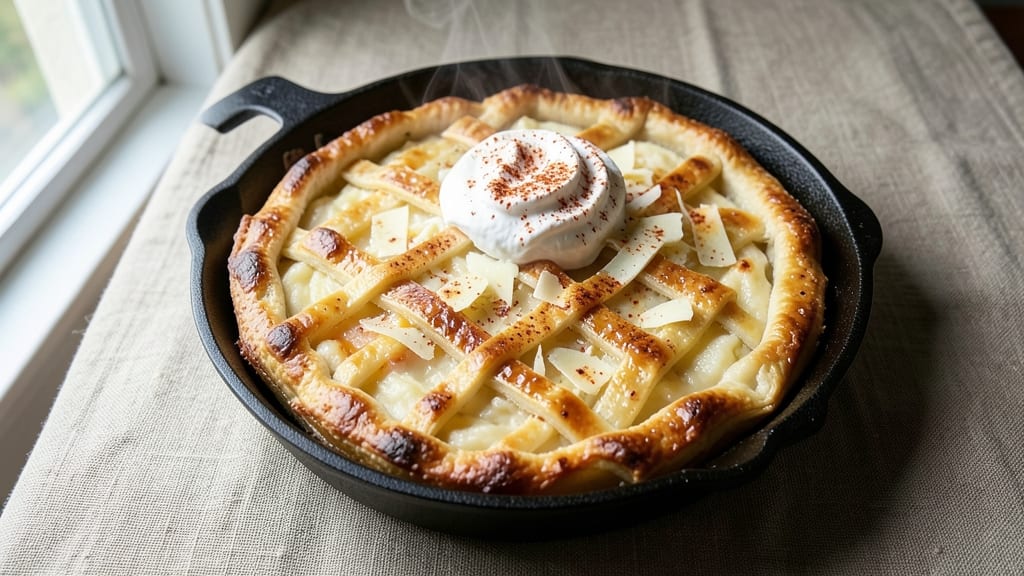
This potato tart recipe delivers the perfect balance of flaky pastry and herbed cheese, topped with tender, caramelized potatoes that transform any meal into something special.
The secret lies in a crisp, buttery crust that encases a rich filling of melted cheese and savory potatoes—each bite is a harmonious blend of textures and flavors.
I’ve perfected this recipe over years of testing, ensuring the crust stays golden and crisp while the filling remains creamy and perfectly cooked.
The process begins with preparing a simple yet foolproof pastry dough, which can be made from scratch or adapted with gluten-free flour for dietary needs.
While the crust bakes to a delicate golden brown, the filling of diced potatoes, sharp cheese, and a touch of cream simmers until the potatoes are tender and the cheese is bubbly.
The key is timing—baking the tart at the right temperature ensures the crust stays crisp while the filling sets just enough to hold its shape.
What you’ll end up with is a restaurant-quality potato tart that’s crisp on the outside, creamy in the middle, and packed with the comforting flavors of herbed cheese and caramelized potatoes.
The aroma alone will draw everyone to the table, and the first bite delivers on the promise of a dish that’s both hearty and elegant. Whether served as a side dish or a main course, this tart is sure to impress.
For added depth, consider incorporating optional ingredients like crispy bacon or caramelized onions into the filling. The recipe is flexible enough to accommodate variations while keeping the core technique simple and reliable. Let’s get started on creating this flaky, cheesy, and utterly satisfying potato tart.
Ingredients for potato tart
The perfect flaky crust and herbed cheese filling start with these quality ingredients.
| Ingredient | Amount | Notes |
|---|---|---|
| All-Purpose Flour 🌾 | 2 ½ cups | Sifted for light texture |
| Cold Unsalted Butter 🧈 | 1 cup | Cut into cubes, not melted |
| Ice Water 💧 | ½ cup | For dough elasticity |
| Russet Potatoes 🥔 | 3 lbs | Diced into 1/2-inch pieces |
| Sharp White Cheddar Cheese 🧀 | 2 cups | Shredded, not pre-shredded |
| Heavy Cream 🥛 | ½ cup | Full-fat for richness |
| Fresh Chives 🌿 | ¼ cup | Finely chopped, for garnish |
| Fresh Thyme Leaves 🌿 | 1 tbsp | Dried works at 1/3 amount |
| Garlic Cloves 🧄 | 3 cloves | Minced for filling |
| Salt 🧂 | 1 ½ tsp | Kosher or sea salt |
| Black Pepper 🌶️ | ½ tsp | Freshly cracked |
| Nutmeg 🌶️ | ¼ tsp | Freshly grated |
| Egg 🥚 | 1 whole | For egg wash |
The butter is non-negotiable for that signature flakiness—use high-fat European-style butter like Plugrá or Blandine if you can find it. Most grocery stores carry it in the dairy section near the regular butter. For the potatoes, Russetspre-diced potatoes from the frozen section work perfectly. The cheese should be sharp and aged—Cabot Clothbound or Vermont Sharp are excellent choices. Fresh herbs like thyme and chives elevate the dish, but dried herbs in a pinch still deliver great flavor.
No fresh thyme? Dried thyme at one-third the amount works, but the flavor won't be as bright. Pre-shredded cheese contains anti-caking agents that prevent proper melting—grate your own from a block. Short on heavy cream? Half-and-half or whole milk will work, though the filling won't be as rich. For the crust, if you don't have ice water, chilled water in the freezer for 10 minutes works too. The nutmeg adds depth—if you're missing it, a pinch of cinnamon can mimic the warmth, though it won't be identical. For a gluten-free option, swap the flour for a 1:1 gluten-free blend like Bob's Red Mill.
The dough can be prepped up to 2 days ahead and stored wrapped in plastic in the fridge. For the filling, potatoes can be parboiled and stored in the fridge for 1 day before assembling the tart. Once baked, the tart reheats beautifully—350°F for 10-15 minutes restores its crispness. Leftovers keep for 4-5 days in the fridge, though the crust loses its crispness after the first day. For a restaurant-quality presentation, serve with a sprinkle of fresh chives and a side of crusty bread to soak up the creamy filling.
Why You'll Love This Recipe
- No-Fuss Crust: I swear by this cold butter dough—just mix, press, bake. No rolling pin, no stress, and it stays flaky even when I forget to chill it properly.
- Creamy Cheese Magic: That sharp white cheddar melts into a stretchy, golden blanket. The moment the crust browns and the cheese pulls away? Absolute perfection.
- Leftovers That Last: This tart reheats like a dream—crispy crust, warm potatoes, no soggy bits. I make a double batch and eat it for lunch the next two days.
- Budget Pantry Hero: Russets are cheap, flour’s a staple, and butter stretches far. It’s the kind of dish that makes me feel fancy without emptying my wallet.
Step-by-step instructions for potato tarts recipe
Here's how to create golden, flaky pastry with tender potatoes and herbed cheese filling.
Prepare the Flaky Pastry Dough
In a large mixing bowl, combine the 2.5 cups all-purpose flour and 1.5 teaspoons salt. Cut in the 1 cup cold unsalted butter using a pastry cutter or your fingers until the mixture resembles coarse crumbs with pea-sized butter pieces. This cold butter is crucial for achieving that signature flaky texture.
Gradually add the 0.5 cup ice water, 1 tablespoon at a time, mixing gently with a fork until the dough just comes together. Avoid overmixing—just until the dough holds when pressed. Shape into a disk, wrap in plastic, and refrigerate for at least 1 hour to firm up. This resting period relaxes the gluten for perfect layers when baked.
Cook the Potato Filling
While the dough rests, peel and dice the 3 lbs russet potatoes into ½-inch pieces. Boil in salted water for 8-10 minutes until fork-tender but not falling apart. Drain thoroughly and return to the pot.
In the same pot, add the 2 cups sharp white cheddar cheese, 0.5 cup heavy cream, 3 cloves minced garlic, 1 tablespoon fresh thyme leaves, 0.5 teaspoon black pepper, and 0.25 teaspoon nutmeg. Stir over medium-low heat for 3-4 minutes until the cheese melts completely and the mixture becomes creamy. Remove from heat and let cool slightly—this filling should be thick enough to hold its shape when spooned.
Assemble and Shape the Tarts
Preheat your oven to 375°F. On a lightly floured surface, roll out the chilled dough to about ⅛-inch thickness. Cut into 6 equal rectangles (about 4x6 inches each). Brush each rectangle lightly with 1 egg wash (beaten 1 whole egg with a splash of water). Spoon ½ cup of the potato filling onto the short end of each rectangle, leaving a 1-inch border at the top.
Carefully roll each rectangle up tightly from the short end, sealing the filling inside. Place seam-side down in a greased 9x13-inch baking dish, arranging them side by side. Brush the tops with more egg wash and sprinkle with the 0.25 cup finely chopped fresh chives for color and freshness. Bake for 25-30 minutes until the pastry is golden brown and the filling is bubbling through the slits.
Finish and Serve
Remove from the oven and let cool for 5 minutes before slicing. The tarts will be tender inside with a crisp, flaky exterior. For best results, serve warm with a simple side salad or steamed green beans. The cheese should be melted and creamy, while the potatoes remain tender with just a slight bite.
If making ahead, let cool completely, cover, and refrigerate for up to 2 days. Reheat in a 350°F oven for 10-15 minutes until warmed through. The flaky layers will be even more pronounced after reheating, making these tarts perfect for meal prep or special occasions.
Pro Tips For Making Potato Tart
- STEAM THE POTATOES FIRST: I learned this the hard way—raw potato slices in a tart crust just don’t behave. Parboil your russets whole for 10 minutes before slicing, then finish in a 375°F oven for 15 minutes. This keeps them creamy without turning to mush, and the crust stays crisp. (Yes, even if you’re impatient like me.)
- CHILL THE DOUGH STIFF: Cold butter and ice water are non-negotiable, but don’t stop there. Shape the dough, wrap it in plastic, and refrigerate for at least 30 minutes. This prevents the crust from shrinking when it hits the hot oven—your tart will hold its shape, not pucker like a sad soufflé.
- GRATE THE CHEESE FINE: Sharp white cheddar loses its edge when it melts into clumps. Pulse it in a food processor for 30 seconds, then grate it fresh—this ensures even distribution and a smooth, gooey texture. Skip the pre-shredded stuff; it’s full of anti-caking agents that make the cheese weep.
- BAKE THE CRUST ALONE: Sounds weird, but it works: Blind-bake the crust (with pie weights or dried beans) for 12 minutes at 375°F before adding the filling. This guarantees a crisp base that won’t turn soggy when the potatoes release moisture. (Your future self will thank you.)
Wine and beer pairings for this recipe
Crisp White Wine
A dry Chardonnay with subtle oak notes is my go-to pairing for potato tarts—its bright acidity cuts through the richness of the cheese while complementing the earthy potatoes.
Look for a California Chardonnay from Kendall-Jackson or a Burgundy Chardonnay for more complexity. The crispness enhances the flaky pastry without overpowering the dish. 🍷
Light-Bodied Red
If you prefer red wine, a Pinot Noir from Oregon or New Zealand works beautifully. Its delicate fruit flavors and soft tannins won’t clash with the tart’s creamy filling. Avoid heavy Cabernets—their bold structure can overpower the dish. A Willamette Valley Pinot Noir is a safe bet for balance. 🍇
Creamy Beer Pairing
For beer lovers, a Belgian-style witbier like Hoegaarden or Stella Artois adds a refreshing contrast. The citrusy notes and effervescence cleanse your palate between bites of the rich, cheesy tart. If you prefer darker beers, a light amber ale with a malty sweetness—like Leffe Blonde—pairs surprisingly well. 🍺
Herbal Gin Cocktail
For a non-alcoholic or lighter option, try a gin-based spritz with Sipsmith London Dry Gin, Aperol, and a splash of soda. The botanical notes in the gin echo the thyme and chives in the tart, while the bitterness balances the richness.
Serve over ice for a refreshing accompaniment. 🍸
Seasonal Cider
In fall or winter, a dry hard cider like Strongbow Original or Angry Orchard adds a crisp, slightly tart contrast. The apple notes complement the potatoes, while the effervescence keeps the palate fresh. Avoid sweet ciders—they’ll clash with the sharp cheese. 🍎
Dessert Wine Finish
For a decadent twist, serve a sweet Moscato d’Asti after the meal. Its light sweetness and bubbles cleanse the palate, making the tart’s savory flavors feel even more satisfying. Just a small glass—about 4 ounces—is all you need to elevate the experience. 🍷✨
Nutrition facts
Frequently asked questions
Can I make this potato tart recipe without a food processor for the dough?
The dough can be made by hand using the two-butter method. Cut the 1 cup cold butter into small cubes and rub it into the flour with your fingertips until the mixture resembles coarse crumbs. Then add ice water gradually until the dough comes together. This method works perfectly for a flaky crust without needing a food processor.
What's the best way to reheat leftover potato tarts?
For the crispiest results, reheat in a 350°F oven for 10-15 minutes covered with foil to prevent drying. If you prefer a crispy top, remove the foil for the last 2-3 minutes. The filling will warm through while the pastry regains its golden crunch. For a quick option, use the microwave on 50% power for 30 seconds to warm without drying.
Can I substitute the pastry dough with puff pastry?
Yes, you can use store-bought puff pastry for a quicker version. Roll it out to ⅛-inch thickness and cut into rectangles just like the homemade dough. However, puff pastry will be less crisp than the flaky homemade version. For best results, use high-quality frozen puff pastry and let it thaw completely before rolling.
How do I prevent the filling from leaking out during baking?
To avoid leaks, ensure your potato filling is thick and well-cooked before assembling. The potatoes should be tender but not mushy, and the cheese should be fully melted. When rolling the dough, leave a 1-inch border at the top and seal the edges tightly. Chilling the assembled tarts for 15 minutes before baking also helps the filling set better.
Can I make this recipe vegetarian or vegan?
For a vegetarian version, simply omit any meat ingredients (like bacon) and use vegetarian cheese. For a vegan tart, substitute the butter with vegan butter or coconut oil, use vegan cheese, and replace the heavy cream with coconut cream. The dough can be made vegan by using vegan margarine and plant-based milk instead of ice water.