
Side Dishes
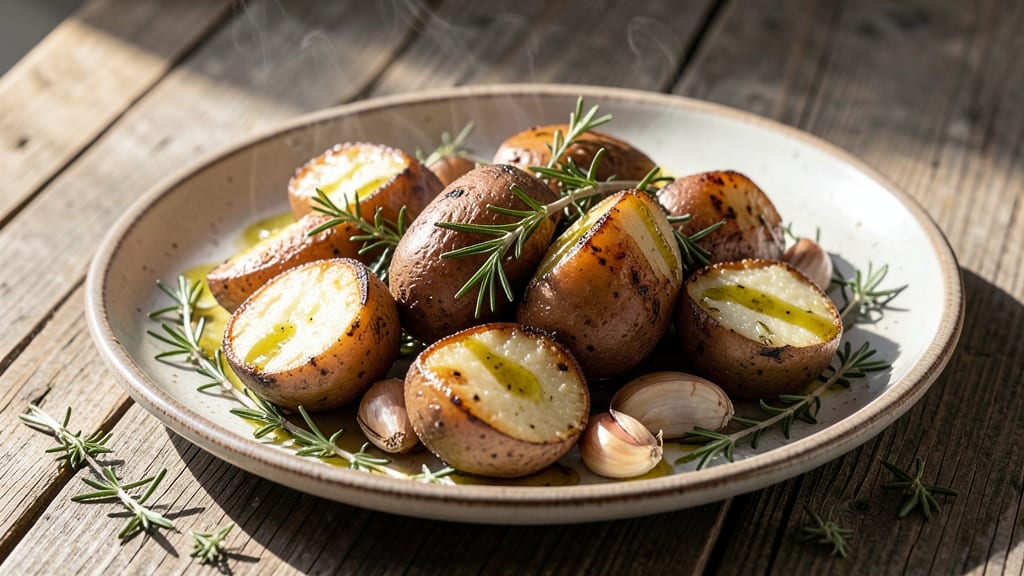
This rustic potatoes recipe transforms simple spuds into a showstopping side with crispy vinegar-kissed edges and aromatic herb infusion—exactly the kind of dish that elevates any meal.
Growing up in a Boston triple-decker, I learned the secret to perfect roasted potatoes from Nonna: high heat, minimal handling, and the right balance of acidity.
The vinegar bath creates that signature crispiness while herbs like rosemary and thyme add earthy depth that pairs beautifully with everything from steak to roasted chicken.
The beauty of this method lies in its simplicity: just a few ingredients, 30 minutes of active time, and a single baking sheet. You’ll start with skin-on potatoes (never peel them—that’s where the texture magic happens) and cut them into even chunks for consistent roasting.
A quick soak in vinegar before baking ensures those coveted crispy edges, while a sprinkle of herbs and olive oil guarantees rich, savory flavor. It’s the kind of dish that feels special but comes together without fuss—perfect for weeknight dinners or holiday tables.
What you’ll end up with is a golden-brown tray of potatoes where every bite delivers crispy, caramelized edges that give way to tender, flavorful centers.
The vinegar kiss adds a bright tang that cuts through rich main courses, while the herbs infuse the potatoes with a fragrant aroma that fills your kitchen.
This isn’t just a side dish; it’s the kind of rustic potato that makes people ask, “What’s in it?” before taking a second helping. Ready to make it?
One of the best things about this recipe is its adaptability—swap herbs based on what you have, use different vinegars (apple cider or balsamic work beautifully), or even add garlic for extra punch.
It’s a foolproof method that always delivers, whether you’re feeding a crowd or just treating yourself to a cozy meal. Let’s get to the oven!
Ingredients for rustic potatoes
Skin-on russets, aromatic herbs, and a vinegar bath—this is the ultimate crispy side dish.
| Ingredient | Amount | Notes |
|---|---|---|
| Russet Potatoes 🥔 | 2 ½ lb | Skin-on, cut into 1.5-inch chunks |
| Extra-Virgin Olive Oil 🫒 | ¼ cup | For crispy edges and richness |
| White Vinegar 💧 | ¼ cup | For crispy vinegar-kissed edges |
| Fresh Rosemary 🌿 | ¼ cup | Chopped, stems removed (or 1 tbsp dried) |
| Fresh Thyme 🌿 | ⅛ cup | Leaves only, chopped (or 1 tsp dried) |
| Garlic Cloves 🧄 | 4 cloves | Minced, optional for extra punch |
| Kosher Salt 🧂 | 1 ½ tsp | Adjust to taste |
| Black Pepper 🌶️ | ½ tsp | Freshly cracked |
| Apple Cider Vinegar 🍎 | ⅛ cup | Substitute for white vinegar |
| Balsamic Vinegar 🍷 | ⅛ cup | For sweet-tart depth (optional) |
Russet potatoes are your best bet here—their thick skins hold up perfectly to roasting. Grab the biggest ones at Trader Joe's or Costco (they’re usually pre-bagged), but any russet or Yukon Gold works. The key is even 1.5-inch chunks—no tiny pieces, those burn. Fresh rosemary and thyme make all the difference, but dried works in a pinch (just use one-third the amount). For the vinegar, white vinegar is classic, but apple cider or balsamic adds a whole new flavor dimension. Nonna swore by the crispy edges, and that’s where the vinegar soak comes in—don’t skip it!
No fresh rosemary? Dried works, but toast it first—just heat in a dry pan for 30 seconds to wake up the flavor. Short on vinegar? Lemon juice in a bind, but it’ll be brighter. Want extra garlic flavor? Add 2 more cloves—roasted whole with the potatoes so they caramelize. The olive oil matters too—use something fruity and peppery, not that mild stuff. And if you’re feeling fancy, toss in a sprinkle of smoked paprika before baking for a smoky kick. This dish is all about adaptability, so play with it!
Roast these potatoes twice—once at high heat to crisp the edges, then lower for even cooking. They reheat beautifully, so make extras—they’re even better the next day. Store leftovers in an airtight container for 4-5 days, or freeze for up to 3 months. Pro tip: Portion into single servings before freezing so you can grab and reheat just what you need. The crispiness won’t be as intense after reheating, but they’ll still be delicious—just toss them back in the oven for 5 minutes to revive those edges!
Why You'll Love This Recipe
- One-Pan Magic: I swear by this for nights when I’d rather not scrub a million dishes—just slice those Russets, toss ‘em in oil, vinegar, and herbs, then roast. Twenty minutes later, golden, crispy edges with zero fuss.
- Herb-Packed Punch: That rosemary and thyme? They cling to every potato like a hug—bright, earthy, and just sharp enough to wake up your taste buds. Honestly, the vinegar finish ties it all together in the best way.
- Weeknight Workhorse: I’ve served these under grilled chicken, alongside steak, even as a side for a lazy Sunday brunch. They reheat beautifully, so double the batch—no one will complain when they’re warm and crispy the next day.
- Budget Crispy Bliss: Russets are cheap, and a little oil goes a long way here. Between us, this is my go-to when I want restaurant-worthy sides without breaking the bank—plus, leftovers keep for days in the fridge. Win.
Step-by-step instructions for herb-infused roast potatoes
Here's how to transform simple russet potatoes into restaurant-worthy, crispy-edged bites bursting with herby flavor.
Prep the Potatoes for Maximum Crispiness
Start by preheating your oven to 425°F—this high heat is essential for those crispy edges we're after. While it heats, scrub the 2.5 lb russet potatoes thoroughly under cold water to remove any dirt. Using a sharp chef's knife, cut them into 1.5-inch chunks, leaving the skin on for texture. I like to keep the pieces fairly uniform in size so they cook evenly.
Spread the potato chunks on a clean kitchen towel and pat them completely dry. Any moisture left on the potatoes will steam them instead of crisping them. This drying step is absolutely critical—don't skip it! Once dry, transfer the potatoes to a large bowl and toss them with 1.5 tsp kosher salt, 0.5 tsp black pepper, and the 0.25 cup chopped fresh rosemary. The salt will help draw out moisture while enhancing flavor, and the rosemary will infuse the potatoes with its piney aroma.
Create the Vinegar-Kissed Coating
In a separate small bowl, whisk together the 0.25 cup extra-virgin olive oil, 0.25 cup white vinegar, 0.125 cup chopped fresh thyme, the 4 minced garlic cloves, 0.125 cup apple cider vinegar, and 0.125 cup balsamic vinegar. This tangy, herby oil is what will create those beautiful crispy edges while adding depth of flavor. The vinegars might seem like a lot, but trust me—they'll caramelize beautifully during roasting.
Pour this mixture over the seasoned potatoes and toss everything together until every piece is evenly coated. You'll notice the potatoes immediately start to soften slightly from the acid in the vinegars, which is perfect preparation for roasting. Let them sit at room temperature for 15-20 minutes while the oven finishes preheating. This resting time allows the flavors to meld and the potatoes to firm up slightly for better browning.
Roast Until Golden and Crispy
Spread the potatoes in a single layer on two large rimmed baking sheets, leaving space between each piece. I use two sheets to ensure even cooking and maximum crispiness. Roast them in the preheated oven for 45-50 minutes, flipping the potatoes halfway through at the 25-minute mark. This flipping ensures even browning on all sides and prevents any pieces from steaming instead of crisping.
You'll know they're ready when the edges are deep golden brown and crispy to the touch, while the centers remain tender when pierced with a fork. The potatoes should smell intensely aromatic with that perfect blend of herby, vinegary, and roasted notes. If you're worried about burning, check them at the 40-minute mark—they'll crisp up more as they cool slightly after coming out of the oven.
Rest and Serve Immediately
Transfer the crispy potatoes to a serving platter and let them rest for 5 minutes before serving. This brief resting period allows the flavors to settle and prevents them from being too hot when you dig in. The contrast of crispy edges and tender centers is what makes these potatoes so special.
Serve them immediately while they're still piping hot, as they'll lose their crispiness as they cool. These herb-infused potatoes make an incredible side dish for roasted meats, grilled fish, or even as a vegetarian main with a fresh green salad. The combination of crispy edges, herby aroma, and vinegar-kissed tang is simply irresistible—every bite delivers that perfect textural contrast we all love in roasted potatoes.
Pro Tips For Making Rustic Potatoes
- CUT THEM EVENLY: Russets are stubborn—uneven slices mean some burn, others stay raw. Grab a sharp knife and cut them into 1-inch chunks, then slice those chunks in half lengthwise. No food scale? A standard potato (about 6 oz) yields roughly 8 pieces. This ensures consistent cooking, especially when roasting or pan-frying.
- SALT THE WATER: I used to skip this, thinking it was unnecessary, but salted water (1 tbsp per quart) helps the potatoes absorb flavor from the start. If you’re roasting, toss them with salt before adding oil—it crisps the edges better than post-oil salting. And yes, even if you’re using vinegar later, the salt balances the acid.
- DON’T OVERCROWD THE PAN: After burning three batches of rosemary potatoes, I finally learned: give them space. A single layer in a cold pan (or two layers max) lets the oil heat properly and prevents steaming. If your pan is too full, the potatoes will turn soggy instead of golden. Patience—this isn’t a race.
- FINISH WITH VINEGAR: Add the white vinegar (2 tbsp) in the last 2 minutes of cooking—it brightens the dish and cuts through the richness of the olive oil. Skip this, and your potatoes taste flat. (Pro move: strain the herbs first if you’re picky about texture, but I leave them in for rustic charm.)
Flavor customization for rustic potatoes
Herb Swaps
Fresh rosemary and thyme are my go-tos, but don’t let limited herbs hold you back. Swap in fresh sage (about 0.125 cup chopped) for a slightly sweeter, earthier flavor that pairs beautifully with roasted meats.
Or try oregano (use 1 tbsp dried) for a Mediterranean twist that works especially well with grilled chicken or fish. If you’re feeling adventurous, add ½ tsp smoked paprika to the vinegar mixture for a subtle smoky depth that reminds me of Nonna’s secret trick for roasted potatoes. 🌿
Vinegar Variations
The classic white vinegar gives those crispy edges, but don’t be afraid to experiment.
For a sweeter tang, use apple cider vinegar—it adds a fruity note that plays well with honey-glazed meats. Balsamic vinegar (just 2 tbsp) brings a rich, caramelized sweetness that’s perfect for pairing with rich dishes like braised short ribs.
Even rice vinegar (same amount) works in a pinch, though it’ll be milder. Pro tip: Reduce the vinegar by 2 tbsp if using balsamic to balance its intensity.
Spicy Kick
Want to add some heat? Toss in ½ tsp red pepper flakes with the herbs before roasting for a subtle warmth that lingers. For a smokier, spicier profile, add 1 tsp chipotle powder to the vinegar mixture—it’s a game-changer with grilled steaks or hearty stews.
If you love fresh heat, sprinkle 2 tbsp chopped jalapeños (seeds removed) over the potatoes in the last 10 minutes of roasting. The acidity in the vinegar will mellow the jalapeños’ sharpness just enough to make them addictive. 🌶️
Sweet-Tart Balance
For a touch of sweetness that cuts through the richness, drizzle the roasted potatoes with 1 tbsp honey or maple syrup in the last 5 minutes of cooking. The heat caramelizes the sugar, creating a beautiful contrast with the vinegar’s tang.
Another trick I learned from a Boston market vendor: Toss the potatoes with 1 tbsp brown sugar before roasting—it’ll crisp up beautifully and add a molasses-like depth. This works especially well with pork or duck dishes.
Umami Boost
To add a savory depth, stir 1 tbsp soy sauce or 1 tsp fish sauce into the vinegar mixture. The umami punch elevates these potatoes to restaurant-quality, especially when paired with grilled or fried proteins.
For a vegetarian option, add 1 tbsp nutritional yeast to the herb mix—it adds a cheesy, nutty flavor without dairy. I also love sprinkling 1 tbsp toasted sesame seeds over the finished potatoes for a nutty crunch that ties everything together. 💡
Nutrition facts
Frequently asked questions
Why do you recommend keeping the potato skins on?
The skins add incredible texture and flavor! They hold up beautifully during roasting, creating a satisfying contrast between crispy edges and tender centers. Plus, the skin contains valuable nutrients like fiber and potassium. For extra crispiness, score the skins lightly with a knife before roasting—this helps them crisp up even more.
Can I use different types of potatoes for this recipe?
Russet potatoes are ideal for their thick skins and starchy texture, but you can try Yukon Golds for a creamier interior. Avoid waxy potatoes like red or fingerlings—they won't crisp up as nicely. If using Yukons, reduce the roasting time by about 5-10 minutes since they cook faster than russets.
What if my potatoes aren't crispy enough?
Try these fixes: First, ensure your oven is fully preheated to 425°F—cold spots prevent crispiness. Second, spread potatoes in a single layer with space between them for proper airflow. Finally, broil for 2-3 minutes at the end for extra browning. If they're still soft, they likely need more time—just check at 10-minute intervals after the initial 45 minutes.
How can I make this recipe ahead of time?
Roast the potatoes up to 2 days ahead and store in an airtight container. Reheat in a 400°F oven for 10-15 minutes until crispy again. For freezing, portion into single servings before freezing—they reheat best straight from frozen. The texture won't be as crisp as fresh, but they'll still be delicious!
What's the best way to serve these potatoes?
These herb-infused potatoes shine with rich proteins like roasted chicken, steak, or pork chops. For vegetarian meals, pair with grilled halloumi or a hearty salad. Serve immediately while crispy, and consider adding a squeeze of lemon or extra herbs at the table for freshness.