
Side Dishes
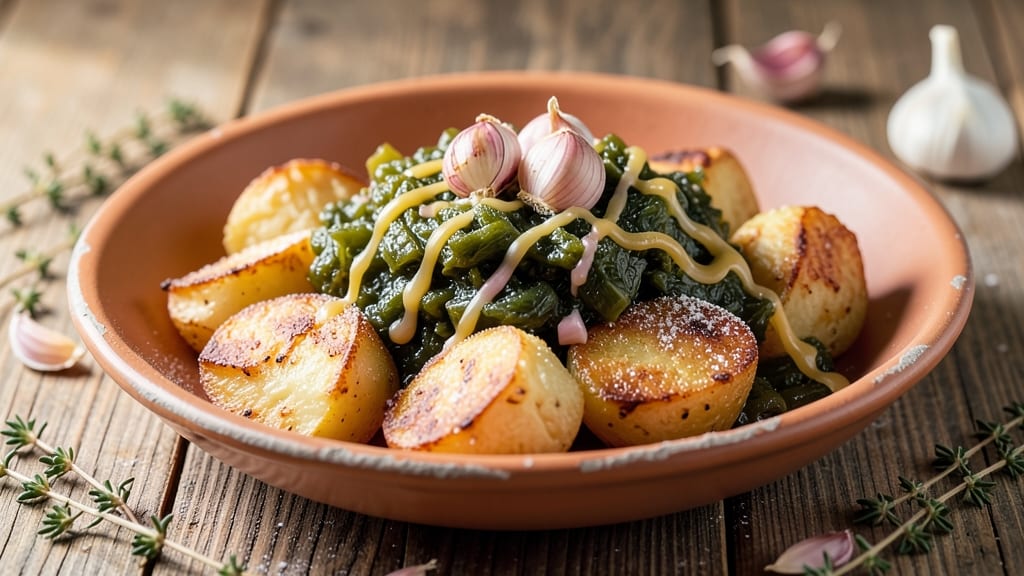
This sauerkraut and potatoes recipe transforms humble ingredients into a bold, tangy-sour side dish with caramelized edges that steal the show at any table. The secret lies in balancing sauerkraut's sharp acidity with potatoes' natural sweetness—roasted until crispy while maintaining that satisfying crunch.
I perfected this after years of experimenting with German-inspired sides, and the result is a dish that's both comforting and restaurant-worthy.
What makes this recipe stand out is the two-stage cooking process: potatoes first roast until tender with golden edges, then finish with sauerkraut to absorb their natural oils and caramelized flavors.
The tangy fermented cabbage cuts through the richness while adding depth that transforms simple potatoes into something extraordinary. It's the kind of side dish that disappears faster than the main course.
By the time you serve it, you'll have a crispy-edged, tangy-sour masterpiece that pairs perfectly with sausages, roasted meats, or even grilled fish. The aroma alone will have everyone at the table asking for seconds. This isn't just another potato side—it's a flavor experience that elevates any meal.
Ready in under 45 minutes with minimal prep, this recipe proves you don't need complicated techniques to create something impressive. Let's get cooking—your taste buds will thank you.
Ingredients for sauerkraut and potato
Potatoes, sauerkraut, and a few bold spices create this tangy-sour masterpiece with caramelized edges.
| Ingredient | Amount | Notes |
|---|---|---|
| Russet Potatoes 🥔 | 1 ½ lb | Cut into 1-inch chunks, skin on |
| Unsalted Butter 🧈 | ½ cup | Cold, cut into small pieces |
| Sauerkraut 🥬 | 1 ½ cups | Drained, with some liquid reserved |
| Yellow Onion 🧅 | 1 whole | Thinly sliced, about 1 cup |
| Fresh Thyme 🌿 | 1 tbsp | Leaves only, chopped fine |
| Garlic Cloves 🧄 | 3 cloves | Minced, for depth |
| Extra-Virgin Olive Oil 🫒 | 2 tbsp | For crispy edges |
| Dried Caraway Seeds 🌾 | 1 tsp | Toasted lightly for aroma |
| Diamond Crystal Kosher Salt 🧂 | 1 ½ tsp | For seasoning |
| Freshly Ground Black Pepper 🌶️ | ½ tsp | For balance |
| Apple Cider Vinegar 🍎 | 1 tbsp | Brightens flavors |
| Smoked Paprika 🌶️ | ½ tsp | For subtle smokiness |
The potatoes are the foundation—Russet gives the best crispy edges. Grab a 3-4 lb bag from Whole Foods or your local market; organic if you can. For the sauerkraut, I always reach for the jarred kind with liquid—Rehrl or Bubbies brands are my go-tos, but any good-quality sauerkraut works. Look for vibrant color and no signs of mold. The caraway seeds? Penzeys sells them whole, and toasting them in a dry pan for 30 seconds deepens their flavor. Don’t skip this step—it’s what ties the German flavors together.
No caraway seeds? Celery seeds at half the amount work in a pinch, though they’re milder. Swapping sauerkraut? Kimchi adds heat, but cut the vinegar to half a tablespoon. The potatoes can be Yukon Golds if you prefer creamier texture, but Russets hold their shape better. For extra crispiness, toss them with cornstarch (1 tbsp) before roasting. And if you’re short on time, pre-cut frozen potatoes (thawed and patted dry) save 15 minutes of chopping—just don’t skip the skin for that rustic bite.
This dish reheats beautifully—just 5 minutes at 350°F to revive the crisp. Store leftovers in an airtight container for 4-5 days, but honestly, it’s best eaten fresh. For meal prep, roast a double batch and freeze half in portions. The sauerkraut’s acidity mellows slightly over time, so add a splash of vinegar when reheating if it tastes too mild. Pairs perfectly with sausages, roasted pork, or even grilled salmon—trust me, it’ll be gone before the main course.
Why You'll Love This Recipe
- One-Pan Magic: I swear by this—just slice those Russets, toss them in with the onions and sauerkraut, and let the oven do the work. No chopping boards to wash, no extra pots, and the only cleanup is wiping the pan. (Yes, even on a Tuesday night.)
- Tangy Creamy Dream: That first bite? The crispy potato edges meet the buttery richness while the sauerkraut’s sharp tang cuts through—like a hug for your taste buds. The thyme ties it all together without overpowering. Honestly, it’s the kind of dish that makes you want to make it again just to taste it.
- Lunchbox Hero: Between us, this is my go-to for packed lunches. The flavors actually improve the next day—yes, really—and the potatoes stay firm enough to slice neatly. Toss in a hard-boiled egg or some smoked salmon, and you’ve got a meal that’s as impressive as it is easy.
- Budget Pantry Win: Russets and onions are cheap, sauerkraut lasts forever, and butter? A little goes a long way. I’ve fed four people for under $10 with this, and the leftovers? They disappear just as fast as the first batch. Not the prettiest, but the taste makes up for it every time.
Step-by-step instructions for sauerkraut and potatoes with caramelized edges
Here's how to create a perfect balance of crispy potatoes and tangy sauerkraut with rich, caramelized edges.
Parboil the Potatoes for Perfect Texture
Place the 1.5 lb russet potatoes in a large pot and cover with cold water by about 2 inches. Add 1 tsp of the diamond crystal kosher salt and bring to a boil over high heat. Once boiling vigorously, reduce to a gentle simmer and cook for 8-10 minutes until the potatoes are tender when pierced with a fork but still hold their shape.
This parboiling step ensures your potatoes will be perfectly cooked through while developing those beautiful caramelized edges later. Drain immediately in a colander and return them to the pot. Let them steam-dry for 2 minutes to remove excess surface moisture—this is crucial for achieving crispy edges when we roast them later.
Build the Flavor Base with Aromatics
While the potatoes are draining, heat 2 tablespoons extra-virgin olive oil in a large oven-safe skillet over medium heat. Add the thinly sliced yellow onion and cook for 5-6 minutes until softened and just beginning to golden at the edges. Stir in the minced garlic cloves and cook for 30 seconds until fragrant—don't let it brown or it'll turn bitter.
Add the 1 teaspoon toasted dried caraway seeds and 1 tablespoon chopped fresh thyme, stirring constantly for 1 minute until the caraway releases its warm, earthy aroma. Remove the skillet from heat and stir in 1 tablespoon apple cider vinegar and 0.5 teaspoon smoked paprika, letting the vinegar brighten the flavors while the paprika adds subtle smokiness.
Roast the Potatoes to Crispy Perfection
Increase oven temperature to 425°F. Working quickly, add the drained potatoes to the skillet with the onions, spreading them in a single even layer. Dot the potatoes with 0.5 cup cold unsalted butter, cut into small pieces, and sprinkle with the remaining 0.5 teaspoon diamond crystal kosher salt and 0.5 teaspoon freshly ground black pepper. Toss gently to distribute the butter evenly.
Transfer the skillet to the preheated oven and roast for 25-30 minutes, stirring once halfway through, until the potatoes are deep golden brown with crispy edges and tender centers. The butter should be fully melted and bubbling, creating a rich sauce that coats the potatoes.
Combine with Sauerkraut for Tangy Balance
Remove the skillet from the oven and stir in the 1.5 cups drained sauerkraut, reserving any liquid from the jar. The heat will help mellow the sauerkraut's acidity while maintaining its signature tang. If the mixture seems dry, add 2-3 tablespoons of the reserved sauerkraut liquid to create a loose, flavorful sauce. Let it sit off heat for 2-3 minutes to allow the flavors to meld.
Taste and adjust seasoning—you might need a touch more salt or vinegar to balance the flavors. The perfect dish should have crispy potato edges, tender potato centers, and bright, tangy sauerkraut throughout. Serve immediately while the potatoes are hot and the edges are at their crispiest.
Pro Tips For Making Sauerkraut And Potato
- Parboil Potatoes First: Cut your Russets into even chunks, then boil them in salted water for 5 minutes before frying. This step guarantees they’ll finish cooking without turning to mush—no more gummy potatoes ruining your dish.
- Drain and Dry Sauerkraut: Rinse the sauerkraut in a colander, then pat it very dry with a clean towel. Wet sauerkraut steams instead of crisping, and you’ll end up with a soggy mess. Trust me, the extra 30 seconds saves the whole dish.
- Cook Onions Low and Slow: Sauté the yellow onion in butter over medium-low heat until it’s translucent and just starting to caramelize—about 8-10 minutes. Rushing this step burns the flavor before it even develops, and you’ll taste the difference.
- Add Thyme Late: Tuck the fresh thyme sprigs into the pan right before serving. This keeps the leaves vibrant and fragrant, not wilted and bitter from sitting in hot butter. A little timing change, big flavor payoff.
Regional styles of sauerkraut and potato
German Sauerbraten Tradition
In Germany, this dish traces back to Sauerbraten, where sauerkraut and potatoes were peasant staples. My Bavarian grandmother used to serve it with smoked sausages on Sundays.
The key difference? She added pickled mustard seeds (½ tsp) for extra tang. Look for Bavarian-style sauerkraut—it’s often coarser and more robust than American versions. 🌱
Polish Bigos Influence
Poland’s bigos (hunter’s stew) inspired this dish’s hearty approach. Swap the potatoes for kielbasa slices (½ lb) and add 2 tbsp dried porcini mushrooms to the roasting pan. Polish sauerkraut (called kiszona kapusta) is slightly sweeter—use 2 cups instead. Serve with rye bread for dipping. 🥨
American Midwest Twist
In Wisconsin and Minnesota, this becomes a Dutch oven classic with cheddar cheese (½ cup shredded) folded in at the end. Add ½ cup applewood smoked bacon (crumbled) for depth.
Use Yukon Gold potatoes here—they hold up better to the extra moisture. Perfect with brats or pork chops for a regional feast. 🍖
Scandinavian Smorgasbord
Sweden’s smörgåsbord tradition turns this into a cold salad. Toss roasted potatoes with sauerkraut while still warm, then chill completely. Top with dill cream sauce (½ cup sour cream + 1 tbsp fresh dill) and pickled herring (¼ cup chopped). Serve with dark rye crispbread for a Nordic-inspired appetizer. 🥬
Modern Fusion Adaptation
For a contemporary take, add crispy prosciutto (2 oz, chopped) and buratta cheese (¼ cup) at the end. Drizzle with honey balsamic glaze (2 tbsp) for sweet-savory contrast. This Italian-German mashup works beautifully with grilled octopus or duck breast. 🍯
Winter Comfort Version
During cold months, I double the butter to 1 cup and add ½ cup walnuts (toasted) for crunch. Stir in 1 tsp cinnamon with the caraway seeds for warmth. Serve with mulled wine (½ cup) reduced into the dish during the final 5 minutes of roasting. 🍷
Nutrition facts
Frequently asked questions
Can I use sweet potatoes instead of russet potatoes?
Sweet potatoes work beautifully and add natural sweetness that pairs well with the tangy sauerkraut. Use 1.5 lb sweet potatoes (peeled and cut into 1-inch cubes) and reduce the roasting time by 5-7 minutes to prevent over-browning. The flesh stays creamier, so you may want to add an extra 1 tbsp apple cider vinegar to balance the flavors.
How do I store leftovers to keep them crispy?
Store leftovers in an airtight container in the refrigerator for up to 5 days. To revive crispiness, spread them on a baking sheet and bake at 400°F for 10-12 minutes until heated through. For extra crunch, sprinkle with 1 tsp cornstarch before reheating. Freezing isn't recommended as it dulls the crispy edges.
What's the best way to balance the tangy flavor if my sauerkraut is too strong?
Start by adding 1 extra tablespoon of apple cider vinegar to brighten the dish. For a sweeter contrast, stir in 1 teaspoon honey or maple syrup during the final 5 minutes of roasting. If the acidity still overpowers, a pinch of smoked paprika (up to ½ teaspoon) adds depth without masking the tang.
Can I make this dish ahead of time for a dinner party?
Prepare everything up to Step 3 (roasting potatoes), then refrigerate the skillet with potatoes and aromatics for up to 24 hours. When ready to serve, roast at 425°F for 20-25 minutes (covered with foil for the first 10 minutes to prevent over-browning). Add sauerkraut in the last 5 minutes to maintain freshness and crispiness.
Why did my potatoes turn out soggy instead of crispy?
Soggy potatoes usually mean excess moisture wasn't properly removed before roasting. Always steam-dry potatoes for 2 minutes after parboiling and pat them thoroughly with a clean kitchen towel. Another common mistake is overcrowding the pan—roast in a single even layer and avoid overlapping pieces. For extra insurance, toss potatoes with 1 tbsp cornstarch before roasting.