
Side Dishes
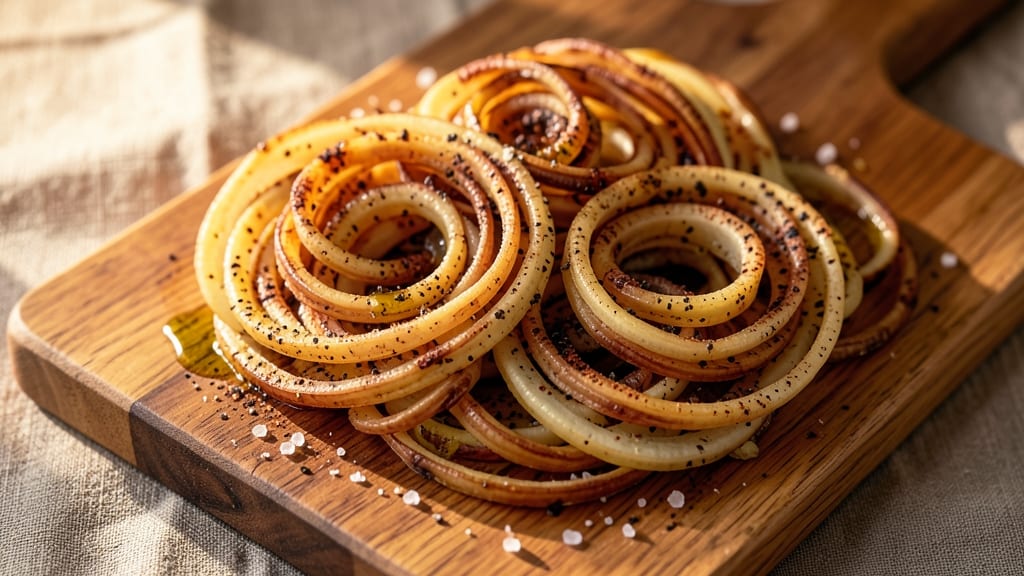
Transforming simple potatoes into crunchy spiralized noodles is one of those kitchen revelations that changes how you approach sides forever. The secret lies in roasting them just right—until they're golden, crispy on the edges, and tender inside, with a texture that rivals any restaurant dish.
I developed this method after years of experimenting with spiralized vegetables, and it never fails to impress.
What makes this recipe truly foolproof is the combination of high heat and a light oil coating, which ensures even browning without sticking. You'll need just 15 minutes of active prep time, followed by 25-30 minutes in the oven, making it perfect for busy weeknights or meal prep.
The beauty of spiralized potatoes is their versatility—they work as a standalone side, a base for salads, or even a hearty appetizer when served with dipping sauces.
By the time you pull them from the oven, you'll have perfectly golden, crispy noodles with a satisfying crunch that disappears into tender centers. The aroma alone will have everyone at the table asking what's for dinner, and the visual appeal is just as impressive as the taste.
This is the kind of side dish that elevates any meal from ordinary to extraordinary.
Pair them with grilled meats, roasted vegetables, or even a simple protein like chicken for a complete dinner. The possibilities are endless, and the technique is simple enough for anyone to master. Let's get started on creating these perfectly roasted potato noodles that will become a staple in your kitchen.
Ingredients for spiralize potatoes
Pantry staples plus two fresh herbs—transforming humble potatoes into restaurant-worthy crunchy noodles.
| Ingredient | Amount | Notes |
|---|---|---|
| Russet Potatoes 🥔 | 2 lbs | Medium size, unpeeled for texture |
| Extra-Virgin Olive Oil 🫒 | ¼ cup | Light coating for even browning |
| Diamond Crystal Kosher Salt 🧂 | 1 ½ tsp | For seasoning, not iodized |
| Freshly Ground Black Pepper 🌶️ | ½ tsp | Freshly cracked for best flavor |
| Garlic Powder 🧄 | ½ tsp | For subtle aromatic depth |
| Smoked Paprika 🌶️ | ¼ tsp | Adds subtle smoky complexity |
| Fresh Rosemary 🌿 | 2 tbsp | Chopped, for aromatic finish |
| Fresh Parsley 🌿 | 1 tbsp | Chopped, for bright freshness |
| Vegetable Spiralizer 🔪 | 1 whole | Or julienne peeler alternative |
| Baking Sheet 🍳 | 1 whole | Rimmed, for easy cleanup |
| Parchment Paper 📄 | 1 sheet | For easy transfer and crispiness |
Russet potatoes are your best bet here—their low moisture content and starchy texture create that perfect crispy-tender result. Buy organic if possible to avoid waxy coatings, or scrub thoroughly if conventional. I always grab mine from Whole Foods or my local grocery's organic section, where they're consistently firm and free of blemishes. The spiralizer matters too—OXO Good Grips is my go-to, but any quality model works. If you're short on time, a julienne peeler does the job just fine, though the strands will be slightly thicker. The key is uniformity—aim for strands about as thick as spaghetti.
No fresh rosemary? Dried works at one-third the amount, but fresh is worth hunting down. Short on olive oil? Avocado oil has a higher smoke point, making it ideal for roasting. The smoked paprika adds depth without overpowering—skip it if you prefer a cleaner flavor. For extra crispiness, toss the noodles with 1 tbsp cornstarch before roasting. And if you're feeling fancy, a sprinkle of fresh thyme alongside the rosemary adds another aromatic layer. The salt and pepper should be freshly ground—pre-ground loses potency fast, especially black pepper.
These keep surprisingly well—3-4 days in an airtight container at room temperature, though they lose crispiness after day two. For longer storage, freeze them on the baking sheet for 1 hour first to prevent sticking, then transfer to a bag. Reheat at 400°F for 5-7 minutes until crispy again. I always make double batches—half for dinner, half for snacking the next day. The aroma alone makes them irresistible straight from the oven, so if you're serving as an appetizer, pull them when they're just starting to brown—they'll crisp up more as they cool.
Why You'll Love This Recipe
- No Spiralizer? No Problem: I’ll admit, I didn’t own one at first—just grabbed a sharp knife and made thin strips. The key is patience (and maybe a few extra minutes), but the result? Crispy edges that practically sing with every bite. Honestly, the texture difference between spiralized and sliced is worth the effort, even if it’s not perfect.
- Garlic Oil Magic: That simple toss with extra-virgin olive oil and garlic powder transforms these potatoes into something ridiculously flavorful. The oil soaks in just enough to keep them tender, while the garlic powder gives this dish a cozy, savory punch. Between us, I’ve served these as a side and as a main (with protein on the side), and no one’s ever questioned the taste.
- Meal Prep MVP: I make a big batch on Sundays and keep them in the fridge for the week—tossed with a little extra oil and salt, they reheat beautifully. They’re great cold in salads, warm as a quick lunch, or even mashed into a budget-friendly "potato pancake" mix. My kids call them "snack fries," but I know better.
- Budget-Friendly Crunch: Russets are cheap, and this recipe stretches them far. A single bag feeds my family for days, and the ingredients? Olive oil, salt, pepper—stuff you already have. Plus, the crispy texture makes them feel fancy without breaking the bank. (Yes, even on a Tuesday night.)
Step-by-step instructions for crispy roasted spiralized potatoes
Transform humble russet potatoes into restaurant-worthy, golden noodles with this foolproof method.
Prepare the Potatoes for Perfect Spirals
Begin by washing the 2 lbs russet potatoes thoroughly under cold water to remove any dirt. I like to scrub them gently with a vegetable brush to ensure no grit remains—this prevents gritty texture in the final dish. Pat them completely dry with paper towels, then trim off any blemishes or uneven spots using a sharp chef's knife.
Here's the thing—never peel russet potatoes for this recipe. The skin adds essential texture and prevents the noodles from becoming mushy during roasting. Using a vegetable spiralizer, carefully run each potato through the largest blade setting. You'll get about 4-5 strands per potato. If you encounter resistance, rotate the potato slightly and try again—pushing too hard can break the spiralizer blades.
Season the Potato Noodles Thoroughly
Transfer all the potato noodles to a large mixing bowl. In a small bowl, combine the 0.25 cup extra-virgin olive oil, 1.5 tsp diamond crystal kosher salt, 0.5 tsp freshly ground black pepper, 0.5 tsp garlic powder, and 0.25 tsp smoked paprika. Pour this seasoning blend over the noodles and toss gently but thoroughly with your hands until every strand is evenly coated.
Don't skip this hand-tossing step—it ensures maximum crispiness and flavor penetration. The olive oil should look like it's clinging to every surface of the noodles. If you notice any strands that seem dry, give them an extra rub with your fingertips. This is where the magic happens for that perfect golden crust we're after.
Prep the Baking Setup for Even Cooking
Line the baking sheet with the parchment paper, leaving a 1-inch overhang on all sides for easy transfer. This is crucial—parchment prevents the noodles from sticking to the sheet while allowing hot air to circulate underneath for even browning. Spread the seasoned potato noodles in a single layer on the prepared sheet, making sure they don't overlap. You might need to work in batches if your sheet isn't large enough.
Here's where precision matters: arrange the noodles with about ½-inch space between each strand. This spacing allows them to crisp rather than steam. I like to use my fingers to gently separate any noodles that might be touching. Preheat your oven to 425°F while you prepare the herbs—this ensures everything is ready when the oven reaches temperature.
Roast Until Perfectly Golden and Crispy
Place the baking sheet in the center rack of your preheated oven and roast for 20 minutes. Then, carefully remove the sheet and give the noodles a gentle toss using a metal spatula. This helps break up any clumps that may have formed and ensures even browning. Return to the oven for another 15-20 minutes until the edges are deep golden brown and the strands are crisp throughout.
Watch closely during the final 5 minutes—this is when they reach their peak texture. You'll know they're done when they sound crisp when you shake the pan and have that beautiful caramelized color. If you pull them out too early, they'll continue cooking on the hot sheet; if you leave them too long, they'll burn. The perfect moment is when they're golden but still vibrant, not dull.
Finish with Fresh Herbs and Serve Immediately
Remove the noodles from the oven and immediately sprinkle with the 2 tbsp chopped fresh rosemary and 1 tbsp chopped fresh parsley. Toss gently to distribute the herbs evenly. These fresh herbs add a bright contrast to the smoky, crispy potatoes and elevate the dish from good to exceptional. The residual heat from the hot noodles will slightly wilt the herbs, releasing their aromatic oils.
Serve immediately while still crisp—these noodles lose their perfect texture as they cool. I like to pile them high on plates and garnish with an extra sprinkle of smoked paprika for that final visual pop. The contrast of crispy exterior and tender interior makes every bite satisfying. These make an excellent side for grilled meats, fish, or even a hearty salad—just don't wait too long to serve!
Pro Tips For Making Spiralize Potatoes
- Soak the Spirals: Toss your potato ribbons in cold water for 5 minutes before cooking—it removes excess starch and keeps them from sticking like glue. I learned this the hard way after wrestling with a pan full of gummy, clumped spirals that refused to crisp.
- Dry Them Thoroughly: Pat those ribbons completely dry with a kitchen towel before hitting the pan—even a little moisture means sad, limp fries instead of golden, crispy perfection. Yes, it’s tedious, but trust me: your future self will curse you if you skip this.
- Use Two Batches: Crowd the pan? No way. Cook in batches over medium heat so the potatoes sizzle without steaming—otherwise, they’ll turn greasy instead of crispy. I used to ignore this, and my kitchen smelled like regret.
- Salt Mid-Cook: Add half the kosher salt before flipping, then finish with the rest after—this locks in flavor without making the spirals soggy. (And for the love of garlic powder, don’t skip the fresh black pepper at the end—it’s the only thing that makes this dish feel real.)
Essential equipment for perfect results
Spiralizer Essentials
The right vegetable spiralizer makes all the difference. My top pick is the OXO Good Grips model—it handles russets like butter with its sturdy diamond-coated blades that won't dull after multiple uses. For budget-friendly options, the Norpro Swiss Style is a great alternative with adjustable settings.
If you're working with multiple potatoes, consider the Magic Bullet Spiralizer—it's compact but surprisingly efficient. Always choose a model with non-slip feet to prevent accidents during use. 🔪
Baking Sheet Must-Haves
Your baking sheet should be rimmed and made of heavy-gauge aluminum for even heat distribution. I use a 12x17-inch sheet from Chicago Metallic—it's durable and large enough to fit all strands in one batch.
For non-stick performance, line it with parchment paper (I prefer FoodSaver brand) and leave a 1-inch overhang for easy transfer. If you're short on space, a half-sheet pan works but may require more batches. Avoid glass or ceramic sheets—they don't conduct heat as well, leading to uneven cooking.
Oil and Seasoning Tools
For even coating, use a light-mist spray bottle (like Simple Houseware) to lightly mist the noodles before tossing with oil. This helps the seasoning adhere better. A small mixing bowl with high sides prevents spills when tossing—my Pyrex 2-cup bowl is perfect for this.
For measuring spices, a spice grater (like Penzeys) ensures precise amounts, especially for smoked paprika and garlic powder. A microplane works great for fresh herbs if you're prepping them ahead of time. 🌿
Crispiness Boosters
To maximize crispiness, invest in a wire cooling rack—placing the noodles on it for 5 minutes after roasting prevents steam buildup, keeping them crunchy. For extra crunch, sprinkle 1 tbsp cornstarch over the noodles before roasting.
A pizza peel comes in handy if you're serving immediately—it makes transferring the hot noodles to plates effortless. For large batches, a second baking sheet ensures you don't overcrowd, which can lead to soggy strands.
Keep a small bowl of ice water nearby to refresh herbs if they wilt too much during tossing.
Safety Gear
Spiralizing can be messy, so protect your hands with cut-resistant gloves (like KitchenPro)—they're a game-changer for thick-skinned potatoes. A sharp chef's knife (I use Wüsthof) is essential for trimming potatoes safely before spiralizing.
Keep a small bowl of water nearby to rinse off any stray potato bits that might stick to your hands. For cleanup, a flexible silicone spatula helps scrape up every last strand from the spiralizer. And always work on a non-slip cutting mat to prevent accidents. 💪
Storage Solutions
For short-term storage, use glass airtight containers (like Le Parfait) to maintain crispiness for up to 3 days. If freezing, spread noodles on a parchment-lined tray and freeze for 1 hour before transferring to a ziplock bag—this prevents clumping.
A vacuum sealer (like FoodSaver) extends shelf life to 2 months by removing all air. For reheating, a toaster oven works best—set to 400°F for 5-7 minutes until golden and crispy again. Label containers with dates to track freshness. ❄️
Nutrition facts
Frequently asked questions
Can I use sweet potatoes instead of russets for spiralized noodles?
Sweet potatoes work beautifully, though they'll have a slightly sweeter flavor and softer texture. For best results, use orange sweet potatoes (they're less waxy than white varieties) and reduce roasting time to 18-20 minutes total since they cook faster. The key is to monitor closely—they'll crisp up more quickly than russets.
Why did my potato noodles turn out soggy instead of crispy?
Overcrowding on the baking sheet is the #1 culprit! Always leave ½-inch space between strands to allow air circulation. Another common mistake is under-seasoning the oil—use at least 0.25 cup for 2 lbs of potatoes. For extra crunch, try adding 1 tbsp cornstarch to the seasoning mix before roasting.
How can I make these ahead of time without losing crispiness?
Prep the noodles up to 24 hours ahead and store them in a single layer on a parchment-lined tray in the fridge. When ready to cook, roast at 425°F for 15-20 minutes until crispy again. For longer storage, freeze them raw on a tray for 1 hour, then transfer to a bag. Reheat frozen noodles at 400°F for 10-12 minutes.
What are the best ways to serve these potato noodles?
These versatile noodles shine as a side dish, but they're also perfect for salads or appetizers! Pair with grilled chicken, steak, or fish for a complete meal. Try serving with a creamy garlic aioli or tangy yogurt dip. For a hearty salad, toss with cherry tomatoes, cucumber, and feta. The possibilities are endless—just keep them crisp!
Can I spiralize potatoes without a dedicated spiralizer?
Yes! A julienne peeler or even a sharp chef's knife works in a pinch. For knife method: Cut potatoes lengthwise into ¼-inch thick planks, then slice into thin strips. The strands will be thicker but still delicious. Just reduce roasting time by 5 minutes since thicker pieces take longer to crisp.