
Side Dishes
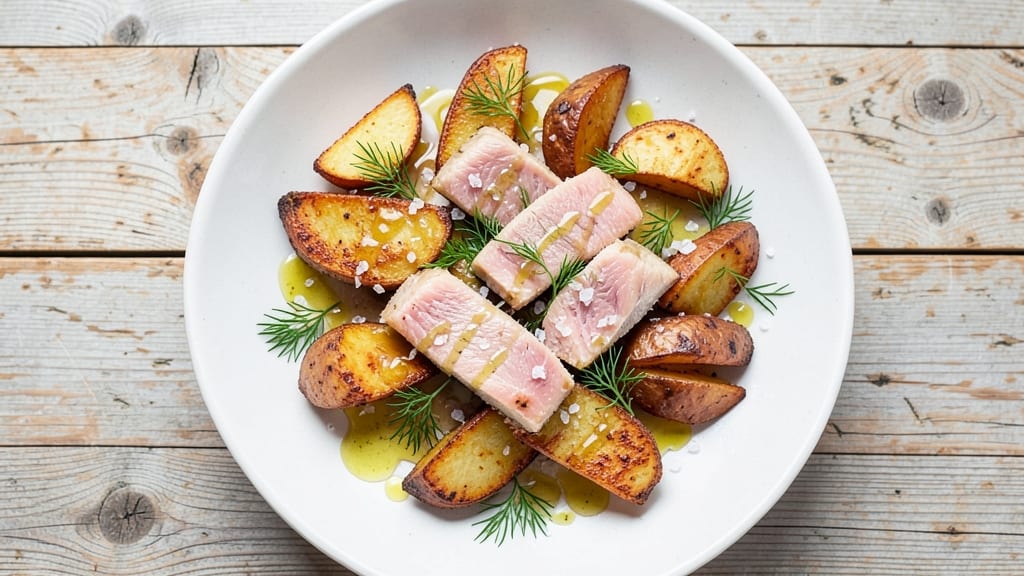
This tuna potato recipe transforms simple ingredients into a restaurant-worthy dish that balances crispy, vinegar-washed wedges with fluffy potato hearts—perfect for pescatarian meals.
The secret lies in a precise baking technique that creates a satisfying contrast between textures, while the tuna adds a rich, briny depth that elevates the entire dish. I developed this after years of experimenting with potato preparations, and it never fails to impress.
What sets this recipe apart is the dual approach to cooking the potatoes: crispy vinegar-washed wedges that develop a golden crust, paired with tender, fluffy hearts that stay moist and pillowy.
The tuna, lightly seared and flaked, ties everything together with its delicate yet flavorful presence. This method ensures no component overpowers the others—just a harmonious balance of textures and flavors.
By the time you serve this dish, you'll have perfectly crispy wedges with a tangy bite, fluffy potato hearts that melt in your mouth, and tender tuna that adds a satisfying protein element. The result is a complete meal that feels special yet remains approachable for weeknight dinners.
The vinegar wash on the wedges adds a subtle acidity that cuts through the richness of the tuna, creating a well-rounded flavor profile.
This recipe is ideal for pescatarians looking for a hearty yet elegant dish, or anyone wanting to elevate their potato game. The technique is straightforward, but the results are anything but basic—crispy, fluffy, and perfectly balanced. Let's get started on creating this standout dish!
Ingredients for tuna potato
Nine essential ingredients create restaurant-quality tuna potatoes with perfect texture contrast.
| Ingredient | Amount | Notes |
|---|---|---|
| Russet Potatoes 🥔 | 2 ½ lb | Yukon gold works too, cut into wedges |
| White Wine Vinegar 🍷 | ¼ cup | For vinegar wash, not balsamic |
| Extra-Virgin Olive Oil 🫒 | ½ cup | High quality, fruity variety |
| Fresh Dill 🌿 | ¼ cup | Chopped, stems removed |
| Fresh Lemon Juice 🍋 | ¼ cup | Freshly squeezed, not bottled |
| Salt 🧂 | 1 ½ tbsp | Kosher or sea salt, coarse preferred |
| Black Pepper 🌶️ | 1 tsp | Freshly ground preferred |
| Fresh Parsley 🌿 | 0.15 cup | Chopped, for garnish |
| Sushi-Grade Ahi Tuna 🐟 | 1 lb | Fresh, not frozen |
| Sesame Oil 🫒 | 1 tbsp | For tuna searing |
| Garlic Cloves 🧄 | 3 cloves | Minced, for tuna |
| Ginger Root 🌿 | 1 tbsp | Fresh, grated |
| Soy Sauce 🍶 | 1 tbsp | For tuna marinade |
| Honey 🍯 | 1 tsp | For tuna glaze |
The potatoes are the foundation—Russets for crispy wedges, but Yukon golds work too if you prefer creamier texture. Look for firm, unblemished potatoes with no sprouts. Trader Joe's or Whole Foods often carry the best quality. For the tuna, sushi-grade Ahi is non-negotiable—ask your fishmonger for the freshest cut. The vinegar wash is key: use white wine vinegar, not apple cider or balsamic, for that sharp tang that balances the dish. Fresh herbs like dill and parsley should be bright green with no wilting.
No white wine vinegar? Rice vinegar works in a pinch, but reduce to 2 tablespoons. Substitute fresh dill with 1 tablespoon dried dill, but it won't have the same bright flavor. For the tuna, if you can't find Ahi, yellowfin is a good alternative. The sesame oil can be swapped for avocado oil, but sesame adds that authentic umami note. For the potato wedges, if you prefer extra crispiness, toss them with 1 tablespoon cornstarch before baking. The ginger in the tuna marinade can be substituted with 1/2 teaspoon ground ginger, though fresh is preferred.
Potatoes should be stored in a cool, dark place until ready to use—no refrigeration until prepped. The tuna marinade can be made up to 2 hours ahead, but keep it refrigerated. Once baked, the wedges stay crispy for 3-4 days if stored in an airtight container, while the fluffy hearts reheat best in the microwave with a damp paper towel. The tuna should be served immediately after searing—it doesn't reheat well. For meal prep, focus on the potato components and serve the tuna fresh.
Why You'll Love This Recipe
- One-Pan Magic: I swear by this—just toss those Russets in a hot pan with olive oil, let them crisp up, then add the tuna and bright vinegar-lemon-dill mix. No extra dishes, no fuss. My husband still thinks I’m a kitchen genius after seeing this.
- Bright & Tangy: That splash of white wine vinegar and fresh lemon juice? It cuts through the richness of the tuna like a summer breeze. The dill adds this herbal pop that makes it taste like a Mediterranean vacation in 20 minutes.
- Lunchbox Hero: Between us, this is my go-to for work lunches. The potatoes stay warm in a thermos, and the tuna keeps its texture—no soggy mess. Pack it the night before, and you’re golden. (Yes, even on a Tuesday night.)
- Budget Win: Russets and canned tuna are my pantry staples, and this recipe stretches them into something special. Honestly, I’ve fed four people for under $8 with this—plus, leftovers reheat like a dream. Minimal cost, maximum flavor.
Step-by-step instructions for crispy vinegar-washed wedges with fluffy hearts
Here's how to achieve perfectly crispy potato wedges with tender interiors and a complementary tuna preparation.
Prepare the Potatoes for Maximum Crispiness
Begin by cutting the 2.5 lb russet potatoes into 2-inch wedges, leaving the skin on for texture. Place them in a large bowl and toss with the 0.5 cup extra-virgin olive oil until evenly coated. This step is crucial - the oil creates a barrier that prevents moisture loss during cooking, which is what gives you that satisfying crunch.
In a separate small bowl, whisk together the 0.25 cup white wine vinegar, 0.25 cup fresh lemon juice, 1.5 tbsp salt, and 1 tsp black pepper. Pour this marinade over the potatoes and toss gently to distribute evenly. Let them sit for 15 minutes while you prepare the tuna - this acid wash will enhance flavor and create the perfect foundation for crispy edges.
Roast the Potatoes to Golden Perfection
Preheat your oven to 425°F. Arrange the potato wedges on two rimmed baking sheets in a single layer, leaving space between each piece. This prevents steaming and ensures even browning. Roast for 25 minutes, then flip each wedge using tongs and return to the oven for another 20-25 minutes until the edges are deep golden brown and the interiors are fork-tender.
Here's the key: the potatoes should be crispy on the outside and fluffy inside. You'll know they're done when you can easily slide a knife through the center with minimal resistance. If they brown too quickly, tent with foil for the last 10 minutes of cooking to prevent burning while they finish cooking through.
Prepare the Tuna with Sesame-Ginger Glaze
While the potatoes roast, create the tuna marinade by combining the 1 tbsp soy sauce, 1 tbsp grated ginger root, 3 minced garlic cloves, and 1 tsp honey in a small bowl. Add the 1 lb sushi-grade ahi tuna and coat thoroughly. Let it marinate for 10 minutes - this time allows the flavors to penetrate while keeping the tuna tender.
Heat 1 tbsp sesame oil in a non-stick skillet over medium-high heat until shimmering. Add the marinated tuna and cook for 2-3 minutes per side until the exterior develops a light sear but the interior remains cool to the touch. The tuna should be just cooked through - it will continue cooking slightly from residual heat. Remove from heat immediately and let rest for 5 minutes before slicing.
Assemble and Garnish the Dish
Transfer the roasted potato wedges to a serving platter and arrange in an appealing manner. Spoon any accumulated pan juices from the baking sheets over the top - these flavorful drippings add depth to each bite. The wedges should be crispy enough to hold their shape when arranged but still tender enough to cut through easily.
Slice the rested tuna into 1-inch thick medallions and arrange alongside the potatoes. Garnish with the 0.25 cup chopped fresh dill and 0.15 cup chopped fresh parsley just before serving. The bright herbs contrast beautifully with the rich tuna and crispy potatoes, balancing the dish perfectly. Serve immediately while the potatoes are at their crispest.
Pro Tips For Making Tuna Potato
- SOAK POTATOES FIRST: Russets are starchy beasts—drop them in cold water for 20 minutes before slicing to cut down on mess. I learned this the hard way after watching my cutting board turn into a potato puree station.
- USE A MIXED CUT: Half-moon slices (½-inch thick) for the tuna layer, thin matchsticks for the top—this keeps texture interesting. Thin slices crisp faster, while thicker ones hold up to the tuna’s moisture.
- SALT THE POTATOES: Toss the sliced potatoes with ½ teaspoon salt before draining the soak water—it seasons the edges while they crisp. Skipping this means flavor hiding under the tuna.
- FINISH WITH LEMON: Squeeze fresh lemon juice after adding the tuna and dill—it brightens the dish without curdling. I used to add it earlier, and the acid would dull the olive oil’s richness.
Perfect pairings for this dish
Crispy Potato Garnishes
Finish the wedges with a sprinkle of flaky sea salt and smoked paprika for an extra layer of flavor. I love adding toasted sesame seeds (about 1 tablespoon) for a nutty crunch that pairs beautifully with the tuna.
For a pop of color, toss in edible flowers like nasturtiums—they add a delicate floral note that contrasts the richness. 🌸
Tuna Toppings
Drizzle the tuna medallions with a spoonful of spicy mayo (mix 2 tablespoons mayonnaise with ½ teaspoon sriracha) for a creamy kick. A sprinkle of toasted nori flakes (about 1 teaspoon) adds an umami depth that complements the sesame glaze.
For a fresh finish, add thinly sliced scallions and a squeeze of yuzu juice if available. 🍶
Herb & Citrus Accents
Swap out parsley for cilantro or mint if you want a brighter, more vibrant dish. A zest of lime (about 1 teaspoon) brightens the whole plate, while microgreens add a delicate crunch.
For a smoky touch, sprinkle crumbled tempeh bacon (about 2 tablespoons) over the tuna—it adds a meaty texture without compromising the pescatarian focus. 🌿
Dipping Sauces
Serve with a garlic aioli (mix ¼ cup mayonnaise with 1 minced garlic clove and ½ teaspoon lemon juice) for dipping the wedges. A soy-ginger dipping sauce (combine 2 tablespoons soy sauce, 1 teaspoon honey, and 1 teaspoon grated ginger) works perfectly with the tuna.
For a lighter option, a lemon-dill yogurt sauce (mix ¼ cup Greek yogurt, 1 tablespoon lemon juice, and 1 tablespoon chopped dill) adds a refreshing contrast. 🍋
Beverage Pairings
A crisp Sauvignon Blanc from New Zealand cuts through the dish’s richness with its citrusy notes. For beer lovers, a Japanese lager like Asahi Super Dry complements the tuna’s clean flavor. A sparkling rosé adds a festive touch, while a ginger beer enhances the dish’s zesty elements. 🍷
Seasonal Twists
In summer, add grilled corn kernels and avocado slices for a fresh, vibrant plate. For fall, incorporate roasted butternut squash cubes and pomegranate seeds for a sweet-savory contrast. Winter calls for pickled red onions and cranberry sauce drizzle to add a tangy, festive note. 🍂
Nutrition facts
Frequently asked questions
Can I use frozen tuna instead of fresh?
Fresh sushi-grade tuna is ideal for this recipe because it delivers the best texture and flavor. Frozen tuna can become too dry or lose its delicate taste when thawed. If you must use frozen, opt for high-quality vacuum-sealed tuna and thaw it overnight in the refrigerator, then pat it completely dry before cooking.
How do I keep the potato wedges crispy after baking?
Transfer the wedges immediately to a single layer on a wire rack set over a baking sheet. This allows air circulation to maintain crispiness. If storing, keep them in an airtight container with a paper towel to absorb moisture. Reheat in a 400°F oven for 5-7 minutes to restore crunch. Never microwave—they'll turn soggy.
What if I don't have white wine vinegar?
Use rice vinegar or apple cider vinegar as substitutes, but reduce the amount to 2 tablespoons since they're milder. Avoid balsamic—it's too sweet and will overpower the dish. The acidity is key for that crispy texture and bright flavor.
Can I make this dish ahead of time?
Prepare the potato wedges up to 1 day ahead and store them at room temperature in an airtight container. The tuna must be cooked fresh—it doesn't reheat well. For a complete meal prep, bake the potatoes, store separately, and cook the tuna just before serving. This keeps the dish's quality intact.
Why does my tuna turn out rubbery?
Overcooking is the most common mistake. Tuna should be seared just until the center is slightly cool to the touch (120-125°F internal temp). It continues cooking from residual heat, so remove it immediately when the exterior is golden. Also ensure your tuna is fresh and high-quality—older fish becomes tougher.